If you’ve ever noticed a headache that appears like clockwork just before or during your periods, you are not alone and more importantly, it’s not random. These headaches are commonly known as hormonal headaches or
They are also called menstrual migraines sometimes, and are deeply linked to fluctuations in estrogen levels.
However, what most people and even many general articles, fail to explain is that these headaches are not purely hormonal.
From a physiotherapy and clinical perspective, they are a multifactorial condition involving hormonal shifts, nervous system sensitivity, blood vessel changes, and musculoskeletal dysfunction (especially the neck and upper back).
Understanding this combination is the key to actually managing and preventing them.
Quick Answer
Headaches during periods are mainly caused by a sudden drop in estrogen levels just before menstruation. This hormonal fluctuation increases pain sensitivity and triggers migraine pathways. Managing sleep, hydration, magnesium intake, and neck posture can significantly reduce these headaches.
Key Takeaways
- Hormonal headaches are triggered by estrogen withdrawal.
- They are often more intense than regular headaches.
- Neck tension plays a major hidden role.
- Magnesium and hydration help reduce symptoms.
- Physiotherapy addresses the root cause effectively.
What Are Hormonal Headaches?
Hormonal headaches are headaches that occur due to fluctuations in female hormones, particularly estrogen.
They are most commonly experienced:
- 1-3 days before periods
- During menstruation
- Around ovulation
- During pregnancy or menopause transitions
According to research, up to 60% of women with migraines report a clear hormonal link, especially around menstruation (NCBI)
These headaches are classified clinically into:
- Pure menstrual migraine– occurs only during periods
- Menstrually related migraine– occurs during periods and at other times
Why Do Headaches Happen During Periods?
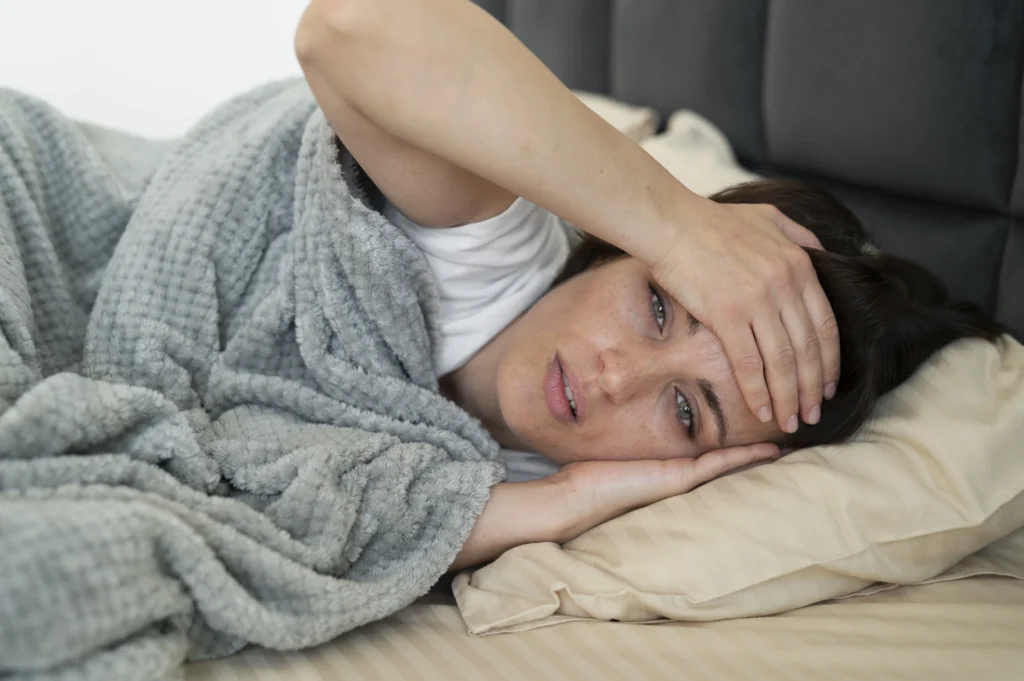
The Estrogen Withdrawal Effect
The most evidence-backed explanation is the estrogen withdrawal hypothesis.
Throughout your menstrual cycle:
- Estrogen rises during the follicular phase
- Peaks before ovulation
- Then drops sharply just before menstruation
This rapid fall, not low estrogen itself, triggers migraine pathways.
A 2023 study confirms that declining estrogen levels directly activate the trigeminovascular system, which is responsible for migraine pain (The Journal of Headache and Pain)
Another landmark review highlights that migraine attacks are more closely linked to estrogen drop than progesterone changes (Jama Network)
In simple terms:
Your brain is highly sensitive to hormonal fluctuations and sudden changes act as a trigger.
The Role of Prostaglandins
Most discussions focus only on estrogen, but prostaglandins play a powerful role.
During menstruation:
- The body releases prostaglandins to help shed the uterine lining
- These chemicals enter the bloodstream
- They can trigger pain, inflammation, and blood vessel changes
This explains why:
- Headaches often come with cramps
- Pain feels more systemic (whole-body) rather than localized
Research confirms elevated prostaglandins contribute to menstrual pain and associated symptoms like headache (NCBI)
What Happens Inside the Brain and Body?
Hormonal headaches are not just “in your head”, they involve real, measurable biological changes.
Neurological Changes
- Activation of the trigeminal nerve pathway (main migraine pathway)
- Increased release of CGRP (calcitonin gene-related peptide), a pain mediator
- Reduced serotonin levels, affecting pain control
Research shows estrogen plays a role in stabilizing neuronal activity, and its drop leads to increased brain excitability and lower pain thresholds (NLM)
Vascular Changes
- Blood vessels in the brain become more sensitive
- Sudden dilation contributes to throbbing pain
Inflammatory Response
- Increase in prostaglandins during menstruation
- These chemicals can intensify both cramps and headaches
Gut–Hormone Connection
One of the most overlooked contributors to hormonal headaches is gut health.
Your gut helps regulate estrogen through the estrobolome (gut bacteria involved in hormone metabolism).
If gut health is poor:
- Estrogen metabolism becomes unstable
- Hormonal fluctuations worsen
- Inflammation increases
This can amplify headaches during your cycle.
A study highlights the link between gut microbiota and estrogen regulation (PMC)
Clinically, patients with bloating, IBS, or acidity often report worse hormonal headaches.
Symptoms of Hormonal Headaches
You may experience:
- Throbbing or pulsating pain (often one-sided)
- Headache before or during periods
- Neck stiffness or heaviness
- Nausea or dizziness
- Sensitivity to light and sound
- Fatigue and brain fog
Menstrual migraines are often:
- More intense
- Longer lasting
- Less responsive to medication (Jama Network)
How Hormonal Headaches Differ From Regular Migraines
Hormonal headaches are often misdiagnosed as regular migraines, but there are subtle clinical differences:
- They follow a predictable menstrual pattern
- Often occur without typical triggers like food or stress
- Pain is usually more resistant to standard medication
- They may present with more fatigue than aura
A clinical review highlights that menstrual migraines are less responsive to triptans compared to non-menstrual migraines (PubMed)
This is why a preventive approach works better than reactive treatment in hormonal headaches.
The Iron Deficiency Link
This is extremely relevant and often missed.
Heavy menstrual bleeding can lead to:
- Iron deficiency
- Reduced oxygen delivery to tissues
- Increased fatigue and headache frequency
India has a high prevalence of iron deficiency among women, making this a critical hidden factor.
WHO data supports the strong link between anemia and fatigue-related headaches. (WHO)
If headaches are worse with weakness, dizziness, or hair fall, check iron levels.
Why You Feel More Neck Pain During Periods
This is a key physiotherapy insight.
Hormonal changes affect:
- Collagen elasticity
- Ligament stability
- Muscle activation patterns
During periods:
- Muscles fatigue faster
- Joint stability reduces
- Posture collapses more easily
This increases load on:
- Cervical spine
- Upper trapezius
- Shoulder girdle
A study shows estrogen influences muscle and connective tissue function, affecting biomechanics. (PubMed)
This is why even normal activities feel heavier and more tiring during your cycle.
Breathing Patterns and Hormonal Headaches
A very overlooked factor is breathing mechanics.
During pain or stress:
- Breathing becomes shallow
- Neck muscles overwork (accessory breathing muscles)
- This increases tension in the upper trapezius
This creates a feedback loop:
Headache → shallow breathing → more neck tension → worse headache
Training diaphragmatic breathing can significantly reduce this cycle.
Lesser-Known Triggers That Make It Worse
Most people blame hormones alone, but these hidden triggers amplify the problem:
Sleep Disruption
Poor sleep before periods lowers your pain threshold.
Blood Sugar Fluctuations
Skipping meals can trigger Hunger headaches faster during hormonal phases.
Caffeine Withdrawal
Caffeine withdrawal or sudden reduction can worsen headaches.
Dehydration
Even mild dehydration increases migraine risk and could lead to dehydration-related headaches.
Screen Time and Posture
Forward head posture increases strain on neck muscles.
Ways to Prevent Hormonal Headaches
Stabilize Your Routine Before Periods
The 3-5 days before menstruation are critical.
- Maintain consistent sleep
- Avoid skipping meals
- Reduce stress load
Magnesium Supplementation
Magnesium helps regulate:
- Nerve function
- Muscle relaxation
- Blood vessel stability
Studies show magnesium reduces menstrual migraine frequency and severity (PubMed)
Physiotherapy Exercises
This is one of the most underrated solutions.
Focus on:
- Chin tuck exercises
- Upper trapezius stretch
- Thoracic spine mobility
- Shoulder blade strengthening
These reduce muscular triggers that worsen hormonal headaches.
Heat Therapy on Neck
Applying heat to the neck:
- Relaxes tight muscles
- Improves blood circulation
- Reduces referred pain
Anti-Inflammatory Diet
Include:
- Omega-3 fatty acids
- Nuts and seeds
- Leafy greens
Avoid:
- Processed foods
- Excess sugar
- High salt intake
Things You Should Avoid
- Skipping meals
- Overusing painkillers
- Excess caffeine
- Poor posture
- Sedentary lifestyle
These factors increase both hormonal sensitivity and muscular tension.
Treatment Options
Medical Management
- NSAIDs
- Triptans
- Hormonal therapy (in some cases)
Physiotherapy Treatment
- Myofascial release
- Trigger point therapy
- Cervical mobilization
- Posture correction
- Dry needling
Physiotherapy addresses the root mechanical cause, not just symptoms.
Best Sleeping Position During Hormonal Headaches
Sleep posture directly affects headache severity.
Ideal positions:
- On your back with a small cervical support
- Side-lying with proper neck alignment
Avoid:
- Sleeping on your stomach
- High or multiple pillows
- Twisted neck positions
Poor sleep posture increases night-time muscle strain, worsening morning headaches.
Timing Your Workouts Around Your Cycle
Exercise is helpful, but timing matters.
Before periods:
- Prefer light workouts
- Focus on stretching and mobility
During periods:
- Gentle yoga, walking
- Avoid high-intensity strain
After periods:
- Best time for strength training
A study shows exercise intensity tolerance varies across menstrual phases (NCBI)
Overtraining before periods can worsen headache instead of helping.
Caffeine Strategy
Completely avoiding caffeine is not always necessary, but timing is key.
What works:
- Maintain consistent intake
- Avoid sudden withdrawal before periods
What worsens headaches:
- Skipping caffeine suddenly
- Excess intake during PMS
Sudden caffeine withdrawal is a well-known migraine trigger.
When Hormonal Headaches Become Chronic
If not managed properly, hormonal headaches can become:
- More frequent
- Less predictable
- Triggered even outside periods
This is called central sensitization, where the nervous system becomes overly sensitive.
A study explains how repeated migraine attacks increase brain sensitivity over time (NIH)
Early management is key to preventing chronicity.
Simple Daily Routine to Reduce Hormonal Headaches
This is a practical, realistic routine:
Morning:
- Hydrate (1-2 glasses water)
- Light neck mobility exercises
Afternoon:
- Balanced meals (avoid long gaps)
- Maintain posture during work
Evening:
- Gentle stretching
- Reduce screen exposure
Night:
- Consistent sleep timing
- Proper pillow support
Calculate your ideal sleep here: “Sleep Calculator“
Small daily habits reduce the intensity of hormonal triggers.
Foods That Help vs Foods That Trigger
Helpful Foods:
- Magnesium-rich (banana, nuts, seeds)
- Omega-3 (flaxseed, walnuts)
- Leafy greens
Trigger Foods:
- Processed snacks
- Excess sugar
- Artificial sweeteners
A review shows diet plays a role in migraine modulation. (PMC)
Track Your Cycle + Headaches
One of the most powerful tools is:
Cycle tracking
Track:
- Headache timing
- Intensity
- Associated symptoms
This helps:
- Identify patterns
- Start preventive strategies earlier
- Improve treatment accuracy
My Clinical Insight
In real practice, purely hormonal headaches are rare.
Most cases involve:
- Hormonal trigger
- Neck dysfunction
- Lifestyle imbalance
That’s why many patients say:
“Medicines help temporarily, but headaches keep coming back.”
Because the musculoskeletal cause remains untreated.
Physio Prescription
Start 5 days before your period:
- 10 minutes daily neck exercises
- Hydration: 2.5-3 liters
- Magnesium intake
- Sleep: 7-8 hours
- Reduce screen exposure
- Light physical activity
Red Flags
Seek medical attention if:
- Sudden severe headache
- Vision disturbances
- Fainting
- New or worsening symptoms
Myth vs Reality
Myth: Period headaches are normal and unavoidable
Reality: They are common, but preventable and manageable
Final Word
Hormonal headaches are not just about hormones.
They are a signal from your body, a combination of:
- Hormonal fluctuation
- Nervous system sensitivity
- Muscle imbalance
The real solution lies in addressing all three.
Headaches during periods causes include a sudden drop in estrogen, inflammation, and muscle tension, while treatment focuses on hydration, proper sleep, nutrition, and physiotherapy to reduce and prevent symptoms effectively.
Frequently Asked Questions
1. Why do I get headaches during my periods?
Headaches during periods are mainly caused by a sudden drop in estrogen levels, which triggers migraine pathways and increases pain sensitivity.
2. Are hormonal headaches the same as migraines?
Hormonal headaches are often a type of migraine triggered by hormonal changes, especially estrogen fluctuations before menstruation.
3. How long do period headaches usually last?
They typically last between 1 to 3 days but can extend longer in some cases, especially if not managed properly.
4. Can physiotherapy help hormonal headaches?
Yes, physiotherapy helps by reducing neck tension, correcting posture, and addressing musculoskeletal triggers that worsen hormonal headaches.
5. What is the best natural remedy for hormonal headaches?
Magnesium, proper hydration, regular sleep, and gentle neck exercises are among the most effective natural remedies.
6. Do hormonal headaches get worse with age?
They may worsen during perimenopause due to irregular hormone fluctuations but often improve after menopause.
7. Can dehydration trigger headaches during periods?
Yes, dehydration can significantly increase the frequency and severity of hormonal headaches.
8. Should I avoid caffeine during hormonal headaches?
It’s better to maintain consistent caffeine intake rather than suddenly stopping, as withdrawal can trigger headaches.
9. Are hormonal headaches preventable?
Yes, they can be managed and reduced with proper lifestyle habits, nutrition, and physiotherapy interventions.
10. When should I see a doctor for period headaches?
Seek medical help if headaches are severe, sudden, worsening over time, or associated with vision changes or fainting.
Stay tuned with us for more health related topics.
Follow us on LinkedIn and Instagram for more.
More Read


Medical Disclaimer!
This article has been reviewed and written under the guidance of our Head Physiotherapist, Dr. Kruti Raj (PT, MUHS,CPT,CMPT). The information shared is intended for educational purposes only and should not be considered a substitute for personalized medical advice, diagnosis, or treatment.
Please consult us or any other qualified healthcare professional before beginning any exercise program, especially if you are experiencing pain, recovering from injury, or managing a medical condition.