If you’ve ever cracked your neck for relief and then noticed a headache after cracking neck creeping in afterward, you’re not imagining it.
In clinical practice, this is something I see more often than people admit.
What feels like instant “relief” can sometimes trigger delayed pain, especially headaches originating from the neck itself.
Let’s break this down in a simple, research-backed, physiotherapy-focused way so you understand why it happens, what to do immediately, and how to prevent it long-term.
Quick Answer
Headaches after neck cracking are usually caused by muscle strain, joint irritation, or nerve sensitivity in the cervical spine. Stop self-cracking immediately, apply heat, and begin gentle neck strengthening exercises. If symptoms persist or include dizziness or vision changes, seek medical attention.
Key Takeaways
- Neck cracking can trigger cervicogenic headaches.
- Repeated cracking leads to instability and muscle imbalance.
- Temporary relief often leads to long-term pain.
- Physiotherapy focuses on strengthening, not cracking.
- Posture correction is essential for prevention.
- Seek help if symptoms include dizziness or vision issues.
Understanding Why Neck Cracking Can Trigger Headaches
The “Pop” Isn’t the Problem, The Habit Is
That cracking sound is usually due to cavitation, gas bubbles forming and collapsing inside the joint fluid. This by itself is not dangerous.
However, forceful, repetitive, or poorly controlled neck cracking changes the mechanics of your cervical spine.
Research shows that:
- The neck contains delicate muscles, joints, nerves, and blood vessels that can be irritated with repeated manipulation (Healthline)
- Excessive or forceful movements may lead to muscle strain, ligament stress, or nerve irritation, all of which can trigger headaches
What Kind of Headache Is This?
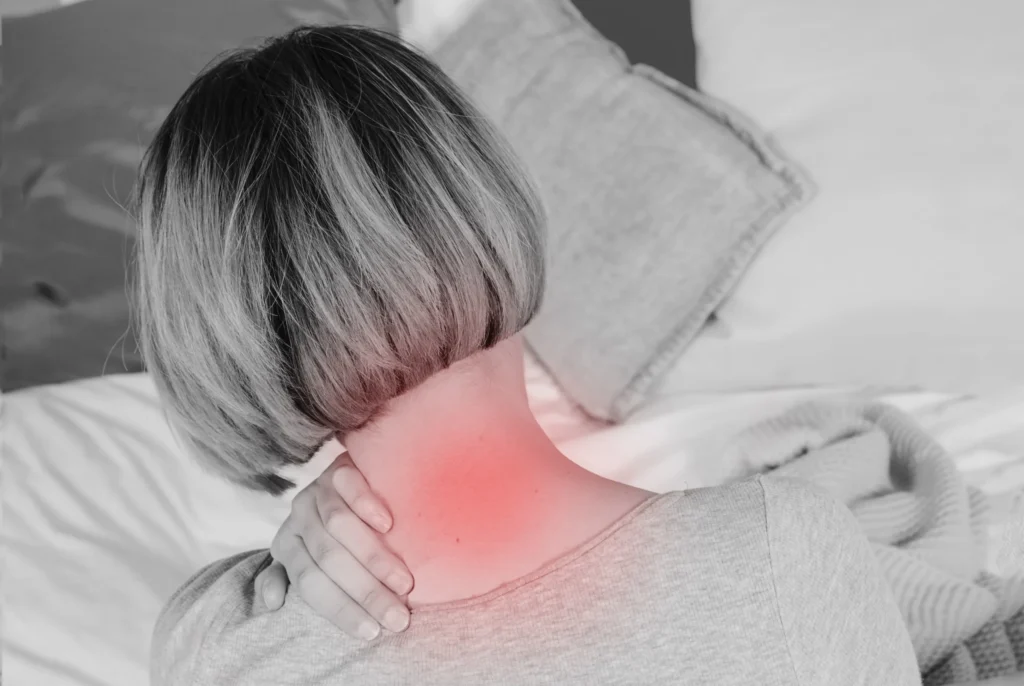
Most commonly, these are cervicogenic headaches, headaches that originate from the neck.
Clinical evidence suggests:
- Up to 15-20% of chronic headaches may be cervicogenic (PMC)
- They often start at the base of the skull and spread to the forehead or behind the eyes
Why Cracking Triggers the Pain
Here’s what’s happening inside your body:
1. Joint Irritation
Repeated cracking can overstimulate small joints (facet joints), causing inflammation → headache.
2. Muscle Guarding (Very Common)
After cracking:
- Neck muscles tighten to “protect” the joint
- This creates tension → headache within hours
3. Nerve Sensitization
Over-manipulation can irritate cervical nerves → referred pain to the head.
4. Instability Cycle (Important)
The more you crack:
- The looser some joints become
- The more your brain craves cracking
- The more headaches you get
5. Rare but Serious Causes
Although uncommon:
- Aggressive neck manipulation has been associated with vertebral artery injury in rare cases (PMC)
Signs Your Headache Is Due to Neck Cracking
You’re likely dealing with this if:
- Headache starts after cracking your neck
- Pain begins at base of skull
- Neck feels tight, sore, or unstable
- Headache worsens with neck movement
- Relief is temporary after cracking, then worse later
Condition-Specific Tips
If Headache Happens Immediately After Cracking
- Likely joint irritation
- Use:
- Ice (first 24 hours)
- Rest from neck movements
If Headache Starts After 1-3 Hours
- Likely muscle spasm
- Use:
- Heat therapy
- Gentle stretching
- Posture correction
If Headache Is Daily After Cracking Habit
- Likely cervical instability + muscle imbalance
- Requires:
- Structured physiotherapy program
- Strengthening (not stretching alone)
If Headache Comes With Dizziness or Vision Changes
- Seek medical help immediately
- Could indicate vascular involvement (rare but serious)
Treatment & Home Remedies for Headache After Neck Cracking
When a headache is triggered after cracking your neck, timing matters more than people realize.
What you do in the first few minutes vs after a few hours vs days later can completely change recovery.
Here’s a clear, clinically structured timeline plan you can follow.
0-30 Minutes After Neck Cracking (Immediate Phase)
What’s Happening
- Sudden joint irritation or micro-strain
- Early muscle guarding response
- Possible nerve sensitization
What To Do Immediately
1. Stop All Neck Manipulation
No more cracking, stretching, or forcing movement.
2. Apply Ice (If Pain Is Sharp or Sudden)
- Use cold pack for 10-15 minutes
- Especially helpful if:
- Pain started immediately
- Feels sharp or intense
This helps reduce inflammation in facet joints
3. Neutral Neck Position
- Sit or lie down with neck supported
- Avoid:
- Looking down at phone
- Sudden rotations
4. Gentle Breathing Relaxation
- Deep diaphragmatic breathing
- Reduces muscle guarding reflex
Avoid in This Phase
- Heat (if acute sharp pain)
- Stretching aggressively
- “Trying to crack again for relief”
30 Minutes-6 Hours (Early Reaction Phase)
What’s Happening
- Muscles begin tightening
- Trigger points may develop
- Headache may start spreading
What To Do
1. Switch to Heat (If Stiffness Appears)
- Warm compress for 15-20 minutes
- Helps relax tightening muscles
2. Start Gentle Mobility (Pain-Free Range Only)
- Slow neck rotations (small range)
- Side bending (very mild)
Goal: prevent stiffness without stressing joints
3. Hydration Boost
- Drink water or electrolyte fluids
- Dehydration worsens muscle tension
4. Posture Reset
- Sit upright
- Support lower back
- Screen at eye level
Avoid
- Gym workouts involving neck
- Sudden jerky movements
- Long screen time
6-24 Hours (Inflammation + Muscle Spasm Phase)
What’s Happening
- Muscle spasm peaks
- Headache becomes dull, spreading
- Neck stiffness increases
What To Do
1. Heat Therapy (Key Treatment)
- 2-3 times/day
- 15-20 minutes each
2. Start Basic Physiotherapy Exercises
Chin Tuck Activation
- Pull chin backward gently
- Hold 5 seconds × 10 reps
Shoulder Blade Setting
- Squeeze shoulder blades back
- Hold 5 seconds × 10 reps
3. Self Soft Tissue Release
- Use fingers or a tennis ball against wall
- Target:
- Upper trapezius
- Base of skull
This reduces trigger points causing headache
4. Sleep Smart
- Use medium-height pillow
- Sleep on back or side
- Avoid stomach sleeping
Avoid
- Cracking for “temporary relief”
- Heavy lifting
- Sleeping without neck support
24-72 Hours (Recovery Phase)
What’s Happening
- Pain stabilizes
- Muscles remain weak + tight
- Headache may recur with movement
What To Do
1. Progress Exercises (Very Important)
Add:
- Isometric neck holds
- Scapular strengthening
- Thoracic mobility exercises
2. Start Light Activity
- Walking
- Gentle daily movement
Movement improves circulation and healing
3. Correct Daily Posture Habits
- Phone at eye level
- Avoid slouching
- Break every 30-45 minutes
4. Warm Shower Therapy
- Warm water over neck for 10 minutes
- Relaxes deep muscles
Avoid
- Sudden return to gym
- Long sitting without breaks
3–7 Days (Stabilization Phase)
What’s Happening
- Pain reduces
- Underlying instability may remain
- Habit of cracking may return
What To Do
1. Strength Over Stretch
Focus on:
- Deep neck flexors
- Upper back muscles
This prevents recurrence
2. Break the Cracking Habit
Instead of cracking:
- Do chin tucks
- Roll shoulders
- Stretch chest
3. Ergonomic Correction
- Laptop stand
- External keyboard
- Back support chair
4. Stress Management
Stress increases neck tension → headaches
Try:
- Breathing exercises
- Short walks
- Relaxation routines
Beyond 1 Week (Chronic Pattern Prevention)
If Headaches Persist
This indicates:
- Cervical instability
- Muscle imbalance
- Poor posture habits
What To Do
Structured Physiotherapy Program
Includes:
- Manual therapy
- Strength training
- Posture correction
Weekly Progress Tracking
Ask:
- Am I cracking less?
- Is headache intensity reducing?
Lifestyle Corrections
- Sleep hygiene
- Screen habits
- Stress control
Summary
If Headache Is Immediate & Sharp
- Ice first 24 hours
- Rest
- Avoid movement
If Headache Is Delayed (1-3 Hours Later)
- Heat therapy
- Gentle mobility
- Muscle relaxation focus
If Headache Becomes Daily
- Stop cracking habit completely
- Start strengthening program
- Seek physiotherapy
If Headache Comes with Stiff Neck + Shoulder Pain
- Focus on scapular strengthening
- Add upper back mobility
If Headache Comes with Stress/Tension
- Combine:
- Heat
- Breathing
- Relaxation techniques
Lesser-Known Home Remedies That Actually Work
1. Magnesium-Rich Intake
- Helps muscle relaxation
- Found in:
- Nuts
- seeds
- leafy greens
2. Warm Salt Compress (Traditional but Effective)
- Improves circulation
- Reduces stiffness
3. Aromatherapy (Lavender / Peppermint Oil)
- Reduces tension headaches
- Apply diluted oil to temples
4. Hydration Timing Trick
- Drink water every 1-2 hours, not all at once
5. Jaw Relaxation Technique
Tight jaw = increased neck tension
- Keep tongue relaxed
- Avoid clenching teeth
Things To Strictly Avoid
1. Repeated Self-Cracking
Creates dependency and instability.
2. Forcing the “Pop”
The goal is movement, not sound.
3. Aggressive Stretching
Can worsen irritation.
4. Ignoring Posture
Forward head posture is a major root cause.
When To Seek Help Immediately
- Severe headache after cracking
- Dizziness or vertigo
- Blurred vision
- Numbness or weakness
Evidence-Based Physiotherapy Treatment Approach
Research supports that manual therapy + exercise is more effective than manipulation alone for cervicogenic headaches (PMC)
Phase 1: Pain Relief
- Heat therapy
- Soft tissue release
- Gentle mobilization
Phase 2: Stability Training
- Deep neck flexor strengthening
- Scapular stability exercises
Phase 3: Postural Correction
- Ergonomic adjustments
- Workstation correction
Phase 4: Habit Reversal
- Breaking the cracking cycle
Lesser-Known Facts
1. Cracking Gives “False Relief”
It reduces pressure briefly but doesn’t fix muscle imbalance.
2. You Can Become Addicted to Cracking
Your brain associates it with relief → repeated habit.
3. Neck Muscles Affect Balance
Fatigue in cervical muscles can affect posture and stability (arXiv)
4. Weak Neck Muscles = More Headaches
Strength, not flexibility, is the missing piece in most cases.
5. Women Are More Affected
Cervicogenic headaches are reported more frequently in women (PMC)
Long-Term Prevention Plan
Daily 5-Minute Routine
- Chin tucks- 10 reps
- Neck rotations- gentle
- Shoulder rolls- 10 reps
- Posture reset every 1 hour
Workstation Fix
- Screen at eye level
- Avoid looking down at phone
- Use chair with back support
Sleep Position Matters
- Use medium-firm pillow
- Avoid sleeping on stomach
Weekly Habit Check
Ask yourself:
- Am I cracking less?
- Is my posture improving?
- Are headaches reducing?
When To See a Physiotherapist
- Headaches persist >1 week
- Pain radiates to arm
- Tingling or numbness
- Frequent need to crack neck
Red Flags
Seek urgent care if you experience:
- Sudden severe headache
- Dizziness or fainting
- Blurred vision
- Difficulty speaking
My Clinical Insight
In my practice, I’ve seen people ignore this pattern more often than I’m comfortable with.
What starts as a harmless habit of cracking the neck for relief often turns into a cycle of dependence, instability, and chronic headaches.
The biggest mistake? Treating the symptom (tightness) instead of the cause (weakness + posture).
Physio Prescription
- Stop self-cracking immediately
- Start deep neck strengthening
- Correct posture daily
- Use heat + mobility instead of force
Myth vs Reality
Myth: Cracking relieves pressure permanently
Reality: It gives temporary relief but worsens long-term stability
Final Physiotherapist Insight
Headaches after neck cracking are rarely random.
They follow a predictable pattern of irritation → muscle spasm → instability.
If you manage it early (first 24 hours), recovery is fast.
If you ignore it, it turns into a chronic cycle.
The goal is not just relief, it’s breaking the habit and restoring stability.
Frequently Asked Questions
1. Why do I get a headache right after cracking my neck?
This usually happens due to sudden joint irritation or muscle spasm in the cervical spine, which can trigger a cervicogenic headache within minutes.
2. Is it normal to feel relief first and then get a headache later?
Yes, temporary relief is common, but the delayed headache occurs due to muscle tightening and joint stress after repeated cracking.
3. Can cracking my neck daily lead to chronic headaches?
Yes, frequent neck cracking can create instability and muscle imbalance, increasing the risk of recurring headaches over time.
4. How do I stop the urge to crack my neck constantly?
Replace the habit with chin tucks, posture correction, and regular movement breaks to reduce stiffness safely.
5. What is the fastest way to relieve a headache caused by neck cracking?
Apply heat, perform gentle neck exercises, hydrate well, and avoid further cracking for effective relief.
6. Should I use ice or heat for neck cracking headaches?
Use ice if pain is sudden and sharp, and switch to heat if stiffness and muscle tightness develop later.
7. When should I worry about a headache after cracking my neck?
Seek medical help if the headache is severe or comes with dizziness, blurred vision, or weakness.
8. Can poor posture make neck cracking headaches worse?
Absolutely. Forward head posture increases strain on neck joints and muscles, worsening headache frequency.
9. Are these headaches permanent or reversible?
They are usually reversible with proper physiotherapy, strengthening exercises, and habit correction.
10. Do I need physiotherapy for neck cracking headaches?
If headaches are frequent or persistent, physiotherapy is highly effective in treating the root cause and preventing recurrence.
Stay tuned with us for more health related topics.
Follow us on LinkedIn and Instagram for more.
More Read




Medical Disclaimer!
This article has been reviewed and written under the guidance of our Head Physiotherapist, Dr. Kruti Raj (PT, MUHS,CPT,CMPT). The information shared is intended for educational purposes only and should not be considered a substitute for personalized medical advice, diagnosis, or treatment.
Please consult us or any other qualified healthcare professional before beginning any exercise program, especially if you are experiencing pain, recovering from injury, or managing a medical condition.