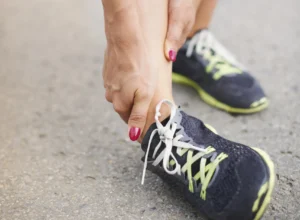
Pregnancy hip pain relief exercises often focuses on improving posture, reducing pelvic strain, and supporting safer movement during pregnancy.
Some women notice it slowly.
First, it is discomfort while getting out of bed.
Then stairs become annoying.
Then suddenly turning in bed at 2 a.m. feels like an Olympic event.
Others feel it much earlier.
A sharp ache in the outer hips after walking through the grocery store.
A deep pulling pain near the groin while putting on pants.
Sometimes it feels like the hips are “stuck.”
Sometimes they feel unstable.
Pregnancy hip pain is incredibly common, but many women are surprised by how much it affects sleep, movement, energy, and even mood.
And honestly, most online advice is repetitive.
Quick Answer
Pregnancy hip pain is commonly caused by pelvic pressure, muscle fatigue, changing posture, and reduced pelvic stability during pregnancy. Most women notice pain while sleeping, walking, climbing stairs, or turning in bed. Gentle strengthening exercises, better sleep support, movement modification, and physiotherapy-guided pelvic stability training can significantly reduce discomfort. Avoid over-stretching, prolonged standing on one leg, and sitting for long hours without movement breaks.
You have probably already read:
- “Use a pillow”
- “Stretch more”
- “Relaxin hormone causes pain”
- “Stay active”
Some of that helps. Some of it does not.
As a physiotherapist,
I can tell you pregnancy hip pain is usually more complex than one tight muscle or one loose joint.
It is often a combination of muscle fatigue, changing movement patterns, pelvic pressure, sleep position, reduced stability, and sometimes simply doing too much without realizing it.
The good news is that most women improve significantly once they understand what is actually irritating the hips and pelvis.
Key Takeaways
- Pregnancy hip pain often worsens during sleep, stair climbing, and movement transitions.
- Modern physiotherapy focuses more on pelvic stability and muscle coordination than excessive stretching.
- Weak glute muscles and altered walking patterns commonly increase pelvic stress during pregnancy.
- Side sleeping on the same hip every night may irritate outer hip muscles and tendons.
- Small movement modifications during daily activities can significantly reduce pain flare-ups.
- Supportive pillows, controlled strengthening exercises, and load management usually help more than complete rest.
- Some women experience hip pain because of pelvic floor tension, not just muscle weakness.
- Early physiotherapy support may reduce the risk of persistent postpartum pelvic pain.
Why Hip Pain Happens During Pregnancy
Your body changes quickly during pregnancy, even before the baby bump becomes obvious.
The hips and pelvis are forced to adapt to:
- Weight changes
- Shifting posture
- Hormonal changes
- Different walking mechanics
- Reduced balance
- Altered muscle coordination
For some women, the pain feels muscular.
For others, it feels deep inside the pelvis.
And interestingly, the location of pain often changes throughout pregnancy.
It Is Not Just About Relaxin
For years, pregnancy pain was blamed mostly on the hormone relaxin.
Relaxin does loosen ligaments, but newer research suggests the story is more complicated.
Many women with pelvic pain actually struggle more with muscle coordination, load management, nervous system sensitivity, and movement patterns rather than simply “loose joints.” (Wuytack et al. 2018)
That explains why two pregnant women at the same stage can feel completely different.
One may walk comfortably every day.
Another may struggle to roll over in bed.
The Hip Pain Most Women Notice at Night
This surprises many patients.
They feel okay during the day, but nighttime becomes miserable.
Usually this happens because:
- The outer hip muscles are compressed for hours while side sleeping
- The gluteal tendons become irritated
- Pelvic joints stiffen after staying still
- One side takes too much pressure repeatedly
A lot of women sleep on the same side every night because they are afraid to move.
Ironically, that sometimes worsens the pain.
Switching sides carefully during the night often helps more than people expect.
The “Turning in Bed” Pain Is Very Real
One of the biggest clues of pregnancy pelvic girdle pain is discomfort while:
- Rolling in bed
- Getting out of the car
- Climbing stairs
- Putting weight on one leg
- Wearing pants standing up
That pain usually points toward reduced pelvic load transfer.
In simple words, the pelvis is struggling to distribute force evenly.
This is why balancing on one leg often feels terrible during pregnancy.
Why Stretching Sometimes Makes Things Worse
This is something many women never hear.
Not all pregnancy hip pain comes from “tightness.”
Sometimes the problem is actually instability.
Aggressive stretching can occasionally irritate already sensitive pelvic joints, especially during late pregnancy when the body already has increased ligament laxity.
This is why modern physiotherapy focuses more on:
- Stability
- Muscle coordination
- Controlled movement
- Functional strength
rather than endless stretching. (Almutairi et al. 2024)
The Muscles That Usually Stop Working Properly
A lot of pregnant women unknowingly stop using their deep glute muscles properly.
The body compensates by:
- Overusing the lower back
- Tightening hip flexors
- Shifting weight unevenly
- Developing the classic “pregnancy waddle”
You may notice:
- Pain after standing too long
- Hip soreness while walking
- Fatigue in the lower back
- Difficulty climbing stairs
The gluteus medius muscle is especially important because it stabilizes the pelvis while walking.
When it becomes weak or delayed, the hips take extra stress.
A Lesser-Known Cause of Hip Pain: Pelvic Floor Tension
This is still under-discussed.
Some pregnant women with hip and pelvic pain do not actually have weak pelvic floor muscles.
They have overly tense pelvic floor muscles.
That tension can contribute to:
- Groin pain
- Deep hip pain
- Pelvic heaviness
- Pain with movement transitions
Recent pelvic health research has started exploring this connection more seriously. (Mørkved et al. 2024)
This is one reason generalized “Kegel everything” advice does not work for every pregnant woman.
What Usually Makes Pregnancy Hip Pain Worse
There are patterns I repeatedly see in clinic.
Sitting Too Long
Especially on soft couches.
The hips stiffen, glutes switch off, and standing up becomes painful.
Carrying a Toddler on One Side
This creates uneven pelvic loading for hours every day.
Many second-time mothers notice worse pelvic pain for this reason.
Standing with Weight Shifted to One Hip
A very common habit.
Over time, one side of the pelvis becomes overloaded.
Wearing Flat Unsupportive Slippers
Foot mechanics affect pelvic alignment more than people realize.
Overdoing Prenatal Workouts
Too much squatting, lunging, or stretching can irritate symptoms if stability is already poor.
What Actually Helps Pregnancy Hip Pain
Usually it is not one magical exercise.
It is a combination of small things done consistently.
Start With Load Management
This matters more than people expect.
Pain often improves when women stop repeatedly aggravating the pelvis throughout the day.
That may mean:
- Taking smaller steps
- Avoiding unnecessary stairs
- Sitting to get dressed
- Keeping knees together getting out of the car
- Avoiding standing on one leg
Tiny movement changes can reduce irritation dramatically.
Walking Helps Some Women and Worsens Others
This is important.
Walking is not automatically good or bad.
For some women:
- Walking reduces stiffness
- Activates support muscles
- Improves circulation
For others, especially with significant pelvic girdle pain, long walks flare symptoms badly.
A better rule is:
If pain continues worsening for hours afterward, the load was probably too much.
The Best Sleeping Setup for Hip Pain
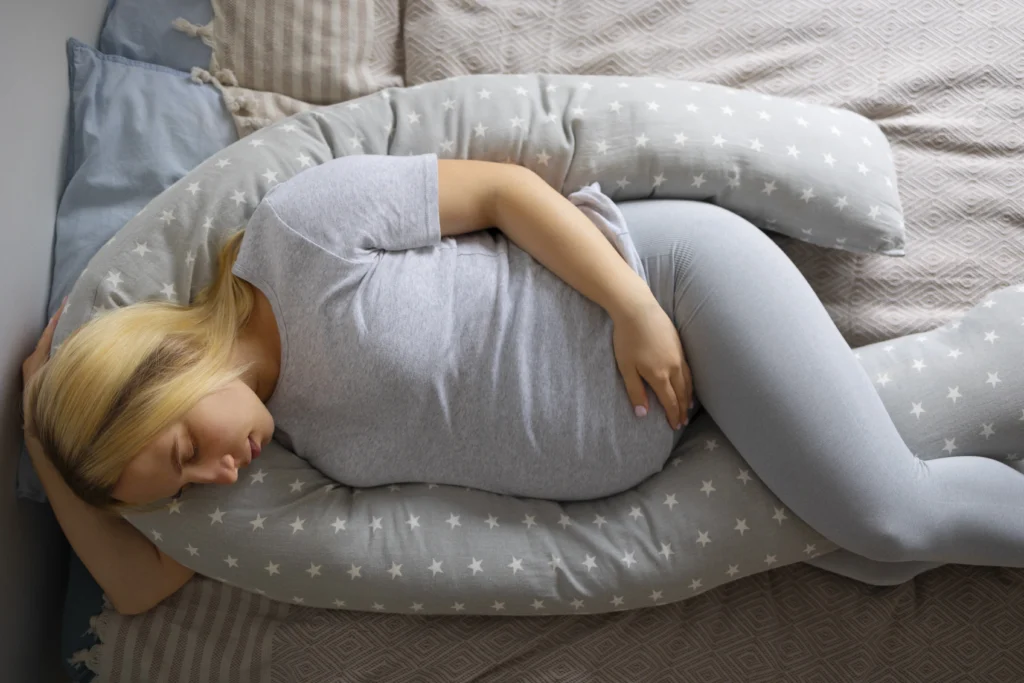
The pillow advice online is usually incomplete.
Placement matters.
Try:
- One pillow between knees
- One supporting the belly
- A small towel behind the lower back
- Slight bend in hips and knees
If outer hip pain is severe, a soft mattress topper sometimes helps more than an expensive pregnancy pillow.
Also, do not freeze in one position all night out of fear.
Gentle position changes are usually okay.
Physiotherapy Exercises That Tend to Help Most
The goal is support, not exhaustion.
These pregnancy hip pain relief exercises should feel controlled and manageable.
Clamshells
Still one of the best exercises when done properly.
They help activate the side glute muscles that stabilize the pelvis during walking.
Small movement is enough. Bigger is not better.
Supported Sit-to-Stand Practice
This sounds basic, but it retrains load transfer mechanics.
Focus on:
- Feet evenly planted
- Controlled standing
- Avoiding twisting
This becomes surprisingly useful during late pregnancy.
Pelvic Tilts
Pelvic Tilts are helpful for women who feel “stuck” or compressed in the lower back and pelvis.
Gentle motion works best.
Not aggressive movement.
Modified Glute Bridges
These can help if tolerated comfortably.
But forcing through pelvic pain is never the goal.
Side Step Walking With Resistance Band
Excellent for glute activation.
Many women feel more stable within a few weeks of consistent strengthening.
What Research Says About Exercise During Pregnancy
Exercise-based physiotherapy is strongly supported for pregnancy-related pelvic pain.
Research shows targeted stabilizing pregnancy hip pain relief exercises can improve:
- Pain
- Daily function
- Mobility
- Quality of life
More recent evidence also supports individualized exercise rather than generic stretching routines. (PMC)
The Emotional Side of Pregnancy Pain Is Real Too
This part matters.
Many women become anxious when movement starts hurting.
They worry:
- “Am I harming the baby?”
- “Should I stop exercising?”
- “Why am I hurting so early?”
- “Why does nobody talk about this?”
Pain can also create fear around movement, and research suggests fear-avoidance patterns may worsen pain sensitivity over time.
This is why reassurance and education matter alongside exercises.
Support Belts: Helpful or Overrated?
Honestly, both can be true.
Some women feel immediate relief from pelvic support belts.
Others hate them.
A properly fitted belt may help reduce strain during:
- Walking
- Standing
- Household tasks
But belts should support movement, not replace muscle activity entirely.
When Hip Pain Should Not Be Ignored
Pregnancy discomfort is common.
But severe pain should always be evaluated.
Speak with your healthcare provider if you have:
- Sudden severe pain
- Fever
- Numbness
- Leg weakness
- Swelling
- Inability to walk normally
- Loss of bladder control
Final Thoughts
Pregnancy hip pain can make ordinary things feel strangely difficult.
Rolling over in bed suddenly requires planning.
Carrying groceries feels heavier than expected.
Even standing in the kitchen too long becomes exhausting.
And yet many women are told:
“Pain is normal. Just deal with it.”
But there is a difference between common and manageable.
In most cases, the hips and pelvis respond well when:
- Movement patterns improve
- Muscles regain support function
- Sleep pressure decreases
- Daily strain is reduced
- Exercise becomes more targeted
Usually the goal is not perfect pain-free movement overnight.
It is helping the body feel supported again.
And honestly, once women understand what is irritating the pelvis in the first place, things often start improving much faster.
Gentle pregnancy hip pain relief exercises, posture support, and physiotherapy strategies can help improve pregnancy hip pain and daily comfort safely.
Frequently Asked Questions
1. Is hip pain common during pregnancy?
Yes, pregnancy hip pain is extremely common, especially during the second and third trimesters. Hormonal changes, pelvic pressure, muscle fatigue, and posture changes all contribute.
2. Why does pregnancy hip pain feel worse at night?
Side sleeping for long hours can place continuous pressure on the outer hip muscles and pelvic joints, making pain worse overnight.
3. Can walking help pregnancy hip pain?
Gentle walking helps some women by reducing stiffness and improving circulation, but excessive walking may worsen pelvic instability in others.
4. What exercises help pregnancy hip pain the most?
Glute strengthening exercises, pelvic tilts, side step walking, and stability-focused physiotherapy exercises usually help more than aggressive stretching.
5. Are pregnancy support belts useful?
Some women feel significant relief while walking or standing with pelvic support belts, especially during the third trimester.
6. Can poor posture worsen pregnancy hip pain?
Yes, standing with weight shifted onto one hip, prolonged sitting, and poor movement habits can increase pelvic strain and discomfort.
7. When should I see a physiotherapist for pregnancy hip pain?
You should seek professional help if pain affects sleep, walking, daily movement, or continues worsening despite home management.
8. Can pregnancy hip pain continue after delivery?
Yes, some women continue experiencing pelvic or hip pain postpartum if muscle weakness and pelvic instability are not addressed early.
Stay tuned with us for more health related topics.
Follow us on LinkedIn and Instagram for more.
More Read


Medical Disclaimer!
This article has been reviewed and written under the guidance of our Head Physiotherapist, Dr. Kruti Raj (PT, MUHS,CPT,CMPT). The information shared is intended for educational purposes only and should not be considered a substitute for personalized medical advice, diagnosis, or treatment.
Please consult us or any other qualified healthcare professional before beginning any exercise program, especially if you are experiencing pain, recovering from injury, or managing a medical condition.