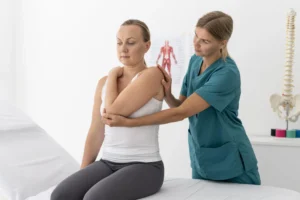
Why old injuries hurt during pregnancy ?
This is linked to the many changes your body goes through, including posture shifts, weight changes, and increased joint stress.
You injured your ankle playing sports years ago.
Your lower back pain disappeared long before you became pregnant.
That old tailbone injury from a fall seemed completely healed.
Then pregnancy happens.
Suddenly, an area that has been pain-free for years starts hurting again.
Many pregnant women are surprised when old injuries seem to come back without warning.
Quick Answer
Pregnancy can reactivate old injuries because hormonal changes, weight gain, postural adaptations, joint mobility changes, and increased physical demands place additional stress on areas that were injured in the past. This does not necessarily mean you have re-injured yourself. In many cases, pregnancy simply exposes previous weak links in the body’s movement and support systems.
As a women’s health physiotherapist, I hear this story frequently.
Women often tell me:
“I haven’t felt this pain in years.”
“My old knee injury suddenly hurts again.”
“Why is my previous back problem returning now?”
“Did I re-injure myself?”
The good news is that recurring pain during pregnancy does not necessarily mean you have caused new damage.
In many cases, pregnancy creates physical and hormonal changes that place additional stress on areas that were once injured.
Think of old injuries as the body’s previous weak links.
When pregnancy changes how your body moves, carries weight, and stabilizes itself, those weak links may become noticeable again.
Understanding why this happens can help reduce fear and make it easier to manage symptoms effectively.
Key Takeaways
- Pregnancy can cause old injuries to become painful again, even after years without symptoms.
- Hormonal changes affect ligaments, tendons, and joint stability throughout the body.
- Relaxin influences more than the pelvis and may affect previously injured areas.
- Weight gain changes how forces move through joints and muscles.
- Postural adaptations can place new stress on old injury sites.
- Previous back, knee, ankle, hip, pelvic, and tailbone injuries commonly flare up during pregnancy.
- Scar tissue may become more sensitive due to hormonal and biomechanical changes.
- Returning pain does not automatically mean a new injury has occurred.
- Fatigue, poor sleep, and stress can increase pain sensitivity.
- Physiotherapy can help manage symptoms and improve comfort during pregnancy.
Why Old Injuries Sometimes Return During Pregnancy
Pregnancy is one of the most significant physical transformations the human body experiences.
Virtually every system adapts.
These changes include:
- Weight gain
- Postural changes
- Hormonal shifts
- Altered movement patterns
- Increased joint stress
- Changes in muscle function
Each of these factors can influence previously injured tissues.
The Body Remembers Previous Injuries
Even when pain disappears, tissues may not function exactly as they did before the injury occurred.
Old injuries can leave behind:
- Scar tissue
- Muscle imbalances
- Reduced mobility
- Altered movement patterns
- Areas of increased sensitivity
Most of the time these changes cause no problems.
Pregnancy, however, can place new demands on these areas.
Why Symptoms Suddenly Appear
Pregnancy often increases stress on structures that were already challenged in the past.
As a result, symptoms that have been dormant for years may reappear.
The Hormonal Changes Behind Recurring Pain
One of the biggest reasons old injuries can become noticeable again is hormonal change. (Michaeli et al. 2015)
Pregnancy Hormones Affect The Entire Body
Hormones do much more than support fetal growth.
They also influence:
- Ligaments
- Tendons
- Connective tissues
- Joint stability
These changes help prepare the body for childbirth.
However, they can also affect previously injured areas.
Stability Changes Throughout Pregnancy
As hormones increase, joints may become slightly more mobile.
For healthy tissues, this is usually manageable.
For previously injured tissues, additional mobility can sometimes increase symptoms.
How Relaxin Affects Previously Injured Areas
One hormone that receives considerable attention during pregnancy is relaxin.
What Is Relaxin?
Relaxin helps prepare the body for childbirth by increasing flexibility within connective tissues.
Many people think relaxin only affects the pelvis.
That is not entirely true.
Relaxin Works Throughout The Body
Research suggests relaxin can influence connective tissues in multiple regions.
This means that:
- Knees
- Ankles
- Hips
- Lower back
- Shoulders
may all experience subtle changes.
Why Old Injuries Notice These Changes First
Previously injured tissues often have less reserve capacity than healthy tissues.
When stability changes occur, these areas may become symptomatic sooner.
The Impact Of Pregnancy Weight Gain
Weight gain is a normal and necessary part of pregnancy.
However, additional body weight changes how forces travel through the body.
Every Step Carries More Load
As pregnancy progresses:
- Joints absorb more force
- Muscles work harder
- Balance becomes more challenging
This increased load can affect areas that have been injured before.
A Simple Example
Imagine a bridge that has undergone repairs.
The bridge functions perfectly under normal traffic.
If traffic volume increases significantly, the repaired section may experience stress before other areas.
Old injuries often behave similarly.
How Posture Changes During Pregnancy
Pregnancy gradually changes posture.
These changes occur because the growing baby shifts the body’s center of gravity.
The Center Of Gravity Moves Forward
As the abdomen grows:
- The lower back often arches more
- The pelvis changes position
- The rib cage adapts
- Balance strategies change (pradip et al. 2022)
Why This Matters
Even small postural adjustments can alter how forces move through the body.
For women with previous injuries, these changes may increase stress on vulnerable areas.
The Entire System Adapts
Pregnancy is not simply a change in the belly.
It is a whole-body biomechanical adaptation.
Why Previous Back Injuries Often Return
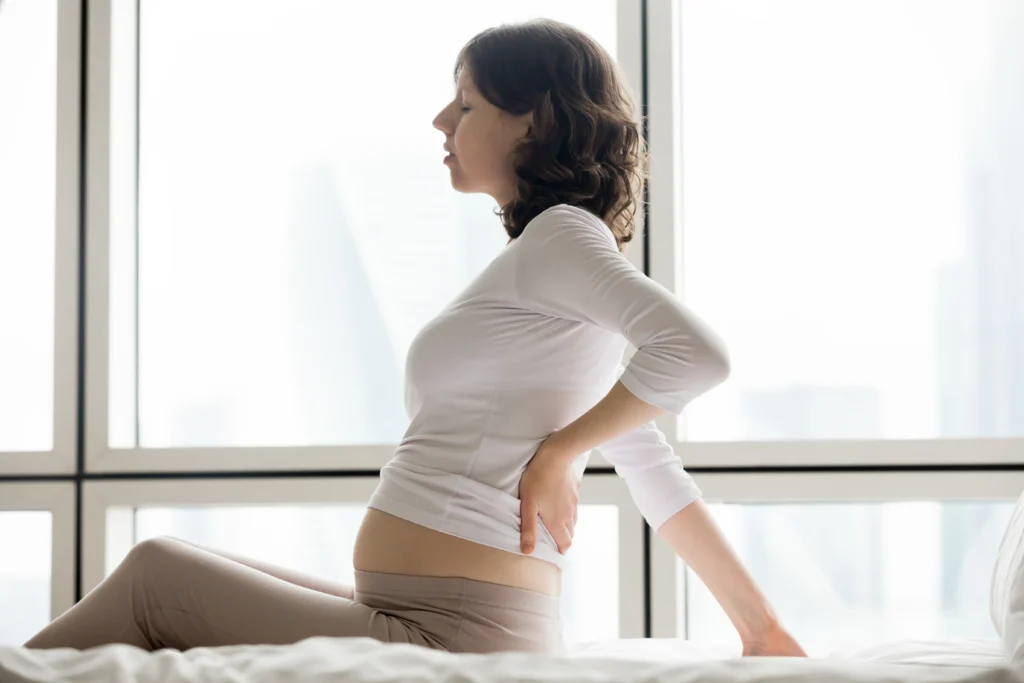
Lower back injuries are among the most common complaints I see during pregnancy.
The Back Is Under New Demands
The spine must adapt to:
- Increased body weight
- Changes in posture
- Altered muscle function
- Ligament changes
Previous Injuries May Be More Sensitive
An old back injury may already have:
- Reduced mobility
- Previous disc irritation
- Muscle weakness
- Scar tissue
Pregnancy may expose these vulnerabilities.
Pain Does Not Mean Damage
Many women assume returning back pain means they have injured their back again.
This is often not the case.
Increased sensitivity does not automatically indicate new injury.
Old Knee And Ankle Injuries During Pregnancy
Back pain is not the only issue that may return.
Old knee and ankle injuries are also common.
Why Ankles Matter
A previous ankle injury may affect:
- Balance
- Walking mechanics
- Joint stability
These changes can influence the entire movement chain.
The Chain Reaction Effect
An old ankle injury may contribute to:
- Knee discomfort
- Hip pain
- Lower back strain
especially when pregnancy changes movement patterns.
Increased Joint Loading
As body weight increases, knees and ankles often absorb greater forces.
This may make old injuries more noticeable.
Did You Know?
An ankle sprain from years ago can sometimes contribute to pregnancy-related knee, hip, or back pain. This happens because old injuries may subtly change the way you walk and move, creating a chain reaction throughout the body as pregnancy alters your posture and balance.
Can Scar Tissue Become Sensitive Again?
One lesser-known explanation involves scar tissue.
What Happens After Injury?
Healing often produces scar tissue.
Scar tissue is normal and important.
Why Pregnancy May Change Sensitivity
Hormonal changes, fluid retention, and altered biomechanics may affect how scar tissue behaves.
Some women notice:
- Tightness
- Pulling sensations
- Increased sensitivity
around previous injury sites.
This Is Usually Temporary
These changes often improve after pregnancy and postpartum recovery.
Pain Does Not Always Mean Re-Injury
This may be the most important message in the entire article.
Pain And Damage Are Not The Same Thing
Modern pain science shows that pain can increase even when tissues are not being harmed.
Pregnancy Creates A Sensitive Environment
Factors that may increase sensitivity include:
- Fatigue
- Hormonal changes
- Poor sleep
- Physical strain
- Stress
These influences may amplify symptoms from old injuries.
Context Matters
Returning pain deserves attention, but it does not automatically mean new damage has occurred.
Why Fatigue Can Make Old Injuries Feel Worse
Pregnancy places enormous demands on energy reserves.
Muscles Become Less Efficient When Tired
Fatigue can affect:
- Posture
- Movement quality
- Joint support
Compensation Patterns Return
When people become tired, they often revert to old movement habits.
If those habits were associated with a previous injury, symptoms may become more noticeable.
Sleep Matters Too
Poor sleep can increase pain sensitivity throughout the body.
This is one reason old injuries sometimes feel worse during periods of disrupted sleep.
Calculate your ideal sleep timings here: “Sleep Calculator“
A Physiotherapist’s Perspective On Recurring Injuries
One of the first things I tell pregnant women is not to panic.
Old pain returning does not automatically mean something is wrong.
Look At The Bigger Picture
Consider:
- Sleep quality
- Activity levels
- Stress
- Posture
- Daily workload
These factors often contribute to symptom flare-ups.
Pregnancy Reveals Weak Links
Rather than creating entirely new problems, pregnancy often highlights areas that may already need support.
The Goal Is Not To Avoid Movement
Appropriate movement remains one of the best tools for managing discomfort.
Simple Ways To Reduce Flare-Ups
Several strategies may help reduce recurring symptoms.
Stay Physically Active
Appropriate exercise can support:
- Joint stability
- Muscle strength
- Circulation
- Comfort
Avoid Long Periods In One Position
Changing positions regularly may reduce strain on sensitive areas.
Support Good Sleep Habits
Improved sleep often improves pain tolerance.
Address Symptoms Early
Small discomforts are often easier to manage before they become severe.
Seek Individual Advice
Every injury history is unique.
Personalized guidance is often valuable.
Physiotherapist’s Advice
If an old injury starts bothering you during pregnancy, don’t assume you have caused new damage. Focus on maintaining movement, improving posture, supporting sleep quality, and addressing symptoms early. Small adjustments often prevent minor flare-ups from becoming major discomforts.
When To Seek Professional Help
Although recurring symptoms are common, some situations require assessment.
Seek professional advice if you experience:
- Severe pain
- Progressive weakness
- Significant mobility loss
- Numbness
- Symptoms affecting daily activities
Early intervention often leads to better outcomes.
Final Thoughts
Pregnancy asks your body to adapt in extraordinary ways.
Your posture changes.
Your weight distribution changes.
Your hormones change.
Your movement patterns change.
Under these new conditions, old injuries sometimes remind you that they existed.
As a physiotherapist,
I encourage women to view these symptoms as useful information rather than a reason for alarm.
In many cases, pregnancy is simply revealing an area that may need additional support, strengthening, or attention.
Most importantly, remember that recurring pain does not necessarily mean you are damaging your body.
Often, it is simply the result of a remarkable body adjusting to one of life’s greatest physical transformations.
With the right support, most women can continue moving, exercising, and enjoying pregnancy while successfully managing these temporary flare-ups.
Frequently Asked Questions About Old Injuries During Pregnancy
Why is my old injury hurting again during pregnancy?
Pregnancy changes hormones, posture, joint stability, and body weight distribution, which can increase stress on areas that were previously injured.
Does recurring pain mean I have re-injured myself?
Not necessarily. Many pregnancy-related flare-ups occur because tissues become more sensitive or are exposed to new physical demands, not because of new damage.
Can pregnancy hormones affect old injuries?
Yes. Hormones such as relaxin influence connective tissues and may affect stability around previously injured joints.
Which old injuries commonly flare up during pregnancy?
Previous back injuries, ankle sprains, knee injuries, pelvic injuries, tailbone injuries, and neck problems are among the most common.
Can scar tissue become painful during pregnancy?
Yes. Hormonal changes, fluid retention, and altered biomechanics may increase sensitivity around old scar tissue.
Why does fatigue make old injuries feel worse?
Fatigue can reduce muscle support, alter movement patterns, and increase pain sensitivity throughout the body.
Can physiotherapy help with recurring injury pain during pregnancy?
Yes. Physiotherapy can help address posture, movement patterns, muscle support, and pain management strategies.
Will the pain go away after pregnancy?
Many women experience significant improvement after delivery as hormones, posture, and body mechanics gradually return closer to pre-pregnancy patterns.
Stay tuned with us for more health related topics.
Follow us on LinkedIn and Instagram for more.
More Read


Medical Disclaimer!
This article has been reviewed and written under the guidance of our Head Physiotherapist, Dr. Kruti Raj (PT, MUHS,CPT,CMPT). The information shared is intended for educational purposes only and should not be considered a substitute for personalized medical advice, diagnosis, or treatment.
Please consult us or any other qualified healthcare professional before beginning any exercise program, especially if you are experiencing pain, recovering from injury, or managing a medical condition.