


If you’re experiencing Heavy Periods Every Month, understanding the possible causes is the first step toward finding the right treatment.
Many women assume that having very heavy periods is simply something they have to live with.
They may plan their daily activities around their menstrual cycle, avoid travelling during their periods, wake up multiple times at night to change sanitary protection, or experience constant fatigue due to excessive blood loss.
Unfortunately, because heavy periods often develop gradually, many women don’t realize that what they’re experiencing is not normal.
Quick Answer
Heavy periods (menorrhagia) refer to menstrual bleeding that is excessive enough to affect your daily life. Signs include bleeding for more than seven days, soaking through a pad or tampon every one to two hours, passing large blood clots, or needing to change menstrual products during the night. Heavy periods can result from hormonal imbalances, fibroids, adenomyosis, endometriosis, bleeding disorders, or other medical conditions. Early diagnosis and treatment can help prevent complications such as iron-deficiency anemia and improve your quality of life.
Heavy menstrual bleeding (HMB), also known as menorrhagia, is one of the most common reasons women seek gynecological care.
It affects women of all ages after puberty and can significantly impact work, education, exercise, relationships, and overall quality of life.
Heavy periods are not a disease themselves but rather a symptom that may result from:
hormonal imbalances, uterine fibroids, adenomyosis, endometriosis, bleeding disorders, thyroid disease, or other underlying conditions.
In some women, no specific cause is identified.
As a physiotherapist,
I often meet women who seek treatment for chronic pelvic pain or lower back pain, only to discover that untreated heavy menstrual bleeding has contributed to fatigue, reduced physical activity, muscle weakness, and poor quality of life.
Understanding what qualifies as a heavy period is the first step toward seeking appropriate care.
Evidence: The National Institute for Health and Care Excellence (NICE) defines heavy menstrual bleeding as excessive menstrual blood loss that interferes with a woman’s physical, social, emotional, and/or material quality of life, regardless of the exact volume of blood lost (National Institute for Health and Care Excellence (NICE))
Key Takeaways
- Heavy periods are defined by their impact on your quality of life, not just the amount of blood loss.
- Bleeding lasting longer than seven days, soaking through pads every one to two hours, or passing large clots should not be ignored.
- Common causes include fibroids, adenomyosis, endometriosis, hormonal imbalances, thyroid disorders, and bleeding disorders.
- Untreated heavy periods can lead to iron-deficiency anemia, fatigue, and reduced physical function.
- Effective treatments include medications, iron therapy, minimally invasive procedures, and surgery when appropriate.
- Women’s health physiotherapy can help manage associated pelvic pain, lower back pain, fatigue, and improve overall quality of life.
What Are Heavy Periods (Menorrhagia)?
Heavy menstrual bleeding is more than simply having a “strong flow.”
Doctors now focus less on measuring the exact amount of menstrual blood and more on how the bleeding affects your quality of life.
Heavy periods may interfere with:
- Work or school attendance
- Exercise and sports
- Sleep
- Social activities
- Travel
- Emotional well-being
- Sexual health
For example, if you frequently need to leave meetings to change sanitary products, avoid leaving home during your period, or feel exhausted due to blood loss,
your menstrual bleeding may be considered heavy even if you have never measured the amount of blood lost.
This patient-centered approach is now widely recommended because estimating menstrual blood volume accurately is difficult outside research settings.
How Much Menstrual Bleeding Is Considered Normal?
A typical menstrual period lasts between 2 and 7 days, with most women bleeding for about 4 to 6 days.
Although medical textbooks traditionally describe normal menstrual blood loss as approximately 30 – 40 mL per cycle, this is difficult to measure in everyday life.
Instead, healthcare providers assess your symptoms and how much your bleeding disrupts your normal routine.
Signs of a generally normal menstrual flow include:
- Bleeding lasting no more than seven days.
- Changing sanitary protection every three to four hours.
- Passing few or no large blood clots.
- Minimal disruption to work, school, or daily activities.
- No symptoms of anemia such as fatigue or dizziness.
Remember that “normal” varies between individuals.
The key question is whether your menstrual bleeding has changed or is affecting your quality of life.
Signs and Symptoms of Heavy Periods
Heavy menstrual bleeding can present in different ways.
You do not need to experience every symptom for your periods to be considered heavy.
Common signs include:
- Bleeding lasting longer than seven days.
- Soaking through one or more pads or tampons every one to two hours.
- Needing to use both a tampon and a sanitary pad at the same time.
- Waking up at night to change menstrual protection.
- Passing blood clots larger than approximately 2.5 cm (about the size of a coin).
- Bleeding through clothing or bedding.
- Feeling tired, weak, or short of breath due to iron-deficiency anemia.
- Avoiding work, school, exercise, or social events because of menstrual bleeding.
If these symptoms occur regularly, they should be discussed with a healthcare professional rather than accepted as a normal part of menstruation.
Common Causes of Heavy Menstrual Bleeding
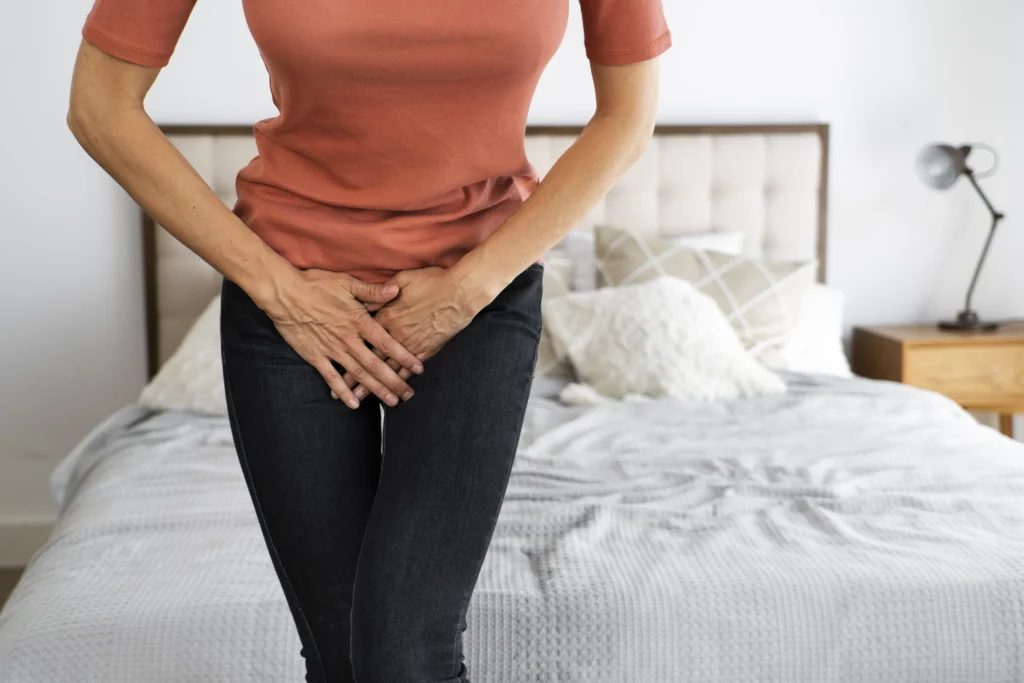
Heavy periods can occur for many different reasons.
Sometimes a single cause is identified, while in other cases multiple factors contribute.
1. Hormonal Imbalances
Changes in estrogen and progesterone levels can interfere with the normal shedding of the uterine lining, resulting in heavier or prolonged bleeding.
Hormonal fluctuations are particularly common during adolescence and the years leading up to menopause.
2. Uterine Fibroids
Fibroids are non-cancerous growths that develop within the muscular wall of the uterus.
Depending on their size and location, they may cause:
- Heavy periods
- Pelvic pressure
- Frequent urination
- Lower back pain
- Prolonged menstrual bleeding
3. Adenomyosis
Adenomyosis occurs when tissue similar to the uterine lining grows into the muscular wall of the uterus.
Common symptoms include:
- Heavy menstrual bleeding
- Severe cramping
- Pelvic pain
- Lower back pain
- Enlarged uterus
4. Endometriosis
Although endometriosis is most commonly associated with pelvic pain, some women also experience heavy or irregular menstrual bleeding.
Symptoms may include:
- Severe period pain
- Pain during intercourse
- Painful bowel movements
- Chronic pelvic pain
- Difficulty becoming pregnant
5. Bleeding Disorders
Inherited bleeding disorders, such as von Willebrand disease, may first become apparent during adolescence when menstrual periods begin.
Women with bleeding disorders often experience:
- Heavy periods from the first menstrual cycle onward
- Easy bruising
- Frequent nosebleeds
- Prolonged bleeding after dental work or surgery
6. Thyroid Disorders
Both an underactive and overactive thyroid can disrupt the menstrual cycle, sometimes leading to heavier or irregular periods.
7. Certain Medications
Some medications may increase menstrual bleeding, including:
- Blood-thinning medications (anticoagulants)
- Certain hormonal medications
- Copper intrauterine devices (in some women)
8. Pregnancy-Related Complications
Heavy vaginal bleeding during pregnancy is not considered a normal menstrual period and requires immediate medical assessment.
Evidence: Heavy menstrual bleeding may result from structural conditions such as fibroids and adenomyosis, hormonal causes, bleeding disorders, medications, or systemic diseases. A careful history and examination help determine the underlying cause and guide treatment (Sriprasert et al. 2017)
Normal Period vs Heavy Period
| Feature | Normal Period | Heavy Period (Menorrhagia) |
|---|---|---|
| Duration | 2 – 7 days | More than 7 days |
| Pad/Tampon Changes | Every 3 – 4 hours | Every 1 – 2 hours or sooner |
| Blood Clots | Small or none | Frequent large clots |
| Night-Time Changes | Rare | Often required |
| Effect on Daily Life | Minimal | Significant disruption |
| Risk of Anemia | Low | Increased |
| Medical Review | Usually not needed | Recommended if persistent |
10 Warning Signs of Heavy Periods You Should Never Ignore
Although heavy menstrual bleeding is common, it should never be considered normal if it begins affecting your health or daily life.
The following warning signs may indicate an underlying medical condition that requires prompt evaluation.
1. Your Period Lasts Longer Than Seven Days
A normal menstrual period usually lasts between two and seven days.
Bleeding that continues beyond seven days is considered prolonged and should be assessed by a healthcare professional.
2. You Soak Through a Pad or Tampon Every Hour
Needing to change a fully soaked pad or tampon every hour for two or more consecutive hours is one of the most significant signs of heavy menstrual bleeding.
This level of bleeding can quickly lead to excessive blood loss and increases the risk of iron-deficiency anemia.
3. You Pass Large Blood Clots
Passing occasional small clots can be normal.
However, frequent clots larger than approximately 2.5 cm (about the size of a coin) may indicate excessive menstrual bleeding and should not be ignored.
4. You Need Double Protection
If you regularly need to use both a tampon and a sanitary pad together or frequently experience leakage despite adequate protection, your menstrual flow may be abnormally heavy.
5. You Wake Up During the Night to Change Menstrual Products
Getting up multiple times every night to change sanitary protection is another common indicator that menstrual bleeding is heavier than expected.
6. Your Period Stops You From Living Normally
Heavy periods should not prevent you from:
- Going to work
- Attending school or college
- Exercising
- Travelling
- Participating in social activities
If your menstrual cycle consistently limits your normal routine, medical evaluation is recommended.
7. You Feel Constantly Tired or Dizzy
Chronic heavy menstrual bleeding is one of the leading causes of iron-deficiency anemia in women of reproductive age.
Symptoms of anemia include:
- Fatigue
- Weakness
- Dizziness
- Shortness of breath
- Headaches
- Difficulty concentrating
- Pale skin
If you experience these symptoms, your healthcare provider may recommend blood tests to assess your iron levels.
8. Heavy Bleeding Is Accompanied by Severe Pelvic Pain
Heavy bleeding combined with severe menstrual cramps, chronic pelvic pain, painful intercourse, or lower back pain may indicate conditions such as:
endometriosis or adenomyosis rather than a normal menstrual cycle.
9. Your Periods Suddenly Become Much Heavier
A sudden change in menstrual flow should always be investigated.
Possible causes include:
- Fibroids
- Hormonal imbalance
- Thyroid disorders
- Endometrial polyps
- Pregnancy-related complications
- Certain medications
10. Heavy Periods Affect Your Emotional Well-Being
Many women with heavy periods experience:
- Anxiety about leakage
- Embarrassment
- Sleep disturbance
- Reduced confidence
- Social isolation
Heavy menstrual bleeding can significantly impact emotional health and overall quality of life.
Seeking treatment can improve both physical and psychological well-being.
Evidence: The International Federation of Gynecology and Obstetrics (FIGO) recommends evaluating women with abnormal uterine bleeding using the PALM-COEIN classification system to identify structural and non-structural causes and guide appropriate treatment (Mishra et al. 2016).
Medical Conditions That Can Cause Heavy Periods
Heavy menstrual bleeding is often a symptom rather than a disease itself.
Identifying the underlying cause helps healthcare providers recommend the most appropriate treatment.
Uterine Fibroids
Fibroids are benign tumors that develop within the muscular wall of the uterus.
Depending on their size and location, fibroids may cause:
- Heavy or prolonged periods
- Pelvic pressure
- Frequent urination
- Constipation
- Lower back pain
- Difficulty becoming pregnant
Submucosal fibroids, which grow inside the uterine cavity, are particularly associated with excessive menstrual bleeding.
Adenomyosis
Adenomyosis occurs when tissue similar to the uterine lining grows into the muscular wall of the uterus.
Women with adenomyosis commonly experience:
- Heavy menstrual bleeding
- Severe menstrual cramps
- Pelvic pressure
- Enlarged uterus
- Lower back pain
Symptoms often become more noticeable in women aged 35–50 years but may occur earlier.
Endometriosis
Although endometriosis is primarily known for causing severe pelvic pain, some women also experience heavy or irregular menstrual bleeding.
Associated symptoms include:
- Pain before and during periods
- Pain during intercourse
- Painful bowel movements
- Chronic pelvic pain
- Infertility
Polycystic Ovary Syndrome (PCOS)
Women with PCOS often experience irregular ovulation.
After several months without a period, the uterine lining may become unusually thick, leading to very heavy bleeding when menstruation eventually occurs.
Bleeding Disorders
Inherited bleeding disorders such as von Willebrand disease can cause heavy menstrual bleeding from adolescence.
Doctors may suspect a bleeding disorder if heavy periods are accompanied by:
- Frequent nosebleeds
- Easy bruising
- Excessive bleeding after surgery
- Family history of bleeding disorders
Thyroid Disorders
Both hypothyroidism and hyperthyroidism can affect hormone regulation and menstrual cycles, resulting in unusually heavy or prolonged bleeding.
Endometrial Polyps
Small benign growths within the uterine lining can contribute to:
- Heavy menstrual bleeding
- Bleeding between periods
- Irregular menstrual cycles
Although most polyps are non-cancerous, they should be evaluated by a gynecologist.
Who Is at Higher Risk?
Certain factors increase the likelihood of developing heavy menstrual bleeding.
Risk factors include:
- Age approaching menopause
- Adolescence after the first menstrual period
- Hormonal imbalance
- Obesity
- Polycystic ovary syndrome
- Uterine fibroids
- Adenomyosis
- Endometriosis
- Thyroid disease
- Bleeding disorders
- Family history of heavy menstrual bleeding
- Use of anticoagulant medications
Having one or more of these risk factors does not necessarily mean you will develop heavy periods, but they do increase your overall risk.
When Should You See a Doctor?
Arrange an appointment with your healthcare provider if you:
- Bleed for more than seven days.
- Soak through one pad or tampon every hour.
- Pass frequent large blood clots.
- Feel dizzy, weak, or excessively tired.
- Experience severe pelvic pain with heavy bleeding.
- Develop sudden changes in your menstrual pattern.
- Notice bleeding after menopause.
- Experience bleeding between periods.
- Have difficulty becoming pregnant.
- Find that your periods interfere with work, school, exercise, or daily activities.
Early diagnosis allows many underlying conditions to be treated before complications such as severe anemia, chronic pelvic pain, or fertility problems develop.
Evidence: The American College of Obstetricians and Gynecologists recommends that heavy menstrual bleeding be evaluated to identify underlying causes such as structural uterine abnormalities, ovulatory disorders, bleeding disorders, medications, or systemic diseases, enabling treatment that is tailored to the individual’s condition and reproductive goals.
Myth vs Fact
Myth
Fact
Heavy periods are normal if they run in your family.
Heavy menstrual bleeding should always be evaluated if it affects your daily life or causes symptoms of anemia.
Passing large blood clots during every period is normal.
Frequent large clots may indicate excessive menstrual bleeding or an underlying gynecological condition.
Heavy periods only affect reproductive health.
Heavy bleeding can cause iron-deficiency anemia, fatigue, poor concentration, reduced work performance, and emotional distress.
Surgery is the only treatment for heavy periods.
Many women can successfully manage heavy menstrual bleeding with medications, hormonal therapy, and minimally invasive treatments.
How Are Heavy Periods Diagnosed?
If you experience heavy menstrual bleeding that interferes with your daily life, your healthcare provider will perform a thorough evaluation to identify the underlying cause.
Early diagnosis is important because heavy periods may be associated with conditions such as:
fibroids, adenomyosis, endometriosis, hormonal imbalances, bleeding disorders, or, in rare cases, endometrial abnormalities.
Medical History
Your doctor will begin by asking questions about:
- The duration and frequency of your menstrual cycle.
- How many pads or tampons you use each day.
- Whether you pass large blood clots.
- Whether your periods interfere with work or daily activities.
- Pelvic pain or severe menstrual cramps.
- Bleeding between periods or after intercourse.
- Pregnancy history.
- Current medications.
- Family history of heavy menstrual bleeding or bleeding disorders.
Keeping a menstrual diary or using a period-tracking app for two to three months can provide valuable information for diagnosis.
Physical Examination
A physical examination may include:
- Abdominal examination.
- Pelvic examination.
- Assessment for an enlarged uterus.
- Evaluation for pelvic tenderness.
- Assessment of signs of anemia such as pale skin or increased heart rate.
Blood Tests
Blood investigations may include:
- Complete blood count (CBC) to check for anemia.
- Iron studies.
- Thyroid function tests.
- Pregnancy test, when appropriate.
- Blood clotting tests if a bleeding disorder is suspected.
Imaging Tests
Your healthcare provider may recommend imaging studies such as:
- Pelvic ultrasound
- Transvaginal ultrasound
- Saline infusion sonography (when indicated)
- MRI for complex cases involving adenomyosis or deep pelvic disease
These investigations help identify structural abnormalities such as fibroids, adenomyosis, ovarian cysts, or endometrial polyps.
Endometrial Biopsy
In selected women, particularly those over 45 years of age or those with risk factors for endometrial cancer, an endometrial biopsy may be recommended to examine the uterine lining.
This procedure helps rule out precancerous or cancerous changes.
Evidence: International guidelines recommend a structured evaluation of heavy menstrual bleeding using a detailed clinical history, physical examination, laboratory investigations, and imaging to identify the underlying cause before selecting treatment. (Heavy menstrual bleeding: assessment and management. London: National Institute for Health and Care Excellence)
Treatment Options for Heavy Periods
Treatment depends on the underlying cause, your age, symptom severity, future pregnancy plans, and overall health.
Medications
Your doctor may recommend:
- Non-steroidal anti-inflammatory drugs (NSAIDs)
- Tranexamic acid
- Hormonal contraceptive pills
- Progesterone therapy
- Levonorgestrel-releasing intrauterine system (LNG-IUS)
These treatments can help reduce menstrual blood loss and improve quality of life.
Iron Supplementation
Women who develop iron-deficiency anemia may require:
- Oral iron supplements
- Dietary modifications
- Intravenous iron in severe cases
Correcting anemia helps improve energy levels, exercise tolerance, and overall well-being.
Surgical Treatments
If medications are ineffective or structural abnormalities are present, surgical treatment may be considered.
Possible procedures include:
- Hysteroscopic polyp removal
- Fibroid removal (myomectomy)
- Endometrial ablation (for selected women who do not wish to become pregnant)
- Hysterectomy in severe cases when other treatments have failed
The choice of treatment depends on individual circumstances and should always be discussed with a gynecologist.
Can Physiotherapy Help?
Many people are surprised to learn that physiotherapy can play an important supportive role in women experiencing heavy menstrual bleeding,
particularly when it is associated with pelvic pain, lower back pain, fatigue, or reduced physical activity.
As a women’s health physiotherapist, the primary goals are to improve movement, reduce pain, restore physical function, and help women return to their normal daily activities.
Physiotherapy may include:
Pelvic Floor Assessment
Heavy periods are frequently associated with chronic pelvic pain and increased pelvic floor muscle tension.
Assessment helps identify muscle tightness, weakness, or poor coordination that may contribute to pain and reduced quality of life.
Therapeutic Exercise
An individualized exercise program may include:
- Core strengthening
- Hip strengthening
- Flexibility exercises
- Low-impact aerobic exercise
- Functional movement training
Regular exercise may also improve energy levels and reduce fatigue associated with heavy menstrual bleeding.
Pain Management
Women experiencing heavy periods together with pelvic pain may benefit from:
- Heat therapy
- Gentle stretching
- Relaxation exercises
- Breathing techniques
- Postural correction
Fatigue Management
Heavy menstrual bleeding often causes iron-deficiency anemia, leading to fatigue and reduced endurance.
A physiotherapist can help gradually rebuild physical fitness while respecting the individual’s energy levels and recovery capacity.
Lifestyle and Dietary Tips
Healthy lifestyle habits can support medical treatment and improve overall menstrual health.
Helpful strategies include:
- Eat iron-rich period foods such as spinach, lentils, beans, lean meat, and fortified cereals.
- Include vitamin C-rich foods to improve iron absorption.
- Stay well hydrated.
- Exercise regularly.
- Get adequate sleep.
- Maintain a healthy body weight.
- Manage stress through relaxation techniques, yoga, or mindfulness.
- Avoid smoking.
Women with diagnosed iron deficiency should follow their healthcare provider’s advice regarding supplementation.
Can Heavy Periods Be Prevented?
Not all causes of heavy menstrual bleeding can be prevented.
However, certain healthy habits may support reproductive health.
These include:
- Maintaining a healthy weight.
- Managing thyroid disorders appropriately.
- Attending regular gynecological check-ups.
- Seeking early medical advice when menstrual patterns change.
- Treating underlying medical conditions promptly.
- Avoiding self-medication for persistent heavy bleeding.
Early intervention often leads to better treatment outcomes.
Lesser-Known Facts About Heavy Periods
Heavy menstrual bleeding is surrounded by many misconceptions. Here are some facts that many women are unaware of:
- Many women underestimate the amount of blood they lose because heavy bleeding often develops gradually over time.
- Heavy periods are one of the most common causes of iron-deficiency anemia in women of reproductive age worldwide.
- Passing large blood clots regularly is not considered a normal part of menstruation.
- Heavy menstrual bleeding can significantly affect mental health, productivity, sleep quality, and social participation.
- Physiotherapy cannot reduce menstrual blood loss directly but can effectively help women manage associated pelvic pain, lower back pain, muscle tension, and reduced physical function.
- Modern treatments allow many women to avoid major surgery by effectively managing heavy menstrual bleeding with medications or minimally invasive procedures.
Expert Tips from a Women’s Health Physiotherapist
- Do not assume that heavy periods are simply “normal for your family.”
- Track your menstrual cycle using a diary or smartphone app.
- Seek medical advice if your periods suddenly become heavier.
- Continue gentle physical activity unless advised otherwise by your healthcare provider.
- Prioritize iron-rich nutrition if you experience heavy bleeding.
- Listen to your body and allow adequate recovery during particularly heavy days.
- Do not ignore persistent fatigue, dizziness, or shortness of breath, as these may indicate anemia.
- Early assessment often leads to simpler and more effective treatment.
Final Thoughts
Heavy periods are more than just a monthly inconvenience, they can affect your physical health, emotional well-being, work, and overall quality of life. While many women believe heavy bleeding is something they simply have to tolerate, effective treatments are available. Recognizing the warning signs, seeking timely medical advice, and addressing the underlying cause can prevent complications such as anemia and chronic fatigue. With appropriate medical care, healthy lifestyle habits, and support from a women’s health physiotherapist when needed, most women can successfully manage heavy menstrual bleeding and lead active, healthy lives.
Conclusion
Heavy menstrual bleeding is more than just an inconvenience.
It can affect physical health, emotional well-being, work performance, relationships, and overall quality of life.
While many women believe that heavy periods are something they simply have to tolerate, excessive menstrual bleeding should never be ignored.
Fortunately, modern medicine offers effective diagnostic tools and a wide range of treatments tailored to the underlying cause.
Whether heavy periods result from hormonal changes, fibroids, adenomyosis, endometriosis, bleeding disorders, or other conditions,
early diagnosis can prevent complications such as severe anemia and improve long-term health outcomes.
From a women’s health physiotherapy perspective, managing the impact of heavy periods on movement, pain, fatigue, posture, and physical function is equally important.
When combined with appropriate medical care, physiotherapy, healthy lifestyle habits, and regular follow-up, most women can successfully manage their symptoms and enjoy a better quality of life.
Frequently Asked Questions
What is considered a heavy period?
A period is considered heavy if it lasts longer than seven days, requires changing a pad or tampon every one to two hours, causes large blood clots, or significantly interferes with daily activities.
What causes heavy menstrual bleeding?
Common causes include hormonal imbalances, uterine fibroids, adenomyosis, endometriosis, thyroid disorders, bleeding disorders, and certain medications.
Can heavy periods cause anemia?
Yes. Prolonged heavy menstrual bleeding is one of the leading causes of iron-deficiency anemia in women of reproductive age.
Can physiotherapy help with heavy periods?
Physiotherapy cannot reduce menstrual blood loss directly, but it can help manage pelvic pain, lower back pain, muscle tension, fatigue, and improve physical function.
When should I see a doctor for heavy periods?
Consult a healthcare professional if your bleeding lasts more than seven days, soaks through pads every one to two hours, causes dizziness or fatigue, or disrupts your daily life.
Stay tuned with us for more health related topics.
Follow us on LinkedIn and Instagram for more.
More Read


Medical Disclaimer!
This article has been reviewed and written under the guidance of our Head Physiotherapist, Dr. Kruti Raj (PT, MUHS,CPT,CMPT). The information shared is intended for educational purposes only and should not be considered a substitute for personalized medical advice, diagnosis, or treatment.
Please consult us or any other qualified healthcare professional before beginning any exercise program, especially if you are experiencing pain, recovering from injury, or managing a medical condition.


