


Experiencing vaginal discharge or bleeding after sex can be worrying, especially if it happens unexpectedly.
While light spotting or a small amount of discharge after sexual intercourse may sometimes result from friction, hormonal changes, or minor irritation,
it can also be an early sign of an underlying gynecological condition that requires medical attention.
Quick Answer
Light vaginal discharge or a few drops of blood after sex can sometimes occur because of vaginal dryness, friction, ovulation, or pregnancy-related cervical changes. However, repeated bleeding, heavy bleeding, foul-smelling discharge, pelvic pain, fever, or bleeding after menopause should never be ignored and require prompt medical evaluation to rule out infections, cervical abnormalities, or other gynecological conditions.
The appearance of vaginal discharge or bleeding after sex varies from woman to woman.
Some may notice clear or white discharge mixed with a small amount of pink or brown blood,
while others may experience heavier bleeding, foul-smelling discharge, pelvic pain, or discomfort during intercourse.
Although occasional spotting is not always a cause for concern, recurrent bleeding or abnormal discharge should never be ignored.
Understanding the possible causes of vaginal discharge or blood after sex can help you recognize what is considered normal and when it is important to seek medical evaluation.
In this article, we explore the common causes, associated symptoms, diagnosis, treatment options, preventive measures, and when you should consult a healthcare professional. (Sim et al. 2020)
Key Takeaways
- Occasional light spotting after sex may result from friction, vaginal dryness, or ovulation.
- Persistent bleeding after intercourse is never considered normal and should be medically evaluated.
- Infections, cervicitis, cervical polyps, STIs, pelvic inflammatory disease, and cervical abnormalities are common medical causes.
- Bleeding associated with foul-smelling discharge, fever, pelvic pain, or pregnancy requires prompt medical attention.
- Routine cervical screening, HPV vaccination, safer sex practices, and early treatment of infections help reduce the risk of serious complications.
- Pelvic floor physiotherapy may help women experiencing painful intercourse related to pelvic floor dysfunction.
What Is Vaginal Discharge or Blood After Sex?
Vaginal discharge or bleeding after sex, also known as postcoital bleeding,
refers to any discharge, spotting, or bleeding that occurs during or shortly after vaginal intercourse.
The discharge may appear as:
- Clear discharge mixed with blood
- Pink vaginal discharge
- Brown spotting
- Bright red bleeding
- White discharge with streaks of blood
- Yellow or green discharge if an infection is present
The amount may range from a few drops noticed while wiping to heavier bleeding that requires a sanitary pad.
While occasional light spotting may occur because of minor irritation, repeated bleeding or abnormal discharge should always be evaluated by a healthcare professional.
Is Vaginal Discharge or Bleeding After Sex Normal?
In some situations, yes.
A small amount of spotting or discharge after intercourse can occur without indicating a serious medical problem.
It may happen because of:
- Minor friction during intercourse
- Insufficient vaginal lubrication
- Ovulation
- Pregnancy-related changes in the cervix
- First-time sexual intercourse
- Mild cervical sensitivity
Normal post-sex spotting is usually:
- Very light
- Short-lasting
- Painless
- Infrequent
- Not associated with a foul odor or fever
However, bleeding that is heavy, recurrent, or accompanied by pelvic pain, abnormal discharge, itching, burning, or fever should never be considered normal.
Types of Vaginal Discharge or Blood After Sex
The appearance of the discharge often provides useful clues about its possible cause.
Pink Spotting
Pink discharge usually indicates a small amount of fresh blood mixed with normal vaginal secretions.
It may occur because of minor cervical irritation, ovulation, or light friction during intercourse.
Brown Discharge
Brown discharge represents older blood leaving the uterus or vagina.
It may occur after menstruation, following intercourse, or because of minor cervical bleeding.
Bright Red Bleeding
Bright red blood usually indicates fresh bleeding.
While minor trauma during intercourse is a common cause, persistent or heavy bleeding requires medical evaluation.
White Discharge with Blood
White discharge mixed with blood may occur because of hormonal changes or minor cervical irritation.
If it is associated with itching, burning, or an unpleasant odor, infection should be considered.
Yellow or Green Discharge with Blood
Green or yellow discharge mixed with blood is abnormal and may indicate bacterial infections, sexually transmitted infections, or cervicitis. Prompt medical assessment is recommended.
Common Causes of Vaginal Discharge or Bleeding After Sex
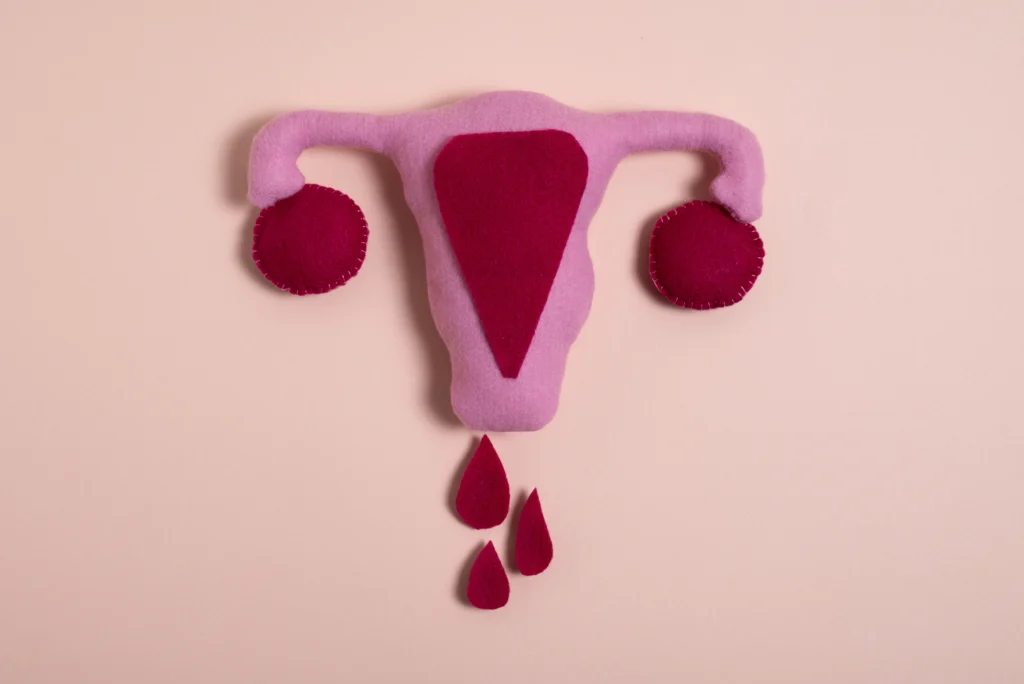
Several normal physiological changes can result in mild spotting or discharge after sexual intercourse.
1. Vaginal Dryness
One of the most common causes of bleeding after sex is inadequate vaginal lubrication.
When the vaginal tissues are dry, friction during intercourse may lead to tiny tears in the delicate vaginal lining, resulting in light spotting.
Women are more likely to experience vaginal dryness during:
- Menopause
- Breastfeeding
- Certain medications
- Hormonal changes
- Periods of emotional stress
Using adequate lubrication during intercourse often helps reduce friction and discomfort.
2. Vigorous Sexual Intercourse
More vigorous or prolonged intercourse can sometimes cause temporary irritation of the vaginal walls or cervix.
This may result in:
- Mild spotting
- Slight vaginal soreness
- Small amount of blood while wiping
- Temporary pelvic discomfort
The bleeding is usually minimal and resolves within a day.
3. Ovulation
Some women experience light spotting around the time of ovulation due to hormonal fluctuations.
If intercourse occurs during this time, the spotting may become more noticeable because of increased cervical sensitivity.
Ovulation-related spotting is generally:
- Light pink or brown
- Lasts one to two days
- Not associated with severe pain
- Does not produce a foul-smelling discharge
4. Pregnancy-Related Cervical Changes
During pregnancy, increased blood flow to the cervix makes it softer and more sensitive.
After sexual intercourse, some pregnant women may notice a small amount of pink or brown spotting caused by minor irritation of the cervical blood vessels.
Although light spotting can be harmless, pregnant women should seek medical advice immediately if they experience:
- Heavy bleeding
- Severe abdominal pain
- Leakage of fluid
- Fever
- Persistent bleeding after intercourse
According to the World Health Organization,
any vaginal bleeding during pregnancy should be evaluated promptly to rule out complications and ensure the health of both the mother and baby. (World Health Organization)
5. First-Time Sexual Intercourse
For some women, first-time vaginal intercourse may cause mild bleeding because of stretching or tearing of the hymenal tissue.
This bleeding is usually:
- Light
- Short-lasting
- Self-limiting
- Not associated with infection
Persistent bleeding, severe pain, or recurrent spotting after subsequent intercourse should be assessed by a healthcare professional.
Medical Causes of Vaginal Discharge or Blood After Sex
While occasional spotting after intercourse may be harmless, recurrent bleeding or abnormal vaginal discharge can indicate an underlying gynecological condition.
Identifying the cause is essential for timely treatment and preventing potential complications.
6. Vaginal Infections
Inflammation of the vaginal tissues caused by bacterial, fungal, or parasitic infections can make the vaginal lining more fragile and prone to bleeding during or after intercourse.
Women with vaginal infections may experience:
- Abnormal vaginal discharge
- Vaginal itching
- Burning sensation
- Pain during urination
- Discomfort during intercourse
- Unpleasant vaginal odor
Treatment depends on the specific infection and should always be guided by a healthcare professional.
7. Vaginal Yeast Infection
A vaginal yeast infection, commonly caused by Candida albicans, leads to inflammation of the vaginal lining.
Inflamed tissues are more susceptible to tiny tears during intercourse, which may result in light spotting.
Common symptoms include:
- Thick white, cottage cheese-like discharge
- Severe itching around the vulva
- Redness and swelling
- Burning sensation
- Pain during sexual intercourse
- Mild bleeding due to tissue irritation
Yeast infections usually respond well to antifungal medications prescribed by a healthcare provider.
8. Bacterial Vaginosis
Bacterial vaginosis (BV) occurs when the normal balance of vaginal bacteria is disrupted.
Although it does not always cause bleeding, inflammation associated with BV can contribute to spotting after sex in some women.
Symptoms may include:
- Thin gray or white discharge
- Fishy vaginal odor
- Mild vaginal irritation
- Burning during urination
- Increased discharge after intercourse
Bacterial vaginosis is the most common cause of vaginal discharge among women of reproductive age and increases the risk of acquiring sexually transmitted infections if left untreated. (Mulu et al. 2015)
9. Sexually Transmitted Infections (STIs)
Several sexually transmitted infections can inflame the cervix and vaginal tissues, leading to bleeding or abnormal discharge after intercourse.
Common STIs associated with postcoital bleeding include:
- Chlamydia
- Gonorrhea
- Trichomoniasis
- Genital herpes
Symptoms may include:
- Yellow or green vaginal discharge
- Foul-smelling discharge
- Pain during urination
- Pelvic pain
- Bleeding after intercourse
- Lower abdominal discomfort
Early diagnosis and treatment are important to prevent complications such as pelvic inflammatory disease and infertility.
10. Cervicitis
Cervicitis refers to inflammation of the cervix and is one of the leading causes of bleeding after sex.
It may result from:
- Bacterial infections
- Sexually transmitted infections
- Allergic reactions
- Chemical irritants
- Hormonal changes
Symptoms often include:
- Vaginal discharge
- Bleeding after intercourse
- Pelvic discomfort
- Pain during sex
- Frequent urination
Many women with cervicitis have mild symptoms, making routine gynecological examinations particularly important.
11. Cervical Ectropion
Cervical ectropion is a common, non-cancerous condition in which the delicate glandular cells normally located inside the cervical canal extend onto the outer surface of the cervix.
These cells contain numerous tiny blood vessels that bleed easily when touched during intercourse.
Cervical ectropion is more commonly seen in:
- Adolescents
- Pregnant women
- Women taking oral contraceptive pills
- Women with higher estrogen levels
Although usually harmless, persistent bleeding should always be evaluated to exclude more serious conditions.
12. Cervical Polyps
Cervical polyps are small, soft growths that develop on the cervix.
Most are benign, but because they are rich in blood vessels, they may bleed after sexual intercourse.
Symptoms may include:
- Light spotting after sex
- Bleeding between periods
- Vaginal discharge
- Bleeding after menopause
Polyps can usually be removed easily during a gynecological examination if necessary.
13. Pelvic Inflammatory Disease (PID)
Pelvic inflammatory disease is an infection involving the uterus, fallopian tubes, or ovaries, often resulting from untreated sexually transmitted infections.
Inflammation associated with PID can cause:
- Abnormal vaginal discharge
- Bleeding after intercourse
- Chronic pelvic pain
- Fever
- Pain during sex
- Painful urination
Without prompt treatment, PID may lead to infertility, chronic pelvic pain, and ectopic pregnancy.
14. Endometriosis
Endometriosis occurs when tissue similar to the uterine lining grows outside the uterus.
Although postcoital bleeding is less common, some women experience spotting after intercourse due to inflammation and irritation of pelvic tissues.
Other symptoms include:
- Severe menstrual cramps
- Chronic pelvic pain
- Pain during intercourse
- Painful bowel movements
- Difficulty becoming pregnant
15. Cervical Cancer (Rare but Important)
Although uncommon, persistent bleeding after intercourse can sometimes be an early warning sign of cervical cancer or precancerous cervical changes.
Additional symptoms may include:
- Bleeding between menstrual periods
- Foul-smelling vaginal discharge
- Pelvic pain
- Pain during intercourse
- Unexplained weight loss in advanced stages
Regular cervical cancer screening and HPV vaccination remain among the most effective strategies for preventing cervical cancer.
Women who experience repeated bleeding after sex should never delay medical evaluation.
The World Health Organization recommends;
regular cervical screening and timely management of abnormal findings to reduce the burden of cervical cancer worldwide.
Symptoms That May Accompany Vaginal Discharge or Blood After Sex
The symptoms experienced alongside postcoital bleeding often provide valuable clues about the underlying cause.
Seek medical evaluation if vaginal discharge or bleeding after sex is accompanied by:
- Heavy or persistent bleeding
- Thick yellow, green, or gray discharge
- Foul-smelling vaginal discharge
- Vaginal itching or burning
- Pain during intercourse
- Lower abdominal or pelvic pain
- Fever or chills
- Pain during urination
- Irregular menstrual bleeding
- Bleeding after menopause
Myth vs Fact
| Myth | Fact |
|---|---|
| Bleeding after sex is always normal. | Occasional light spotting may be harmless, but recurrent or heavy bleeding requires medical evaluation. |
| Only infections cause bleeding after sex. | Hormonal changes, vaginal dryness, cervical ectropion, polyps, pregnancy, and cervical conditions can also cause bleeding. |
| Pain must always accompany serious conditions. | Some cervical conditions and early cervical cancer may cause bleeding without pain. |
| Postmenopausal bleeding after sex is normal. | Bleeding after menopause should always be investigated by a healthcare professional. |
How Is Vaginal Discharge or Blood After Sex Diagnosed?
A healthcare provider will perform a detailed assessment to determine the underlying cause.
Diagnosis may include:
- Detailed medical and sexual history
- Pelvic examination
- Speculum examination of the cervix
- Vaginal swab to identify infections
- STI testing
- Pap smear (if indicated)
- HPV testing
- Pregnancy test
- Transvaginal ultrasound
- Colposcopy if cervical abnormalities are suspected
According to the Mayo Clinic, prompt evaluation of persistent postcoital bleeding helps identify treatable infections, cervical abnormalities, and other gynecological conditions before complications develop. (Mayo Clinic)
Can Physiotherapy Help?
Although physiotherapy does not directly treat infections or cervical disorders,
women’s health physiotherapists play an important role in managing symptoms that contribute to discomfort during intercourse.
Pelvic floor physiotherapy may help by:
- Assessing pelvic floor muscle function
- Treating pelvic floor muscle tightness
- Improving blood circulation to pelvic tissues
- Reducing pain during intercourse (dyspareunia)
- Teaching breathing and relaxation techniques
- Providing scar tissue mobilization after childbirth or pelvic surgery
- Educating women on healthy bladder, bowel, and sexual habits
For women experiencing recurrent pain during intercourse without infection, pelvic floor rehabilitation can significantly improve comfort, confidence, and overall quality of life when combined with appropriate medical care.
Treatment for Vaginal Discharge or Blood After Sex
Treatment depends on the underlying cause.
While occasional light spotting caused by friction or ovulation may not require medical intervention, persistent or recurrent bleeding should always be evaluated and treated appropriately.
Vaginal Dryness
If vaginal dryness is responsible for bleeding after intercourse, treatment focuses on reducing friction and restoring vaginal moisture.
Treatment options may include:
- Water-based or silicone-based lubricants during intercourse
- Vaginal moisturizers
- Adequate foreplay to improve natural lubrication
- Topical estrogen therapy for postmenopausal women (when prescribed)
- Staying well hydrated
Vaginal Yeast Infection
Yeast infections are commonly treated with antifungal medications.
Treatment may include:
- Antifungal vaginal creams
- Vaginal suppositories
- Oral antifungal medication when indicated
It is important to complete the full course of treatment, even if symptoms improve earlier.
Bacterial Vaginosis
Bacterial vaginosis is treated using antibiotics prescribed by a healthcare professional.
Patients should:
- Complete the prescribed medication
- Avoid douching
- Avoid sexual intercourse until treatment is completed if advised by their healthcare provider
- Attend follow-up appointments if symptoms recur
Sexually Transmitted Infections (STIs)
STIs require prompt diagnosis and appropriate treatment based on the specific organism.
Management usually includes:
- Antibiotics or antiviral medications
- Testing and treatment of sexual partners where appropriate
- Abstaining from sexual activity until treatment is completed
- Follow-up testing if recommended
Early treatment helps reduce the risk of pelvic inflammatory disease, infertility, and transmission to partners.
Cervicitis and Cervical Polyps
Treatment depends on the underlying cause.
It may include:
- Antibiotics for bacterial infections
- Removal of cervical polyps if they are causing bleeding
- Treatment of any associated sexually transmitted infection
- Regular follow-up examinations
Pelvic Inflammatory Disease (PID)
PID requires early treatment to prevent long-term complications.
Management typically includes:
- Broad-spectrum antibiotics
- Pain management
- Temporary avoidance of sexual activity
- Treatment of sexual partners if an STI is identified
- Hospitalization in severe cases
Cervical Cancer or Precancerous Changes
If cervical abnormalities are detected, treatment will depend on the stage and severity of the condition.
Management may involve:
- Colposcopy
- Removal of abnormal cervical tissue
- Surgical procedures
- Radiation therapy
- Chemotherapy when necessary
Early detection through cervical screening significantly improves treatment outcomes.
Home Care Tips
Simple self-care measures can help reduce irritation and support vaginal health.
These include:
- Use adequate lubrication during intercourse.
- Avoid harsh soaps, scented washes, and vaginal douches.
- Wear breathable cotton underwear.
- Practice good intimate hygiene.
- Stay well hydrated.
- Maintain good control of blood sugar levels if you have diabetes.
- Follow the complete course of prescribed medications.
- Avoid self-medicating with over-the-counter antibiotics.
- Practice safer sex by using barrier protection when appropriate.
- Schedule regular gynecological check-ups.
Can Physiotherapy Help Prevent Discomfort After Sex?
Women’s health physiotherapy can be beneficial for women experiencing recurrent pain, muscle tightness, or pelvic floor dysfunction that contributes to discomfort or minor bleeding during intercourse.
A pelvic health physiotherapist may recommend:
- Pelvic floor muscle assessment
- Relaxation techniques for overactive pelvic floor muscles
- Breathing exercises to reduce muscle guarding
- Manual therapy to improve tissue flexibility
- Scar tissue mobilization following childbirth or pelvic surgery
- Progressive pelvic floor rehabilitation
- Education on comfortable sexual positions when pelvic pain is present
Research published in the International Urogynecology Journal suggests that;
pelvic floor rehabilitation can improve pain during intercourse, pelvic floor muscle function, and quality of life in women with pelvic floor dysfunction. (Stamos et al. 2025)
Can Vaginal Discharge or Blood After Sex Be Prevented?
Although not every cause can be prevented, the following measures can reduce the risk of postcoital bleeding and abnormal vaginal discharge:
- Maintain good genital hygiene.
- Use adequate lubrication during intercourse.
- Avoid vaginal douching.
- Practice safer sex.
- Receive the HPV vaccine if eligible.
- Attend routine cervical cancer screening appointments.
- Seek early treatment for vaginal infections.
- Manage chronic medical conditions such as diabetes.
- Do not ignore persistent vaginal symptoms.
- Schedule regular gynecological examinations.
When Should You See a Doctor?
Seek prompt medical attention if you experience:
- Bleeding after sex that occurs repeatedly
- Heavy bleeding after intercourse
- Bleeding during pregnancy
- Bleeding after menopause
- Green, yellow, or foul-smelling vaginal discharge
- Severe pelvic or abdominal pain
- Fever or chills
- Pain during urination
- Persistent pain during intercourse
- Unexplained vaginal bleeding between periods
Early medical evaluation helps identify the underlying cause and reduces the risk of complications.
Final Thoughts
Experiencing vaginal discharge or light bleeding after sex can be concerning, but it is important to remember that not every episode indicates a serious health problem. While factors such as vaginal dryness, friction, ovulation, or pregnancy-related cervical changes may cause temporary spotting, persistent bleeding or abnormal discharge should never be ignored. Early medical evaluation can identify infections, cervical abnormalities, or other gynecological conditions before complications develop. Combining regular gynecological care with healthy lifestyle habits, safer sexual practices, and pelvic floor rehabilitation when appropriate can help women maintain optimal reproductive and pelvic health.
Conclusion
Experiencing vaginal discharge or light bleeding after sex can be unsettling, but it does not always indicate a serious medical condition.
In many cases, temporary factors such as vaginal dryness, minor friction, ovulation, or pregnancy-related cervical changes may be responsible.
However, recurrent bleeding, abnormal discharge, pelvic pain, or symptoms of infection should never be ignored.
Prompt evaluation by a healthcare professional allows early diagnosis of infections, cervical abnormalities, and other gynecological conditions, ensuring timely and effective treatment.
Alongside medical care, pelvic floor physiotherapy can play an important role in improving pelvic muscle function, reducing pain during intercourse, and enhancing overall pelvic health for women affected by pelvic floor dysfunction.
By understanding what is normal, recognizing warning signs, and seeking medical advice when necessary, women can take proactive steps toward maintaining their reproductive and sexual health.
Frequently Asked Questions
1. Is it normal to bleed after sex?
Occasional light spotting can occur due to friction or hormonal changes, but recurrent or heavy bleeding should always be evaluated.
2. Can vaginal dryness cause bleeding after intercourse?
Yes. Dry vaginal tissues are more likely to develop tiny tears during intercourse, resulting in light spotting.
3. Which infections can cause bleeding after sex?
Bacterial vaginosis, yeast infections, cervicitis, chlamydia, gonorrhea, trichomoniasis, and pelvic inflammatory disease may contribute to bleeding after intercourse.
4. Is bleeding after sex a sign of cervical cancer?
Although uncommon, persistent postcoital bleeding can sometimes be an early symptom of cervical cancer or precancerous cervical changes.
5. Can pregnancy cause spotting after sex?
Yes. Increased blood flow to the cervix during pregnancy can make it more sensitive and prone to light spotting after intercourse.
6. When should I see a doctor?
You should seek medical care if bleeding is heavy, recurrent, associated with pelvic pain, fever, foul-smelling discharge, or occurs after menopause.
7. Can pelvic floor physiotherapy help?
Yes. Physiotherapy can help women experiencing painful intercourse related to pelvic floor muscle dysfunction, improving comfort and pelvic health.
8. Can bleeding after sex be prevented?
Using adequate lubrication, practicing safer sex, treating infections promptly, and attending regular cervical screening appointments can reduce the risk.
Stay tuned with us for more health related topics.
Follow us on LinkedIn and Instagram for more.
More Read


Medical Disclaimer!
This article has been reviewed and written under the guidance of our Head Physiotherapist, Dr. Kruti Raj (PT, MUHS,CPT,CMPT). The information shared is intended for educational purposes only and should not be considered a substitute for personalized medical advice, diagnosis, or treatment.
Please consult us or any other qualified healthcare professional before beginning any exercise program, especially if you are experiencing pain, recovering from injury, or managing a medical condition.


