


Unprotected sex or a contraceptive failure can happen unexpectedly, even when someone usually takes precautions to prevent pregnancy.
A condom may break, birth control pills may be missed, or contraception may not be used at all.
In these situations, emergency contraception can provide an important option for reducing the chance of pregnancy.
Quick Answer
Emergency contraceptive pills are used after unprotected sex or contraceptive failure to reduce the chance of pregnancy. They mainly work by delaying or preventing ovulation and work best when taken as soon as possible. Common options include levonorgestrel and ulipristal acetate. They do not terminate an established pregnancy and do not protect against sexually transmitted infections.
Emergency contraceptive pills are designed to work after unprotected sex and are different from regular birth control methods.
They are also different from medicines used to end an established pregnancy.
Understanding how emergency contraceptive pills work, how soon they should be taken, what options are available, and what to expect afterward can help you make a timely and informed decision.
This guide explains the main types of emergency contraceptive pills, when to take them, how effective they are, possible side effects, what happens to your menstrual cycle afterward, and when a pregnancy test or medical advice may be appropriate.
Key Takeaways
- Emergency contraception reduces the chance of pregnancy after unprotected sex or contraceptive failure.
- Emergency contraceptive pills mainly work by delaying or preventing ovulation.
- Levonorgestrel and ulipristal acetate are two commonly used emergency contraceptive pills.
- Taking emergency contraception as soon as possible is generally better than waiting.
- Emergency contraceptive pills do not terminate an established pregnancy.
- They do not protect against STIs or provide ongoing protection for later unprotected sex.
- A copper IUD is another highly effective emergency contraception option.
- A significantly delayed period or concerning symptoms may warrant a pregnancy test or medical advice.
What Is Emergency Contraception?
Emergency contraception is a method used to reduce the chance of pregnancy after unprotected sex or when regular contraception may have failed.
It is intended for situations where pregnancy may have occurred but should not be considered a replacement for regular contraception.
Emergency contraception may be considered after:
- Sex without contraception
- A condom breaking or slipping
- Missing or incorrectly taking contraceptive pills
- Failure of withdrawal
- Incorrect use of another contraceptive method
- Sexual assault when effective contraception was not being used
Emergency contraception includes emergency contraceptive pills and the copper intrauterine device (IUD).
The appropriate option depends on how much time has passed, individual circumstances, and access to medical care.
According to WHO, emergency contraception is most effective when used as soon as possible after unprotected intercourse and can be used within five days of the sexual encounter. (World Health Organozation)
How Do Emergency Contraceptive Pills Work?
Emergency contraceptive pills primarily work by preventing or delaying ovulation.
Ovulation is the release of an egg from an ovary.
If ovulation is delayed or prevented, sperm are less likely to encounter an egg during the fertile window.
This is why timing matters. Emergency contraceptive pills work best when taken before ovulation has occurred.
Emergency contraceptive pills do not end an established pregnancy.
They are designed to prevent pregnancy before it becomes established and are therefore different from medicines used for abortion.
What Are the Main Types of Emergency Contraceptive Pills?
There are two commonly discussed dedicated emergency contraceptive pills:
- Ulipristal acetate
- Levonorgestrel
Both are designed to reduce the chance of pregnancy after unprotected sex, but they differ in how they are used and how effective they remain as time passes.
Ulipristal Acetate
Ulipristal acetate is an emergency contraceptive taken as a single 30 mg dose.
One of its important advantages is that it remains an effective option later in the emergency contraception window.
It can be used up to 120 hours, or five days, after unprotected intercourse.
It works mainly by delaying ovulation, including when ovulation may be approaching.
For this reason, ulipristal acetate may be particularly useful when more than three days have passed since unprotected sex.
Levonorgestrel
Levonorgestrel is another commonly used emergency contraceptive pill.
The standard emergency dose is generally 1.5 mg taken as a single dose, although some formulations may provide the same total dose differently.
It works primarily by delaying or preventing ovulation and is most useful when taken as soon as possible after unprotected sex.
The longer someone waits, the less useful an emergency contraceptive pill may become.
WHO recommends ulipristal acetate and levonorgestrel among the emergency contraceptive pill options,
with ulipristal acetate showing greater effectiveness than other emergency contraceptive pills during the 72-to-120-hour period after unprotected intercourse. (World Health Organization)
How Soon Should You Take an Emergency Contraceptive Pill?
The simplest rule is:
Take it as soon as possible.
Emergency contraceptive pills are generally intended to be used within 120 hours, or five days, after unprotected intercourse.
However, this does not mean you should wait several days if the pill is already available.
Earlier use generally provides a better chance of preventing pregnancy.
The effectiveness of emergency contraception can depend on several factors, including:
- The type of emergency contraceptive used
- How long it has been since unprotected sex
- Whether ovulation has already occurred
- Where the person is in their menstrual cycle
- Certain medications
- Individual body weight or BMI in some circumstances
If several days have already passed, it is still worth seeking advice rather than assuming that it is too late.
Is Emergency Contraception the Same as the Morning-After Pill?
The term “morning-after pill” is commonly used to describe emergency contraceptive pills, but it can create the wrong impression.
You do not have to wait until the next morning to take emergency contraception.
If unprotected sex has occurred and emergency contraception is appropriate, taking it promptly is generally preferable to deliberately waiting.
The term is simply a popular name, not an instruction about when the pill should be taken.
When Might You Need Emergency Contraception?
Emergency contraception can be considered when something unexpected happens with contraception.
Examples include:
- A condom breaks during sex.
- A condom slips off.
- Sex occurs without contraception.
- Several birth control pills are missed.
- A contraceptive method is used incorrectly.
- Withdrawal fails.
- A contraceptive device is expelled.
- A barrier method is displaced or damaged.
- Sexual assault occurs without effective contraceptive protection.
Not every contraceptive mistake carries exactly the same pregnancy risk.
The type of contraception, timing within the menstrual cycle, and circumstances of the sexual encounter can all matter.
Does Emergency Contraception Work After Ovulation?
This is one of the most important limitations to understand.
Emergency contraceptive pills primarily work by delaying or preventing ovulation.
If ovulation has already occurred, an emergency contraceptive pill may not be able to prevent pregnancy from that particular sexual encounter.
This is another reason why taking emergency contraception promptly is important.
The copper IUD is different.
It can be used as emergency contraception within the appropriate time window and is considerably more effective than emergency contraceptive pills.
A copper IUD inserted within 120 hours of unprotected intercourse is more than 99% effective as emergency contraception and can then continue to provide ongoing contraception.
Is Emergency Contraception the Same as an Abortion Pill?
No.
Emergency contraception and medication abortion serve different purposes.
Emergency contraceptive pills are designed to prevent pregnancy from occurring, primarily by delaying or preventing ovulation.
They do not terminate an established pregnancy.
Medication used for abortion works after pregnancy has been established and is specifically intended to end that pregnancy.
Understanding this difference can help prevent confusion when researching emergency contraception.
Does Emergency Contraception Protect Against STIs?
No.
Emergency contraceptive pills are designed to reduce the chance of pregnancy.
They do not protect against sexually transmitted infections.
If STI exposure is also a concern, additional measures such as condoms and appropriate STI testing may be relevant.
Emergency contraception should therefore be thought of specifically as pregnancy prevention after a contraceptive failure or unprotected sexual encounter,
rather than general protection against the consequences of unprotected sex.
How Effective Are Emergency Contraceptive Pills?
Emergency contraceptive pills can substantially reduce the chance of pregnancy after unprotected sex, but they are not 100% effective.
Their effectiveness depends heavily on which pill is used, how quickly it is taken, and whether ovulation has already occurred.
Ulipristal Acetate vs Levonorgestrel
Both pills can be effective, but there are some important differences.
| Feature | Ulipristal Acetate | Levonorgestrel |
|---|---|---|
| Usual dose | 30 mg | 1.5 mg |
| Recommended window | Up to 120 hours | Best as soon as possible, commonly within 72 hours |
| Main action | Delays ovulation | Delays ovulation |
| Hormonal contraception afterward | Requires special timing | Can generally be resumed promptly |
| STI protection | No | No |
Ulipristal acetate tends to retain better effectiveness later in the five-day window, while levonorgestrel is particularly useful when taken soon after unprotected sex.
The choice can also depend on access, other medicines, breastfeeding considerations, and whether regular hormonal contraception needs to be started or resumed.
What Happens After Taking an Emergency Contraceptive Pill?
Most people can continue their normal activities after taking emergency contraception.
You may notice temporary changes in your menstrual cycle or other short-term effects.
Possible effects include:
- Nausea
- Headache
- Fatigue
- Abdominal discomfort
- Breast tenderness
- Dizziness
- Spotting
- Changes in the timing of your next period
These effects are generally temporary.
Your next period may arrive earlier or later than expected, and the amount of bleeding may also differ from your usual pattern.
A change in your period after emergency contraception does not automatically mean that the pill has failed.
Can Emergency Contraceptive Pills Cause Side Effects?
Yes, but serious complications are uncommon.
Nausea
Some people experience nausea after taking an emergency contraceptive pill.
If vomiting occurs soon after taking the medication, the dose may not have been fully absorbed.
In that situation, it is important to check the instructions for the specific product or contact a pharmacist or healthcare professional because another dose may be necessary.
Headache and Fatigue
Headache and tiredness can occur temporarily after emergency contraception.
Rest, hydration, and normal daily activities are usually sufficient unless symptoms are severe or persistent.
Changes in Bleeding
Spotting or unexpected bleeding can occur.
The next menstrual period may also be different from usual in timing, duration, or flow.
These changes are generally temporary, but pregnancy should be considered if the period is significantly delayed.
What If You Vomit After Taking the Pill?
Vomiting shortly after taking an emergency contraceptive pill can reduce how much medication is absorbed.
The appropriate response depends on how soon vomiting occurred and which product was taken.
Do not automatically assume that the medication has worked.
Check the product instructions or contact a pharmacist or healthcare professional promptly to determine whether another dose is needed.
What If You Have Sex Again After Taking Emergency Contraception?
This is an important point that is sometimes overlooked.
Taking an emergency contraceptive pill does not provide ongoing protection for the rest of the menstrual cycle.
If you have unprotected sex again after taking the pill, there may be another pregnancy risk.
Using condoms or another reliable contraceptive method for subsequent sexual activity can help prevent another exposure.
Does Levonorgestrel Protect Against Later Sex?
No.
Levonorgestrel emergency contraception is intended to reduce pregnancy risk from sexual intercourse that has already occurred.
It should not be treated as continuous contraception.
Does Ulipristal Acetate Protect Against Later Sex?
No.
Ulipristal acetate also does not provide ongoing protection against pregnancy from subsequent unprotected intercourse.
If you have further unprotected sex, speak with a healthcare professional or pharmacist about your options.
When Should You Take a Pregnancy Test?
A pregnancy test can be useful if your period does not arrive as expected after emergency contraception.
Consider testing if:
- Your period is significantly later than expected.
- Your period is unusually light or different from normal.
- You develop symptoms that could indicate pregnancy.
- You are uncertain whether emergency contraception worked.
- You had additional unprotected sex afterward.
A pregnancy test may be needed even if you experienced spotting because spotting alone cannot confirm whether pregnancy has been prevented.
If a pregnancy test is negative but your period remains absent, repeating the test later may be appropriate depending on when the test was performed.
What If the Emergency Contraceptive Pill Does Not Work?
Emergency contraception can fail.
Possible reasons include taking it after ovulation, taking it later in the recommended window, interactions with certain medicines, or simply the fact that no emergency contraceptive method is completely effective.
If pregnancy occurs despite taking emergency contraception, the medication is not known to harm an established pregnancy when used as emergency contraception.
A healthcare professional can help determine the next appropriate steps if a pregnancy test is positive.
Can You Take Emergency Contraception More Than Once?
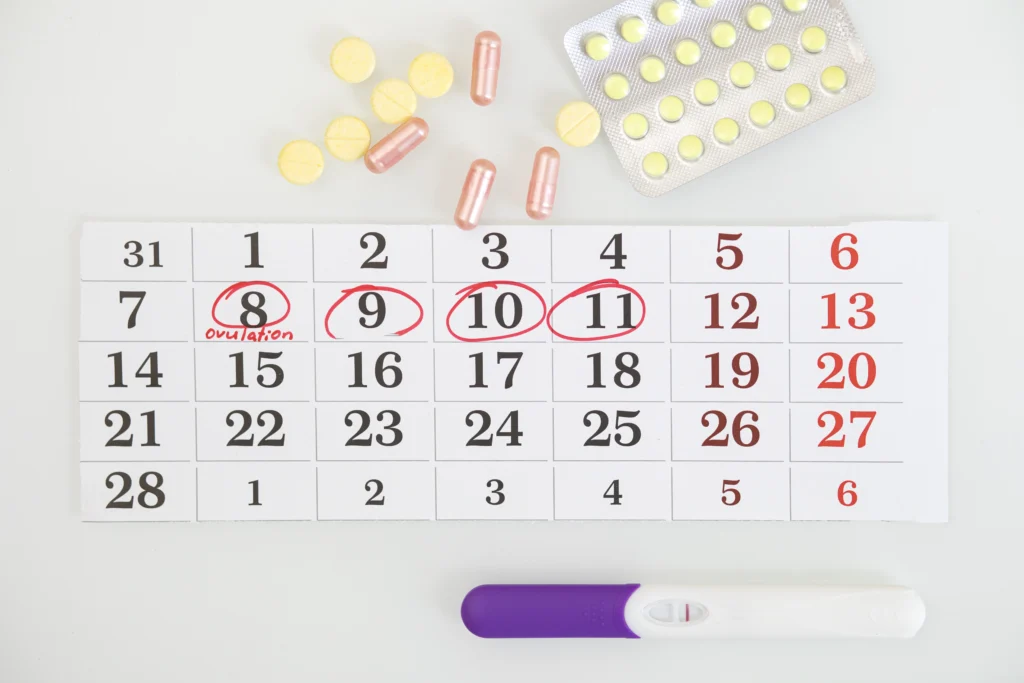
Emergency contraceptive pills can be used again if another episode of unprotected sex occurs, although they are not intended to replace regular contraception.
Repeated use may lead to more menstrual irregularity or temporary side effects.
If you find yourself needing emergency contraception frequently, it may be worth considering a regular contraceptive method that better fits your needs.
This does not mean that emergency contraception is unsafe simply because it has been used more than once.
Rather, regular contraception may provide more consistent pregnancy prevention and reduce the need for repeated emergency decisions.
Can You Start Regular Birth Control After Emergency Contraception?
This depends on which emergency contraceptive pill was used.
After levonorgestrel, regular hormonal contraception can generally be started or resumed immediately.
A backup method, such as condoms, may be needed for a short period while the regular contraceptive becomes effective.
After ulipristal acetate, the timing is different because starting a progestin-containing hormonal contraceptive too soon can interfere with ulipristal’s effectiveness.
For this reason, follow the specific product instructions or seek advice from a healthcare professional before starting or restarting hormonal contraception after ulipristal.
The CDC recommends waiting at least five days before starting or resuming hormonal contraception after ulipristal acetate, followed by use of a barrier method for the appropriate period after hormonal contraception is started. (Centers for Disease Control and Prevention)
Can Emergency Contraceptive Pills Be Used During Breastfeeding?
Emergency contraception may be an option for people who are breastfeeding, but the choice of product can matter.
Levonorgestrel is generally considered compatible with breastfeeding.
Ulipristal acetate requires more specific consideration because recommendations regarding breastfeeding and timing after a dose can differ between guidelines and product information.
If you are breastfeeding and need emergency contraception, a pharmacist or healthcare professional can help identify the most appropriate option.
Can Certain Medicines Make Emergency Contraception Less Effective?
Yes.
Some medicines and herbal products can increase the activity of liver enzymes that affect how certain emergency contraceptives are processed.
Examples can include some medicines used for:
- Epilepsy
- Tuberculosis
- HIV
- Certain other long-term conditions
The herbal supplement St John’s wort can also interact with some hormonal medicines.
If you regularly take prescription medicines, over-the-counter medicines, or herbal supplements, mention them when asking for emergency contraception.
What About Body Weight and Emergency Contraception?
Body weight or BMI may influence the effectiveness of some emergency contraceptive pills.
This is particularly relevant when considering levonorgestrel.
However, this does not mean that someone with a higher body weight should simply avoid emergency contraception.
A healthcare professional can help determine whether another emergency contraceptive option, such as a copper IUD or ulipristal acetate, may be more appropriate.
The CDC notes that the effectiveness of emergency contraceptive pills may vary according to body weight and that a copper IUD provides another highly effective emergency option. (Centers for Disease Control and Prevention)
When Should You Seek Medical Advice After Emergency Contraception?
Emergency contraception is generally safe, but there are situations where professional advice is important.
Consider speaking with a healthcare professional if:
- Your period is significantly delayed.
- A pregnancy test is positive.
- You have severe or persistent abdominal pain.
- You experience unusual or heavy bleeding.
- You vomited soon after taking the pill.
- You take medicines that may interact with emergency contraception.
- You are unsure which emergency contraceptive is appropriate.
- You had another episode of unprotected sex after taking the pill.
- You are unsure whether you need STI testing after the sexual encounter.
Severe abdominal or pelvic pain after emergency contraception, particularly if pregnancy is possible, should not simply be assumed to be a normal side effect.
Can Emergency Contraception Be Used as Regular Birth Control?
Emergency contraceptive pills are intended for occasional emergency situations, not as a primary long-term contraceptive method.
They can be useful when regular contraception fails or is not available, but regular contraception generally provides more consistent protection against pregnancy.
Depending on your preferences, options may include:
- Condoms
- Birth control pills
- Contraceptive patches
- Vaginal rings
- Injections
- Implants
- Hormonal IUDs
- Copper IUDs
- Fertility-awareness methods
- Permanent contraception
If you repeatedly need emergency contraception, this may be a useful opportunity to discuss whether another contraceptive method would better suit your needs.
Emergency Contraception Does Not Protect Against STIs
Emergency contraceptive pills only address the risk of pregnancy.
They do not prevent infections such as:
- Chlamydia
- Gonorrhea
- Syphilis
- Herpes
- HPV
- HIV
- Trichomoniasis
If the sexual encounter involved potential STI exposure, consider whether testing or other preventive care may be appropriate.
Condoms can provide an additional layer of protection against both pregnancy and many STIs when used correctly and consistently.
Emergency Contraception After Sexual Assault
Emergency contraception can be an important part of medical care after sexual assault when pregnancy is possible.
However, pregnancy prevention is only one aspect of care.
A healthcare professional may also assess:
- Possible injuries
- STI exposure
- Need for STI testing
- HIV prevention when appropriate
- Other forms of preventive treatment
- Emotional and psychological support
Seeking medical care as soon as possible can help ensure that time-sensitive options are still available.
Can Emergency Contraception Affect Your Future Fertility?
Emergency contraceptive pills do not cause permanent infertility.
Their purpose is to temporarily prevent or delay ovulation during the relevant period.
Once the medication has left the body, normal reproductive function can continue.
If you are planning a pregnancy in the future, using emergency contraception does not mean that you will have difficulty becoming pregnant later.
Does Emergency Contraception Change Your Menstrual Cycle?
It can.
Your next period may:
- Arrive earlier than expected
- Arrive later than expected
- Be heavier than usual
- Be lighter than usual
- Include spotting
- Feel somewhat different from your typical period
These changes are usually temporary.
However, a substantially delayed period should not automatically be attributed to the emergency contraceptive pill.
If pregnancy is possible, taking a pregnancy test can provide useful information.
Can You Take Emergency Contraception During Any Part of Your Cycle?
Emergency contraception can be considered at different points in the menstrual cycle after an episode of unprotected sex, but its effectiveness depends partly on whether ovulation has already occurred.
Because menstrual cycles are not always perfectly predictable, it can be difficult to know exactly when ovulation happened based only on calendar dates.
This is why emergency contraception should not be delayed simply because you believe you may be close to or past ovulation.
If timing is uncertain, a pharmacist or healthcare professional can help determine which option may be most appropriate.
What Is the Copper IUD as Emergency Contraception?
Although this article focuses on emergency contraceptive pills, the copper IUD is another important emergency contraception option.
A trained healthcare professional places the device inside the uterus.
When used as emergency contraception within the appropriate timeframe, it is extremely effective and can remain in place to provide ongoing contraception.
Unlike emergency contraceptive pills, the copper IUD does not rely on taking medication after sex.
It is also hormone-free, making it an option for people who prefer non-hormonal contraception.
However, insertion requires access to an appropriately trained healthcare professional, and an IUD may not be suitable for everyone.
Can Emergency Contraceptive Pills Cause a Miscarriage?
No.
Emergency contraceptive pills are designed to prevent pregnancy before it becomes established.
They do not work by ending an existing pregnancy.
If someone is already pregnant, emergency contraceptive pills are not a treatment for that pregnancy.
This is an important distinction between emergency contraception and medication abortion.
Lesser-Known Fact
Emergency Contraception Can Be Part of a Longer-Term Contraception Plan
Emergency contraception does not have to be viewed as an isolated event.
For example, someone may take emergency contraception after a condom failure and then decide to begin a regular contraceptive method afterward.
In some situations, the copper IUD can serve both purposes: it can provide emergency contraception after unprotected sex and then continue providing contraception for years.
This makes emergency contraception an opportunity not only to address an immediate pregnancy risk but also to reconsider whether the current contraceptive approach is working well.
Practical Steps After Taking an Emergency Contraceptive Pill
If you have taken emergency contraception, keeping a few simple points in mind can make the next few weeks less stressful.
1. Record When You Took It
Note the date and approximate time you took the emergency contraceptive.
This can be useful if you later need to speak with a healthcare professional.
2. Watch for Your Next Period
Your next period may not arrive exactly when expected.
A small change is not necessarily a reason for concern, but a significant delay may warrant a pregnancy test.
3. Use Protection for Future Sex
Emergency contraception does not provide ongoing protection against future episodes of unprotected sex.
Use condoms or another reliable contraceptive method for subsequent sexual activity.
4. Check for Medication Interactions
If you take regular prescription medicines or herbal supplements, check whether they can interfere with emergency contraception.
5. Consider STI Testing When Appropriate
If the encounter involved potential STI exposure, emergency contraception does not address that risk.
Consider discussing appropriate testing with a healthcare professional.
Emergency Contraception: Myth vs Fact
| Myth | Fact |
|---|---|
| You have to wait until the next morning. | Emergency contraception should generally be taken as soon as possible after the pregnancy risk. |
| Emergency contraception causes an abortion. | Emergency contraceptive pills primarily delay or prevent ovulation and do not terminate an established pregnancy. |
| The pill protects against STIs. | Emergency contraception prevents pregnancy risk but does not protect against STIs. |
| One dose protects you for the rest of the cycle. | Emergency contraception does not provide ongoing protection against later unprotected sex. |
| Taking emergency contraception causes infertility. | Emergency contraceptive pills do not cause permanent infertility. |
Common Myths About Emergency Contraceptive Pills
Myth: You Have to Take the Pill the Next Morning
Fact: You do not have to wait until morning.
Emergency contraception should generally be taken as soon as possible after the pregnancy risk occurs.
Myth: Emergency Contraception Causes an Abortion
Fact: Emergency contraceptive pills work primarily by delaying or preventing ovulation and do not terminate an established pregnancy.
Myth: Taking Emergency Contraception Makes You Infertile
Fact: Emergency contraceptive pills do not cause permanent infertility.
Myth: Emergency Contraception Protects You for the Rest of the Month
Fact: Taking an emergency contraceptive pill does not provide continuous protection against pregnancy from later unprotected sex.
Myth: Emergency Contraception Protects Against STIs
Fact: Emergency contraception prevents pregnancy risk; it does not prevent sexually transmitted infections.
Final Thoughts
Emergency contraceptive pills provide an important option when unprotected sex or contraceptive failure creates an unexpected pregnancy risk. Their effectiveness depends greatly on timing and the type of emergency contraception used.
Use emergency contraception as soon as possible when needed, remember that it does not protect against STIs or future unprotected sex, and consider regular contraception if you want ongoing pregnancy prevention.
Conclusion
Emergency contraceptive pills provide an important option when unprotected sex or contraceptive failure creates an unexpected pregnancy risk.
They work primarily by delaying or preventing ovulation, which is why taking them as soon as possible is important.
The two commonly used emergency contraceptive pills, levonorgestrel and ulipristal acetate, have different characteristics and time windows.
The copper IUD provides another highly effective emergency contraception option and can continue working as regular contraception afterward.
Temporary changes in bleeding, nausea, headache, fatigue, or changes to the timing of the next period can occur after taking an emergency contraceptive pill.
These effects are generally temporary, but significant symptoms or a substantially delayed period deserve appropriate medical attention.
Emergency contraception should also be understood in context.
It does not replace regular contraception, does not protect against STIs, and does not provide ongoing protection for later sexual activity.
If you need emergency contraception, do not delay unnecessarily because you are unsure whether you are within the appropriate window.
A pharmacist or healthcare professional can help you determine which option is most suitable based on the timing, your current contraception, medications, and individual circumstances.
Frequently Asked Questions About Emergency Contraceptive Pills
1. How soon should I take an emergency contraceptive pill?
Take it as soon as possible after unprotected sex or contraceptive failure. Emergency contraceptive pills are generally used within five days, depending on the product.
2. Do emergency contraceptive pills cause abortion?
No. They primarily work by delaying or preventing ovulation and do not terminate an established pregnancy.
3. Do emergency contraceptive pills protect against STIs?
No. Emergency contraception reduces pregnancy risk but does not prevent sexually transmitted infections.
4. Can I take emergency contraception more than once?
Emergency contraception can be used again when another pregnancy risk occurs, but regular contraception may provide more consistent protection.
5. Can emergency contraception delay my period?
Yes. Your next period may arrive earlier or later than expected and may differ from your usual bleeding pattern.
6. What should I do if my period is very late?
Consider taking a pregnancy test and speak with a healthcare professional if you are concerned about pregnancy or have significant symptoms.
Stay tuned with us for more health related topics.
Follow us on LinkedIn and Instagram for more.
More Read


Medical Disclaimer!
This article has been reviewed and written under the guidance of our Head Physiotherapist, Dr. Kruti Raj (PT, MUHS,CPT,CMPT). The information shared is intended for educational purposes only and should not be considered a substitute for personalized medical advice, diagnosis, or treatment.
Please consult us or any other qualified healthcare professional before beginning any exercise program, especially if you are experiencing pain, recovering from injury, or managing a medical condition.


