Have you noticed vaginal discharge after your period ends and wondered whether it’s normal?
Many women experience changes in vaginal discharge throughout their menstrual cycle, including immediately after menstruation.
These changes are usually a healthy response to fluctuating hormone levels and are an important part of maintaining vaginal health.
Quick Answer
Vaginal discharge after a period is usually a normal part of the menstrual cycle. As menstrual bleeding ends and estrogen levels gradually rise, many women notice little, sticky, creamy, or clear discharge. These changes help keep the vagina healthy and prepare the body for ovulation.
However, green, gray, bright yellow, foul-smelling discharge or discharge accompanied by itching, burning, pelvic pain, fever, or persistent bleeding may indicate an infection or another gynecological condition that requires medical evaluation.
After your period, the vagina naturally begins to clean itself by removing any remaining blood, mucus, and dead cells.
As estrogen levels gradually rise following menstruation, the amount and consistency of vaginal discharge also begin to change in preparation for ovulation.
In most cases, discharge after a period is completely normal.
However, discharge that becomes green, gray, bright yellow, foul-smelling, or is accompanied by itching, burning, pelvic pain, or fever may indicate an infection or another gynecological condition that requires medical attention.
Understanding the difference between normal and abnormal vaginal discharge after your period can help you recognize when reassurance is enough and when it’s time to consult a healthcare professional.
Key Takeaways
- Vaginal discharge after a period is usually a normal hormonal response.
- Many women experience little, sticky, creamy, or clear discharge as estrogen levels rise after menstruation.
- Light brown discharge immediately after your period is often leftover menstrual blood and is usually harmless.
- Green, gray, bright yellow, or foul-smelling discharge should always be medically evaluated.
- Symptoms such as itching, burning, pelvic pain, fever, or abnormal bleeding may indicate an infection.
- Avoid douching and scented feminine hygiene products to maintain a healthy vaginal microbiome.
- Knowing your normal discharge pattern makes it easier to recognize changes that require medical attention.
What Is Vaginal Discharge After a Period?
Vaginal discharge after a period refers to the fluid naturally released from the vagina once menstrual bleeding has stopped.
It is produced by the cervix and vaginal glands and consists of:
- Cervical mucus
- Vaginal secretions
- Dead skin cells
- Beneficial bacteria (normal vaginal flora)
- Water
Immediately after menstruation, many women notice very little discharge because estrogen levels are still relatively low.
Over the next few days, as estrogen gradually increases, cervical mucus becomes more noticeable and eventually changes in preparation for ovulation.
Depending on where you are in your menstrual cycle, discharge after a period may appear:
- Dry or minimal
- Slightly sticky
- Creamy white
- Clear
- Light yellow (without odor)
These changes are usually normal and reflect healthy hormonal activity.
Research has shown that cervical mucus undergoes predictable changes throughout the menstrual cycle in response to estrogen and progesterone, helping support fertility while protecting the reproductive tract. (Najmabadi et al. 2021)
Is Vaginal Discharge After a Period Normal?
Yes.
For most women, vaginal discharge after a period is completely normal.
The amount and consistency of discharge vary depending on hormonal fluctuations during the menstrual cycle.
Immediately after menstruation, many women experience a few “dry days” with little or no discharge.
As estrogen rises, the discharge gradually increases and becomes creamier or slightly sticky before eventually turning clear and stretchy around ovulation.
Normal discharge after a period is usually:
- Clear, white, or off-white
- Mild-smelling or odorless
- Thin, creamy, or slightly sticky
- Not associated with itching, burning, or pain
Every woman has a unique discharge pattern, so what is considered normal may differ slightly from person to person.
Healthy vaginal discharge plays an essential role in maintaining the vaginal microbiome, keeping tissues lubricated, and protecting against harmful microorganisms. (Ruiz-Durán et al. 2023)
How Common Is Vaginal Discharge After a Period?
Vaginal discharge after a period is a normal experience for most menstruating women.
Hormone levels change continuously throughout the menstrual cycle, causing predictable changes in cervical mucus.
Some women notice almost no discharge immediately after their period, while others may experience a small amount of creamy or sticky discharge within a day or two.
A typical menstrual cycle often follows this pattern:
- During menstruation: Menstrual bleeding
- Immediately after the period: Little or no discharge
- A few days later: Sticky or creamy discharge
- Approaching ovulation: Clear, slippery, and stretchy discharge
- After ovulation: Thick or creamy discharge until the next period
Learning your normal discharge pattern can help you identify unusual changes that may require medical evaluation.
Common Types of Vaginal Discharge After a Period
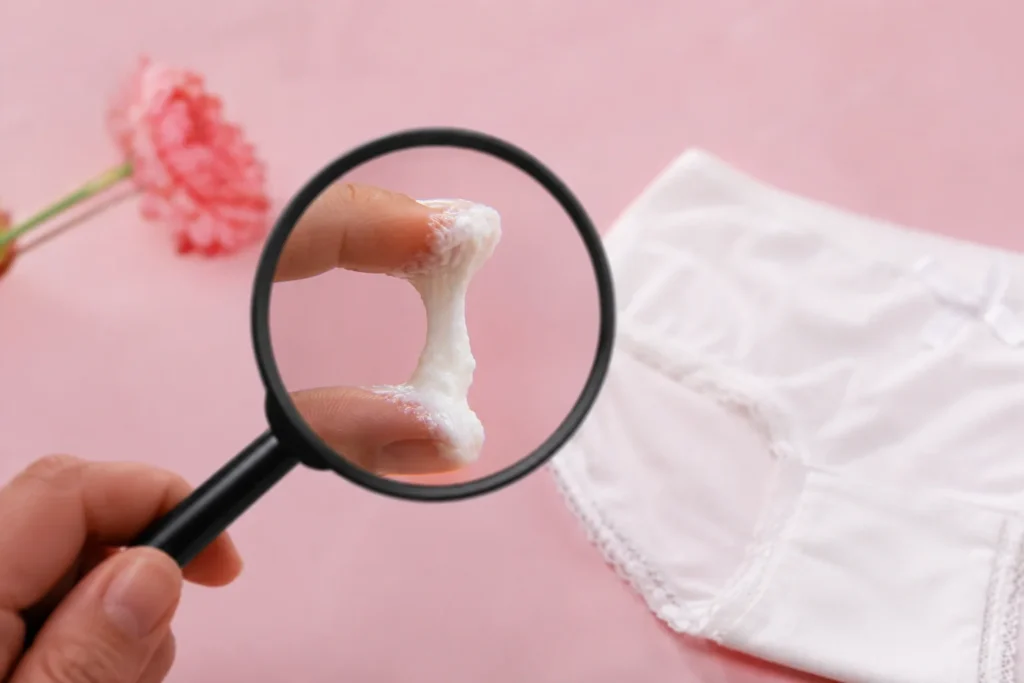
The appearance of vaginal discharge after your period depends on hormonal changes and your overall vaginal health.
Dry or Minimal Discharge
Immediately after menstruation, many women experience little or no discharge because estrogen levels are relatively low.
This is a completely normal phase of the menstrual cycle.
Sticky White Discharge
As estrogen begins to rise, discharge often becomes sticky or slightly tacky.
This is one of the earliest signs that the body is moving toward the fertile phase of the menstrual cycle.
Creamy White Discharge
Creamy white discharge without odor or irritation is usually a normal hormonal change.
It helps maintain vaginal moisture and protects against infection.
Clear Discharge
As ovulation approaches, discharge gradually becomes clearer and more slippery.
This is a normal sign of increasing fertility.
Light Brown Discharge
Some women notice a small amount of light brown discharge immediately after their period.
This is usually old menstrual blood leaving the uterus and is generally harmless if it lasts only one or two days.
Yellow Discharge
Pale yellow discharge without an unpleasant odor may sometimes be normal.
However, bright yellow discharge accompanied by itching, burning, or a foul smell should be medically evaluated.
Green or Gray Discharge
Green or gray discharge is not considered normal and may indicate bacterial vaginosis, trichomoniasis, or another vaginal infection.
Early Warning Signs That Should Not Be Ignored
Most discharge after a period is harmless, but certain symptoms may indicate an underlying infection or another gynecological condition.
Consult a healthcare provider if you notice:
- Green, gray, or bright yellow discharge
- A strong fishy or foul odor
- Thick, clumpy white discharge with itching
- Burning during urination
- Persistent pelvic or lower abdominal pain
- Pain during sexual intercourse
- Fever or chills
- Heavy bleeding after your period has ended
- Swelling, redness, or irritation around the vulva
These symptoms are not part of normal hormonal changes after menstruation and should be medically evaluated promptly.
Normal vs Abnormal Vaginal Discharge After a Period
| Feature | Normal Post-Period Discharge | Abnormal Discharge |
|---|---|---|
| Color | Clear, white, off-white, light brown (briefly) | Green, gray, bright yellow, bloody (persistent) |
| Consistency | Sticky, creamy, slightly watery | Cottage cheese-like, frothy, excessively watery |
| Odor | Mild or odorless | Fishy, foul, or unpleasant |
| Amount | Mild to moderate | Excessively heavy or sudden increase |
| Associated Symptoms | None | Itching, burning, pelvic pain, fever |
| Medical Attention Needed? | Usually No | Yes, especially if symptoms persist or worsen |
Causes of Vaginal Discharge After a Period
Most vaginal discharge after a period is caused by normal hormonal changes that occur as the body transitions from menstruation to the follicular phase of the menstrual cycle.
During this time, estrogen levels gradually rise, stimulating the cervix to produce cervical mucus that helps maintain vaginal health and prepares the reproductive tract for ovulation.
In many women, the discharge begins as minimal or sticky and gradually becomes creamier or clearer over the following days.
However, abnormal discharge after a period may be caused by infections, inflammation, or other gynecological conditions.
Common causes include:
- Bacterial vaginosis (BV)
- Rising estrogen levels after menstruation
- Normal cervical mucus production
- Vaginal yeast infection (Candidiasis)
- Residual menstrual blood leaving the uterus
- Trichomoniasis
- Sexually transmitted infections (STIs)
- Cervicitis
- Vaginal microbiome imbalance
- Pelvic inflammatory disease (PID)
Hormonal fluctuations throughout the menstrual cycle regulate both the quantity and consistency of cervical mucus, resulting in predictable changes in vaginal discharge after menstruation. (Kaewrudee et al. 1999)
Myth vs Fact
| Myth | Fact |
|---|---|
| Any discharge after a period is abnormal. | False. Sticky, creamy, white, or clear discharge after menstruation is a normal hormonal change. |
| Brown discharge after a period always means something is wrong. | Not always. Light brown discharge may simply be old menstrual blood leaving the uterus. |
| Using scented feminine products keeps the vagina cleaner. | False. Scented products and douching can disturb the natural vaginal microbiome and increase infection risk. |
| Every woman experiences the same discharge after her period. | False. The amount, texture, and timing of discharge vary between women and across menstrual cycles. |
Risk Factors for Abnormal Vaginal Discharge After a Period
Although post-period discharge is usually normal, several factors can increase the likelihood of developing abnormal discharge caused by infections or inflammation.
Common risk factors include:
- Poor intimate hygiene
- Frequent douching
- Recent antibiotic use
- Unprotected sexual activity
- Multiple sexual partners
- Diabetes, particularly if poorly controlled
- Pregnancy
- Hormonal contraceptives in some women
- Wearing tight, non-breathable underwear
- A weakened immune system
- Previous history of recurrent vaginal infections
These factors may disturb the natural balance of beneficial vaginal bacteria, making infections more likely.
When Should You Be Concerned?
Discharge after a period is generally harmless.
However, certain changes may indicate an infection or another medical condition that requires professional evaluation.
Seek medical advice if your discharge:
- Turns green, gray, or bright yellow
- Has a strong fishy or foul odor
- Appears thick and clumpy like cottage cheese
- Causes severe itching or burning
- Is accompanied by pelvic pain
- Causes pain during urination
- Occurs with fever or chills
- Persists for several weeks after menstruation
- Is associated with bleeding after your period has completely ended
- Recurs frequently every menstrual cycle
Prompt evaluation helps identify infections early and prevents complications.
How Is Vaginal Discharge After a Period Diagnosed?
Your healthcare provider will first ask about your menstrual cycle, recent symptoms, sexual history, and any previous vaginal infections.
Diagnosis may include:
- Pelvic examination
- Visual inspection of the discharge
- Vaginal pH testing
- Wet mount microscopy
- Vaginal swab for bacterial, fungal, or parasitic infections
- STI testing when clinically indicated
- Pap smear if cervical abnormalities are suspected
- Additional laboratory tests for recurrent or persistent symptoms
These investigations help distinguish normal physiological discharge from infections that require treatment.
According to the CDC Sexually Transmitted Infections Treatment Guidelines,
laboratory confirmation combined with clinical assessment provides the most accurate diagnosis of abnormal vaginal discharge and ensures appropriate treatment. (Workowski et al. 2021)
Treatment for Vaginal Discharge After a Period
Treatment depends on whether the discharge is part of a normal menstrual cycle or caused by an underlying condition.
If the discharge is normal
No medical treatment is necessary.
Normal post-period discharge is a healthy physiological process and usually resolves as hormone levels continue to change throughout the cycle.
If an infection is present
Treatment may include:
- Antibiotics for bacterial vaginosis
- Antifungal medications for vaginal yeast infections
- Antiprotozoal medications for trichomoniasis
- Antibiotics for bacterial sexually transmitted infections
- Partner treatment when recommended for sexually transmitted infections
Avoid self-treating based solely on the appearance of discharge, as different conditions can produce similar symptoms.
Physiotherapy Perspective
Physiotherapy does not directly treat vaginal discharge.
However, women’s health physiotherapists play an important role in managing pelvic floor dysfunction and chronic pelvic pain that may coexist with recurrent vaginal infections or inflammatory gynecological conditions.
A physiotherapist may help by providing:
- Pelvic floor muscle assessment
- Relaxation techniques for pelvic muscle tension
- Education on healthy bladder and bowel habits
- Lifestyle modifications to improve pelvic health
- Advice regarding posture, exercise, and pressure management
- Guidance on maintaining good intimate hygiene habits
Women with persistent abnormal discharge should always undergo medical evaluation first to rule out active infections before beginning physiotherapy.
Prevention and Self-Care
Although normal discharge after a period cannot be prevented because it is part of the menstrual cycle, healthy habits can reduce your risk of abnormal discharge and vaginal infections.
Helpful preventive measures include:
- Avoid douching and scented feminine hygiene products.
- Wear breathable cotton underwear.
- Change sanitary pads or menstrual products regularly during your period.
- Practice safe sex.
- Maintain good genital hygiene using water or mild unscented cleansers.
- Wipe from front to back after using the toilet.
- Manage diabetes effectively if applicable.
- Avoid unnecessary antibiotic use.
- Maintain a balanced diet and healthy lifestyle to support immune function.
- Stay hydrated throughout the menstrual cycle.
A healthy vaginal microbiome is essential for protecting against infections and maintaining normal vaginal discharge patterns throughout the menstrual cycle.
Possible Complications of Abnormal Vaginal Discharge After a Period
Normal vaginal discharge after a period is a healthy physiological process and does not cause complications.
However, if abnormal discharge is caused by an untreated infection or another underlying gynecological condition, delaying treatment may result in more serious health problems.
Possible complications include:
- Recurrent vaginal infections
- Chronic vaginal inflammation
- Pelvic inflammatory disease (PID)
- Cervicitis (inflammation of the cervix)
- Increased risk of sexually transmitted infections (STIs)
- Pain during sexual intercourse (dyspareunia)
- Chronic pelvic pain
- Fertility problems associated with severe untreated pelvic infections
- Reduced quality of life due to persistent itching, burning, odor, or discomfort
Early diagnosis and treatment of abnormal vaginal discharge can help prevent these complications and support long-term reproductive health.
Research suggests that untreated vaginal infections can increase the risk of ascending reproductive tract infections and adverse gynecological outcomes,
highlighting the importance of early diagnosis and appropriate management. (Yao et al. 2025)
When Should You See a Doctor?
Although discharge after your period is usually normal, certain symptoms should never be ignored.
Consult a healthcare provider if you experience:
- Green, gray, or bright yellow vaginal discharge
- A strong fishy or foul-smelling odor
- Thick, clumpy white discharge with severe itching
- Burning or pain while urinating
- Persistent pelvic or lower abdominal pain
- Fever or chills
- Pain during sexual intercourse
- Bleeding after your period has completely ended
- Vaginal sores, swelling, or redness
- Discharge that continues for several weeks without improvement
- Recurrent abnormal discharge after every menstrual cycle
Seeking medical care early allows timely diagnosis and treatment, reducing the risk of complications and improving overall vaginal health.
Final Thoughts
Vaginal discharge after your period is a normal sign that your body is transitioning into the next phase of the menstrual cycle. Hormonal changes naturally influence the amount, texture, and appearance of cervical mucus, helping maintain vaginal health and prepare for ovulation.
If your discharge develops an unusual color, strong odor, or is accompanied by itching, burning, pelvic pain, fever, or abnormal bleeding, don’t ignore these symptoms. Early medical evaluation can identify the cause, provide appropriate treatment, and help protect your long-term reproductive health.
Conclusion
Vaginal discharge after a period is a normal part of the menstrual cycle for most women.
As estrogen levels gradually increase after menstruation, the cervix produces cervical mucus that may appear sticky, creamy, or eventually clear as the body prepares for ovulation.
These changes help maintain vaginal health and support the reproductive system.
While normal discharge is usually odorless and not associated with discomfort,
changes such as green, gray, bright yellow, or foul-smelling discharge, or discharge accompanied by itching, burning, pelvic pain, fever, or abnormal bleeding, should not be ignored.
These symptoms may indicate an infection or another gynecological condition that requires prompt medical attention.
Understanding your body’s normal discharge pattern after each menstrual cycle can help you recognize abnormal changes early and seek timely medical advice when needed.
If you are ever unsure whether your symptoms are normal, consulting a healthcare professional is the safest way to protect your reproductive health.
Frequently Asked Questions (FAQs)
1. Is vaginal discharge after a period normal?
2. Why do I have brown discharge after my period?
3. What color discharge after a period is abnormal?
4. Can discharge after a period indicate pregnancy?
5. Can stress affect vaginal discharge after a period?
6. When should I see a doctor for discharge after my period?
Stay tuned with us for more health related topics.
Follow us on LinkedIn and Instagram for more.
More Read





Medical Disclaimer!
This article has been reviewed and written under the guidance of our Head Physiotherapist, Dr. Kruti Raj (PT, MUHS,CPT,CMPT). The information shared is intended for educational purposes only and should not be considered a substitute for personalized medical advice, diagnosis, or treatment.
Please consult us or any other qualified healthcare professional before beginning any exercise program, especially if you are experiencing pain, recovering from injury, or managing a medical condition.