RABAT, MOROCCO: A 12-year-old boy has died of diphtheria in Larache, bringing the number of recently reported child deaths linked to the outbreak to three. The boy, who had not been vaccinated against the disease, died on 27 October 2026 after receiving intensive treatment at Lalla Meryem Provincial Hospital.
Parents’ associations are calling for faster vaccination efforts and stronger health monitoring in schools. The deaths have renewed concerns about missed childhood vaccinations and the need for early diagnosis of this potentially fatal bacterial infection.
What the Latest Reports Reveal
According to The New Arab’s report published on 28 October 2026, the boy’s death follows two other recently reported child deaths in Morocco. Local reporting identified the boy as a resident of Ksar El Kebir, a city in northern Morocco.
Health facilities in the Tangier-Tetouan-Al Hoceima region had recorded four confirmed diphtheria cases, with three patients receiving treatment and returning home, according to Hespress.
The reports also described concerns about delays in preventive action and coordination between health and education authorities.
Earlier, two children from the same family died in the Sidi Abdellah neighborhood of Salé.
Health teams reportedly traced more than 40 close contacts, provided preventive medication and vaccinations, and designated hospitals to isolate and assess suspected patients. These steps aim to identify further infections and reduce transmission.
Diphtheria Returns After Decades
Morocco had gone decades without reported locally acquired diphtheria cases. Hespress cited 1992 as the last year before the disease reappeared in reports during 2026.
The recent cases have therefore drawn attention to the importance of maintaining high vaccination coverage even when a disease becomes rare.
In September 2026, two family clusters were reported in the Souss-Massa region. At that time, one case had been confirmed by laboratory testing, while eight other cases were under investigation, including two deaths. Those suspected cases should not be treated as confirmed infections.
The European Centre for Disease Prevention and Control (ECDC) also listed localized diphtheria clusters in Morocco in its 12 October update. However, the available reports use different locations and confirmation categories, so they do not establish a single, consolidated national case total.
What Is Diphtheria?
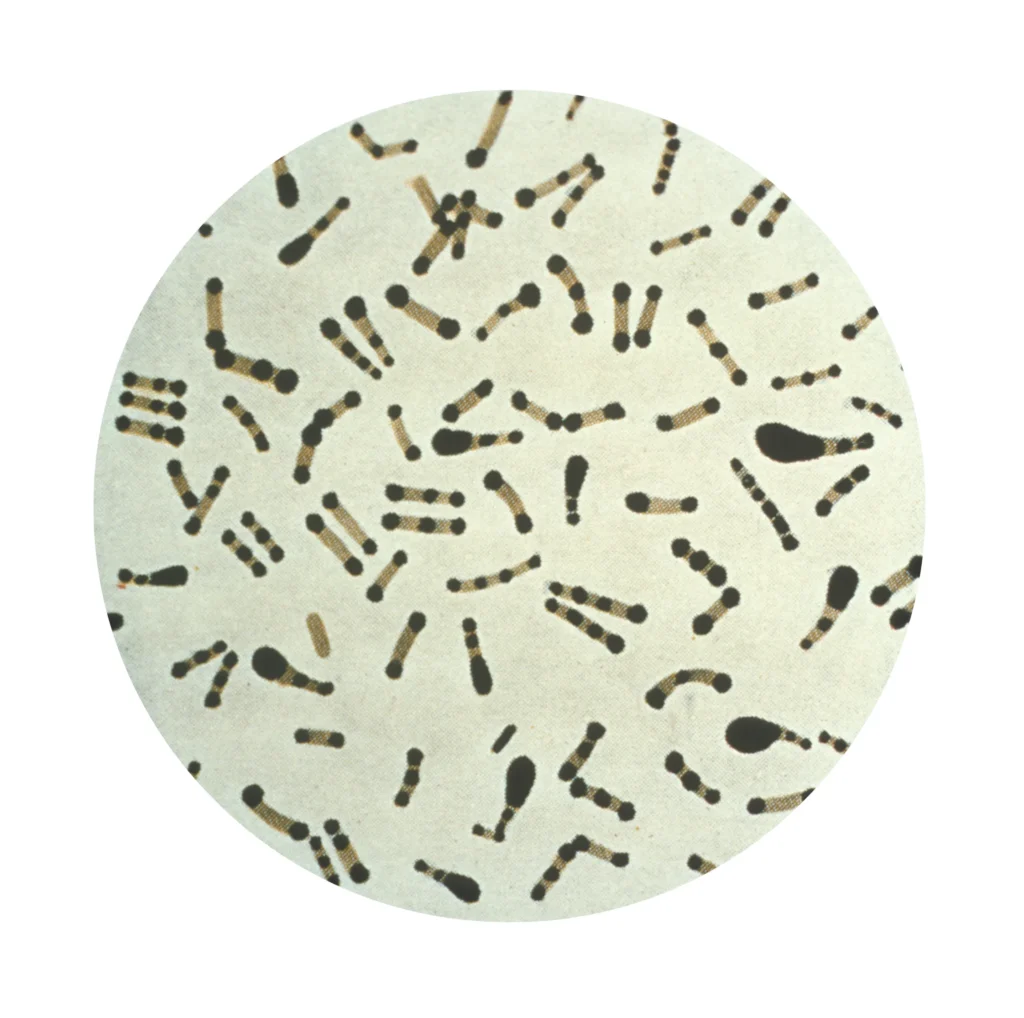
Diphtheria is a contagious bacterial infection caused by toxin-producing strains of Corynebacterium diphtheriae. It mainly affects the nose and throat, but it can also affect the skin. The toxin can damage the heart and nerves, leading to severe complications.
The infection spreads mainly through respiratory droplets released when an infected person coughs or sneezes. Close contact with an infected person can also spread the bacteria.
Some infected people may have mild symptoms or no noticeable symptoms while still carrying and transmitting the bacteria.
According to the World Health Organization (WHO), vaccination remains the most effective way to prevent diphtheria. Although the disease is preventable, people who have not received the recommended vaccine doses remain at risk. World Health Organization
Symptoms Parents Should Recognize
Symptoms usually begin two to five days after exposure. Early signs may resemble a common respiratory infection, but diphtheria can progress rapidly and become life-threatening.
Common symptoms include:
- Fever, sore throat and weakness.
- Swollen glands in the neck.
- Difficulty swallowing.
- A thick grey membrane forming over the tonsils or throat.
- Difficulty breathing in severe cases.
- Skin ulcers in some cases of cutaneous diphtheria.
The membrane can obstruct the airway, while the toxin may damage organs beyond the throat. Some complications, including heart inflammation and nerve damage, can develop during severe illness.
Anyone who may have been exposed to diphtheria and develops compatible symptoms should seek prompt medical assessment.
Difficulty breathing or swallowing requires urgent medical attention. Suspected exposure should be disclosed to the healthcare professional so the appropriate precautions can be taken.
Why Diphtheria Can Be Fatal
Diphtheria can cause death through airway obstruction and toxin-related damage to vital organs. The New Arab report cited the Oxford Vaccine Group’s estimate that the disease can be fatal in approximately 10% of cases, even with treatment.
WHO separately warns that diphtheria can be fatal in around 30% of cases among unvaccinated people who do not receive proper treatment.
These figures describe different treatment circumstances and should not be interpreted as directly comparable estimates. Early medical intervention is critical to reducing the risk of serious complications.
Vaccination Remains Essential
Vaccination is the primary defense against diphtheria. WHO recommends three primary doses of a diphtheria-containing vaccine during infancy, followed by three booster doses during childhood and adolescence to maintain protection.
Diphtheria vaccines are often combined with vaccines against other diseases. Depending on the formulation, these combinations may protect against tetanus, pertussis, polio, hepatitis B or Haemophilus influenzae type b. The exact combination depends on the vaccine used. World Health Organization
The New Arab report cited WHO estimates that 96% of people in Morocco had received three doses. However, the report also noted that the cited data did not track vaccination beyond the third dose.
The figure therefore does not establish how many children had received all recommended booster doses.
Parents should check their children’s vaccination records with a healthcare professional and arrange any missed doses according to the local immunization schedule.
Schools and health services can help identify incomplete records and direct families to vaccination services.
How Health Teams Can Limit Spread
When diphtheria is suspected or confirmed, health teams need to identify close contacts and assess their risk promptly. WHO recommends preventive antibiotics for close contacts and a review of their vaccination status.
People who are not fully vaccinated should receive the necessary doses. World Health Organization
Treatment usually includes antibiotics and diphtheria antitoxin. Antibiotics help eliminate the bacteria, while the antitoxin neutralizes the toxin circulating in the body.
Medical teams should assess suspected cases quickly because treatment may need to begin before laboratory confirmation.
Parents’ associations in Morocco have called for stronger school health monitoring, faster preventive action and closer cooperation between health and education authorities.
Regular communication with families can help ensure that vaccination gaps are identified and suspected infections receive timely attention.
Conclusion
The recent diphtheria deaths reported in Morocco highlight the importance of childhood vaccination, early diagnosis and coordinated public health action.
Although vaccination has made the disease rare in many places, incomplete immunization can leave children vulnerable to severe infection.
Parents should check vaccination records, follow the recommended schedule and seek prompt medical care if symptoms develop after possible exposure.
Sustained immunization and effective contact tracing remain essential to protecting children and limiting further transmission.