


Muscle weakness in children can affect walking, running, climbing stairs, getting up from the floor and participating in everyday play.
Some children struggle to keep up with their peers, while others gradually lose physical abilities they previously managed comfortably.
Quick Answer: What Are the Signs of Muscle Weakness in Children?
Muscle weakness in children can affect walking, climbing stairs, running, lifting the arms and getting up from the floor. Some children may also show frequent falls, reduced stamina or difficulty maintaining posture.
Important warning signs include progressive weakness, loss of previously acquired skills, repeated difficulty rising from the floor, reduced movement in babies and unexplained changes in walking.
What should parents do? Persistent or worsening weakness needs medical evaluation. Pediatric physiotherapy can support strength, mobility, posture and functional independence once the child’s condition and exercise safety have been assessed.
Although differences in strength and motor development can occur during childhood, persistent, progressive or sudden weakness should not be dismissed as ordinary clumsiness.
Recognizing the warning signs early can help families access appropriate medical assessment and pediatric physiotherapy when needed.
Key Takeaways for Parents
- Muscle weakness is different from low muscle tone, poor endurance and coordination difficulties.
- Difficulty getting up from the floor, climbing stairs and lifting the arms can be signs of weakness.
- Gowers’ sign may indicate weakness around the hips and thighs and requires medical evaluation.
- Loss of previously acquired motor skills or progressively worsening weakness should never be ignored.
- Babies with reduced spontaneous movement, poor head control or feeding difficulties may need assessment.
- Medical investigations help identify the underlying cause of muscle weakness.
- Pediatric physiotherapy can support safe movement, mobility, posture and functional independence.
- Exercise programs must be tailored to the child’s diagnosis, fatigue levels and medical needs.
Remember: Sudden weakness, breathing difficulty or swallowing problems require emergency medical attention.
What Is Muscle Weakness in Children?
Muscle weakness refers to a reduced ability to generate the force needed to move the body, maintain posture or perform physical activities.
It can affect one limb, both legs, the arms, the trunk or several muscle groups.
The pattern of weakness can provide important clues about its possible cause.
It is also important to distinguish weakness from other movement difficulties:
- Muscle weakness: Reduced ability to produce force against gravity or resistance.
- Hypotonia: Reduced resistance to passive movement. It may occur with or without muscle weakness.
- Poor endurance: Difficulty sustaining an activity because of fatigue.
- Coordination difficulties: Difficulty planning and controlling movements, even when muscle strength is adequate.
These problems can overlap, but they are not interchangeable.
A proper assessment helps determine what is affecting the child’s movement.
Early Signs of Muscle Weakness in Children
Muscle weakness is not always obvious.
Parents may first notice changes in everyday activities rather than a child directly complaining about weak muscles.
1. Difficulty Getting Up From the Floor
One important warning sign is difficulty rising from the floor without using the hands for support.
Some children push their hands against their thighs and gradually straighten their legs to stand.
This movement pattern is known as Gowers’ sign.
It can indicate weakness in the muscles around the hips and thighs, particularly when it occurs repeatedly in a child who previously managed floor transfers more easily.
Gowers’ sign is not a diagnosis by itself, but it warrants medical evaluation.
2. Difficulty Climbing Stairs
Children with weakness around the hips and thighs may:
- Pull themselves up using a handrail.
- Climb stairs one step at a time.
- Push against their thighs to straighten their knees.
- Avoid climbing or frequently request assistance.
Persistent difficulty, especially when accompanied by other signs of weakness, should be assessed.
3. Frequent Falls and Difficulty Running
A child with muscle weakness may struggle to run, jump, climb or maintain stability during active play.
Some children fall suddenly because their legs cannot support their body adequately.
However, frequent falls alone do not establish muscle weakness.
Balance problems, vision difficulties, joint conditions and developmental coordination difficulties can produce similar patterns.
4. Difficulty Lifting the Arms
Weakness around the shoulders may affect activities such as:
- Reaching overhead.
- Brushing or washing the hair.
- Putting on a shirt.
- Lifting toys and school bags.
- Keeping the arms raised during play.
These difficulties may become more noticeable as children grow and everyday activities require greater strength.
5. Reduced Physical Stamina
Some children become tired unusually quickly during walking, playing or climbing stairs.
Parents may notice that the child increasingly avoids physical activities, needs frequent breaks or cannot complete activities that were previously manageable.
Persistent fatigue combined with reduced physical ability deserves assessment.
6. Changes in Walking Pattern and Posture
Muscle weakness can affect the way a child stands and walks.
Possible signs include:
- Waddling or unusually wide-based walking.
- Increased arching of the lower back.
- Walking on the toes.
- Difficulty maintaining an upright posture.
- Reduced ability to walk longer distances.
These signs can have several causes. Their significance depends on the child’s age, medical history and overall movement pattern.
Muscle Weakness in Babies: Signs Parents Should Notice
Weakness can also present during infancy, sometimes before a child begins walking.
Parents may notice:
- Persistent difficulty holding the head steady.
- Reduced spontaneous movement of the arms and legs.
- Difficulty lifting the head or limbs against gravity.
- Unusual floppiness combined with reduced movement.
- Poor ability to maintain positions such as supported sitting.
- Weak sucking, prolonged feeding or frequent coughing during feeds.
A baby who moves noticeably less than before, struggles with feeding or shows loss of previously acquired motor abilities needs prompt medical assessment.
Premature babies may follow a different developmental timeline, so corrected age should be considered when evaluating motor development.
However, regression or clear weakness should never be explained away by prematurity alone.
What Causes Muscle Weakness in Children?
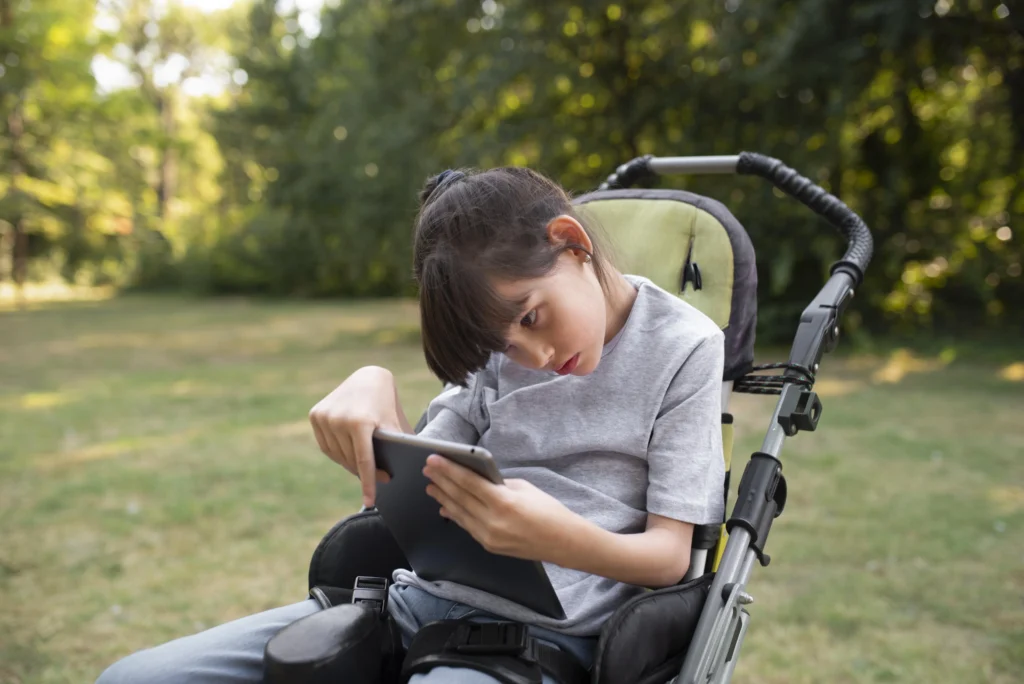
Muscle weakness can arise from conditions affecting the muscles, nerves, brain, spinal cord or other body systems.
1. Neuromuscular Conditions
These conditions affect muscles or the nerves controlling them.
Examples include:
- Duchenne muscular dystrophy.
- Spinal muscular atrophy.
- Congenital muscular dystrophies.
- Certain congenital and acquired myopathies.
Some conditions are inherited, while others develop later. Their symptoms and progression vary.
2. Neurological Conditions
Conditions affecting the brain or spinal cord can interfere with muscle activation and movement control.
Depending on the underlying condition, children may also experience altered muscle tone, reflexes, balance, coordination or sensation.
Cerebral palsy, for example, can affect movement and muscle control, although its presentation is not the same as a primary muscle disease.
3. Medical and Metabolic Conditions
Certain endocrine, metabolic, nutritional and systemic conditions can contribute to reduced strength or exercise tolerance.
Prolonged illness and reduced physical activity may also affect strength, but persistent weakness should not automatically be attributed to deconditioning.
A medical evaluation is necessary to identify the underlying cause.
Warning Signs That Need Medical Evaluation
Not every child who struggles with physical activities has a serious condition.
However, certain patterns should prompt medical attention.
Seek emergency medical attention
Take your child for emergency assessment if they develop:
- Sudden or rapidly worsening generalized weakness.
- Difficulty breathing, shallow breathing or unusual breathing effort.
- Difficulty swallowing, choking or inability to manage saliva.
- Sudden inability to stand, walk or move a limb.
- New facial weakness or difficulty speaking.
- Severe muscle pain accompanied by dark, cola-colored urine. Do not wait for a routine physiotherapy or outpatient appointment when these symptoms occur.
Other important warning signs include:
- Loss of previously acquired skills: The child can no longer perform activities they previously managed.
- Progressive weakness: Physical abilities gradually decline over weeks or months.
- Tongue fasciculations: Small, involuntary movements of the tongue.
- Reduced antigravity movement: An infant moves their arms or legs less against gravity.
- Feeding difficulties: Weak sucking, swallowing problems or recurrent coughing during feeds, especially alongside reduced movement.
- Unexplained muscle enlargement or thinning: Changes in muscle appearance alongside functional weakness.
The American Academy of Pediatrics highlights developmental regression, tongue fasciculations and significantly elevated creatine kinase levels as important warning signs requiring prompt specialist evaluation (Lurio et al., 2015).
How Is Muscle Weakness Diagnosed?
A pediatrician will usually begin with a detailed medical and developmental history, followed by a physical and neurological examination.
The assessment may include:
- Age when the weakness first appeared.
- Whether symptoms are stable, improving or progressing.
- Family history of neuromuscular conditions.
- Muscle strength, tone, bulk and reflexes.
- Ability to rise from the floor, climb stairs and walk.
- Feeding, swallowing and breathing function.
- Developmental milestones and any loss of previously acquired abilities.
What Tests May Be Recommended?
Depending on the findings, the doctor may recommend:
Creatine kinase (CK) blood test: CK is an enzyme found in muscle tissue.
Elevated levels can indicate muscle damage and may raise suspicion of a muscular disorder.
However, CK levels alone do not establish a diagnosis.
Genetic testing: May help identify inherited neuromuscular conditions.
Electromyography and nerve conduction studies: May help investigate whether the problem involves muscles, peripheral nerves or the communication between them.
Imaging and additional blood tests: MRI, metabolic investigations and other tests may be recommended depending on the suspected condition.
Children with unexplained motor delay or suspected neuromuscular weakness may need CK testing and specialist referral.
These investigations should be guided by clinical findings rather than ordered indiscriminately
How Does Pediatric Physiotherapy Help Children With Muscle Weakness?
Pediatric physiotherapy plays an important role in supporting movement, maintaining physical function and helping children participate in everyday activities.
However, unexplained or progressive weakness must first receive appropriate medical evaluation.
Physiotherapy should form part of the child’s wider care plan rather than replace diagnostic investigation.
1. Individualized Strengthening
Once medically appropriate, physiotherapists may use age-appropriate activities to support muscle function.
These may include modified sit-to-stand practice, reaching games, supported stepping and functional play.
The intensity and type of exercise depend on the child’s diagnosis, muscle condition and fatigue levels.
2. Improving Postural Control
Weakness around the trunk and hips can affect sitting, standing and walking.
Physiotherapy may include supported sitting, controlled weight shifting, reaching activities and functional postural training.
3. Gait and Mobility Training
Children experiencing walking difficulties may benefit from individualized gait training, balance activities and practice of everyday movements.
Orthoses, walking aids or other mobility equipment may be considered when clinically appropriate.
4. Maintaining Joint Range of Motion
Some neuromuscular conditions increase the risk of muscle tightness and joint contractures.
A physiotherapist may recommend appropriate positioning, active movement, carefully selected stretching and orthotic support.
The program should be reviewed regularly as the child’s abilities and needs change.
5. Supporting Functional Independence
Therapy should focus on activities that matter in everyday life, including:
- Getting up from the floor.
- Moving between sitting and standing.
- Walking and climbing steps.
- Maintaining comfortable sitting positions.
- Participating in play and school activities.
Occupational therapy may also help with dressing, feeding, handwriting and other daily tasks.
Exercise Precautions for Children With Neuromuscular Weakness
Exercise can support health and physical function, but the right approach depends on the underlying condition.
For example, children with certain muscular dystrophies may be at risk of muscle damage from excessive exercise, high resistance or overexertion.
Physiotherapy programs should therefore consider:
- The child’s diagnosis and current muscle function.
- Fatigue, pain and recovery after activity.
- Heart and respiratory health.
- Appropriate exercise intensity and duration.
- The need for rest breaks and energy conservation.
For Duchenne muscular dystrophy, care recommendations generally support suitable submaximal activity while avoiding excessive exertion and high-resistance exercise (Birnkrant et al., 2018).
Parents should not introduce heavy strengthening exercises or push a child through significant fatigue without guidance from the treating team.
Muscle Weakness in Children: Myth vs Fact
Myth: A child who falls frequently is always physically weak.
Fact: Frequent falls can also result from balance, vision, coordination or joint-related difficulties. A proper assessment helps identify the reason.
Myth: Low muscle tone and muscle weakness mean the same thing.
Fact: Hypotonia describes reduced resistance to passive movement, while weakness refers to reduced ability to generate force. Both can occur together.
Myth: More exercise always improves childhood muscle weakness.
Fact: Exercise needs to match the child’s diagnosis and physical capacity. Excessive or unsuitable exercise can be harmful in some neuromuscular conditions.
Myth: A child who can walk cannot have a neuromuscular condition.
Fact: Some neuromuscular conditions affect children who can still walk independently. Changes in strength and function deserve attention.
Myth: Physiotherapy alone can identify and treat every cause of muscle weakness.
Fact: Medical evaluation is essential to identify the underlying condition. Physiotherapy supports function as part of the wider treatment plan.
What Can Parents Do at Home?
Parents can support their child’s movement and participation without forcing difficult activities.
- Encourage comfortable, age-appropriate play.
- Allow regular rest breaks.
- Avoid comparing the child’s strength with that of siblings or peers.
- Follow the activity recommendations provided by the physiotherapist.
- Observe changes in walking, stair climbing and floor transfers.
- Record any loss of previously acquired abilities.
- Seek medical advice if weakness is persistent or worsening.
If your child appears to be getting weaker, increasing exercise is not necessarily the answer. Arrange medical assessment first.
When Should Parents Consult a Pediatrician?
Arrange an assessment if your child consistently struggles with everyday physical activities, has unexplained difficulty rising from the floor, frequently needs support to climb stairs or shows persistent weakness.
Seek prompt medical advice if the weakness is progressing, affects several muscle groups or occurs alongside feeding difficulties, unusual muscle appearance or reduced movement.
Sudden weakness, breathing difficulty, swallowing problems or loss of movement requires emergency attention.
Final Thoughts
A child’s difficulty with walking, climbing or everyday movement should not automatically be dismissed as poor fitness or laziness. Persistent or worsening muscle weakness deserves proper medical attention.
With timely assessment and an individualised care plan, children can receive the support they need to maintain mobility, participate in daily activities and improve their quality of life.
Recognise the signs early. Seek the right assessment. Support every step of your child’s development.
Conclusion
Muscle weakness in children can affect much more than physical strength. It may influence walking, balance, play, independence and participation in everyday activities.
The important step is recognizing whether the difficulty is persistent, progressive or sudden.
Early medical evaluation can help identify the underlying cause, while pediatric physiotherapy can support safe movement, functional abilities and quality of life as part of the child’s wider care plan.
Frequently Asked Questions About Muscle Weakness in Children
1. What are the early signs of muscle weakness in children?
Early signs may include difficulty climbing stairs, frequent falls, trouble getting up from the floor, difficulty lifting the arms and reduced stamina during physical activities.
2. What is Gowers’ sign in children?
Gowers’ sign occurs when a child uses their hands to push against their thighs while standing up from the floor. It can indicate weakness around the hips and thighs and should be medically evaluated.
3. Can babies have muscle weakness?
Yes. Signs may include reduced spontaneous movement, difficulty lifting the head or limbs against gravity, poor head control and feeding difficulties. A paediatric assessment can help identify the cause.
4. What is the difference between hypotonia and muscle weakness?
Hypotonia refers to reduced resistance to passive movement, whereas muscle weakness means reduced ability to generate force. Both may occur together but are not the same.
5. What causes muscle weakness in children?
Possible causes include muscular dystrophy, spinal muscular atrophy, congenital myopathies, neurological conditions and certain metabolic or endocrine disorders. The cause needs medical evaluation.
6. Can physiotherapy help children with muscle weakness?
Yes. When medically appropriate, pediatric physiotherapy can support functional strength, posture, mobility, joint movement, balance and participation in everyday activities.
7. Should children with muscle weakness exercise?
Exercise may be beneficial, but the type and intensity must be appropriate for the child’s condition. Some neuromuscular disorders require specific precautions to avoid overexertion and muscle damage.
8. When should parents seek medical attention for muscle weakness?
Parents should arrange assessment for persistent or progressive weakness, difficulty performing everyday movements or loss of previously acquired skills. Sudden weakness, breathing difficulty or swallowing problems require emergency attention.
Stay tuned with us for more health related topics.
Follow us on LinkedIn and Instagram for more.
More Read


Medical Disclaimer
The information in this article is intended for general educational purposes only. It should not be considered a substitute for professional medical advice, diagnosis or treatment.
Muscle weakness in children can have several underlying causes. Parents should consult a qualified pediatrician or healthcare professional if they notice persistent, unexplained or worsening weakness.
Physiotherapy exercises and treatment plans should be individualized according to the child’s diagnosis and medical condition. Seek emergency medical attention for sudden weakness, breathing difficulties or swallowing problems.


