LONDON, UK: A woman died just two hours after receiving a pancreatic cancer diagnosis, according to a heartbreaking report that has raised concerns about the disease’s often-missed warning signs. Her daughter says her mother’s recurring heartburn had been dismissed for years.
The family’s experience highlights a serious challenge in pancreatic cancer care. Early symptoms can be vague and resemble common digestive problems, making the disease difficult to recognize before it progresses.
A Mother’s Death Highlights the Challenges of Pancreatic Cancer Diagnosis
The woman’s daughter has spoken about losing her mother just two hours after doctors diagnosed her with pancreatic cancer. According to the Daily Mail report, the family believes her mother’s history of persistent heartburn deserved greater attention.
The daughter has shared her experience to warn other families about the importance of recognizing unusual or ongoing symptoms. Her message highlights the need to investigate digestive problems that continue despite treatment.
The reported case also demonstrates how quickly families can face a devastating diagnosis. However, the two-hour interval between diagnosis and death does not establish when the cancer developed or whether an earlier diagnosis would have changed the outcome.
Pancreatic cancer can remain difficult to detect because it often causes no noticeable symptoms during its early stages. When symptoms develop, they may resemble conditions such as acid reflux, indigestion or other digestive disorders.
The family’s account should not be interpreted as evidence that heartburn alone indicates pancreatic cancer. Instead, it highlights why persistent, unexplained or changing symptoms deserve proper medical assessment.
Why Pancreatic Cancer Is Difficult to Detect Early
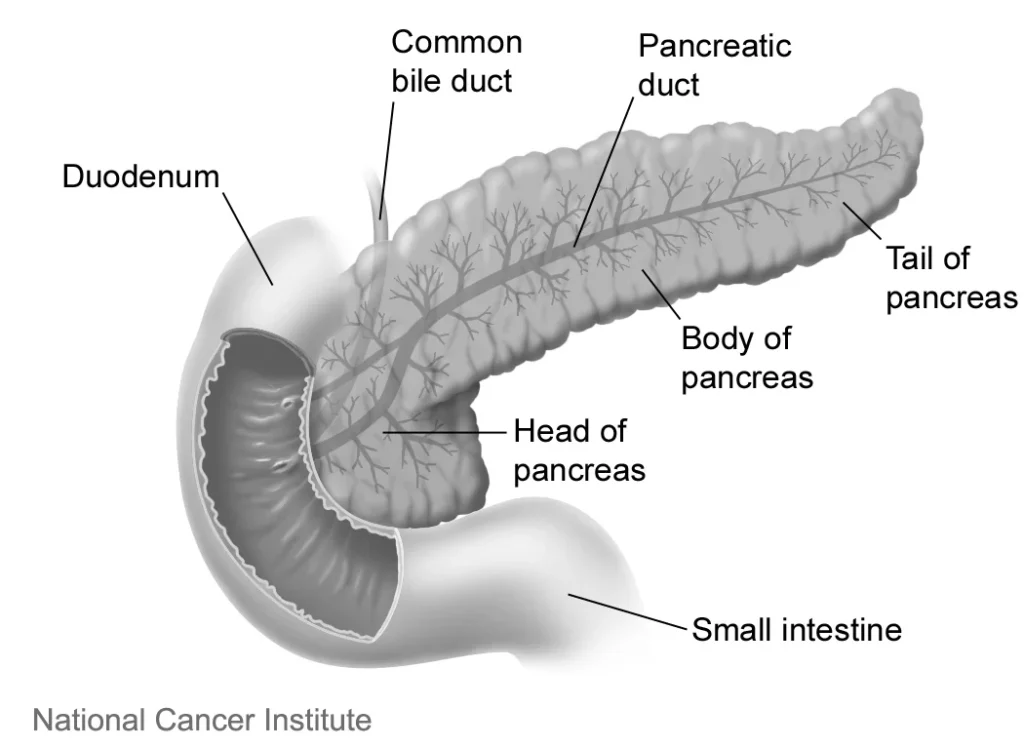
The pancreas is an organ located deep inside the abdomen, behind the stomach. It plays two important roles in the body:
- Digestion: It produces enzymes that help break down fats, proteins and carbohydrates.
- Blood sugar regulation: It produces hormones, including insulin, that help control blood glucose levels.
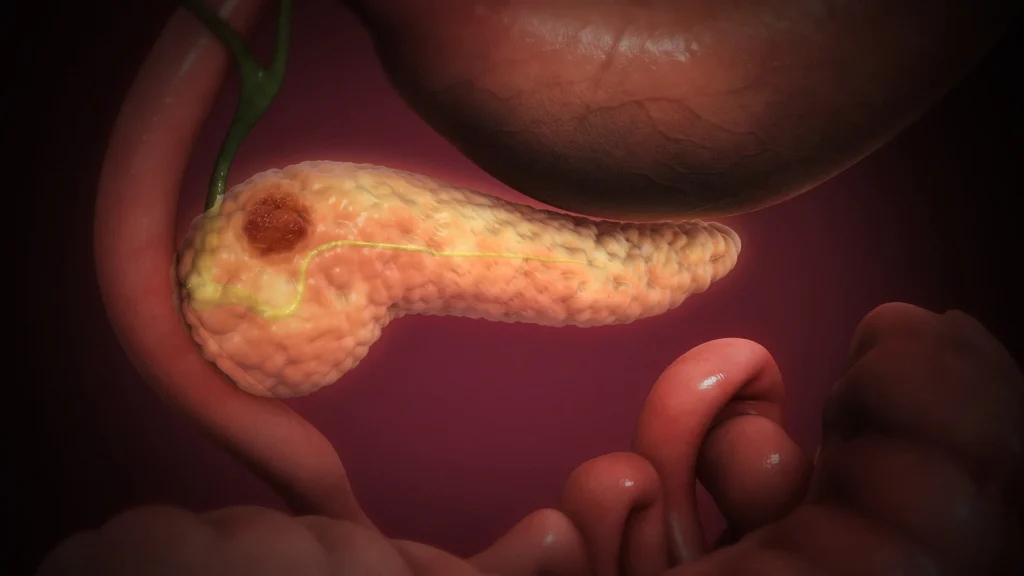
Pancreatic cancer develops when abnormal cells grow uncontrollably within the pancreas. These cells can form a tumor, invade nearby tissues and spread to other organs.
One of the biggest challenges is that early pancreatic cancer may not produce noticeable symptoms. The pancreas also sits deep inside the body, making small tumors difficult to detect through routine physical examinations.
As the disease grows, symptoms may develop because the tumor affects nearby structures, blocks the bile duct or interferes with digestion.
Cancer Research UK explains that pancreatic cancer can spread to surrounding tissues and distant organs, including the liver and lungs. (Cancer Research UK, 2026)
Can Persistent Heartburn Be a Sign of Pancreatic Cancer?
Heartburn causes a burning sensation in the chest or upper abdomen. It usually occurs when stomach acid flows back into the esophagus, the tube connecting the mouth to the stomach.
Acid reflux and gastro-esophageal reflux disease (GERD) are common causes. Certain foods, smoking, excess body weight and some medications can also contribute to symptoms.
However, indigestion is also recognized as a possible symptom of pancreatic cancer.
Pancreatic Cancer UK describes indigestion as a possible warning sign. It may involve a burning sensation in the chest, upper abdomen or throat, alongside bloating, burping and feeling unusually full after meals.
Other digestive symptoms may include:
- Frequent nausea or vomiting.
- Excessive gas and bloating.
- Feeling full after eating small amounts.
- Changes in bowel movements.
- Persistent abdominal discomfort.
These symptoms are not specific to pancreatic cancer. Most people with heartburn or indigestion do not have pancreatic cancer.
The important distinction is whether symptoms persist, worsen, change from their usual pattern or occur alongside other unexplained problems.
The NHS advises people to seek medical advice if indigestion continues despite usual treatment, particularly when accompanied by unexplained weight loss, repeated vomiting or other concerning symptoms. (NHS, 2023)
Warning Signs of Pancreatic Cancer That Should Not Be Ignored
Pancreatic cancer does not cause identical symptoms in everyone. Some people experience digestive problems, while others develop jaundice, unexplained weight loss or abdominal pain.
Recognizing these changes can help patients seek appropriate medical assessment.
1. Persistent Abdominal or Back Pain
Pain in the upper abdomen is a common symptom of pancreatic cancer.
It may begin as a dull ache or discomfort and gradually become more persistent. The pain can sometimes spread towards the back.
Some people notice that the discomfort becomes worse after eating or when lying down.
Persistent or unexplained abdominal pain, particularly when accompanied by weight loss or digestive changes, deserves medical attention.
2. Jaundice
Jaundice causes yellowing of the skin and the whites of the eyes.
It can develop when a tumor in the pancreas blocks the bile duct. This prevents bile from flowing normally from the liver into the intestine.
Other symptoms include:
- Dark-coloured urine.
- Pale or unusually greasy stools.
- Itchy skin.
- Reduced appetite.
Jaundice requires urgent medical assessment because it can indicate a blockage in the bile duct. It can also result from other conditions, including gallstones and liver disease.
3. Unexplained Weight Loss
Unintentional weight loss can occur when pancreatic cancer affects digestion and the body’s ability to absorb nutrients.
Some people lose weight despite eating normally.
A noticeable reduction in body weight without changes in diet or physical activity should be investigated, particularly when accompanied by abdominal pain or digestive problems.
4. Changes in Bowel Movements
Pancreatic cancer can affect the production of digestive enzymes, making it harder for the body to break down and absorb food.
This can cause changes in bowel movements, including:
- Persistent diarrhea.
- Constipation.
- Pale or oily stools.
- Foul-smelling stools that are difficult to flush.
These changes may indicate problems with digestion and nutrient absorption.
5. Loss of Appetite and Persistent Fatigue
Some people experience reduced appetite, nausea and a feeling of fullness after eating small amounts of food.
Persistent fatigue may also develop. It can be associated with the cancer, reduced food intake or other changes in the body.
Unexplained fatigue alongside other digestive symptoms should be discussed with a healthcare professional.
6. Newly Diagnosed Diabetes
The pancreas produces insulin, which helps regulate blood sugar levels.
Pancreatic cancer can affect insulin production and glucose regulation. In some people, diabetes develops shortly before pancreatic cancer is diagnosed.
However, diabetes is common, and most people diagnosed with diabetes do not have pancreatic cancer.
New-onset diabetes, particularly in an older adult without an obvious explanation, deserves medical attention when accompanied by unexplained weight loss or other concerning symptoms.
7. Blood Clots
Pancreatic cancer can increase the tendency of blood to clot.
Some patients develop deep vein thrombosis (DVT), which occurs when a blood clot forms in a deep vein, usually in the leg.
Warning signs include leg swelling, pain, tenderness and redness. Sudden breathlessness or chest pain may indicate a serious complication and requires emergency medical attention.
The National Cancer Institute and Pancreatic Cancer UK identify these symptoms among the possible signs associated with pancreatic cancer. (National Cancer Institute, 2026)
When Should Someone Seek Medical Attention?
Persistent digestive symptoms should not automatically be attributed to acidity or indigestion.
People should arrange a medical consultation when they experience:
- Indigestion that continues despite usual treatment.
- Repeated or worsening abdominal discomfort.
- Unexplained weight loss.
- Persistent changes in bowel movements.
- Reduced appetite without an obvious reason.
- New digestive symptoms accompanied by back pain.
Yellowing of the skin or eyes requires urgent medical assessment. Patients should not wait for symptoms to disappear before seeking help.
The NHS recommends medical review when possible pancreatic cancer symptoms worsen or do not improve after two weeks. It also advises people to seek medical attention if digestive symptoms do not improve after two weeks of their usual treatment.
Having these symptoms does not mean someone has cancer. Many digestive conditions produce similar problems. However, a medical assessment can help identify the cause and determine whether further investigations are needed. (NHS, 2023)
How Is Pancreatic Cancer Diagnosed?
Doctors use a combination of medical history, physical examinations, blood tests and imaging investigations to diagnose pancreatic cancer.
The tests depend on the patient’s symptoms and initial examination findings.
Blood Tests
Blood tests help assess general health and check liver and other organ functions.
Doctors may also measure CA 19-9, a tumor marker that can be elevated in some people with pancreatic cancer.
However, CA 19-9 cannot confirm pancreatic cancer on its own. Levels can also increase because of non-cancerous conditions, while some people with pancreatic cancer have normal levels.
Ultrasound and CT Scans
An abdominal ultrasound can help identify abnormalities in the pancreas and nearby organs.
A CT scan provides more detailed images and helps doctors assess the tumor’s size, location and possible spread.
MRI and Endoscopic Ultrasound
MRI scans provide detailed images of the pancreas and surrounding structures. A specialized technique called magnetic resonance cholangiopancreatography (MRCP) can also help examine the pancreatic and bile ducts.
Endoscopic ultrasound uses a flexible tube with an ultrasound probe. The doctor guides it through the digestive tract to obtain detailed images of the pancreas.
A tissue sample may also be collected during this procedure.
Biopsy
A biopsy involves collecting a small tissue sample for laboratory examination.
A pathologist examines the sample to identify cancer cells and determine the type of tumour.
Not every patient needs every test. Doctors select investigations based on the suspected diagnosis and earlier results. (Pancreatic Cancer UK, 2026)
Who Is at Greater Risk of Pancreatic Cancer?
Pancreatic cancer can affect people without any known risk factors. However, certain conditions and lifestyle factors are associated with a higher risk.
These include:
- Older age: The risk increases as people get older.
- Smoking: Tobacco use is an established risk factor.
- Family history: Having close relatives with pancreatic cancer can increase individual risk.
- Inherited genetic changes: Certain inherited conditions can increase susceptibility.
- Chronic pancreatitis: Long-term inflammation of the pancreas is associated with a higher risk.
- Obesity: Excess body weight is linked to an increased risk.
- Diabetes: Diabetes is associated with pancreatic cancer, although the relationship is complex.
Having one or more risk factors does not mean someone will develop pancreatic cancer. People without known risk factors can also develop the disease. (Cancer Research UK, 2026)
Can Pancreatic Cancer Be Prevented or Detected Early?
There is currently no guaranteed way to prevent pancreatic cancer.
However, certain lifestyle changes may help reduce the risk. These include:
- Avoiding tobacco and quitting smoking.
- Maintaining a healthy body weight.
- Following a balanced diet.
- Staying physically active.
- Limiting alcohol consumption.
Family history also matters. People with multiple close relatives affected by pancreatic cancer or certain inherited genetic conditions should discuss their risk with a specialist.
There is currently no standard screening program for people at average risk who have no symptoms. This is because available tests are not sufficiently reliable for routine screening of the general population.
However, selected people with a strong family history or inherited genetic risk may benefit from specialist monitoring.
The National Cancer Institute explains that screening recommendations depend on individual risk rather than applying to everyone. (National Cancer Institute, 2026)
Treatment Depends on the Stage of Pancreatic Cancer
Treatment depends on the tumors location, size, stage and whether it has spread to other parts of the body. The patient’s general health also influences treatment decisions.
For some patients diagnosed at an early stage, surgery may offer the best chance of long-term survival.
Other treatment options include:
- Chemotherapy: Uses medicines to destroy cancer cells or slow their growth.
- Radiotherapy: Uses high-energy radiation to target cancer cells in selected cases.
- Surgery: Removes the tumor when it is suitable for surgical treatment.
- Supportive and palliative care: Helps manage pain, nausea, digestive problems and other symptoms while improving quality of life.
Some patients receive a combination of treatments.
When cancer has spread to distant organs, surgery may no longer be possible. Treatment then focuses on controlling the disease, managing symptoms and supporting the patient’s quality of life.
Final Thoughts
The death of a woman just two hours after receiving a pancreatic cancer diagnosis highlights the devastating impact of a disease that can remain difficult to recognize in its early stages.
Her daughter’s account also raises an important message about persistent digestive symptoms. Although heartburn and indigestion are common, symptoms that continue, worsen or appear alongside unexplained weight loss, abdominal pain or jaundice should not be ignored.
Pancreatic cancer cannot always be detected early, and not every digestive problem indicates cancer. However, taking unexplained changes seriously and seeking appropriate medical assessment can help patients receive the investigations and care they need.
The family’s experience serves as a reminder that persistent symptoms deserve attention, even when they initially appear minor.