


Anal itching is a common complaint in children.
It may become particularly noticeable at bedtime, interrupt sleep or make a child uncomfortable during the day.
Quick Answer
Threadworms are a common cause of anal itching in children, especially when itching becomes worse at night. However, eczema, skin irritation, bacterial infections, constipation and anal fissures can cause similar symptoms.
Small, moving white worms around the anus may suggest threadworm infection. A bright red rash, painful bowel movements, dry skin or bleeding may point towards another condition.
Important: Night-time itching alone does not confirm threadworms. Persistent itching, pain, bleeding or an unusual rash should be assessed by a healthcare professional.
When this happens, many parents immediately suspect threadworms. These tiny parasites are a recognized cause of itching around the anus, especially in preschool and school-aged children.
However, threadworms are not the only possible explanation.
Skin irritation, eczema, bacterial infections, constipation and small tears around the anus can produce similar symptoms.
Treating every case as a worm infection may delay the correct diagnosis.
Understanding the differences can help parents recognize warning signs, avoid unnecessary medication and seek appropriate care.
This guide explains the common causes of anal itching in children, how they are diagnosed and when pediatric physiotherapy may be relevant.
Key Takeaways for Parents
- Threadworms commonly cause night-time itching: Children may scratch around the anus or wake frequently during the night.
- Not every itchy bottom is caused by worms: Eczema, skin irritation, infections and constipation can produce similar symptoms.
- Look for other warning signs: A bright red rash, painful bowel movements, bleeding or dry skin may suggest another condition.
- The tape test can help identify threadworms: A healthcare professional may recommend collecting samples on three consecutive mornings.
- Treatment depends on the cause: Anti-worm medicines will not treat eczema, bacterial infections or anal fissures.
- Gentle hygiene matters: Handwashing, comfortable clothing and avoiding harsh cleaning products can help protect sensitive skin.
- Physiotherapy has a limited role: Pediatric pelvic health physiotherapy may help selected children with associated bowel or pelvic floor dysfunction, not the infection itself.
What Are Threadworms?
Threadworms, also known as pinworms, are small, thin, white parasitic worms called Enterobius vermicularis.
They live in the intestine and are particularly common among young children.
Female worms move towards the anus, usually at night, to lay eggs on the surrounding skin. This can cause intense itching, which may become worse while the child is sleeping.
Children become infected after accidentally swallowing microscopic eggs.
This can happen when they touch contaminated toys, surfaces, clothing or bedding and then put their fingers in their mouths.
Scratching the itchy area can transfer eggs to the fingers and contribute to reinfection.
Threadworm infection is usually treatable, but it can spread easily between household members and sometimes recur after treatment.
According to the CDC, some infected people have no noticeable symptoms. When symptoms occur, itching around the anus is the most common complaint. (CDC, 2024)
Common Signs of Threadworms in Children
The most recognizable symptom is itching around the anus, particularly at night or in the early morning.
Parents may notice:
- Repeated scratching around the bottom.
- Difficulty settling down at bedtime.
- Waking frequently because of itching.
- Irritability or tiredness during the day.
- Redness or irritation caused by scratching.
- Occasional itching around the vaginal area in girls.
- Sometimes, mild abdominal discomfort.
Some children have a threadworm infection without showing obvious symptoms.
Parents may occasionally see tiny, white, moving worms around the anus, on underwear or in the stool. They can look like small pieces of white thread.
However, night-time itching alone does not confirm threadworms. Other conditions can cause similar discomfort, so the skin and associated symptoms also need attention.
Threadworms vs Other Causes of Anal Itching
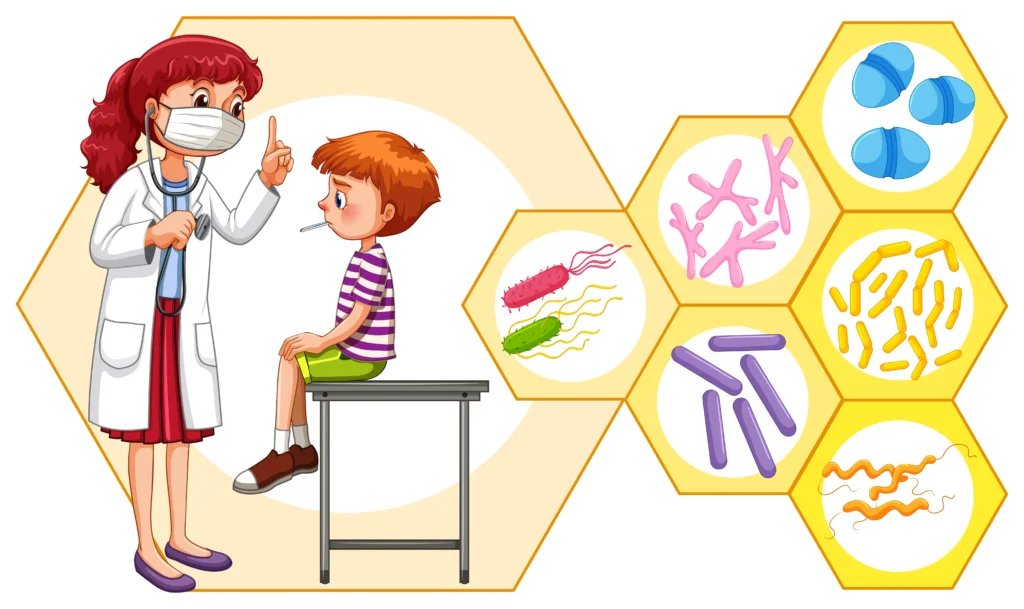
The timing of itching, appearance of the surrounding skin and presence of other symptoms can provide useful clues.
These patterns are helpful for parents to observe, but they cannot replace a medical assessment.
1. Threadworms
Typical pattern: Intense itching that is worse at night.
Threadworms should be considered when a child repeatedly scratches around the anus at bedtime or wakes up because of itching.
The skin may initially look normal. Repeated scratching can cause redness, irritation and small areas of broken skin.
A moving, white, thread-like worm around the anus, particularly at night, is a useful clue.
A healthcare professional may recommend a tape test to confirm the infection.
2. Irritant Contact Dermatitis
Typical pattern: Redness and itching associated with wiping, moisture or cleaning products.
The skin around the anus is sensitive. Frequent wiping, leftover stool, sweating and fragranced products can irritate it.
Possible triggers include:
- Fragranced soaps and bubble baths.
- Wet wipes containing perfumes or alcohol.
- Strong laundry detergents.
- Excessive wiping or rubbing.
- Tight clothing that traps moisture.
Unlike typical threadworm-related itching, irritation may continue throughout the day and become worse after bathing, sweating or using the toilet.
The skin may look red, dry or inflamed. Visible worms are not expected.
3. Eczema and Other Skin Conditions
Typical pattern: Persistent itching with dry, sensitive or inflamed skin.
Children with atopic dermatitis or eczema may experience itching in several areas of the body, including the skin around the anus.
The affected skin may appear dry, rough, red, scaly or thickened from repeated scratching.
A child may also have eczema elsewhere, such as behind the knees, around the elbows or on the hands.
Other skin conditions, including psoriasis and allergic contact dermatitis, can also affect the area.
A clinician can assess the rash and determine whether a skin condition is responsible.
4. Perianal Streptococcal Infection
Typical pattern: A sharply defined, bright red rash with possible pain or tenderness.
Perianal streptococcal dermatitis is a bacterial infection that commonly affects young children.
Parents may notice:
- Bright redness around the anus.
- A clearly defined border around the rash.
- Itching, tenderness or pain.
- Small cracks or areas of bleeding.
- Pain during bowel movements.
Some children may begin avoiding the toilet because passing stool becomes uncomfortable.
This condition is important to recognize because it requires medical assessment and appropriate antibiotic treatment. A doctor may take a swab to identify the bacteria.
A systematic review found that perianal redness, fissures, itching and blood-streaked stools were among the reported features of this infection. (Gualtieri et al., 2021)
5. Constipation and Anal Fissures
Typical pattern: Pain during bowel movements, sometimes with itching or bleeding.
Constipation can cause children to pass hard, dry or large stools.
Straining and passing hard stool may create a small tear in the skin around the anus, known as an anal fissure.
Common signs include:
- Pain while passing stool.
- Crying or resisting the toilet.
- Hard or infrequent bowel movements.
- Small streaks of bright red blood on toilet paper or stool.
- Discomfort after passing stool.
Some children start withholding stool because they are afraid of the pain. This can make constipation worse and create a cycle of discomfort.
An anal fissure is not caused by threadworms, although both conditions can occur independently.
6. Fungal or Yeast-Related Skin Infection
Typical pattern: Persistent redness and irritation, sometimes with smaller spots around the affected area.
Fungal infections can develop in warm, moist areas of the skin.
Prolonged dampness, skin irritation and certain medical circumstances may increase the likelihood.
The area may look red, inflamed or moist. Some children develop smaller spots around the main rash.
Fungal infection is not the first explanation for every case of anal itching.
A healthcare professional should examine persistent or unusual rashes before recommending antifungal treatment.
How Can Parents Tell the Difference?
The following comparison summarizes common patterns that may help parents describe their child’s symptoms during a medical consultation.
| Possible cause | Common clues |
|---|---|
| Threadworms | Night-time itching, disturbed sleep, visible moving white worms |
| Irritant dermatitis | Redness after wiping, bathing, sweating or using fragranced products |
| Eczema | Dry, sensitive, itchy skin, sometimes with eczema elsewhere |
| Streptococcal infection | Bright red, well-defined rash, tenderness or painful bowel movements |
| Constipation or fissure | Hard stools, straining, pain and occasional bright red blood |
| Fungal infection | Persistent redness in a moist area, sometimes with surrounding spots |
These patterns are not definitive diagnostic tests. A child may also have more than one condition at the same time.
Myth vs Fact: Anal Itching in Children
MYTH: Every child with anal itching has threadworms.
FACT: Threadworms are one possible cause. Eczema, skin irritation, bacterial infections and constipation-related problems can also cause itching.
MYTH: Anal itching at night always confirms threadworms.
FACT: Night-time itching is a common clue, but other conditions can also cause discomfort at night.
MYTH: A routine stool test always detects threadworms.
FACT: The tape test is generally preferred because threadworm eggs are usually deposited on the skin around the anus.
MYTH: Anti-worm medicine treats every cause of anal itching.
FACT: Anti-worm medicines treat susceptible parasitic infections. Skin conditions, bacterial infections and anal fissures need different treatments.
MYTH: Physiotherapy can eliminate threadworms.
FACT: Physiotherapy does not treat parasitic infections. It may support selected children with associated constipation or pelvic floor coordination difficulties.
How Are Threadworms Diagnosed?
A healthcare professional may identify threadworms through the child’s symptoms, examination and, when needed, a simple test.
Looking for Visible Worms
Parents may be advised to check the skin around the anus approximately two to three hours after the child has fallen asleep.
Threadworms may appear as tiny, white, moving strands around the anal opening or on nearby clothing and bedding.
The Tape Test
The tape test is commonly used to detect threadworm eggs.
It involves pressing clear adhesive tape against the skin around the anus first thing in the morning, before the child bathes, uses the toilet or gets dressed.
The sample is then examined under a microscope.
A healthcare professional may recommend collecting samples on three consecutive mornings to improve the chance of detecting eggs.
Routine stool testing is generally less useful because threadworm eggs are usually deposited on the skin around the anus rather than consistently passed in stool.
Parents should follow the healthcare professional’s instructions for collecting and handling samples. (CDC, 2024)
If the skin looks infected, a doctor may recommend a swab or another investigation to identify a bacterial or fungal cause.
Treatment Depends on the Underlying Cause
There is no single treatment for every type of anal itching. The correct approach depends on the diagnosis.
If the Child Has Threadworms
A doctor or pharmacist may recommend a suitable anti-worm medicine. Treatment commonly involves two doses, with the second dose given two weeks after the first.
This is because the medicine kills worms but does not reliably kill their eggs. The second dose helps treat worms that hatch after the initial treatment.
Household contacts may also need coordinated treatment to reduce reinfection. The exact recommendation depends on local guidance, age and individual circumstances.
Children younger than two years need particular care because not all treatments are suitable for them. Parents should seek medical or pharmacist advice rather than giving medication without checking its suitability. (CDC, 2024)
If the Cause Is Skin Irritation or Eczema
Treatment may involve removing the irritant, gentle cleaning and using an appropriate moisturizer or barrier product.
A clinician may recommend prescribed topical medication if eczema or inflammation requires additional treatment.
Avoid applying steroid creams, antiseptic products or multiple combination creams around the anus without medical advice.
If a Bacterial or Fungal Infection Is Suspected
Bacterial infections may require prescription antibiotics, while fungal infections need appropriate antifungal treatment.
Using the wrong cream can delay recovery. Persistent, painful or unusual rashes should be assessed before treatment begins.
If Constipation or an Anal Fissure Is Involved
Management focuses on making bowel movements easier and allowing the affected skin to heal.
A healthcare professional may recommend age-appropriate dietary changes, adequate fluids, regular toilet routines or medication for constipation.
Persistent constipation should be assessed rather than managed through repeated home remedies alone.
Home Care: Reducing Irritation and Preventing Reinfection
Gentle hygiene can help protect the sensitive skin around the anus, regardless of the underlying cause.
1. Clean gently
Use lukewarm water after bowel movements. Avoid vigorous wiping, repeated washing with soap or fragranced cleaning products.
2. Keep the area dry
Pat the skin dry with a soft towel rather than rubbing it. Change damp underwear promptly.
3. Encourage regular handwashing
Children should wash their hands after using the toilet and before eating. Keep fingernails short and discourage nail biting.
4. Avoid unnecessary creams
Do not apply multiple products without understanding the cause. Some ingredients can worsen irritation.
5. Follow threadworm hygiene advice when infection is confirmed
Regular handwashing, morning bathing, short fingernails and changing underwear can help reduce the spread of eggs. Follow local healthcare guidance about washing bedding, towels and clothing.
The NHS provides further advice on threadworm treatment and household hygiene. (NHS)
When Should Parents Consult a Doctor?
Occasional itching may settle after a minor irritant is removed. However, persistent or recurring symptoms should not automatically be treated as threadworms.
Arrange a medical assessment if your child has:
- Itching that continues or repeatedly returns.
- A bright red or painful rash around the anus.
- Pain during bowel movements.
- Blood on the stool or toilet paper.
- Cracked, swollen or broken skin.
- Persistent constipation or stool withholding.
- Unexplained abdominal discomfort.
- Vaginal itching or discharge alongside suspected threadworms.
- Symptoms that do not improve after appropriate treatment.
Seek prompt medical attention if the child develops fever with a painful or spreading rash, significant bleeding, severe abdominal pain, vomiting or appears unusually unwell.
Early assessment can help identify the cause and prevent unnecessary medication or prolonged discomfort.
Can Anal Itching Affect Sleep and Daily Activities?
Yes. Persistent itching can affect a child’s sleep, mood and everyday routine.
Children who wake frequently because of itching may feel tired, irritable or less attentive during the day. Repeated scratching can also damage the sensitive skin around the anus, increasing discomfort.
When bowel movements are painful, children may begin avoiding the toilet. This can contribute to stool withholding and worsen constipation.
Parents may notice restlessness, reluctance to sit comfortably or difficulty concentrating after a poor night’s sleep.
These effects do not necessarily indicate a serious condition, but ongoing symptoms deserve attention. Treating the underlying cause is more useful than repeatedly trying to suppress the itching.
Does Physiotherapy Help With Anal Itching in Children?
Physiotherapy does not directly treat threadworm infections, eczema, bacterial infections or fungal skin conditions. These problems require appropriate medical assessment and treatment.
However, pediatric physiotherapy may have a role when a child also has an identified bowel or pelvic floor problem.
For example, some children with persistent constipation have difficulty coordinating the pelvic floor muscles during bowel movements.
Others develop unhelpful toileting habits or fear passing stool after experiencing pain.
For selected children, a pediatric pelvic health physiotherapist may support a broader management plan under medical guidance. This may include:
- Education about comfortable toileting posture.
- Guidance on relaxed breathing during bowel movements.
- Support for age-appropriate toilet routines.
- Pelvic floor coordination training when clinically indicated.
- Advice on physical activity as part of general bowel health.
Recent pediatric constipation guidance supports pelvic floor physiotherapy only as an adjunct in selected cases.
It may be considered for children with suspected difficulty coordinating defecation, rather than as a routine treatment for every child with constipation.
Physiotherapy should never replace medical investigation of anal itching, rectal bleeding, suspected infection or threadworms.
Final Thoughts
Anal itching in children can have several causes, and threadworms are only one possibility. Paying attention to when the itching occurs, how the skin looks and whether your child experiences pain or changes in bowel habits can help guide the next steps.
Avoid repeatedly giving anti-worm medication without confirming the likely cause. Persistent symptoms, painful rashes or bleeding deserve medical attention.
The right diagnosis, gentle care and appropriate treatment can help your child feel comfortable, sleep better and return to everyday activities.
Conclusion
Threadworms are a common cause of anal itching in children, particularly when symptoms become more intense at night and disturb sleep.
However, skin irritation, eczema, bacterial infections, constipation and anal fissures can produce similar discomfort.
Parents should pay attention to when the itching occurs, how the surrounding skin looks and whether the child has pain, bleeding or changes in bowel habits.
These details can help a healthcare professional identify the underlying cause.
Avoid assuming that every itchy bottom is caused by worms or repeatedly giving anti-worm medication without checking the diagnosis.
If symptoms persist, return frequently or occur alongside a painful rash or bleeding, seek medical advice.
The right diagnosis and treatment can help children feel comfortable again and prevent avoidable disruption to their sleep, toileting and daily activities.
Frequently Asked Questions
1. How can I tell if my child has threadworms?
Night-time itching around the anus is a common sign. You may also notice tiny, white, moving worms around the anus or on underwear. A healthcare professional may recommend a tape test to confirm the infection.
2. Why does my child’s bottom itch more at night?
Threadworms often cause more itching at night because female worms lay eggs on the skin around the anus during this time. However, skin irritation and other conditions can also cause night-time discomfort.
3. Can eczema cause itching around a child’s anus?
Yes. Eczema can affect the sensitive skin around the anus and cause dryness, redness and persistent itching. A healthcare professional can help distinguish eczema from an infection or other skin condition.
4. Can constipation cause anal itching in children?
Yes. Hard stools and straining can cause small tears called anal fissures. These may lead to pain, irritation and occasional bright red blood during bowel movements.
5. How is threadworm infection diagnosed?
A healthcare professional may recommend the tape test. Clear adhesive tape is pressed against the skin around the anus first thing in the morning and examined under a microscope. Samples may be collected on three consecutive mornings.
6. How long does threadworm treatment take?
Treatment commonly involves two doses of an appropriate anti-worm medicine, with the second dose given two weeks after the first. Itching may not disappear immediately. Follow the advice of your child’s doctor or pharmacist.
7. When should I take my child to a doctor for anal itching?
Seek medical advice if itching persists, repeatedly returns or occurs with a bright red rash, pain, bleeding, constipation or broken skin. Fever with a painful or spreading rash also needs prompt assessment.
8. Can physiotherapy help children with anal itching?
Physiotherapy does not treat threadworms or skin infections. A pediatric pelvic health physiotherapist may help selected children with associated constipation or pelvic floor coordination difficulties as part of a broader care plan.
Stay tuned with us for more health related topics.
Follow us on LinkedIn and Instagram for more.
More Read




Medical Disclaimer
The information in this article is intended for general educational purposes only. It should not be considered a substitute for professional medical advice, diagnosis or treatment.
Anal itching in children can have several causes, and symptoms may overlap. Always consult a qualified healthcare professional if your child has persistent itching, pain, bleeding, an unusual rash or other concerning symptoms.
Do not start, stop or change medication based solely on information in this article. Follow the advice of your child’s doctor or pharmacist.