


Ankle mobility is a fundamental yet often overlooked component of overall musculoskeletal health. One of the simplest and most effective exercises to improve ankle mobility and enhance blood circulation is the ankle pumps exercise.
Whether you are an athlete, an older adult, someone recovering from surgery, or anyone who sits for long periods, strong and flexible ankle joints are essential.
Despite its simplicity, ankle pumps play a significant role in injury prevention, mobility improvement, and even cardiovascular health.
Also Read: 10 Best Daily Stretches for Back Pain Relief at Home
What Are Ankle Pumps?
Ankle pumps are a simple movement in which you flex your foot up (toward your shin) and down (pointing toward the ground).
This repetitive motion engages the muscles around the ankle, stimulates blood flow in the lower leg, and gently mobilizes the ankle joint.
You can perform ankle pumps exercise in bed, in a chair, or while lying down, making them accessible to people of all ages and fitness levels.
Most people think of stretching or strengthening exercises only for knees or hips, but ankle mobility is critical for proper gait mechanics, balance, and overall lower limb function.
The Science Behind Ankle Pumps and Circulation
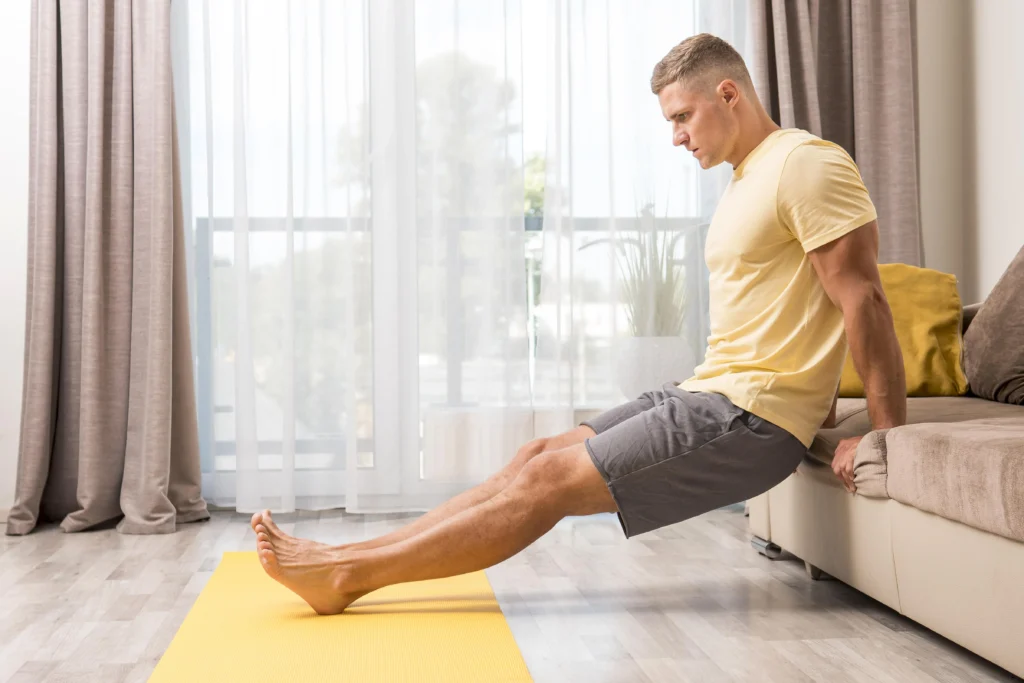
When you move your ankle through dorsiflexion (foot up) and plantarflexion (foot down), you activate the calf muscle pump, a mechanism that helps propel blood back toward the heart.
The calf muscle pump is sometimes referred to as the “second heart” because its contraction assists venous return, reducing swelling and supporting healthy circulation in the lower extremities.
Poor circulation in the legs can lead to swelling, heaviness, discomfort, and even a higher risk of blood clots in sedentary individuals or those recovering from surgery.
Ankle pumps are a recommended strategy to counteract these issues, as shown in rehabilitation protocols and vascular health guidelines.
Additionally, ankle pumps exercise are prescribed following surgeries such as knee replacement or hip surgery to reduce the risk of blood clots and improve tissue mobility.
The movement stimulates circulation without causing joint stress, making it ideal during early stages of rehabilitation when high-impact exercises may be unsuitable.
Also Read: 15 Minute Full-Body Stretch To Relieve Your Stress- Proven Ways
Why Ankle Mobility Matters
Ankle mobility is critical for:
- Proper walking mechanics: Limited ankle range of motion can lead to compensatory movement in knees or hips.
- Balance and fall prevention: Good dorsiflexion is associated with improved balance reactions.
- Efficient athletic movements: Runners and jumpers rely on ankle mobility for force absorption and propulsion.
- Joint health: Restricted ankles contribute to altered gait and can increase knee or lower back stress.
Therefore, improving ankle mobility through ankle pumps has a ripple effect on overall lower limb function.
How to Perform Ankle Pumps Correctly
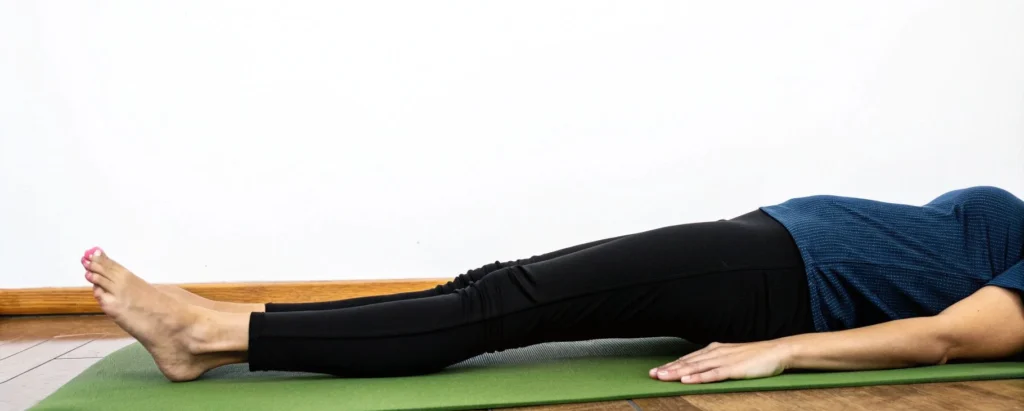
Even though ankle pumps exercise is simple, proper technique enhances effectiveness and prevents discomfort.
Step-by-Step Guide
- Positioning: Sit or lie down with your legs extended or slightly bent. You can also perform this in bed or seated at a desk.
- Initiate the Pump: Point your toes downward toward the floor, then pull them upward toward your shin.
- Smooth and Controlled Motion: Avoid jerky movements. Each flexion should be deliberate and gentle.
- Breathing: Breathe naturally, don’t hold your breath.
- Repetitions: Perform 20–30 pumps per session, several times a day (every 1–2 hours if sedentary or post-surgery).
- Duration: Repeat multiple sets throughout the day to maximize circulation benefits.
This rhythmic up-and-down motion improves venous return and enhances joint mobility without placing stress on the ankle structures.
Also Read: Knee-to-Chest Stretch for Bach Pain Relief and Spinal Flexibility- A Complete Guide
Research and Evidence Supporting Ankle Pump Use
1. Post-Surgical Circulation and DVT Prevention
In the context of orthopedic surgery (such as knee or hip replacement), early mobilization including ankle pumps is recommended to reduce the risk of deep vein thrombosis (DVT).
Clinical guidelines suggest that ankle pumping helps stimulate the muscle pump and prevent venous stasis, which is a risk factor for blood clots.
2. Circulation in Sedentary Populations
Studies on prolonged sitting (such as long flights or desk work) show that periodic ankle movements like pumps improve lower limb circulation and reduce swelling.
Although more large-scale research is needed, current evidence supports simple movement breaks for vascular health.
3. Ankle Joint Mobility and Functional Movement
While much of the literature focuses on rehabilitation, emerging research suggests that ankle mobility is correlated with functional outcomes in gait and balance, particularly in older adults and individuals recovering from injury.
Collectively, these findings reinforce the clinical value of ankle pumps as a low-impact, high-benefit movement.
Also Read: Cat Cow Stretch Benefits for Back Pain- A Complete Guide
Lesser-Known Benefits of Ankle Pumps
Beyond general circulation and mobility, ankle pumps offer surprising advantages that many people overlook.
1. Lymphatic Flow Support
The lymphatic system does not have a central pump like the heart. Instead, lymph movement relies on muscle contractions.
Ankle motion assists not only blood circulation but also lymphatic drainage from the lower legs.
2. Foot Arch Engagement
Active ankle movement subtly engages intrinsic foot muscles, which can support foot arches and improve overall lower limb stability.
3. Early Stage Rehabilitation Tool
In cases where weight-bearing or full walking is not yet appropriate (like early post-injury or post-surgery periods), ankle pumps are a safe way to maintain activity without aggravating healing tissues.
4. Sympathetic Nervous System Regulation
Gentle rhythmic motion has a calming effect on the nervous system. Coupled with slow breathing, ankle pumps can reduce stress-related muscle tension.
These lesser-known insights make the exercise valuable beyond simple mobility work.
Advanced Techniques and Variations
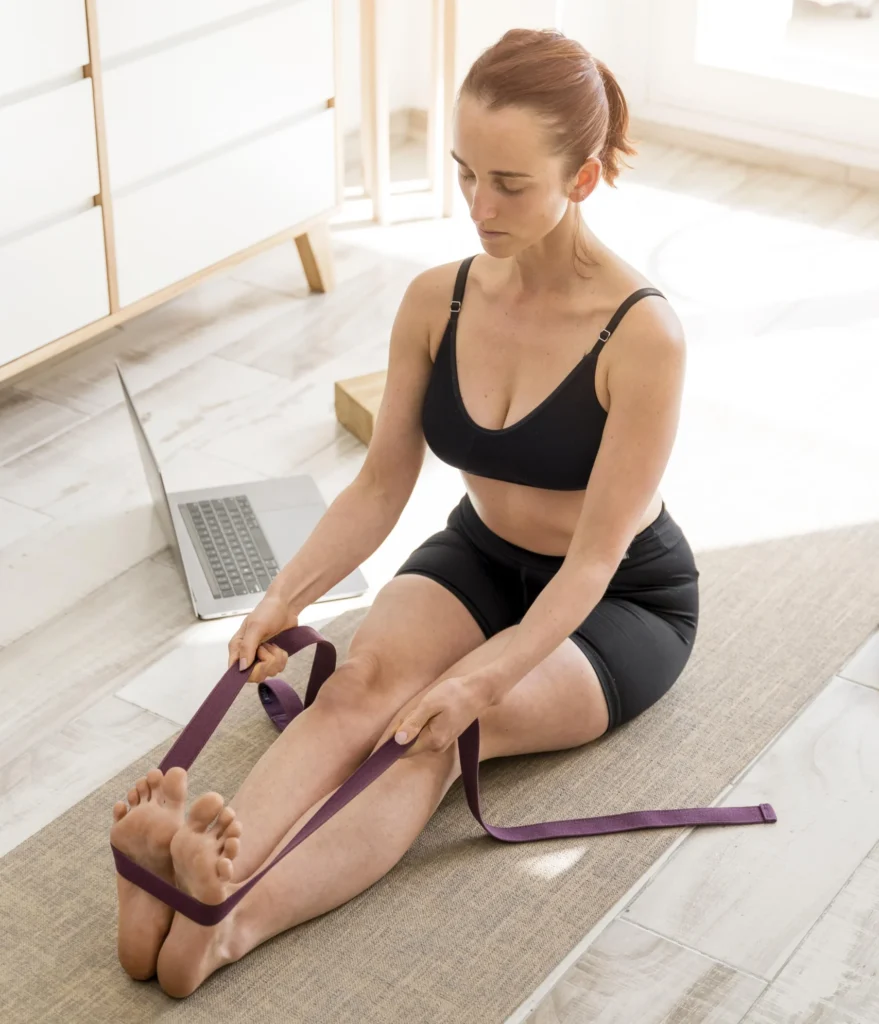
Once the basic ankle pumps are comfortable, you can enhance the exercise to challenge your mobility, balance, and lower limb engagement.
1. Resistive Ankle Pumps
Use a resistance band around your foot to add gentle resistance. This increases muscle engagement and improves strength alongside circulation.
2. Point-Hold-Flex Sequence
Instead of just pumping up and down, add a brief pause at both ends of the movement to increase stretch and control.
3. Seated Foot Circles
Combine pumps with circles (both clockwise and counterclockwise) to enhance multi-dimensional joint mobility.
4. Dynamic Functional Integration
Perform ankle pumps before standing or walking segments to activate muscles pre-movement, improving subsequent muscle quality.
These variations make ankle pumps adaptive for fine-tuning rehabilitation and movement optimization.
Also Read: Ultimate Guide to Home Physiotherapy for Back Pain
When to Use Ankle Pumps
Ankle pumps are most effective when performed throughout the day, especially in specific circumstances:
- After long periods of sitting (office work, long travel)
- During bed rest or early post-operative rehabilitation
- As part of a daily mobility routine
- Before and after physical activity to enhance warm-up and recovery
- To reduce swelling after standing or walking
Unlike high-intensity exercises, ankle pumps can be done virtually anywhere, anytime, making them ideal for busy schedules.
Nutrition and Lifestyle for Joint Health and Circulation

While exercise matters, nutrition and lifestyle also significantly influence joint mobility and blood flow.
1. Anti-Inflammatory Foods
Include omega-3 rich foods (like salmon and chia seeds), berries, leafy greens, and turmeric to support inflammatory balance.
2. Hydration
Adequate water intake ensures optimal blood flow and lymphatic function, which complements ankle pump benefits.
3. Warm Hydration Before Exercise
Drinking warm water or herbal tea (ginger, cinnamon) before mobility work enhances circulation and muscle relaxation.
4. Proper Footwear
Supportive shoes reduce compensatory strain on ankles and improve overall biomechanics.
These dietary and lifestyle habits amplify the positive impact of ankle pump exercises.
Also Read: Spinal Twists for Lower Back Pain Relief- A Complete Guide
My Clinical Experience
In my clinical experience, ankle pumps are one of the most underutilized yet powerful exercises for joint health and circulation.
I often recommend them to patients recovering from surgery, people with sedentary jobs, older adults, and anyone who experiences swelling or stiffness in the lower legs.
Their simplicity makes them easy to perform, yet the impact on circulation and joint mobility can be profound.
Most importantly, ankle pumps remind us that movement, even very small movement, acts as medicine for the body.
When practiced consistently with mindful breathing and proper technique, these gentle pumps can make your legs feel lighter, your joints more mobile, and your body more responsive to activity.
Also Read: How to Understand What Really Causes You Pain?
What’s next
Start by performing ankle pumps three times a day, in the morning, mid-day, and evening. Begin with 20–30 pumps per leg and gradually increase to 50- 60 as you feel comfortable.
Pair this with gentle calf stretches and light walking to enhance overall lower limb strength and mobility.
Also Read: This 7 day knee strengthening exercise plan works like Miracle
A Common Misconception
Many people think ankle mobility is only important for dancers or athletes. In reality, ankle health influences walking, balance, knee joint stress, and even lower back mechanics.
Addressing ankle mobility through simple exercises like ankle pumps often yields benefits far beyond what people expect.
Also Read: Bird Dog Exercises for Back Pain Relief and Core Strengthening
Frequently Asked Questions (FAQ)
1. What are the primary benefits of ankle pumps?
Ankle pumps improve circulation, increase ankle joint mobility, reduce swelling, and support vascular and lymphatic health.
2. Can I do ankle pumps if I have diabetic neuropathy?
Yes, but start gently and consult your healthcare provider, as nerve sensitivity may require personalized guidance.
3. How often should I perform ankle pumps?
Aim for short sets every 1–2 hours during sedentary periods, or 3–5 times daily as part of a mobility routine.
4. Do ankle pumps help with swelling after exercise?
Yes. They promote circulation and fluid return, which can reduce post-exercise swelling.
5. Can I incorporate ankle pumps with other therapies?
Absolutely. They integrate well with stretches, strength exercises, and walking routines.
6. Are ankle pumps safe post-surgery?
Generally yes, and they are often recommended early to reduce clot risk. Follow your surgeon or therapist’s guidance.
7. Should I feel pain doing ankle pumps?
A gentle stretch is normal, but sharp or worsening pain is not. Reduce range or consult a clinician.
8. Can children do ankle pumps?
Yes, they are safe and beneficial for children, especially during long sitting or travel.
9. Do ankle pumps help with foot cramps?
Yes, gentle motion can relieve cramping and improve circulation to the feet.
10. Should I combine ankle pumps with deep breathing?
Yes, synchronizing breath enhances relaxation and circulation benefits.
Also Read: Child’s Pose Exercise for Back Pain Relief- A Complete Guide
Final Thought
Ankle pumps are a small but powerful tool in your movement and health toolkit.
Whether you are recovering from an injury, sitting at a desk all day, or simply seeking to improve your joint health, this simple motion can make a meaningful difference in your well-being.
Add ankle pumps to your daily habit, treat your body with consistency, and you may be surprised by how something so simple can unlock mobility and resilience throughout your lower body.
Stay tuned with us for more heath related topics.
Follow us on LinkedIn and Instagram for more.
More Read


Medical Disclaimer!
This article has been reviewed and written under the guidance of our Head Physiotherapist, Dr. Kruti Raj (PT, MUHS,CPT,CMPT). The information shared is intended for educational purposes only and should not be considered a substitute for personalized medical advice, diagnosis, or treatment.
Please consult us or any other qualified healthcare professional before beginning any exercise program, especially if you are experiencing pain, recovering from injury, or managing a medical condition.


