


Shoulder mobility isn’t just about doing fancy arm movements or hitting the gym. Rather, it’s about giving your body consistent, gentle care so that everyday tasks, from reaching overhead to lifting a bag, feel smooth, easy, and pain-free. A gentle shoulder mobility routine at home can make a meaningful difference, helping you maintain flexibility, improve joint function, and move comfortably without strain.
Whether you work on screens all day, carry heavy loads, or simply want to maintain vibrant joint health, improving shoulder mobility at home can profoundly impact your comfort and function.
Why Shoulder Mobility Matters

Your shoulder is one of the most mobile joints in the human body. It combines flexibility with strength, enabling a wide range of motion in multiple directions.
However, because it is so complex, it is also prone to stiffness, pain, and dysfunction.
Also Read: 10 Best Daily Stretches for Back Pain Relief at Home
Common Causes of Restricted Shoulder Mobility
Over time, daily habits such as sitting with rounded shoulders, hunching over devices, or repetitive movements with poor posture can lead to:
- Reduced range of motion.
- Muscle imbalance around the shoulder blades.
- Stiffness and pain during activities like reaching overhead or behind the back.
Indeed, research shows that gentle exercise can reduce shoulder pain and improve mobility and function in individuals with conditions like subacromial shoulder pain (pain affecting the rotator cuff and surrounding tendons). In fact, shoulder exercises are considered a primary therapy for this condition in physical therapy settings. (PubMed)
Also Read: 15 Minute Full-Body Stretch To Relieve Your Stress- Proven Ways
The Science Behind Gentle Mobility Work
Recent research continues to underscore the benefits of regular mobility exercise:
- A 2025 study found that daily exercises using a foam roller significantly improved shoulder flexion in older women with posture-related limitations. This suggests that consistent gentle practice not only improves mobility but may also influence posture and alignment. (ScienceDirect)
- Beyond that, active mobility routines exercise the supporting muscles, including the rotator cuff, deltoids, and scapular stabilizers, which are critical for controlling shoulder movement and preventing strain.
Also Read: Knee-to-Chest Stretch for Bach Pain Relief and Spinal Flexibility- A Complete Guide
How Gentle Mobility Differs from Stretching
It’s important to distinguish mobility exercises from simple stretching:
- Stretching focuses on lengthening muscles.
- Mobility work improves control, coordination, and movement quality within the joint’s available range.
Together, they ensure the shoulder moves efficiently and safely.
Also Read: Ultimate Guide to Home Physiotherapy for Back Pain
Before You Start: Safety and Preparation
Because the shoulder is complex, you should:
- Warm up with light movement before beginning your mobility routine.
- Avoid sharp pain– a stretching sensation is okay, but sharp or stabbing pain isn’t.
- Modify if needed– use a wall, chair, towel, or band to support your movements.
- Consult a professional if you have a recent shoulder injury, surgery, or severe pain.
Also Read: How to Understand What Really Causes You Pain?
Gentle Shoulder Mobility Routine at Home (Step-By-Step)
Below is a complete, easy-to-follow 10-minute gentle shoulder mobility routine at home with minimal equipment (towel and wall recommended).
1. Shoulder Rolls (1 minute)
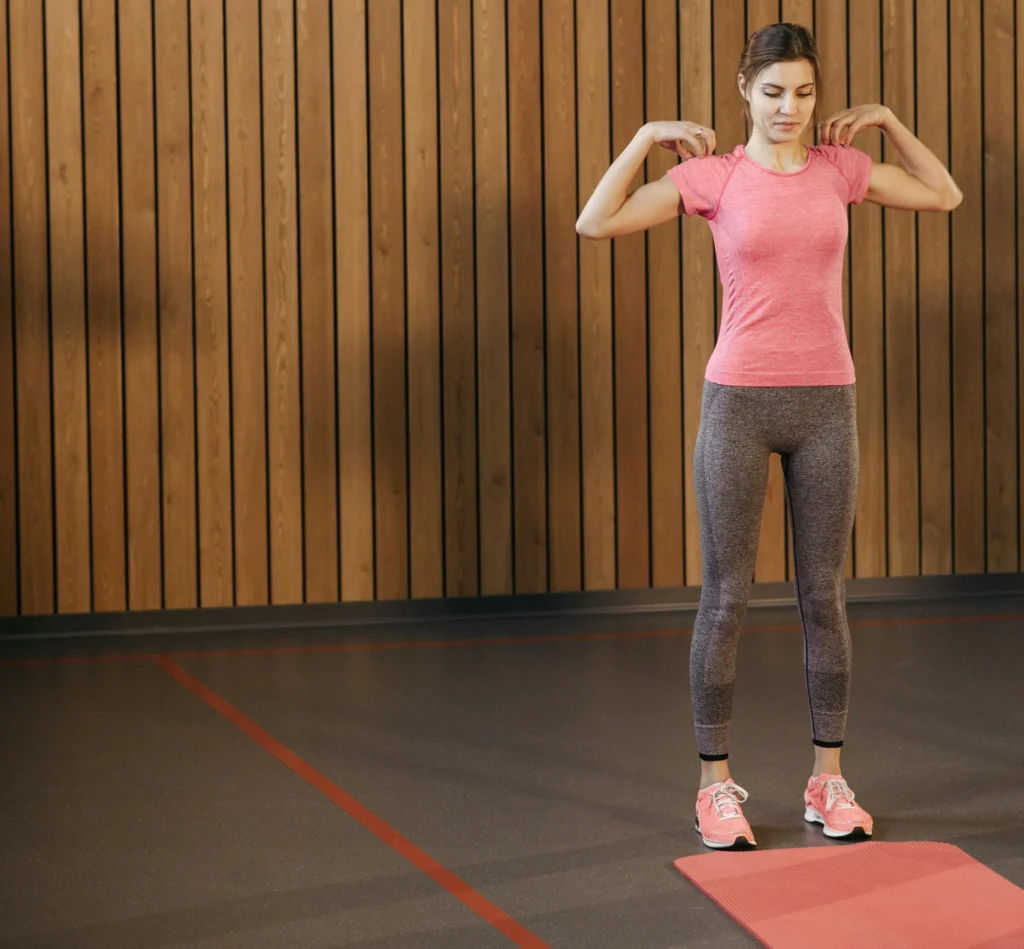
- Stand tall with your arms relaxed.
- Slowly roll your shoulders up, back, and down in a circular motion.
- Repeat 10 times, then switch direction.
Why it helps: Loosens the joint capsule and improves blood flow to the muscles. (Senior Fitness)
2. Wall Angels (2 minutes)

- Stand with your back against a wall.
- Bring your arms up to shoulder height (like a goalpost), elbows at 90°.
- Slide your arms upward and downward, keeping contact with the wall.
Why it helps: Opens the chest and activates upper back muscles, improving shoulder blade mobility. (Marie Claire UK)
3. Pendulum Swings (1–2 minutes)

- Lean forward slightly, supporting your body with one hand on a chair.
- Let the opposite arm hang and gently swing in small circles.
Why it helps: Gravity-assisted motion increases joint lubrication and releases tightness. (MikoloFitness)
4. External Rotation With Towel or Band (1–2 minutes)
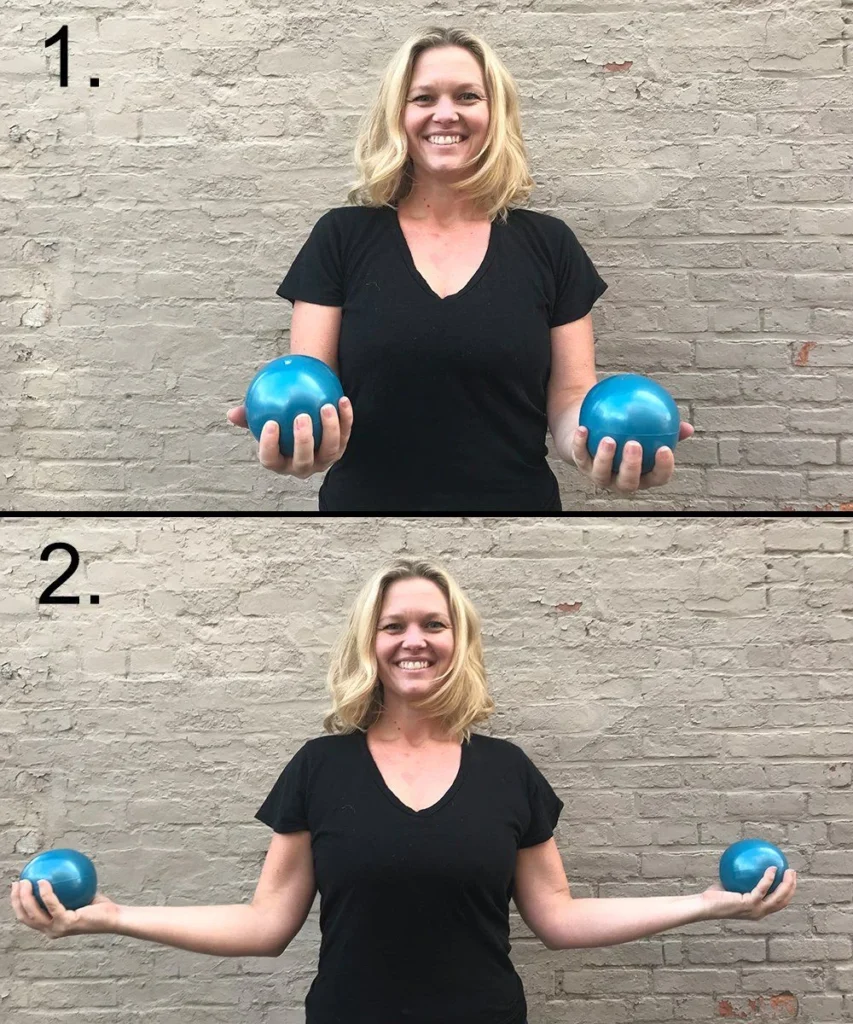
- Hold a towel or light band in both hands, elbows bent at 90°.
- Rotate your forearms outward without letting your shoulders rise.
Why it helps: Targets the rotator cuff for improved joint control. (betterhood)
5. Cross-Body Stretch (1 minute each side)

- Bring one arm across your chest.
- Use your opposite hand to support the elbow and gently stretch.
Why it helps: Gently elongates muscles at the back of the shoulder. (betterhood)
6. Doorway Chest Stretch (1–2 minutes)

- Stand in a doorway, arms on the frame at shoulder height.
- Lean forward slightly, keeping your shoulders down.
Why it helps: Counteracts rounded posture and opens the anterior (front) shoulder. (Liv Hospital)
Also Read: Home Physiotherapy Exercises for Knee Pain That Actually Work
Lesser-Known Facts About Shoulder Mobility
While most routines emphasize basic stretches, there are important nuances worth knowing:
Posture Matters More Than You Think
Mobility isn’t just about shoulders, poor thoracic (upper back) posture limits shoulder motion. Exercises like thoracic extensions (e.g., the cobra overhead reach) can add additional benefits, especially for desk workers. (T3)
Daily Consistency Beats Intensity
Even short mobility sessions done daily lead to better outcomes than infrequent intense workouts. That’s because the shoulder responds to frequent, gentle stimulation and improved movement patterns.
Mind-Body Awareness Improves Results
Rather than rushing through repetitions, focus on controlled movement and deep breathing. This activates stabilizing muscles and reduces guard-like tension around the shoulder joint.
Also Read: This 7 day knee strengthening exercise plan works like Miracle
When to Seek Professional Help
While gentle mobility work is safe for most people, you should stop exercising and consult a medical professional if:
- Pain worsens after the session.
- You experience numbness, sharp pain, or weakness.
- You have swelling, redness, or recent injury.
Also Read: Ultimate Guide to Home Physiotherapy for Back Pain
Frequently Asked Questions (FAQ)
Q1. How long should I do this routine?
Start with 5–10 minutes daily and gradually progress to 15 minutes as comfortable.
Q2. Can shoulder mobility exercises help with pain?
Yes, research shows that regular mobility exercises can reduce pain and improve function in shoulder conditions such as subacromial pain syndrome.
Q3. Do I need equipment?
No. Most exercises require no equipment. A towel, band, or wall support can enhance results, but are not necessary.
Q4. Is mobility different from stretching?
Yes. Stretching lengthens muscles, while mobility improves functional movement within a range of motion.
Q5. When should I avoid these exercises?
Avoid them if you feel sharp pain, worsening symptoms, or have a serious shoulder condition without professional guidance.
Also Read: Frozen shoulder- From frozen to free !
Our Framework for Lasting Shoulder Mobility
To make this routine effective and sustainable, follow a simple framework:
1. Prepare
Warm up with light shoulder movement for 1–2 minutes (e.g., shoulder rolls).
2. Mobilize
Focus on gentle controlled movements (e.g., wall angels, pendulum swings).
3. Stretch
Use static stretches (cross-body and doorway) to elongate tissues.
4. Integrate
Add mobility into daily tasks (e.g., arm reaches before chores, overhead movements when dressing).
5. Progress
Incrementally increase time or repetitions as comfort improves, listening to your body.
Also Read: Spinal Twists for Lower Back Pain Relief- A Complete Guide
Closing Thoughts
Improving shoulder mobility doesn’t require gym equipment or painful workouts. Instead, with regular, gentle movements that honor your body’s limits, you can enhance flexibility, reduce discomfort, and improve functional movement.
Whether you’re just starting or looking to maintain shoulder health, this gentle home mobility routine offers a safe, effective, and evidence-based path forward.
Also Read: Bird Dog Exercises for Back Pain Relief and Core Strengthening
A Physiotherapist’s Advice for Long-Term Shoulder Health
From a physiotherapy perspective, the key to lasting shoulder mobility is not aggressive stretching but rather progressive, controlled movement combined with muscular balance. In clinical practice, we often see that shoulder stiffness is rarely just a shoulder issue.
Instead, it commonly involves poor scapular control, tight chest muscles, weak upper back stabilizers, and limited thoracic spine mobility. Therefore, focus on quality over quantity. Move slowly, maintain proper posture, and breathe steadily during each exercise.
Additionally, if discomfort persists beyond two to three weeks despite consistent gentle mobility work, it is advisable to consult a licensed physiotherapist for a personalized assessment.
Early intervention can prevent minor stiffness from progressing into chronic shoulder dysfunction. Above all, remember that mobility is a daily habit, not a one-time fix.
Frequently Asked Questions (FAQs)
1. What causes shoulder stiffness and pain?
Shoulder stiffness and pain can occur due to poor posture, prolonged desk work, muscle tightness, lack of movement, overuse injuries, or conditions such as frozen shoulder and rotator cuff irritation.
2. Can shoulder mobility exercises reduce pain?
Yes. Gentle shoulder mobility exercises help improve joint movement, reduce muscle tension, increase blood circulation, and gradually relieve stiffness and discomfort.
3. How often should I perform shoulder mobility exercises?
Most gentle shoulder mobility exercises can be performed daily. A short 10-minute routine once or twice a day can help maintain flexibility and reduce stiffness.
4. Are shoulder mobility exercises safe for beginners?
Yes. When performed slowly and with proper technique, gentle shoulder mobility exercises are generally safe for beginners and people with mild shoulder stiffness.
5. Can poor posture lead to shoulder pain?
Yes. Poor posture, especially rounded shoulders and forward head posture, can place extra strain on the shoulder muscles and joints, leading to discomfort and restricted movement.
6. How long does it take to improve shoulder mobility?
With regular practice, many people begin noticing improvements in shoulder flexibility and comfort within a few weeks.
7. When should someone seek medical help for shoulder pain?
If shoulder pain is severe, persists for several weeks, or is associated with weakness, swelling, or inability to move the arm, medical evaluation is recommended.
Stay tuned with us for more health related topics.
Follow us on LinkedIn and Instagram for more.
More Read


Medical Disclaimer!
This article has been reviewed and written under the guidance of our Head Physiotherapist, Dr. Kruti Raj (PT, MUHS,CPT,CMPT). The information shared is intended for educational purposes only and should not be considered a substitute for personalized medical advice, diagnosis, or treatment.
Please consult us or any other qualified healthcare professional before beginning any exercise program, especially if you are experiencing pain, recovering from injury, or managing a medical condition.


