Neck pain has become one of the most common musculoskeletal problems in modern life. Increased smartphone use, prolonged computer work, and poor posture have significantly increased cervical spine disorders worldwide.
Office workers, students, dentists, and homemakers frequently report symptoms such as neck stiffness, reduced mobility, headaches, and shoulder tension.
From a physiotherapy perspective, long term recovery from neck pain requires more than temporary pain relief.
Medication may reduce symptoms for a short period, but rehabilitation exercises address the underlying causes such as muscle weakness, poor posture, and reduced spinal stability.
One of the most effective strategies used by physiotherapists is a structured 6 week neck rehabilitation program.
This duration allows enough time for cervical muscles to regain strength, improve endurance, and restore proper movement patterns.
Clinical research shows that structured cervical exercise programs lasting approximately six weeks significantly improve neck pain, cervical mobility, and muscle endurance. Anderson et al., 2022
A progressive rehabilitation plan not only reduces pain but also helps prevent recurrence by improving posture and strengthening the muscles that support the cervical spine.
Read about our Complete Neck Pain Guide : Causes, Symptoms, Exercises and Treatment
Quick Answer
A 6 week neck rehabilitation program is a structured physiotherapy exercise plan designed to reduce neck pain, improve cervical mobility, strengthen neck muscles, and correct posture. The program gradually progresses from gentle mobility exercises to strengthening and stabilization training.
Research shows that consistent neck rehabilitation exercises performed for six weeks can significantly improve neck pain, muscle endurance, and cervical spine function.
When performed consistently, this program helps restore cervical stability and prevents recurring neck pain.
Read more: Is Cervical Traction For Neck Pain Really Effective
Key Takeaways
- A structured 6 week neck rehabilitation program helps reduce pain and restore cervical spine function.
- Exercises should progress gradually from mobility training to strengthening and stabilization.
- Deep neck flexor activation and scapular strengthening are essential components of rehabilitation.
- Posture correction plays a major role in preventing chronic neck pain.
- Consistency is important, and exercises should ideally be performed 4 to 5 times per week.
- Improving workstation ergonomics and sleep posture can enhance recovery.
- If neck pain persists beyond six weeks or radiates to the arms, professional physiotherapy evaluation is recommended.
Also read: How to Relieve Neck Tightness Without Equipment
Understanding Neck Pain from a Physiotherapy Perspective
The cervical spine consists of seven vertebrae supported by muscles, ligaments, and discs. These structures allow the neck to move in multiple directions while protecting the spinal cord.
However, modern lifestyle habits often overload these structures. Prolonged sitting and forward head posture place continuous stress on cervical muscles and ligaments.
Forward head posture can increase the load on cervical structures significantly, leading to muscle fatigue and joint strain. Ruivo et al., 2015
When neck muscles become fatigued or weak, the spine loses its natural support system. Over time this can lead to stiffness, pain, reduced mobility, and headaches.
Physiotherapy rehabilitation focuses on restoring normal muscle balance and improving movement control.
Learn how posture affects neck pain and correction exercises in our article on Simple Posture Correction Exercises for Forward Head Posture
Why a Six Week Rehabilitation Program Works

Muscle recovery and neuromuscular retraining require time. Short exercise routines performed for a few days rarely produce lasting improvement.
A six week rehabilitation program allows the body to progress through several recovery stages.
These stages typically include:
1 Pain reduction
2 Mobility restoration
3 Muscle activation
4 Strength development
5 Endurance training
6 Functional stabilization
Studies evaluating six week cervical rehabilitation programs have demonstrated improvements in pain intensity, neck disability scores, and muscle endurance. Ahmed et al., 2025
Another study investigating cervical stabilization exercises reported improvements in posture and neck pain after structured training. Zoting et al., 2024
These findings explain why physiotherapists often prescribe rehabilitation programs lasting several weeks rather than isolated exercises.
Read in detail about: Cervical Radiculopathy: Why Neck Nerve Pain Travels to the Arm
Who Can Benefit from a Six Week Neck Rehabilitation Program
A structured rehabilitation program may help individuals experiencing:
- Chronic neck pain
- Recurrent neck stiffness
- Forward head posture
- Desk related neck discomfort
- Early cervical spondylosis
- Muscle imbalance in the neck and shoulders
However medical consultation is recommended before starting exercises if symptoms include severe arm pain, numbness, muscle weakness, or dizziness.
Read in detail about: What is Cervical Spondylosis? The Truth Behind Chronic Neck Pain
How Long Does Neck Rehabilitation Take to Work?
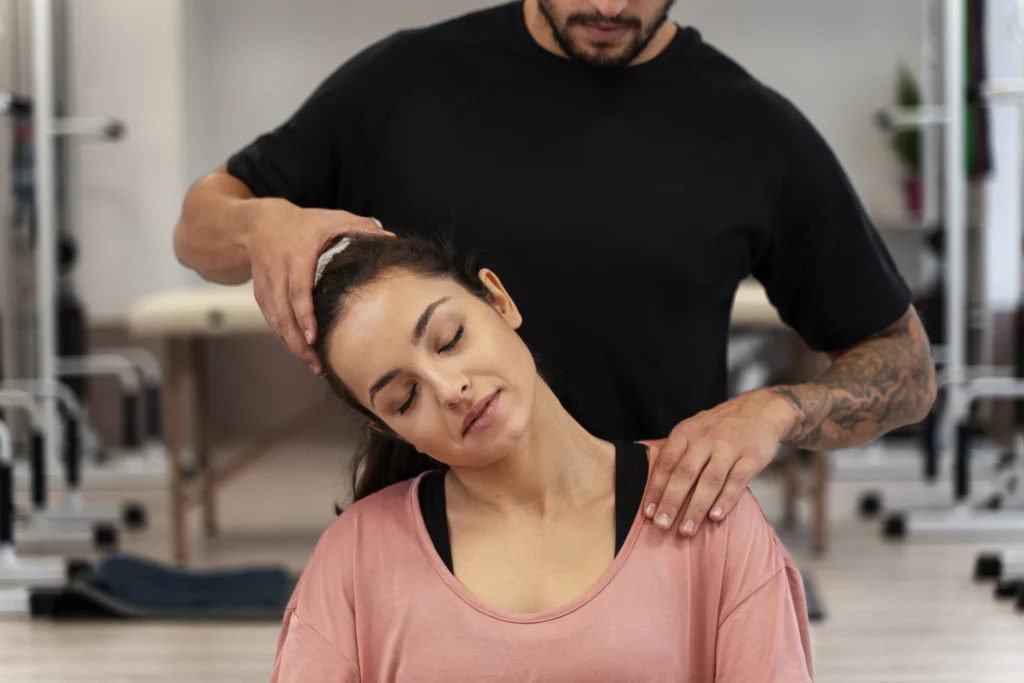
Many patients starting physiotherapy often ask how quickly they will notice improvements in their neck pain.
While recovery timelines vary between individuals, most people begin to experience gradual improvements within the first few weeks of a structured rehabilitation program.
During the initial stages of rehabilitation, exercises focus on improving mobility and reducing muscle tension.
As the program progresses, strengthening and stabilization exercises help restore proper muscle function.
Clinical studies evaluating cervical exercise programs have reported noticeable improvements in pain levels and neck function within six weeks of consistent training. Anderson et al., 2022
However, several factors influence recovery time, including:
- severity of the neck condition
- duration of symptoms
- posture habits
- consistency with rehabilitation exercises
- overall physical health
For mild posture related neck pain, patients may experience significant relief within two to four weeks.
Chronic neck pain conditions may require longer rehabilitation and ongoing maintenance exercises.
Research also suggests that adherence to rehabilitation exercises plays a crucial role in recovery outcomes. Ahmed et al., 2025
Patients who perform exercises regularly and improve their posture habits tend to achieve better long term results compared to those who rely only on passive treatments.
Read in detail about: How to Fix Upper Crossed Syndrome Naturally
Key Principles of an Effective Neck Rehabilitation Program
Before beginning exercises it is important to understand a few physiotherapy principles.
Progressive loading
Exercises should gradually increase in difficulty to prevent strain.
Activation before strengthening
Deep stabilizing muscles must be activated before performing stronger exercises.
Posture correction
Correct posture is essential for long term recovery.
Consistency
Exercises should ideally be performed four to five times per week.
Research shows that deep cervical flexor activation improves neck stability and reduces disability in people with chronic neck pain. Jull et al., 2009
Read more on : Manual Therapy for Neck Pain: A Physiotherapist’s Evidence Based Guide
Week by Week Six Week Neck Rehabilitation Program
Week 1: Pain Relief and Gentle Mobility
The first week focuses on reducing stiffness and restoring movement.
Goals
- Reduce muscle tension
- Improve blood circulation
- Restore cervical mobility
Exercises
1. Neck Range of Motion

Slowly perform:
- Neck flexion
- Neck extension
- Side bending
- Rotation
Perform ten repetitions in each direction.
Learn- How to do Chin Tucks for Neck Pain Relief and Posture Correction
2. Chin Tucks
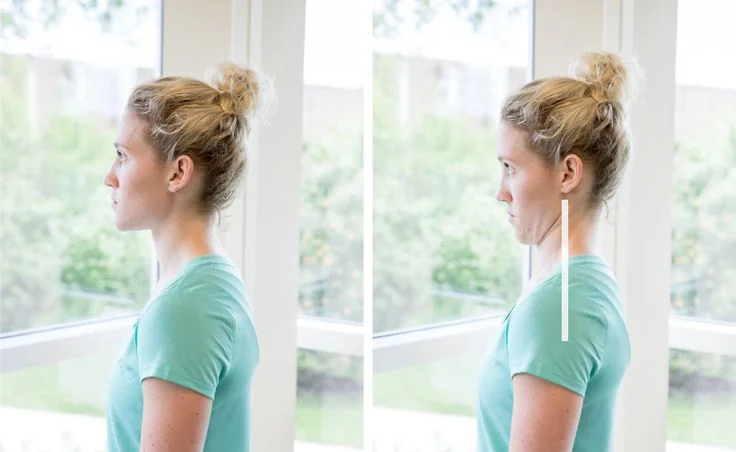
Sit upright and gently pull your chin backward while keeping your head level.
Hold for 5 seconds.
Repeat ten times.
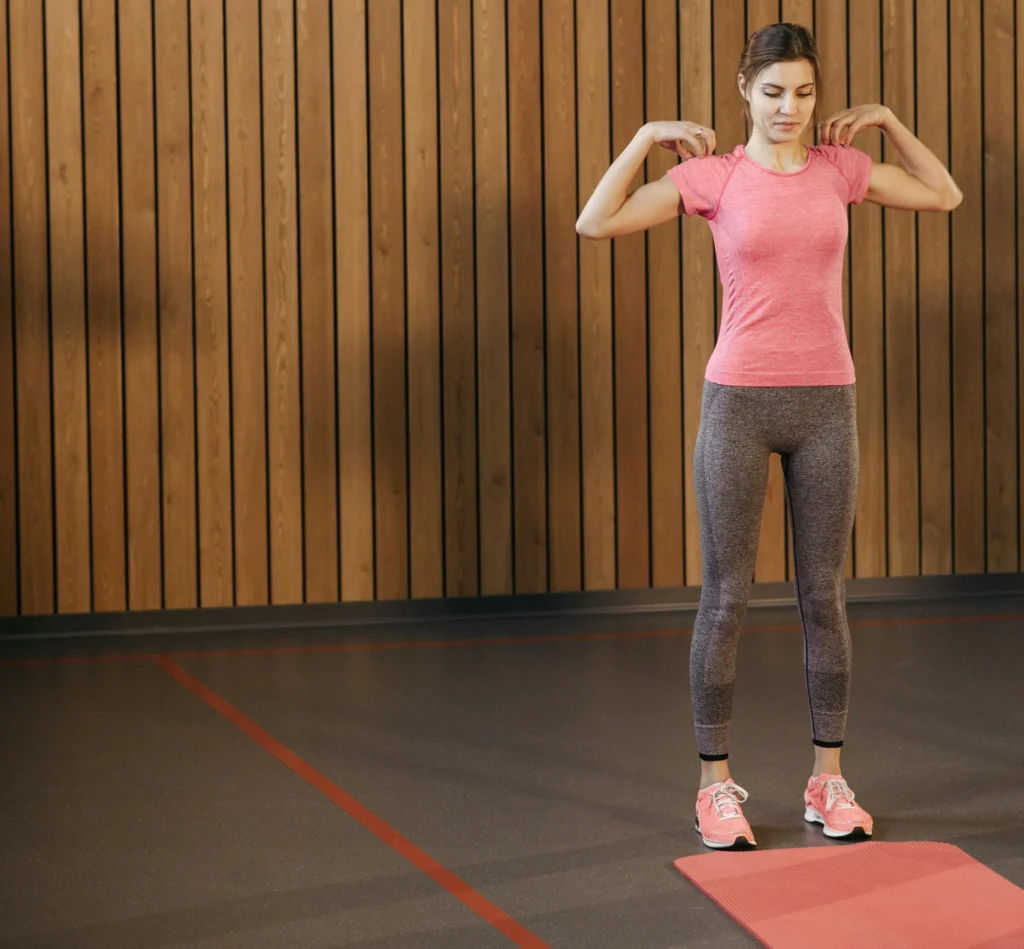
Roll the shoulders backward slowly.
Perform 15 repetitions.
Week 2: Muscle Activation Phase
Once pain begins to reduce the next stage involves activating stabilizing muscles.
Goals
- Activate deep cervical muscles
- Improve posture awareness
- Begin endurance training
Exercises
1. Deep Neck Flexor Activation
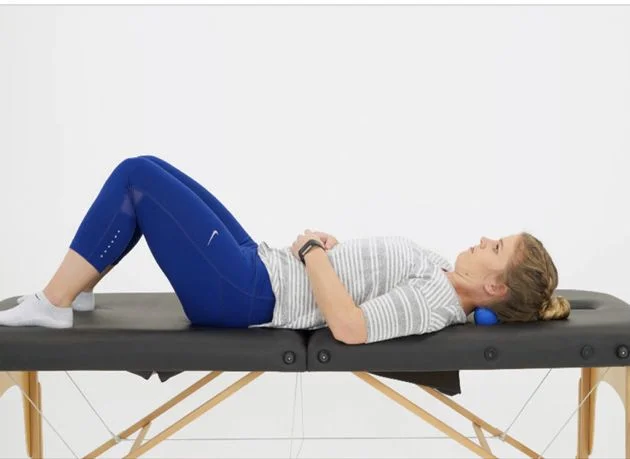
Lie on your back and gently nod your head as if saying yes.
Hold 5 seconds and repeat 10 times.
Deep cervical flexor exercises improve neuromuscular control and reduce neck pain. Falla et al., 2004

Pull shoulder blades together.
Hold 5 seconds.
Repeat 15 repetitions.
Week 3: Strengthening Phase
This stage introduces light resistance exercises.
Goals
- Improve muscle strength
- Increase stability
- Reduce fatigue
Exercises
1. Isometric Neck Exercises
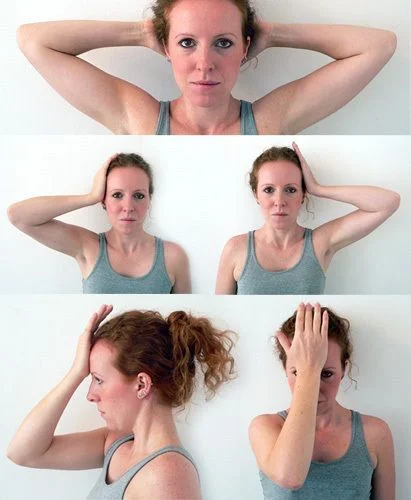
Place your hand on your head and apply gentle resistance while attempting to move the head.
Perform in four directions:
- Flexion
- Extension
- Side bending
- Rotation
Hold for 10 seconds and repeat 8 times.
2. Wall Posture Exercise
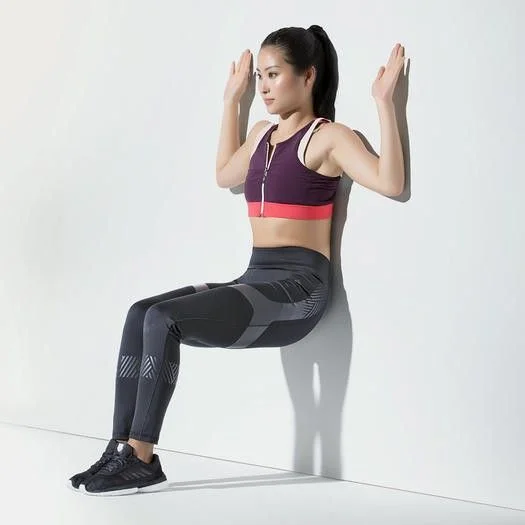
Stand with the head, shoulders, and hips touching the wall.
Hold for 30 seconds.
Week 4: Endurance Training
Neck muscles must develop endurance to maintain posture during daily activities.
Goals
- Improve muscle endurance
- Maintain correct posture
Exercises
1. Chin Tuck with Arm Raise
Perform a chin tuck while raising arms forward.
Repeat 12 times.
2. Resistance Band Rows

Use a resistance band to pull arms backward.
Perform three sets of 15 repetitions.
Strengthening scapular muscles reduces stress on the cervical spine. Ludewig and Reynolds, 2009
Week 5: Functional Strength
Exercises now begin to simulate real life movement patterns.
Goals
- Improve functional strength
- Enhance coordination
Exercises
1. Prone Neck Extension
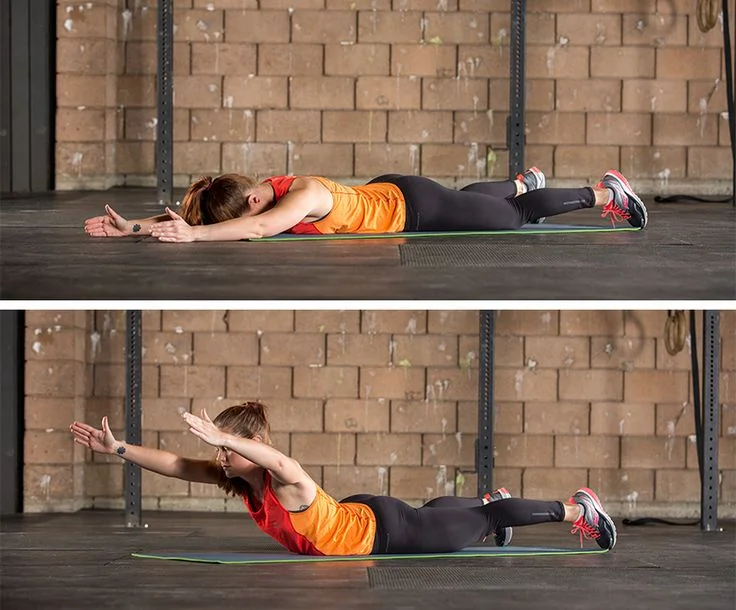
Lie face down and gently lift the head slightly.
Hold 5 seconds.
Repeat 10 repetitions.
2. Shoulder Blade Squeeze

Pull shoulder blades together.
Hold 10 seconds.
Repeat 12 times.
Week 6: Advanced Stabilization and Prevention
The final stage focuses on preventing recurrence.
Goals
- Improve neuromuscular control
- Stabilize posture
- Prevent future neck pain
Exercises
1. Dynamic Neck Stabilization

Perform chin tuck while slowly rotating the head.
Repeat 10 repetitions.
2. Resistance Band Postural Exercises
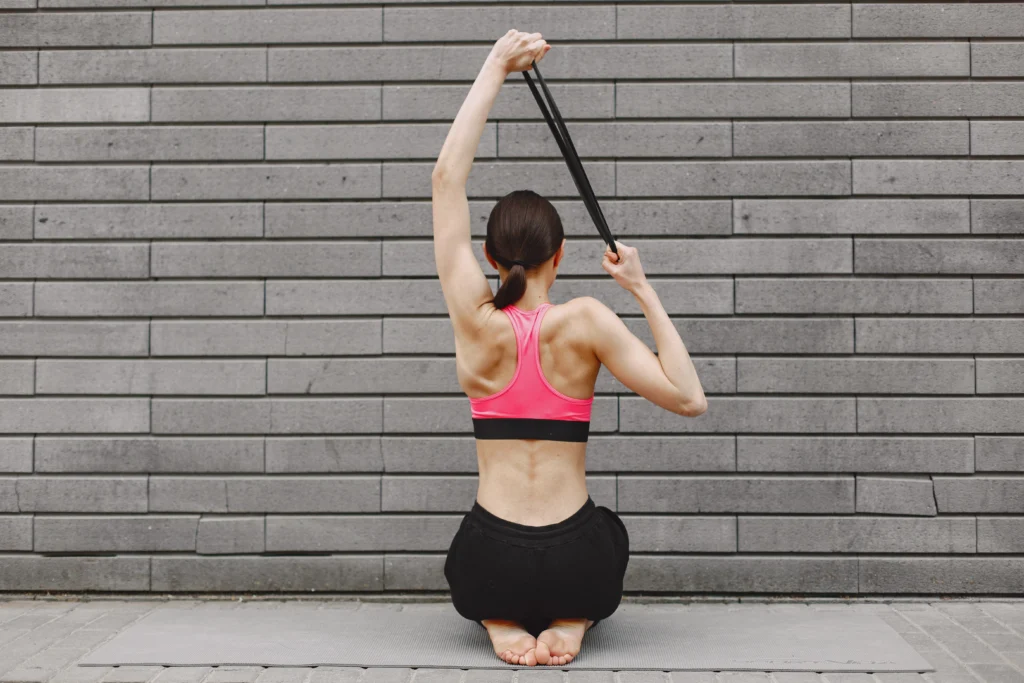
Include:
- Band rows
- Reverse fly
- External rotation
These exercises strengthen upper back muscles that support cervical posture.
Read about: The Most Effective McKenzie Exercises For Neck Pain
Common Mistakes During Neck Rehabilitation Exercises
While neck rehabilitation exercises are highly effective, incorrect technique can slow recovery or even worsen symptoms. Many patients unknowingly perform exercises in a way that increases strain on cervical muscles.
Understanding these common mistakes can help ensure that rehabilitation remains safe and effective.
Performing exercises too aggressively
One of the most common mistakes is performing exercises with excessive force. Neck muscles are relatively small and delicate compared to larger muscle groups.
Exercises should always be performed slowly and gently, especially during the early stages of rehabilitation.
Sudden or forceful movements may increase muscle irritation and delay recovery.
Skipping deep neck flexor activation
Many people immediately start strengthening exercises without activating the deep cervical stabilizers.
Deep neck flexor muscles play a crucial role in maintaining cervical stability and posture. Without proper activation, larger muscles such as the upper trapezius often compensate, which can worsen neck tension.
Research shows that targeted deep cervical flexor training improves neuromuscular control and reduces neck pain. Falla et al., 2004
Poor posture during exercises
Exercises performed with incorrect posture can place unnecessary stress on cervical joints.
For example, performing chin tuck exercises while slouching may reduce their effectiveness. Maintaining a neutral spine and relaxed shoulders is essential for proper muscle activation.
Lack of consistency
Another common issue is irregular exercise practice.
Rehabilitation exercises need to be performed consistently for several weeks to produce meaningful improvements.
Studies show that adherence to exercise programs significantly improves rehabilitation outcomes.
Learn About: The Ultimate Neck Stretch Routine for Desk Workers in 2026
Lesser Known Facts About Neck Rehabilitation
Deep cervical muscles are extremely small but essential
Despite their small size these muscles provide critical stability to the cervical spine.
Shoulder strength influences neck pain
Weak scapular muscles increase stress on cervical structures.
Stress increases neck muscle tension
Psychological stress often increases upper trapezius activity.
Prolonged sitting reduces muscle circulation
Reduced circulation contributes to stiffness and fatigue.
Read in detail: Best Desk Setup to Reduce Neck and Back Pain
Lifestyle Habits That Support Neck Rehabilitation
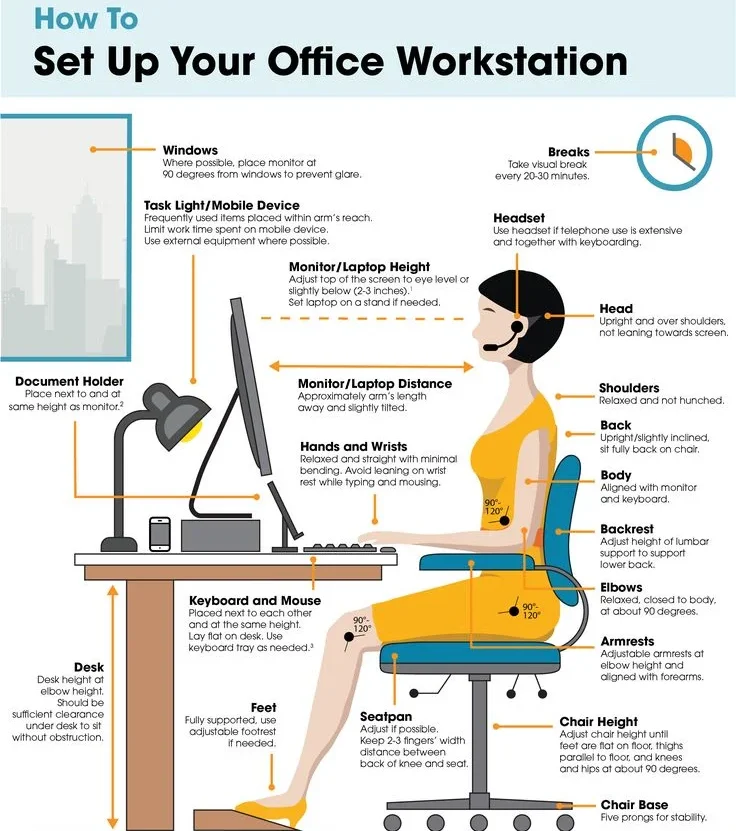
Rehabilitation exercises work best when combined with healthy lifestyle habits.
Improve workstation ergonomics
Keep the computer screen at eye level and maintain a neutral spine posture.
Follow the twenty minute rule
Take short breaks every twenty minutes during prolonged sitting.
Use proper sleeping support
A supportive pillow helps maintain natural cervical alignment.
Maintain regular physical activity
Physical activity improves blood flow and muscle health.
Read About: How to Choose the Right and Best Pillow for Neck Pain
Best Sleeping Positions During Neck Rehabilitation
Sleep posture plays a major role in cervical spine recovery.
Spending six to eight hours in a poor sleeping position can place continuous stress on neck muscles and joints.
Choosing the correct sleeping posture helps maintain the natural curve of the cervical spine and reduces overnight muscle tension.
Sleeping on the back
Sleeping on the back is often considered one of the best positions for neck health.
A supportive pillow should maintain the natural curve of the neck without pushing the head too far forward.
This position distributes body weight evenly and reduces pressure on the cervical spine.
Sleeping on the side
Side sleeping can also be beneficial if the pillow supports the neck properly.
The pillow height should be sufficient to keep the neck aligned with the spine.
If the pillow is too low or too high, the neck may bend sideways, which can increase muscle strain.
Sleeping positions to avoid
Sleeping on the stomach is generally not recommended for people with neck pain.
This position forces the neck to remain rotated for long periods, which may irritate cervical joints and muscles.
Research indicates that poor sleep posture can contribute to cervical pain and stiffness. Gordon et al., 2011
Selecting the correct pillow and sleeping position can significantly support rehabilitation progress.
Read more: Best Sleeping Position for Neck Pain: A Physiotherapist’s Complete Guide
When to Consult a Physiotherapist
Professional evaluation is recommended if:
- Neck pain persists longer than six weeks
- Pain radiates into the arms
- Tingling or numbness occurs
- Severe headaches accompany neck pain
Early treatment can prevent chronic neck disorders.
Read about: Effective Neck Pain Exercises At Home: A Complete Guide to Relief and Improved Mobility
Conclusion
A structured six week neck rehabilitation program provides an effective approach for reducing neck pain and restoring cervical function.
By progressing gradually from mobility exercises to strengthening and stabilization, the cervical spine regains its natural support and movement control.
Research consistently supports physiotherapy rehabilitation programs for improving neck pain, posture, and muscle endurance. Anderson et al., 2022
Consistency, correct technique, and posture awareness are essential for long term recovery.
Read about: How to Relieve Morning Neck Stiffness Naturally
Frequently Asked Questions
1. How long does it take for neck rehabilitation exercises to show results?
Many people start noticing improvements in neck pain and mobility within two to three weeks. However, a complete rehabilitation program usually lasts about six weeks to fully restore muscle strength, endurance, and cervical stability.
2. Can I perform neck rehabilitation exercises at home?
Yes. Many physiotherapy neck rehabilitation exercises can be safely performed at home. However, it is recommended to learn the correct technique from a physiotherapist initially to avoid improper movements.
3. What is the most effective exercise for neck pain?
Chin tuck exercises, deep neck flexor activation, and scapular strengthening exercises are among the most effective exercises used in physiotherapy for neck pain rehabilitation.
4. How often should I do neck rehabilitation exercises?
Most physiotherapy programs recommend performing neck exercises four to five times per week. Consistency is important to improve muscle strength and posture.
5. Can poor posture cause chronic neck pain?
Yes. Forward head posture and prolonged sitting can place excessive stress on cervical muscles and joints, leading to chronic neck pain and stiffness.
6. Is physiotherapy better than medication for neck pain?
Physiotherapy treats the underlying causes of neck pain by strengthening muscles, improving posture, and restoring movement. Medications usually provide temporary symptom relief.
7. Should I stop neck exercises if I feel pain?
Mild discomfort may occur when starting exercises, but severe pain, numbness, dizziness, or radiating pain should be evaluated by a healthcare professional.
8. Can neck rehabilitation prevent future neck pain?
Yes. Strengthening neck and shoulder muscles, improving posture, and maintaining mobility can significantly reduce the risk of recurring neck pain.