


If you have ever felt a dull, heavy pressure around your eyes or cheeks and assumed it was a sinus headache, you are not alone, and you may have already searched for sinus headache relief at home.
In clinical practice, I meet many people who come with the same assumption. What surprises them is that sinus headache is often not as straightforward as it seems.
In fact, a large number of cases labeled as sinus headache turn out to be something else entirely. Schreiber et al. (2004)
This study found that nearly 90 percent of people who believed they had sinus headaches were actually experiencing migraine.
That is why before jumping into treatments, it is important to understand what is truly causing your symptoms.
Quick Answer
Sinus headaches are often linked to poor drainage, posture, and breathing patterns rather than just infection. Simple techniques like pressure points near the nose, humming breathing, and posture correction can provide relief. For long-term improvement, combine physiotherapy exercises, hydration, and nasal breathing habits instead of relying only on medication.
- Use pressure points around nose and eyebrows
- Practice humming breathing for sinus ventilation
- Correct posture during long sitting hours
- Stay hydrated to improve mucus flow
- Avoid mouth breathing
Key Takeaways
- Not all sinus headaches are caused by sinus infection
- Posture and neck stiffness play a major role in facial pressure
- Breathing patterns directly affect sinus ventilation
- Pressure points provide temporary but useful relief
- Physiotherapy focuses on root causes, not just symptoms
- Consistency in daily routine is key for long-term relief
- Ignoring lifestyle factors often leads to recurrence
What Really Happens During a Sinus Headache
Your sinuses are air-filled spaces located in the forehead, cheeks, and around the eyes.
Under normal conditions, they are well ventilated and drain mucus efficiently.
A sinus headache typically develops when:
- the sinus lining becomes inflamed
- drainage pathways get blocked
- pressure builds inside the cavities
This pressure creates the familiar heaviness in the face, especially when bending forward.
However, inflammation alone is not the whole story.
Recent work has shown that facial pain is often influenced by nerve pathways and mechanical factors, not just sinus infection. DeConde et al. (2024)
How to Check at Home if Your Headache Is Truly Sinus-Related
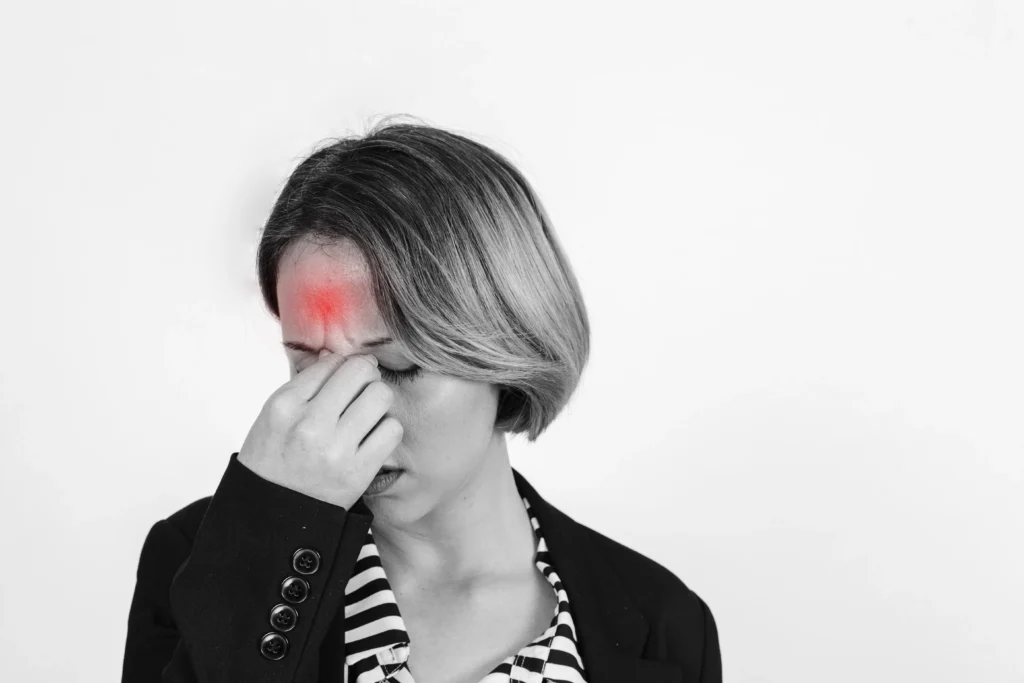
In practice, this is one of the first things I help patients figure out. You do not always need a scan to get a basic idea.
Try this simple self-check.
Signs that point toward sinus involvement:
- Pressure increases when you bend forward
- You feel heaviness in cheeks, forehead, or around eyes
- There is nasal congestion or thick discharge
- Morning symptoms are worse
Signs that suggest it may NOT be sinus:
- Pain is throbbing or pulsating
- Light or sound makes it worse
- Nausea is present
- Pain shifts sides frequently
If most of your symptoms fall in the second group, it is worth exploring migraine or neck-related causes.
Why Many Sinus Headaches Keep Coming Back
This is where a physiotherapy perspective becomes very important.
Most people focus only on congestion or infection. But in practice, I often find three deeper contributors.
Posture and Mechanical Drainage
Sinus drainage depends partly on gravity and head positioning.
When you sit for long hours with your head forward, the natural drainage pathways become less efficient. Harman et al. (2005)
Forward head posture alters cervical mechanics and can influence surrounding structures, including circulation and drainage.
Breathing Patterns
Many people unknowingly shift to mouth breathing, especially during stress or long work hours. This dries the nasal passages and reduces proper airflow into the sinuses. Courtney (2009)
Breathing patterns have a direct effect on physiological function, including oxygenation and airway dynamics.
Nerve Involvement
The trigeminal nerve supplies the sinuses, face, jaw, and parts of the head. Because of this shared pathway, pain can overlap.
This is why:
- sinus pain may feel like tooth pain
- jaw tension can mimic sinus pressure
- neck stiffness can worsen facial discomfort
Recent Research That Changes How We Look at Treatment
Over the last few years, treatment approaches have evolved significantly.
Physiotherapy-Based Modalities
A recent clinical trial showed that low-level laser therapy improved headache intensity and sinus-related symptoms in chronic cases. Hamblin et al. (2024)
This highlights that physical therapy is not just supportive. It can directly influence recovery.
Vibration and Breathing Techniques
Another study demonstrated that combining vibration with controlled breathing produced rapid reduction in sinus pain. Albu et al. (2023)
This explains why simple techniques like humming can sometimes provide immediate relief.
Surgical Outcomes
Surgery can help in confirmed chronic sinusitis cases, but it is not necessary for most people with facial pressure symptoms. Lechien et al. (2024)
Pressure Points For Sinus Headache Relief At Home
In clinical settings, I prefer using a few targeted points instead of overwhelming patients with too many options.
Point Near the Nose
Located beside the nostrils. Gentle circular pressure here can improve airflow and reduce congestion.
Between the Eyebrows
Useful for frontal pressure. Helps relax the area and reduce heaviness.
Under the Cheekbone
This area corresponds to the maxillary sinus. Applying gentle upward pressure while breathing slowly can reduce discomfort.
Base of the Skull
Often overlooked. Releasing tension here improves circulation and reduces overall head pressure.
Exercises For Sinus Headache Relief At Home
Rather than random stretches, these exercises are designed to improve drainage, breathing, and circulation.
Postural Reset
Sit upright and gently pull your chin backward. Hold for a few seconds and repeat.
This simple correction can improve drainage pathways significantly when practiced regularly.
Humming Breathing
Inhale through your nose and hum while exhaling.
This increases nitric oxide levels in the nasal passages and improves sinus ventilation, which aligns with recent research findings.
Rib Cage Expansion
Place your hands on your lower ribs. Breathe in slowly and expand your ribs sideways.
This improves thoracic mobility and enhances airflow dynamics.
Gravity-Assisted Drainage
Lean slightly forward and turn your head toward the affected side while breathing slowly.
This combines gravity and airflow to assist sinus drainage.
Manual Therapy Approaches Used in Practice
In physiotherapy, hands-on techniques can be very effective.
These may include:
- myofascial release of facial muscles
- lymphatic drainage techniques
- gentle cervical mobilization
- trigger point therapy
These techniques work through both mechanical and neurophysiological pathways. Bialosky et al. (2009)
Medical Treatment Options and Their Role
Medical management is often necessary, especially in acute phases.
Common options include:
- nasal decongestants
- antihistamines
- corticosteroid sprays
- steam inhalation
However, these approaches mainly manage symptoms. They do not address underlying mechanical or functional issues. Rosenfeld et al. (2015)
Common Mistakes That Keep Sinus Headaches Coming Back
Over time, I have noticed a pattern. Many people unknowingly delay their recovery by doing the wrong things consistently.
Here are some of the most common ones.
Relying only on medication
Medication can reduce symptoms, but if posture and breathing are not addressed, the problem often returns.
Overusing steam inhalation
Steam helps temporarily, but excessive use can irritate nasal passages in some people.
Ignoring neck stiffness
A tight neck can maintain pressure in the head. This part is often completely overlooked.
Breathing through the mouth
This dries the nasal lining and worsens congestion over time.
Poor hydration
Thick mucus does not drain easily. Even mild dehydration can make symptoms worse.
When Sinus Headaches Become Chronic
If symptoms persist for more than a few weeks or keep recurring, further evaluation is needed.
Possible causes include:
- chronic sinusitis
- allergic conditions
- structural variations such as deviated septum
At this stage, a combined approach involving ENT care and physiotherapy gives better outcomes.
When It Might Not Be a Sinus Headache
There are situations where facial pain should not be ignored or self-treated.
Watch out for these signs:
- Severe headache with high fever
- Vision changes or double vision
- Swelling around the eyes
- Persistent vomiting
- Neurological symptoms like confusion or weakness
If you notice any of these, it is important to seek medical care immediately.
What Actually Leads to Long-Term Relief
From clinical experience, long-term improvement comes from consistent changes rather than quick fixes.
Key factors include:
- correcting posture during daily activities
- maintaining nasal breathing
- staying well hydrated
- addressing neck stiffness early
- avoiding overuse of decongestants
A Simple Daily Routine For Sinus Headache Relief At Home
You do not need complicated plans. A simple, consistent routine works best.
Morning
- Warm water hydration
- Gentle nasal breathing practice for 5 minutes
- Light neck mobility exercises
During Work Hours
- Postural reset every 45 to 60 minutes
- Avoid slouching or leaning forward
- Stay hydrated
Evening
- Rib cage breathing exercises
- Gentle facial pressure point release
- Limit screen exposure before sleep
Before Bed
- Keep your head slightly elevated
- Focus on slow nasal breathing
This routine may look simple, but consistency here often makes the biggest difference.
A Clinical Insight Worth Remembering
One pattern I repeatedly see is this:
Patients focus entirely on their sinuses but ignore their neck and posture.
When both are addressed together, the improvement is often much more stable and long-lasting.
Diet and Lifestyle Factors That Influence Sinus Health
This is something many people underestimate.
Hydration
Adequate water intake helps keep mucus thin and easier to drain.
Trigger Foods
Some individuals notice increased congestion with:
- dairy products
- highly processed foods
- excessive sugar
This varies from person to person, so awareness matters more than strict restriction.
Air Quality
Dry or polluted air can irritate sinus lining. Using a humidifier in dry environments can help.
Sleep Quality
Poor sleep increases inflammation and reduces recovery capacity.
How Long Does It Take to See Improvement
This is a question I hear often.
For most people:
- Mild cases improve within a few days with proper care
- Moderate cases may take 2 to 3 weeks
- Chronic patterns may take several weeks of consistent correction
The key is not intensity of treatment, but regularity.
Frequently Asked Questions
1. How do I know if my headache is sinus or something else?
Sinus headaches usually come with facial pressure, congestion, and heaviness that worsens when bending forward, while migraines often include throbbing pain and sensitivity to light.
2. Can physiotherapy really help sinus headaches?
Yes, physiotherapy improves posture, breathing, and drainage, which can significantly reduce sinus pressure and prevent recurrence.
3. Which pressure point works best for quick relief?
Points beside the nose and between the eyebrows are commonly effective for reducing pressure and improving airflow.
4. Is humming actually helpful for sinus relief?
Yes, humming improves sinus ventilation and increases nitric oxide, which helps reduce congestion.
5. How long does it take to recover from sinus headaches?
Mild cases improve within days, while chronic cases may take a few weeks with consistent exercises and care.
6. Can poor posture cause sinus headaches?
Yes, forward head posture can affect drainage and increase pressure in the sinus areas.
7. When should I see a doctor?
If symptoms persist beyond 10 to 14 days or worsen, medical evaluation is recommended.
8. Are sinus headaches permanent?
No, most cases can be managed effectively with proper treatment, lifestyle changes, and physiotherapy.
Stay tuned with us for more health related topics.
Follow us on LinkedIn and Instagram for more.
More Read


Medical Disclaimer!
This article has been reviewed and written under the guidance of our Head Physiotherapist, Dr. Kruti Raj (PT, MUHS,CPT,CMPT). The information shared is intended for educational purposes only and should not be considered a substitute for personalized medical advice, diagnosis, or treatment.
Please consult us or any other qualified healthcare professional before beginning any exercise program, especially if you are experiencing pain, recovering from injury, or managing a medical condition.


