The best exercises for hormonal balance in PCOS do more than just burning calories.
Polycystic Ovary Syndrome (PCOS) is one of the most common hormonal disorders affecting women of reproductive age.
It is characterized by irregular ovulation, elevated androgen (male hormone) levels, and multiple small follicles in the ovaries.
Beyond reproductive health, PCOS is also associated with insulin resistance, obesity, metabolic syndrome, infertility, chronic inflammation, and an increased risk of type 2 diabetes and cardiovascular disease.
Quick Answer
Regular exercise helps improve hormonal balance in women with Polycystic Ovary Syndrome (PCOS) by increasing insulin sensitivity, reducing excess androgen production associated with insulin resistance, supporting healthier ovulation, lowering chronic inflammation, and improving metabolic health. While exercise does not cure PCOS, combining aerobic activity, strength training, and healthy lifestyle habits can significantly improve menstrual regularity, fertility, and overall well-being.
One of the most effective non-pharmacological strategies for managing PCOS is regular exercise.
While many women associate exercise only with weight loss, its benefits extend much further.
Exercise directly influences several hormones involved in PCOS by improving insulin sensitivity, reducing excess androgen production, supporting ovulation, lowering chronic inflammation, and improving the body’s overall metabolic function.
Importantly, exercise does not “cure” PCOS or immediately normalize hormone levels.
Instead, consistent physical activity helps correct many of the underlying metabolic abnormalities that contribute to hormonal imbalance.
When combined with healthy nutrition and appropriate medical care, exercise can improve menstrual regularity, fertility, energy levels, and overall quality of life.
Understanding how exercise affects hormone regulation empowers women with PCOS to make informed lifestyle choices that support both reproductive and long-term health. (Shele et al. 2020)
Key Takeaways
- Exercise improves hormonal balance in PCOS primarily by enhancing insulin sensitivity.
- Better insulin regulation may reduce excessive androgen production and improve ovulation.
- Aerobic exercise and resistance training together provide the greatest hormonal and metabolic benefits.
- Yoga and Pilates help lower stress, improve flexibility, and support emotional well-being.
- Exercise reduces chronic inflammation, which contributes to hormonal imbalance in PCOS.
- Consistent physical activity benefits women with PCOS even without significant weight loss.
- Following evidence-based exercise guidelines helps improve reproductive and metabolic health.
- Combining exercise with healthy nutrition and medical care offers the best long-term outcomes.
Understanding Hormonal Imbalance in PCOS
PCOS is primarily a disorder of hormonal and metabolic imbalance.
Normally, the endocrine system maintains a delicate balance between hormones that regulate ovulation, menstruation, metabolism, and reproduction.
In women with PCOS, this balance is disrupted, resulting in a range of reproductive and metabolic symptoms.
Common hormonal changes seen in PCOS include:
- Increased androgen (male hormone) levels
- Insulin resistance with elevated insulin levels
- Irregular secretion of luteinizing hormone (LH)
- Disrupted ovulation
- Reduced progesterone production
- Altered estrogen balance
These hormonal disturbances can contribute to:
- Absent or Irregular menstrual periods
- Infertility
- Acne
- Excess facial and body hair (hirsutism)
- Hair thinning
- Weight gain
- Difficulty losing weight
Since many of these hormonal abnormalities are closely linked to metabolic health, lifestyle interventions such as regular exercise play an important role in improving hormonal regulation.
Why Exercise Matters for Hormonal Health
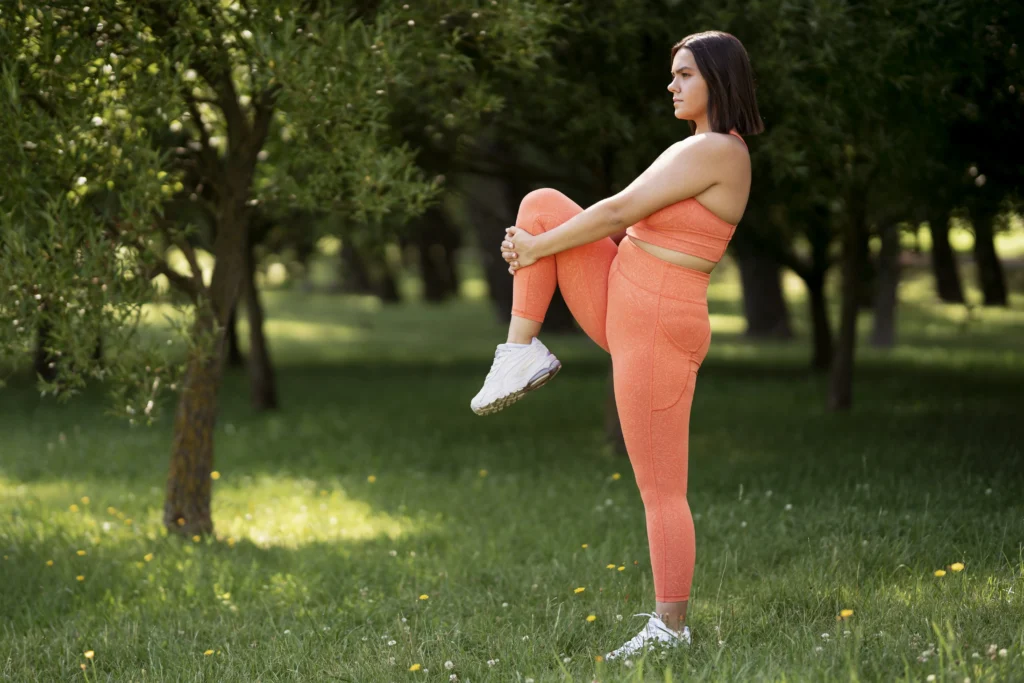
Exercise is often described as “medicine” for women with PCOS because it improves several biological processes that influence hormone production and regulation.
Regular physical activity helps by:
- Improving insulin sensitivity
- Reducing excess circulating insulin
- Supporting healthy body composition
- Reducing abdominal fat
- Improving cardiovascular fitness
- Lowering chronic inflammation
- Reducing stress
- Supporting ovulation
- Improving metabolic efficiency
Unlike medications that target specific hormones, exercise positively influences multiple body systems simultaneously.
Research also shows that these benefits occur even when significant weight loss is not achieved, highlighting that physical activity itself contributes to improved hormonal health. (Chaput et al. 2010)
How Exercise Influences Hormones
Hormones work together to regulate nearly every function within the body.
Exercise improves communication between the brain, muscles, pancreas, ovaries, and other endocrine organs, helping restore healthier hormonal balance over time.
Rather than directly increasing or decreasing one specific hormone, regular exercise improves the body’s overall hormonal environment.
Some of the hormones most influenced by physical activity include:
- Insulin
- Testosterone and other androgens
- Estrogen
- Progesterone
- Cortisol
- Growth hormone
These hormonal improvements contribute to better reproductive, metabolic, and cardiovascular health.
Exercise and Insulin Sensitivity
Insulin resistance is one of the most important metabolic abnormalities associated with PCOS.
When body cells become resistant to insulin:
- Blood glucose is not used efficiently.
- The pancreas produces larger amounts of insulin.
- High insulin levels stimulate the ovaries to produce more androgens.
- Hormonal imbalance worsens.
Exercise increases the muscles’ ability to absorb glucose from the bloodstream without requiring large amounts of insulin.
As insulin sensitivity improves:
- Blood sugar regulation becomes more efficient.
- Circulating insulin levels decrease.
- Ovarian androgen production may decline.
- Ovulation may improve.
- The risk of developing type 2 diabetes decreases.
Both aerobic exercise and resistance training have been shown to improve insulin sensitivity in women with PCOS.
Exercise and Androgen (Testosterone) Levels
Many women with PCOS produce higher-than-normal levels of androgens, including testosterone. (Sabag et al. 2024)
Elevated androgen levels contribute to symptoms such as:
- Acne
- Oily skin
- Excess facial and body hair
- Hair thinning on the scalp
- Irregular ovulation
Although exercise does not directly block androgen production, it helps reduce several factors that stimulate excessive androgen levels.
Improved insulin sensitivity results in lower circulating insulin, which reduces excessive ovarian androgen production in many women.
Over time, consistent exercise may contribute to:
- Improved hormonal balance
- Better menstrual regularity
- Reduced severity of hyperandrogenic symptoms
- Improved reproductive function
These improvements are typically gradual and occur when exercise is maintained as part of a long-term lifestyle.
Exercise and Ovulation
Irregular or absent ovulation is one of the defining features of PCOS and a major cause of infertility.
Exercise supports ovulation by improving the metabolic factors that interfere with normal ovarian function.
Regular physical activity may help:
- Improve insulin sensitivity
- Reduce excess androgen levels
- Improve ovarian function
- Support healthier menstrual cycles
- Increase the likelihood of ovulation in some women
Women who combine exercise with healthy nutrition and appropriate medical treatment often experience greater improvements than those relying on medication alone.
It is important to note that ovulation may not return immediately. Improvements generally occur gradually over several weeks or months of consistent lifestyle modification.
Who Benefits Most from Regular Exercise?
Although every woman with PCOS can benefit from physical activity, some groups may experience particularly significant improvements.
Exercise is especially beneficial for women with:
- Insulin resistance
- Overweight or obesity
- Metabolic syndrome
- Prediabetes
- Type 2 diabetes
- Irregular menstrual cycles
- Infertility
- Poor cardiovascular fitness
- Sedentary lifestyle
- Elevated androgen levels
Importantly, women with a normal Body Mass Index (BMI) also benefit from regular exercise.
Improvements in insulin sensitivity, cardiovascular fitness, hormonal regulation, and mental well-being occur regardless of body weight.
For the greatest benefits, exercise should be individualized, enjoyable, and maintained consistently as part of a healthy lifestyle rather than viewed as a short-term intervention.
Best Types of Exercise for Women with PCOS
Not all forms of exercise affect the body in exactly the same way.
For women with Polycystic Ovary Syndrome (PCOS), combining different types of physical activity provides the greatest hormonal and metabolic benefits.
A well-balanced exercise program should include:
- Aerobic exercise
- Resistance (strength) training
- High-Intensity Interval Training (HIIT), when appropriate
- Flexibility exercises
- Yoga
- Pilates
- Daily walking and general physical activity
The best exercise program is one that is safe, enjoyable, and sustainable over the long term.
Aerobic Exercise
Aerobic exercise increases heart rate and improves the body’s ability to use oxygen efficiently.
Examples include:
- Brisk walking
- Cycling
- Swimming
- Jogging
- Dancing
- Elliptical training
Regular aerobic exercise helps:
- Improve insulin sensitivity
- Lower blood glucose levels
- Improve cardiovascular fitness
- Reduce abdominal fat
- Improve blood pressure
- Increase energy expenditure
- Support hormonal regulation
Moderate-intensity aerobic exercise is recommended for most women with PCOS because it is effective and easy to maintain.
Resistance Training
Strength training has become an essential component of PCOS management.
Examples include:
- Resistance bands
- Free weights
- Bodyweight exercises
- Weight machines
Resistance training helps:
- Increase lean muscle mass
- Improve insulin sensitivity
- Increase resting metabolic rate
- Improve bone health
- Improve physical strength
Greater muscle mass allows the body to absorb glucose more efficiently, reducing insulin resistance and improving overall metabolic health.
High-Intensity Interval Training (HIIT)
High-Intensity Interval Training (HIIT) involves alternating short periods of vigorous exercise with periods of active recovery.
Examples include:
- Sprint intervals
- Cycling intervals
- Fast walking followed by slower walking
- Circuit training
Research suggests HIIT may:
- Improve insulin sensitivity
- Increase cardiovascular fitness
- Reduce body fat
- Improve metabolic efficiency
However, HIIT may not be suitable for everyone.
Women who are new to exercise, have uncontrolled hypertension, heart disease, or other medical conditions should consult a healthcare provider or physiotherapist before starting high-intensity workouts.
Yoga
Yoga combines physical movement, controlled breathing, and mindfulness.
Women with PCOS may benefit from yoga through:
- Reduced stress
- Improved flexibility
- Better posture
- Enhanced balance
- Improved sleep quality
- Reduced anxiety
Lower stress levels may indirectly support healthier hormonal regulation by reducing excessive cortisol production.
Pilates
Pilates emphasizes:
- Core stability
- Muscle control
- Flexibility
- Breathing
- Postural alignment
Regular Pilates sessions may help:
- Improve posture
- Increase muscle endurance
- Reduce back pain
- Improve movement efficiency
- Support overall fitness
Pilates can be particularly helpful for women who are beginning an exercise program or who experience musculoskeletal discomfort.
Walking
Walking remains one of the simplest and most accessible forms of exercise.
Benefits include:
- Improved cardiovascular health
- Better insulin sensitivity
- Weight management
- Reduced stress
- Improved mood
- Increased daily energy expenditure
Even short walks throughout the day contribute to better metabolic health. (American College of Sports Medicine, ACSM)
How Exercise Reduces Chronic Inflammation
Research suggests that many women with PCOS experience chronic low-grade inflammation, which contributes to insulin resistance, metabolic syndrome, and cardiovascular disease.
Unlike acute inflammation that helps the body heal after injury, chronic inflammation persists over time and may interfere with normal hormonal regulation.
Regular exercise helps reduce inflammation by:
- Improving insulin sensitivity
- Reducing excess body fat
- Improving circulation
- Enhancing immune function
- Lowering inflammatory markers
These improvements contribute to healthier metabolic and hormonal function over time.
Importantly, moderate, consistent exercise is generally more beneficial than occasional extremely intense workouts.
Exercise and Stress Hormones (Cortisol)
Cortisol is commonly known as the body’s primary stress hormone.
Short-term increases in cortisol during exercise are normal and help the body respond to physical activity.
However, chronic psychological stress and persistently elevated cortisol levels may negatively affect metabolic and reproductive health.
Regular exercise supports healthier cortisol regulation by:
- Reducing psychological stress
- Improving sleep quality
- Enhancing mood
- Increasing resilience to stress
- Reducing symptoms of anxiety and depression
Activities such as yoga, walking, stretching, and moderate aerobic exercise are particularly effective in promoting relaxation while improving overall health.
Exercise and Weight Management
Maintaining a healthy body weight plays an important role in improving hormonal balance, especially for women with overweight or obesity.
Exercise contributes to weight management by:
- Increasing calorie expenditure
- Preserving lean muscle mass
- Improving resting metabolic rate
- Reducing abdominal fat
- Supporting long-term weight maintenance
Even when significant weight loss does not occur, exercise still improves insulin sensitivity and metabolic health.
This means women should not judge the success of an exercise program solely by changes on the weighing scale.
Recommended Exercise Guidelines
Current evidence-based recommendations suggest that women with PCOS should aim for:
- At least 150-300 minutes of moderate-intensity aerobic exercise per week, or
- 75-150 minutes of vigorous-intensity aerobic exercise per week
In addition, women should perform:
- Resistance training on at least two non-consecutive days each week
- Flexibility exercises several times weekly
- Regular daily movement by reducing prolonged sitting
Exercise programs should be progressed gradually according to individual fitness levels.
Consistency is more important than intensity, particularly during the early stages of lifestyle change. (Sabag et al. 2024)
Safety Tips Before Starting an Exercise Program
Although exercise is safe for most women with PCOS, a few precautions help maximize benefits while reducing the risk of injury.
Before beginning a new exercise routine:
- Consult a healthcare provider if you have diabetes, hypertension, heart disease, or other chronic medical conditions.
- Start slowly if you have been physically inactive.
- Warm up for 5-10 minutes before exercise.
- Cool down and stretch after each session.
- Wear supportive footwear and comfortable clothing.
- Stay hydrated throughout physical activity.
- Increase exercise intensity gradually rather than abruptly.
- Listen to your body and allow adequate recovery between workouts.
Stop exercising and seek medical attention if you experience:
- Chest pain
- Severe shortness of breath
- Dizziness or fainting
- Irregular heartbeat
- Severe joint pain
- Sudden swelling or injury
An individualized exercise plan developed with guidance from a physiotherapist or qualified healthcare professional can help ensure long-term success while minimizing risks.
Combining Exercise with Healthy Nutrition
Although exercise plays a major role in improving hormonal balance in women with Polycystic Ovary Syndrome (PCOS), it works best when combined with a healthy, balanced diet.
Nutrition and exercise complement each other by improving insulin sensitivity, supporting weight management, and promoting overall hormonal health.
A balanced diet provides the nutrients needed to fuel physical activity while helping regulate blood sugar levels and reduce inflammation.
Women with PCOS are encouraged to include:
- Whole grains
- Fresh fruits
- Non-starchy vegetables
- Lean protein
- Legumes
- Nuts and seeds
- Healthy fats such as olive oil, avocados, and fatty fish
- High-fiber foods
Limiting foods high in:
- Added sugars
- Refined carbohydrates
- Highly processed foods
- Trans fats
- Excess saturated fats
may further improve insulin sensitivity and support healthier hormone regulation.
When healthy nutrition and regular exercise are combined, women often experience greater improvements in menstrual regularity, metabolic health, and overall well-being than with either approach alone.
How Long Does It Take to See Hormonal Improvements?
Many women expect immediate changes after starting an exercise program.
However, hormonal improvements usually occur gradually.
The timeline varies depending on:
- Baseline fitness level
- Severity of PCOS symptoms
- Exercise consistency
- Dietary habits
- Body weight
- Insulin resistance
- Medical treatment
Some women notice:
- Improved energy levels within a few weeks
- Better mood and sleep within several weeks
- Improved insulin sensitivity after consistent exercise
- More regular menstrual cycles over several months
- Gradual improvement in ovulation and reproductive health
The greatest benefits occur when exercise becomes a long-term lifestyle habit rather than a temporary intervention.
Common Mistakes to Avoid
Women beginning an exercise program for PCOS often make mistakes that reduce long-term success.
Common mistakes include:
- Exercising only to lose weight
- Expecting immediate hormonal changes
- Choosing exercise programs that are too intense initially
- Exercising inconsistently
- Ignoring adequate sleep and recovery
- Following restrictive crash diets
- Remaining sedentary outside scheduled workouts
- Comparing progress with others
- Stopping exercise once symptoms improve
Building sustainable habits is far more beneficial than pursuing rapid short-term results.
⚠ Myth vs Fact
| Myth | Fact |
|---|---|
| Exercise cures PCOS. | Exercise does not cure PCOS but significantly improves hormonal balance, insulin sensitivity, and metabolic health. |
| Only weight loss improves hormones. | Exercise improves hormone regulation even when body weight changes are minimal. |
| High-intensity workouts are always better. | The most effective exercise program is one that is individualized, safe, and sustainable. |
| Women with normal BMI don’t need exercise. | Women with PCOS benefit from exercise regardless of body weight because of improvements in insulin sensitivity and overall health. |
| Walking is too gentle to help PCOS. | Regular brisk walking improves cardiovascular fitness, insulin sensitivity, and metabolic health. |
Myths About Exercise and PCOS
Myth 1: Exercise can cure PCOS.
Fact: Exercise cannot cure PCOS, but it is one of the most effective lifestyle strategies for improving insulin sensitivity, hormonal regulation, metabolic health, and quality of life.
Myth 2: Only women who lose weight benefit from exercise.
Fact: Exercise improves insulin sensitivity, cardiovascular fitness, muscle strength, and hormone regulation even without significant weight loss.
Myth 3: High-intensity workouts are always better.
Fact: Moderate, consistent exercise is effective for most women with PCOS. The best exercise program is one that is safe, enjoyable, and sustainable.
Myth 4: Women with PCOS should avoid strength training.
Fact: Resistance training improves muscle mass, insulin sensitivity, metabolic health, and overall fitness, making it an important part of PCOS management.
Myth 5: Walking is not enough to improve PCOS.
Fact: Regular brisk walking improves insulin sensitivity, cardiovascular fitness, stress levels, and metabolic health, especially when combined with strength training and healthy nutrition.
Final Thoughts
Regular exercise is one of the most powerful lifestyle strategies for improving hormonal balance in women with Polycystic Ovary Syndrome (PCOS). By improving insulin sensitivity, supporting healthier ovulation, reducing chronic inflammation, and enhancing metabolic health, exercise addresses several underlying factors that contribute to PCOS symptoms. Whether through brisk walking, strength training, cycling, yoga, or Pilates, consistent physical activity can improve reproductive health, energy levels, and long-term well-being. When combined with healthy nutrition and appropriate medical care, exercise becomes a key part of comprehensive PCOS management.
Conclusion
Regular exercise is one of the most effective non-pharmacological strategies for improving hormonal balance in women with Polycystic Ovary Syndrome (PCOS).
By enhancing insulin sensitivity, reducing excess androgen production associated with insulin resistance, supporting healthier ovulation, lowering chronic inflammation, and improving cardiovascular fitness, exercise addresses many of the underlying mechanisms of PCOS.
The greatest benefits are achieved through a combination of aerobic exercise, resistance training, flexibility exercises, and stress-reducing activities such as yoga.
When paired with healthy nutrition, adequate sleep, and appropriate medical treatment, consistent physical activity can improve menstrual regularity, fertility, metabolic health, and overall quality of life.
Rather than focusing solely on weight loss, women with PCOS should view exercise as a lifelong investment in hormonal and long-term health. (Shele et al. 2020)
Frequently Asked Questions (FAQs)
1. Can exercise improve hormonal balance in PCOS?
Yes. Regular exercise improves insulin sensitivity, supports healthier ovulation, reduces excess androgen production associated with insulin resistance, and enhances overall hormonal regulation.
2. Which type of exercise is best for women with PCOS?
A combination of aerobic exercise, resistance training, flexibility exercises, yoga, and regular walking provides the greatest overall benefits.
3. How often should women with PCOS exercise?
Current guidelines recommend at least 150–300 minutes of moderate-intensity exercise per week, along with strength training on two or more days weekly.
4. Does exercise help even if I don’t lose weight?
Yes. Exercise improves insulin sensitivity, cardiovascular health, hormone regulation, and overall well-being even without significant weight loss.
5. Can exercise improve fertility in women with PCOS?
By improving insulin sensitivity and supporting more regular ovulation, consistent exercise may improve fertility outcomes in some women.
6. Is yoga beneficial for hormonal balance in PCOS?
Yes. Yoga may help reduce stress, improve flexibility, enhance mental well-being, and support healthier cortisol regulation.
Stay tuned with us for more health related topics.
Follow us on LinkedIn and Instagram for more.
More Read


Medical Disclaimer!
This article has been reviewed and written under the guidance of our Head Physiotherapist, Dr. Kruti Raj (PT, MUHS,CPT,CMPT). The information shared is intended for educational purposes only and should not be considered a substitute for personalized medical advice, diagnosis, or treatment.
Please consult us or any other qualified healthcare professional before beginning any exercise program, especially if you are experiencing pain, recovering from injury, or managing a medical condition.