


Neck pain is one of the most common musculoskeletal problems in the modern world. From long desk hours and mobile usage to stress and aging changes, cervical pain now affects people of all age groups.
Whether it is mild stiffness after sleep or sharp pain radiating to the arm, understanding the root cause is essential for long term relief.
This comprehensive guide covers causes, symptoms, diagnosis, exercises, posture correction, lifestyle modifications, treatment options, recovery timelines and red flags.
Why Neck Pain Is Increasing Worldwide
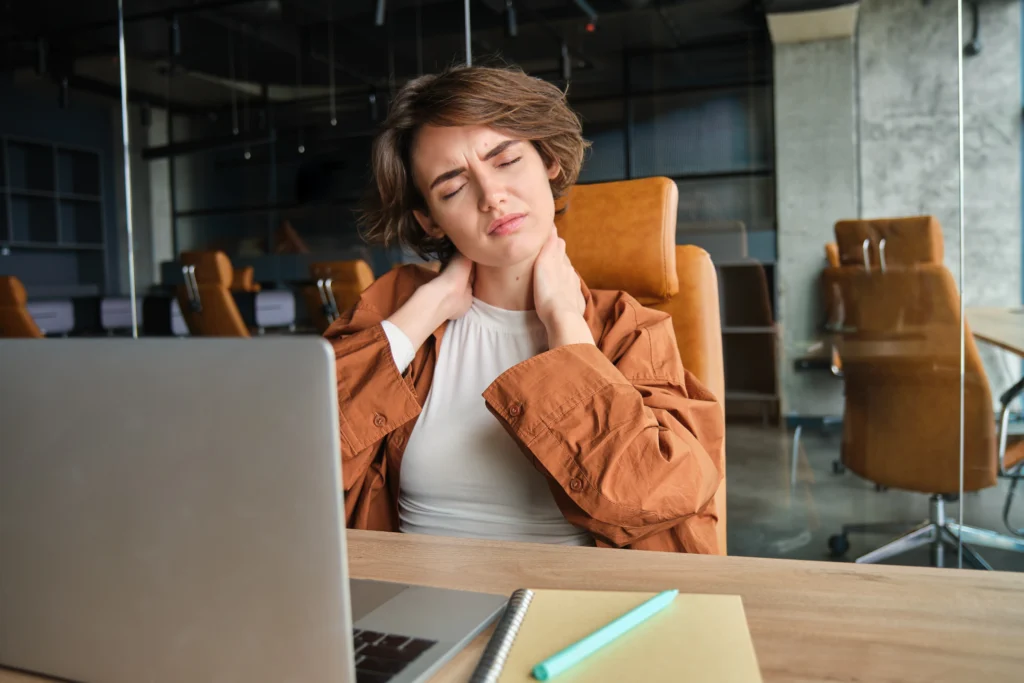
Neck pain is no longer limited to aging populations or manual labor workers. Over the last decade, cases of cervical pain have increased significantly across younger age groups, especially among office workers, students and remote professionals.
Several modern lifestyle changes are driving this rise.
Increased Screen Dependency
The average adult now spends more than 6 to 8 hours daily in front of screens. Prolonged static posture reduces muscle endurance and increases joint stress in the cervical spine.
Work From Home Ergonomic Gaps
Many people work from couches, beds or dining tables without proper monitor height or lumbar support. Poor workstation setup directly contributes to forward head posture.
Smartphone Usage and Text Neck
Looking downward for long periods increases cervical loading. Repetitive flexion posture leads to muscle imbalance and disc stress.
Reduced Physical Activity
Sedentary behavior weakens deep neck stabilizers and upper back muscles, making the spine more vulnerable to strain.
Chronic Stress
Stress increases muscle tension in the upper trapezius and suboccipital region. Over time this leads to persistent tightness and cervicogenic headaches.
Lesser Known Fact
Cervical discs do not have a direct blood supply. They depend on movement to receive nutrients through diffusion. Prolonged immobility may accelerate disc degeneration due to reduced fluid exchange.
This is one reason why micro breaks every 45 to 60 minutes are critical for spinal health.
Understanding the Cervical Spine
The cervical spine consists of:
- Seven vertebrae labeled C1 to C7
- Intervertebral discs that absorb shock
- Facet joints that guide movement
- Ligaments that stabilize
- Muscles that control posture and motion
- Nerve roots that travel to shoulders and arms
The human head weighs around 4 to 5 kilograms. When posture shifts forward, the effective load on the neck increases dramatically. Over time this leads to muscle fatigue, joint compression and disc strain.
Types of Neck Pain
Acute
Lasts less than six weeks. Usually caused by muscle strain, posture issues or minor injury.
Subacute
Persists for six to twelve weeks and may require guided rehabilitation.
Chronic
Lasts longer than three months. Often linked to degenerative changes, recurring strain or poor lifestyle habits.
Read about : 15 Common Causes of Neck Pain You Should Know
Common Causes of Neck Pain
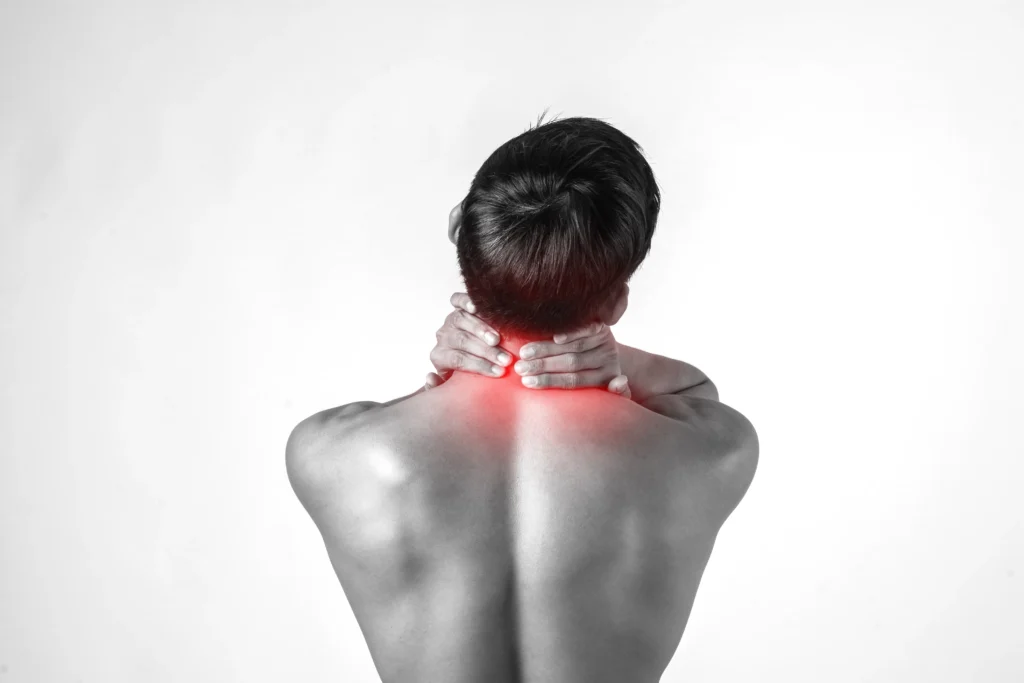
Neck pain rarely has a single cause. Most cases involve multiple contributing factors.
Postural Causes
- Forward head posture
- Rounded shoulders
- Prolonged sitting
- Text neck from mobile use
Muscular Causes
- Weak deep neck flexors
- Tight upper trapezius
- Levator scapula tightness
- Repetitive strain
Structural Causes
- Cervical spondylosis
- Disc herniation
- Degenerative disc disease
- Arthritis
Lifestyle Causes
- Stress
- Poor sleep position
- Sedentary routine
- Improper gym technique
Cervical Spondylosis
Read in detail about: What is Cervical Spondylosis? The Truth Behind Chronic Neck Pain
Cervical spondylosis refers to age related wear and tear of the neck joints and discs.
What Happens Internally
- Disc dehydration
- Reduced disc height
- Increased joint stress
- Bone spur formation
- Possible nerve compression
Symptoms
- Chronic stiffness
- Reduced neck rotation
- Arm pain
- Tingling or numbness
Early physiotherapy can significantly slow progression.
Read about: The Best Physiotherapy Exercises for Cervical Spondylosis Relief
Slipped Disc in Neck
A cervical disc herniation occurs when disc material presses against a nerve root.
Symptoms
- Sharp neck pain
- Pain radiating to arm
- Numbness in fingers
- Weak grip
Timely rehabilitation improves recovery.
Read in detail about: Cervical Disc Degeneration: The Hidden Cause of your Neck Pain
Pinched Nerve in Neck
Also known as cervical radiculopathy.
Warning Signs
- Shooting arm pain
- Burning sensation
- Persistent tingling
- Progressive weakness
Medical evaluation is necessary if symptoms worsen.
Cervical Pain and Headaches
Cervicogenic headaches originate from the upper cervical joints and muscles. Pain often starts at the base of the skull and spreads to one side of the head.
Neck Pain and Dizziness
Neck dysfunction can disturb proprioceptive input and create a sensation of imbalance. However persistent dizziness requires medical screening.
Pain Radiating to the Arm
Pain extending below the shoulder often indicates nerve involvement. Seek professional care if weakness or numbness appears.
Symptoms
Common symptoms include:
- Stiffness
- Limited movement
- Muscle tightness
- Headaches
- Shoulder discomfort
- Tingling in arms
- Weakness
Symptoms vary depending on underlying cause.
Diagnosis of Cervical Pain
Clinical Examination
A physiotherapist or doctor evaluates:
- Range of motion
- Muscle strength
- Nerve tension signs
- Postural alignment
Imaging
MRI or X ray may be advised if:
- Symptoms persist
- Neurological signs worsen
- Trauma is involved
Most mechanical neck pain does not require imaging.
Exercises for Neck Pain
Read about: Effective Neck Pain Exercises At Home: A Complete Guide to Relief and Improved Mobility

Exercise is the foundation of long term neck pain treatment. While medication may reduce symptoms temporarily, strengthening and mobility training address the root mechanical causes.
Most chronic cervical pain is linked to muscle imbalance, weakness of deep stabilizers and poor endurance of postural muscles. A structured exercise program restores control, alignment and load tolerance.
Why Exercise Is Essential
- Improves blood circulation to cervical tissues
- Enhances disc nutrition through movement
- Strengthens deep neck flexors
- Reduces joint stiffness
- Prevents recurrence
Lesser Known Fact
Cervical discs rely on motion for nutrient exchange. Gentle repeated movement improves hydration of disc tissue. Prolonged immobilization can slow recovery.
Neck Pain Treatment Options
Effective neck pain treatment combines active rehabilitation with lifestyle correction.
Exercises
Mobility Exercises
- Gentle neck rotations
- Side bending stretches
- Cat cow stretch
Strengthening Exercises
- Chin tucks
- Isometric holds
- Scapular retraction
- Deep neck flexor activation
Consistency is more important than intensity.
Isometric Neck Exercises
Press your palm gently against your forehead and hold for five to ten seconds. Repeat on sides and back. This builds strength without movement.
Yoga for Neck Pain
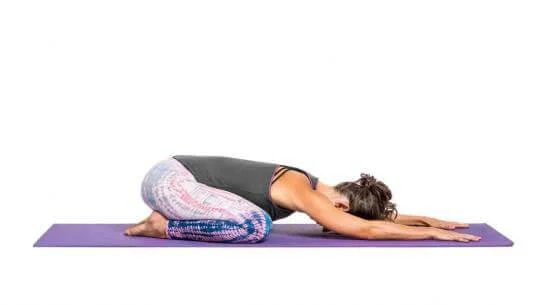
Helpful poses:
- Cat cow
- Child pose
- Thread the needle
- Gentle seated stretches
Yoga reduces muscle tension and improves blood flow.
Posture Correction Strategies
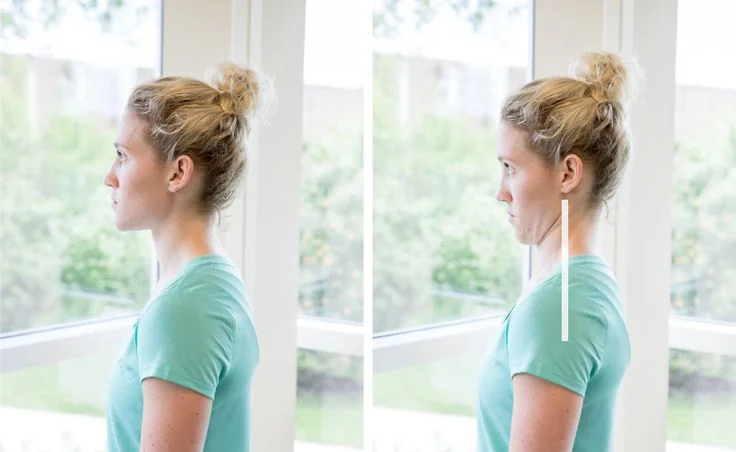
Forward Head Posture Fix
- Perform chin tucks daily (Learn How to do Chin Tucks for Neck Pain Relief and Posture Correction)
- Strengthen upper back muscles
- Adjust screen to eye level
Ergonomic Setup
Learn About: The Ultimate Neck Stretch Routine for Desk Workers in 2026
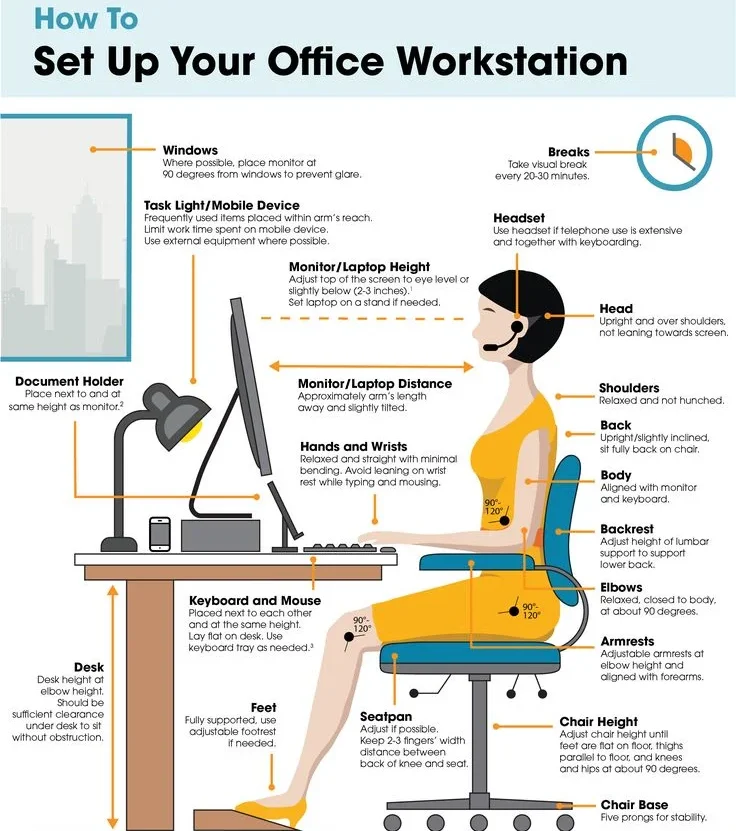
- Monitor at eye height
- Feet flat on floor
- Back supported
- Break every hour
Learn how posture affects neck pain and correction exercises in our article on Simple Posture Correction Exercises for Forward Head Posture
Text Neck Syndrome
Text Neck Syndrome refers to repetitive strain and stress injury to the cervical spine caused by prolonged forward head posture while using mobile phones, tablets and laptops.
With smartphone usage increasing globally, this condition is now seen in teenagers, IT professionals and even children.
What Happens to the Neck During Mobile Use
When you bend your head forward:
- At 15 degrees, the neck bears approximately 12 kg of force
- At 30 degrees, it increases significantly
- At 60 degrees, it may exceed 25 kg of load
The deeper the flexion and longer the duration, the greater the cumulative stress.
Common Symptoms of Text Neck
- Neck stiffness
- Upper back pain
- Headaches
- Shoulder tightness
- Reduced neck mobility
- Tingling in arms in severe cases
Lesser Known Fact
It is not only the bending angle that matters. Duration of sustained posture plays a bigger role. Even moderate flexion becomes harmful when maintained for long periods without breaks.
How to Fix Text Neck
- Raise phone to eye level
- Keep shoulders relaxed
- Perform chin tucks regularly
- Take a break every 30 to 45 minutes
- Strengthen upper back muscles
Who Is Most at Risk
- Students
- Remote workers
- IT professionals
- Gamers
- Social media heavy users
Early correction prevents long term cervical degeneration.
Best Sleeping Position
- Sleep on back or side
- Use medium firm pillow
- Keep spine neutral
- Avoid stomach sleeping
Heat vs Ice
- Ice in first 48 hours after acute strain
- Heat for muscle stiffness
Inflammation vs Muscle Tightness
Not all neck pain is inflammatory.
Inflammatory Pain
- Recent injury
- Swelling
- Warmth
- Sharp acute pain
Muscular Tightness
- Gradual onset
- Trigger points
- Dull ache
- Improves with movement
Lesser Known Fact
Applying ice to non-inflammatory muscular tightness may increase stiffness. Identifying the pain type improves treatment effectiveness.
Manual Therapy
Includes joint mobilization and soft tissue release. Best combined with strengthening.
Dry Needling
May reduce trigger point pain when performed by trained professionals.
How Long Does a Pain Take to Heal
- Mild strain: one to two weeks
- Disc irritation: four to eight weeks
- Chronic cases: several months with structured rehab
Special Populations
During Pregnancy
Hormonal and postural changes contribute. Gentle exercises are safe.
In Elderly
Often linked to degenerative changes. Strength and balance training are essential.
In Teenagers
Usually related to screen exposure and gaming posture.
Gym Related
Avoid lifting with neck extended or excessively flexed. Maintain neutral alignment.
Also read: How to Relieve Neck Tightness Without Equipment
When to See a Physiotherapist
Consult if:
- Pain lasts more than two weeks
- Arm symptoms develop
- Weakness appears
- Pain keeps returning
Early intervention prevents chronicity.
Neck Pain Red Flags
Seek urgent medical attention if you experience:
- Severe trauma
- Fever with stiffness
- Sudden severe headache
- Loss of coordination
- Progressive neurological deficit
Early Warning Signs of Serious Neck Problems
Most neck pain is mechanical and harmless. However, early recognition of serious signs can prevent complications.
Warning Symptoms That Need Attention
- Pain that wakes you at night
- Unexplained weight loss with neck pain
- Persistent fever
- Progressive arm weakness
- Loss of balance
Lesser Known Fact
Night pain that does not change with position is more concerning than movement-related pain. Mechanical pain usually improves with rest or position change.
Can Stress Cause Neck or Cervical Pain
Yes. Stress increases muscle tension in the upper trapezius and suboccipital muscles. Relaxation techniques and breathing exercises help reduce symptoms.
The Psychological Link Between Stress and Cervical Pain

Stress influences muscle tone through the autonomic nervous system.
How It Works
- Increased cortisol
- Elevated sympathetic activity
- Sustained trapezius contraction
- Reduced blood flow
Lesser Known Fact
People under chronic stress show higher resting muscle activity in the upper trapezius even without movement.
Prevention Blueprint
- Maintain upright posture
- Strengthen deep neck muscles
- Limit screen time
- Take micro breaks
- Sleep with proper support
- Manage stress
- Stay physically active
Can Neck Pain Become Permanent?
Most neck pain is reversible. However, untreated mechanical issues can become chronic through central sensitization.
What Is Central Sensitization
The nervous system becomes more sensitive to pain signals over time.
Risk Factors for Chronicity
- Fear of movement
- Avoidance behavior
- Poor sleep
- Ongoing stress
- Recurrent untreated episodes
Lesser Known Fact
Early movement and guided rehabilitation reduce the risk of chronic pain more effectively than prolonged rest.
Frequently Asked Questions
Mild muscular pain often resolves within one to two weeks with rest and exercise.
Frequent self manipulation may irritate joints. Avoid excessive force.
Degenerative changes cannot be reversed but symptoms can be managed effectively.
Not always. Milder and acute pain resolves with posture correction and neck exercises. Chronic neck pain might need MRI. We would suggest to consult a physician first.
Conclusion
Neck pain is common but highly manageable. Most cases result from posture issues, muscle imbalance and prolonged screen use.
With early intervention, targeted exercises and proper ergonomics, long term relief is achievable. Seek medical care if neurological symptoms appear, but for most people, consistent rehabilitation and healthy habits are enough to restore comfort and prevent recurrence.
Stay tuned with us for more health related topics.
Follow us on LinkedIn and Instagram for more.
More Read


/disc


