


Most people don’t read about shoulder arthroscopy before surgery.
They read after.
Usually when:
- pain is still there
- movement feels restricted
- recovery is slower than expected
And the most common line I hear in clinic is simple:
“I thought surgery would fix everything.”
That belief needs correction.
Quick Answer
Shoulder arthroscopy is a minimally invasive surgery used to treat shoulder problems like rotator cuff tears and impingement. However, it is not always necessary. Many cases improve with structured physiotherapy. Recovery usually takes 4 to 6 months, and the success of surgery depends heavily on rehabilitation, not just the procedure itself.
Key Takeaways
- Shoulder arthroscopy treats structure, not movement patterns
- Physiotherapy is often effective and should be tried first
- Recovery takes months, not weeks
- Stiffness is the most common post-surgery issue
- Scapular strength plays a major role in recovery
- Consistency in rehab matters more than intensity
- MRI findings do not always match pain levels
- Early guided movement improves outcomes significantly
What Shoulder Arthroscopy Actually Does
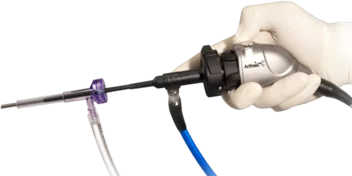
Shoulder arthroscopy is a minimally invasive procedure where a small camera is inserted into the joint to:
- repair torn tendons
- remove inflamed tissue
- smooth damaged structures
It is precise and widely used.
But here is the part often not explained clearly:
It fixes structure. It does not fix movement patterns.
It does not restore strength automatically.
That responsibility shifts to rehabilitation.
Why Shoulder Problems Are So Common Today
The shoulder is built for mobility, not stability.
That is why small issues become big problems over time.
Most cases seen clinically fall under:
- rotator cuff related shoulder pain
- shoulder impingement
- labral irritation
Recent understanding has shifted from “damage-based thinking” to “function-based thinking.”
Meaning:
Pain is not always equal to tissue damage. (Lewis et al., 2021)
This is important because many people assume surgery is the only solution once a scan shows a tear.
A Lesser Known Truth About Shoulder Tears
Many adults above 40 have rotator cuff tears without pain. (Minagawa et al., 2013)
So the presence of a tear on MRI does not always mean surgery is necessary.
This is where clinical judgment matters more than imaging.
What Your MRI Report Doesn’t Tell You
MRI reports can sound scary.
Words like:
- tear
- degeneration
- impingement
But here’s what matters:
- Many findings are age-related, not injury-related
- Reports don’t show how your shoulder actually functions
- Pain levels often don’t match scan results
So don’t panic after reading your report.
Always match imaging with symptoms.
When Shoulder Arthroscopy Makes Sense
Surgery has a clear role. It is not unnecessary. It is often overused.
You are likely to benefit when:
- there is a full thickness rotator cuff tear
- repeated shoulder dislocations occur
- you cannot lift your arm functionally
- structured physiotherapy has failed after 3 to 6 months
You should pause and reconsider when:
- pain is tolerable but persistent
- strength is mostly intact
- movement improves with exercise
Because in many of these cases, non surgical treatment works well.
How Do You Know If You Actually Need Surgery?
If you are unsure, ask yourself these:
- Can you lift your arm above shoulder level without sharp pain?
- Does your pain reduce after a few days of rest or exercise?
- Are you able to sleep without constant disturbance?
- Has physiotherapy actually been done consistently for at least 8 weeks?
If most answers are “yes,” surgery may not be urgent.
If your arm feels weak, unstable, or keeps dislocating, then surgery becomes more reasonable.
What Research Is Saying Right Now
This is where things get interesting.
High quality studies have questioned the routine use of arthroscopy in certain conditions.
One major trial showed:
Surgery for shoulder impingement had no significant benefit over placebo surgery. (Beard et al., 2018)
Another strong body of evidence supports exercise therapy as first line care. (Kuhn et al., 2013)
More recent analyses continue to support:
- exercise based rehabilitation
- combined manual therapy
- progressive loading (Frontiers in Bioengineering, 2025)
This does not mean surgery is ineffective.
It means it is not always the first step.
What Happens During Surgery
The procedure itself is straightforward:
- small incisions
- camera inserted
- surgical tools used to repair or clean tissue
Duration is usually under 90 minutes.
Most patients go home the same day.
But again, this is the easiest part of the entire process.
Before You Say Yes to Surgery, Ask These Questions
Take these to your consultation:
- What happens if I delay surgery?
- Can physiotherapy still help my condition?
- What percentage of patients improve without surgery?
- What is the realistic recovery timeline for me?
- What are the chances of stiffness or recurrence?
If these questions are not answered clearly, pause and rethink.
The Reality of Recovery
Recovery is where expectations often break.
Phase 1: Protection (0 to 3 weeks)
- sling support
- pain and stiffness
- limited movement
Phase 2: Early movement (3 to 8 weeks)
- gradual lifting of the arm
- discomfort during activity
Phase 3: Strength building (2 to 4 months)
- structured exercises
- muscle activation
What to Expect at 3 Months
At this stage:
- Pain is usually reduced
- Movement is better, but not perfect
- Strength is still coming back
You may feel “almost normal,” but this is where people rush.
Don’t.
This is still a rebuilding phase.
Phase 4: Functional return (4 to 6 months and beyond)
- return to normal activity
- sport specific training
Full recovery can take up to 6 to 9 months.
And this depends heavily on rehabilitation quality.
What Your First 2 Weeks After Surgery Feel Like
This phase surprises most people.
You may feel:
- dependent on others
- uncomfortable while sleeping
- unsure how much to move
Even simple tasks like dressing or bathing can feel difficult.
This is normal.
The goal here is not strength.
It is safe movement and patience.
What I See in Real Patients
This is where the gap between theory and reality becomes clear.
1. Stiffness is extremely common
Not infection. Not failure. Stiffness.
Especially when movement is delayed.
2. Fear slows recovery
Patients avoid movement thinking they will damage the repair.
In reality, controlled movement is essential.
3. The shoulder is not working alone
The scapula and upper back play a huge role.
Improving thoracic mobility has been shown to enhance shoulder outcomes. (Strunce et al., 2009)
Common Mistakes I See After Shoulder Arthroscopy
These happen more often than you think:
- Keeping the arm in a sling longer than needed
- Avoiding movement out of fear
- Skipping physiotherapy sessions
- Doing random exercises from the internet
- Returning to gym too early
Fixing just these can improve recovery significantly.
The Most Ignored Area in Rehab
Weak or poorly coordinated shoulder blade muscles change how the shoulder joint loads.
Research shows targeted scapular exercises improve symptoms and function. (Kibler et al., 2013)
Yet many rehab programs focus only on the shoulder joint.
That is incomplete.
Common Myths That Need Correction
Myth: Surgery fixes the problem permanently
Truth: Without rehab, symptoms often return
Myth: Pain always means damage
Truth: Pain is influenced by multiple factors including movement and sensitivity
Myth: Rest is the best recovery strategy
Truth: Gradual loading is essential for healing
Risks You Should Be Aware Of
Shoulder arthroscopy is generally safe, but not risk free.
- stiffness is the most common issue
- persistent pain can occur
- re tear risk exists if rehab is poor
- frozen shoulder risk is higher in diabetics
These risks are often manageable with early and structured physiotherapy.
Signs You Should Not Ignore
Contact your doctor or physio if you notice:
- sudden increase in pain
- swelling that does not reduce
- inability to move the arm at all
- fever or signs of infection
Early attention prevents bigger problems.
A Practical Approach Before Surgery
If you are considering arthroscopy, do this first:
- follow a structured physiotherapy plan for at least 8 to 12 weeks
- work on posture and daily movement habits
- strengthen scapular and rotator cuff muscles
If there is no improvement after this, surgery becomes a more reasonable option.
After Surgery: What Actually Determines Success
Not the surgical technique.
Not the size of the tear.
It is:
- consistency of rehabilitation
- quality of movement retraining
- gradual strength progression
One recent study showed that simply increasing exercise intensity does not guarantee better outcomes. (SAGE Journals, 2025)
This means smarter rehab matters more than harder rehab.
Simple Daily Movements That Speed Up Recovery
These small things matter more than people think:
- Let your arm hang and gently swing (pendulum)
- Practice assisted lifting using the other hand
- Keep your posture upright while sitting
- Avoid keeping your arm stiff all day
Do these consistently. Not aggressively.
Recovery improves with repetition, not force.
A Simple 10-Minute Shoulder Routine
You can suggest this to your readers:
- 2 minutes pendulum swings
- 2 minutes assisted arm raises
- 2 minutes wall slides
- 2 minutes scapular squeezes
- 2 minutes relaxed breathing
Keep it controlled. No pain spikes.
Consistency matters more than intensity.
A Small Insight That Changes Outcomes
Pain often reduces before strength fully returns.
So many patients stop exercises early.
Then symptoms come back.
Recovery is not about feeling better.
It is about becoming stronger and more resilient.
Signs You Are Recovering Well
You’re on the right track if:
- pain is gradually reducing
- movement improves week by week
- exercises feel easier over time
- daily activities become smoother
Progress is slow but steady.
That is exactly how it should be.
Final Thought
Shoulder arthroscopy is a useful tool.
But it is not the full solution.
From a physiotherapist’s perspective:
Surgery corrects the structure.
Rehabilitation restores function.
And function is what truly determines whether you recover well or not.
Frequently Asked Questions
Is shoulder arthroscopy always necessary?
No, many shoulder conditions improve with physiotherapy and do not require surgery.
How long does recovery take?
Recovery usually takes 4 to 6 months depending on the type of surgery and rehab consistency.
What is the biggest mistake after surgery?
Avoiding movement due to fear, which often leads to stiffness and delayed recovery.
Can physiotherapy really replace surgery?
In many cases, yes. Structured physiotherapy can reduce pain and improve function significantly.
Is pain normal after shoulder arthroscopy?
Mild to moderate pain is expected, especially in the early recovery phase.
When can I return to normal activities?
Light activities can resume in a few weeks, but full recovery may take several months.
Can shoulder problems come back after surgery?
Yes, especially if muscle strength and movement patterns are not properly addressed.
Stay tuned with us for more health related topics.
Follow us on LinkedIn and Instagram for more.
More Read


Medical Disclaimer!
This article has been reviewed and written under the guidance of our Head Physiotherapist, Dr. Kruti Raj (PT, MUHS,CPT,CMPT). The information shared is intended for educational purposes only and should not be considered a substitute for personalized medical advice, diagnosis, or treatment.
Please consult us or any other qualified healthcare professional before beginning any exercise program, especially if you are experiencing pain, recovering from injury, or managing a medical condition.


