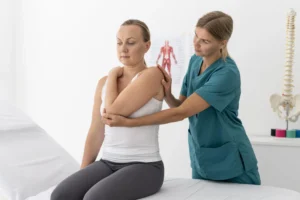
Exercise myths during pregnancy can create unnecessary fear and confusion, making it harder for women to stay active with confidence.
If there is one topic that creates confusion during pregnancy, it is exercise.
One person tells you to “take it easy and rest.”
Another says you should stay active throughout pregnancy.
Social media is full of workout videos, while well-meaning relatives may warn you that too much movement could harm the baby.
It is no wonder many women feel uncertain.
Quick Answer
Many common exercise myths during pregnancy are based on outdated advice rather than modern research. For most women with uncomplicated pregnancies, physical activity is not only safe but beneficial. Walking, strength training, swimming, prenatal yoga, and other appropriately modified exercises can help improve fitness, reduce discomfort, support mental wellbeing, and prepare the body for labor and recovery. The key is exercising safely, listening to your body, and following professional guidance when needed.
As a women’s health physiotherapist,
I regularly meet pregnant women who are afraid of exercising, not because they dislike movement, but because they are worried about doing something wrong.
The good news is that many of the exercise warnings passed down from previous generations are based on outdated information rather than current research.
Modern evidence shows that appropriate physical activity during pregnancy is not only safe for most women but can also provide significant benefits for both mother and baby.
The challenge is separating myths from facts.
Let’s look at some of the most common exercise myths during pregnancy and what the research actually tells us.
Key Takeaways
- Most pregnancy exercise myths are based on outdated beliefs rather than current scientific evidence.
- Regular physical activity is generally encouraged in uncomplicated pregnancies.
- Exercise does not appear to increase the risk of miscarriage in healthy pregnancies.
- The old recommendation to keep heart rate below 140 beats per minute is no longer widely used.
- Strength training can be safe and beneficial when properly modified.
- Many women can continue running during pregnancy if they were runners before pregnancy and remain comfortable.
- Core exercises often require modification rather than complete avoidance.
- Walking is beneficial but not the only safe exercise option during pregnancy.
- Previously inactive women can usually start gentle physical activity during pregnancy.
- Pelvic floor health involves both strengthening and relaxation, not just repeated Kegel exercises.
Why Pregnancy Exercise Creates So Much Confusion
Pregnancy is a unique period because the body is constantly changing.
Many symptoms that appear during pregnancy,
such as fatigue, nausea, pelvic discomfort, and shortness of breath, can make movement feel different.
At the same time, pregnancy advice often comes from multiple sources.
Family members, friends, social media influencers, online forums, and healthcare professionals may all offer different opinions.
Unfortunately, some pregnancy exercise myths have survived long after science disproved them.
Understanding what evidence says can help you make informed decisions about movement during pregnancy.
Myth #1: Pregnant Women Should Rest As Much As Possible
Many women still hear advice such as:
“You’re pregnant. Sit down and relax.”
While rest is important, complete inactivity is rarely beneficial.
Research consistently shows that regular physical activity during pregnancy can support:
cardiovascular health, reduce excessive weight gain, improve mood, and help maintain physical function. (Witvrouwen et al. 2020)
Pregnancy is not an illness.
It is a physiological process.
For most healthy pregnancies, movement remains an important part of overall wellbeing.
What I Tell My Patients
The goal is not to train like an athlete.
The goal is to keep your body functioning well as pregnancy progresses.
Even simple activities such as walking can make a meaningful difference.
Myth #2: Exercise Can Harm the Baby
This is one of the biggest fears many women have.
The concern is understandable.
After all, when you exercise, your heart rate increases and your breathing changes.
Many women worry that this might somehow reduce oxygen delivery to the baby.
Current evidence does not support this concern in uncomplicated pregnancies.
Research shows that babies generally tolerate maternal exercise very well. (Shen et al. 2025)
In fact, physical activity during pregnancy has been associated with several positive maternal health outcomes.
Why This Myth Persists
Many people confuse temporary physical exertion with danger.
However, the pregnant body is remarkably adaptive.
The cardiovascular system, lungs, and circulation all adjust to support both mother and baby during activity.
Myth #3: Exercise Causes Miscarriage
This myth creates significant anxiety, especially during the first trimester.
Many women become afraid to continue activities they enjoyed before pregnancy.
Current evidence does not show that exercise causes miscarriage in healthy pregnancies. (ACOG 2020)
Most miscarriages occur because of chromosomal abnormalities and factors unrelated to exercise.
A Physiotherapist’s Observation
I often see women stop all movement after discovering they are pregnant.
Unfortunately, this can contribute to stiffness, fatigue, and reduced physical confidence.
For most women, gentle activity remains appropriate unless advised otherwise by their healthcare provider.
Myth #4: Your Heart Rate Should Never Go Above 140 Beats Per Minute
If you have ever researched pregnancy exercise online, you may have encountered the old “140 beats per minute rule.”
This guideline was once commonly recommended.
Today, it is considered outdated.
Modern recommendations focus more on perceived effort rather than a strict heart rate limit.
A Simpler Approach
Many professionals use the “talk test.”
If you can comfortably maintain a conversation while exercising, the intensity is often appropriate.
This approach is more practical because fitness levels vary widely between individuals.
Myth #5: Strength Training Is Unsafe During Pregnancy
Many women assume that lifting weights automatically becomes dangerous during pregnancy.
In reality, properly modified strength training can be a valuable part of prenatal fitness.
Research supports resistance training as a safe option for many pregnant women. (Mottola et al. 2018)
Why Strength Matters
Pregnancy places increasing demands on:
- The lower back
- Hips
- Pelvic floor
- Core muscles
Strength training can help improve physical resilience as these demands increase.
What Needs Modification?
The answer is not avoiding strength training altogether.
The answer is adjusting exercises as pregnancy progresses.
Proper technique, breathing, and exercise selection become increasingly important.
Myth vs Fact
Myth: Pregnant women should avoid lifting weights.
Fact: Properly modified strength training can help improve posture, support the pelvic floor, reduce back pain, and prepare the body for labor and postpartum recovery.
Myth #6: Running Is Always Dangerous During Pregnancy
Running often receives strong opinions.
Some people believe pregnant women should stop running immediately.
Research tells a more nuanced story.
Women who were regular runners before pregnancy can often continue running if they remain comfortable and receive appropriate medical guidance.
Listening To Your Body Matters
Pregnancy is not the time to chase personal records.
However, continuing familiar activities may be entirely appropriate for some women.
The key is recognizing that comfort levels may change throughout pregnancy.

Myth #7: You Should Avoid All Abdominal Exercises
This myth has become increasingly common.
Many women are told that any core exercise is harmful.
The reality is more complex.
Core muscles play an important role during pregnancy.
They support posture, breathing, movement, and spinal stability.
The Goal Is Adaptation, Not Avoidance
Some abdominal exercises may need modification.
Others may remain appropriate.
The focus should be on supporting function rather than avoiding all core activity.
Why Core Training Matters
As the uterus grows, the abdominal wall stretches significantly.
Appropriate core exercises can help maintain movement quality and body awareness throughout pregnancy.
Myth #8: Walking Is The Only Safe Exercise
Walking is an excellent form of exercise.
It is accessible, practical, and supported by research.
However, it is not the only safe option.
Pregnant women may also participate in:
- Swimming
- Stationary cycling
- Prenatal yoga
- Strength training
- Pilates
- Low-impact aerobic exercise
Variety Can Be Helpful
Different forms of exercise provide different benefits.
Combining strength, mobility, cardiovascular activity, and flexibility work often creates a more balanced program.
Myth #9: If You Weren’t Active Before Pregnancy, You Shouldn’t Start Now
This misconception prevents many women from becoming more active.
Being inactive before pregnancy does not mean you must remain inactive throughout pregnancy.
The key is starting gradually. (Centers for Disease Control and Prevention 2024)
Start Small
You do not need an intense exercise routine.
Even short walks and gentle movement sessions can provide meaningful benefits.
Consistency matters more than intensity.
Progress Slowly
Pregnancy is not the time for dramatic fitness transformations.
Instead, focus on building sustainable habits.
Myth #10: Pelvic Floor Exercises Mean Doing Endless Kegels
This myth about kegels is particularly common.
Many women assume pelvic floor health is simply about squeezing muscles repeatedly.
Modern pelvic health physiotherapy takes a broader view.
The pelvic floor needs:
- Strength
- Endurance
- Coordination
- Relaxation
A muscle that can only contract is not necessarily functioning optimally.
Why Relaxation Matters Too
Some women actually have excessive pelvic floor tension.
In these situations, learning how to relax the muscles can be just as important as strengthening them.
This is one reason individualized assessment can be valuable.
What Research Says About Exercising During Pregnancy
Modern guidelines generally recommend regular physical activity for women with uncomplicated pregnancies.
Exercise has been associated with benefits such as:
- Improved cardiovascular fitness
- Better mood
- Reduced risk of excessive gestational weight gain
- Lower risk of gestational diabetes
- Improved physical function
These benefits often extend beyond pregnancy and into the postpartum period. (Physical Activity Guidelines for Americans 2018)
A Physiotherapist’s Perspective on Pregnancy Exercise
One of the biggest barriers to movement during pregnancy is fear.
Women become afraid of:
- Hurting the baby
- Triggering complications
- Exercising incorrectly
- Making symptoms worse
In many cases, confidence improves when women understand how adaptable the body actually is.
Exercise does not need to be perfect.
It simply needs to be appropriate.
The Most Effective Exercise Program
The best exercise program is usually the one you can maintain consistently.
For many women, this includes:
- Walking
- Strength training
- Mobility exercises
- Breathing exercises
- Pelvic floor awareness
The goal is supporting your changing body rather than achieving fitness milestones.
Physiotherapist’s Advice
The best pregnancy exercise program is not necessarily the hardest one. Focus on consistency rather than intensity. A combination of walking, strengthening exercises, breathing work, mobility training, and pelvic floor awareness can help your body adapt to pregnancy while supporting comfort and confidence.
When Exercise Should Be Modified
Although exercise is beneficial for many women, some situations require modification or medical guidance.
Always consult your healthcare provider if you experience:
- Vaginal bleeding
- Dizziness
- Chest pain
- Severe shortness of breath
- Regular painful contractions
- Leakage of amniotic fluid
These situations deserve professional evaluation.
Final Thoughts
Pregnancy changes the body in remarkable ways, but it does not automatically mean movement should stop.
Many of the fears surrounding exercise come from myths that have been repeated for decades rather than from current scientific evidence.
As a physiotherapist, I encourage women to view exercise as a tool for supporting their bodies throughout pregnancy.
Movement can help maintain strength, improve confidence, support mental wellbeing, and prepare the body for labor and recovery.
The goal is not to exercise perfectly.
The goal is to move safely, consistently, and with confidence.
When evidence replaces myths, pregnancy exercise becomes far less intimidating and far more empowering.
Frequently Asked Questions About Exercise During Pregnancy
Is exercise safe during pregnancy?
For most women with uncomplicated pregnancies, exercise is considered safe and beneficial. Always discuss concerns with your healthcare provider.
Can exercise cause miscarriage?
Current evidence does not show that exercise causes miscarriage in healthy pregnancies.
Can I continue strength training while pregnant?
Many women can continue strength training with appropriate modifications, proper technique, and professional guidance.
Should I stop running when I become pregnant?
Not necessarily. Women who were runners before pregnancy may often continue running if they remain comfortable and receive medical clearance.
Is walking enough exercise during pregnancy?
Walking is excellent, but many women may also benefit from strength training, swimming, prenatal yoga, and mobility exercises.
Can I start exercising if I was inactive before pregnancy?
Yes. Many previously inactive women can safely begin light-to-moderate physical activity during pregnancy with appropriate progression.
Should I avoid abdominal exercises?
Not necessarily. Many core exercises can be modified rather than eliminated completely during pregnancy.
Are Kegel exercises enough for pelvic floor health?
No. A healthy pelvic floor requires both strength and relaxation. Pelvic floor training should focus on overall function.
Stay tuned with us for more health related topics.
Follow us on LinkedIn and Instagram for more.
More Read



Medical Disclaimer!
This article has been reviewed and written under the guidance of our Head Physiotherapist, Dr. Kruti Raj (PT, MUHS,CPT,CMPT). The information shared is intended for educational purposes only and should not be considered a substitute for personalized medical advice, diagnosis, or treatment.
Please consult us or any other qualified healthcare professional before beginning any exercise program, especially if you are experiencing pain, recovering from injury, or managing a medical condition.