


Why is losing weight hard after 35?
Many people notice changes as muscle mass, hormones, metabolism, and daily activity patterns shift over time.
If you have ever looked at old photos and thought, “I used to lose weight so much faster,” you are not alone.
Many people notice that maintaining a healthy weight seems easier in their twenties than in their late thirties or forties.
The same eating habits and exercise routines that once produced quick results may no longer work as expected.
Quick Answer
Yes, losing weight can become more challenging after 35, but not because your metabolism suddenly crashes.
Small changes in muscle mass, physical activity, lifestyle, and daily calorie needs gradually add up over time.
The good news? Regular exercise, strength training, balanced nutrition, and sustainable habits can still help you lose weight successfully at any age.
This often leads to a common belief:
“My metabolism must have crashed after 35.”
The truth is more nuanced.
Losing weight can become more challenging as we age, but it is rarely because of one dramatic biological event.
Instead, several small changes in the body and lifestyle gradually add up over time.
The good news is that turning 35 does not mean your weight-loss journey is over.
Understanding what changes, and what does not, can help you work with your body instead of against it.
Key Takeaways
- Weight loss may become slower after 35, but it is not impossible.
- Your metabolism does not suddenly stop working at a specific age.
- Age-related muscle loss can influence body composition and energy use.
- Busy lifestyles and reduced daily activity often play a major role.
- Strength training helps preserve muscle and supports healthy aging.
- Extreme diets are usually less effective than sustainable habits.
- Balanced nutrition and regular movement remain the foundation of healthy weight management.
- Turning 35 is not a biological deadline for losing fat.
Does Weight Loss Really Become Harder After 35?
For many people, yes, but not for the reasons they think.
Weight management depends on the balance between energy intake and energy expenditure.
As we age, both sides of that equation can change.
Some common factors include:
- Gradual loss of muscle mass
- Reduced daily physical activity
- Changes in work and family responsibilities
- Lifestyle habits
- Normal biological aging
These factors may make weight loss slower, but they do not make it impossible.
Myth vs Reality
Myth: The moment you turn 35, your metabolism crashes.
Reality: Weight management usually becomes more challenging because of gradual changes in muscle mass, activity levels, and lifestyle—not because your body suddenly stops burning calories.
Does Your Metabolism Suddenly Slow Down?
One of the biggest myths is that metabolism suddenly crashes after age 35.
Scientific research suggests that human energy expenditure changes more gradually than many people believe.
A large study examining metabolism across the human life course found that energy expenditure remains relatively stable through much of adulthood before more noticeable declines occur later in life. (Pontzer et al. 2021)
This means there is no magic birthday when your body suddenly stops burning calories efficiently.
Instead, smaller changes accumulate over time.
Why Muscle Mass Matters More as You Age
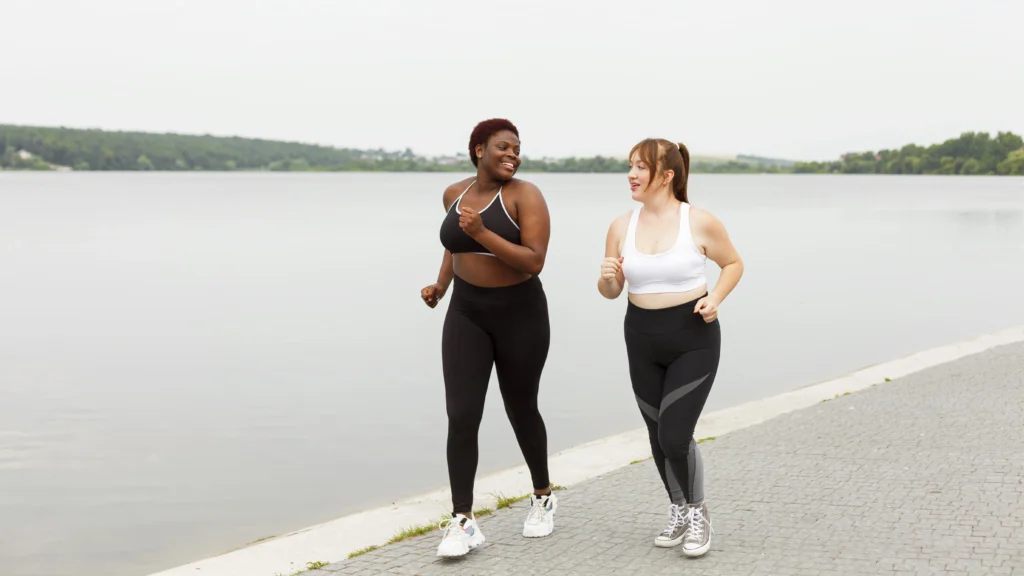
Muscle plays an important role in overall health and energy expenditure.
As people get older, they naturally tend to lose muscle mass, a process often called age-related muscle loss or sarcopenia.
Research shows that aging is associated with gradual reductions in skeletal muscle size and strength. (Mitchell et al. 2012)
Losing muscle can influence body composition and may reduce the amount of energy your body uses each day.
This is one reason strength training becomes increasingly important after 35.
Preserving muscle helps maintain physical function and supports long-term weight management.
Muscle Protection Checklist
Small habits can help preserve muscle as you age:
- Strength train 2-3 times per week.
- Include protein-rich foods in your meals.
- Stay physically active every day.
- Avoid extreme crash diets.
- Prioritize recovery and consistency.
Daily Life Often Changes Too
Biology is only part of the story.
Many adults become busier as they move through their thirties and forties.
Common lifestyle changes include:
More Time Sitting
Office jobs and long commutes can reduce daily movement.
Family Responsibilities
Looking after children or aging parents often leaves less time for exercise.
Increased Stress
Busy schedules may make healthy eating and regular activity more difficult.
Less Recreational Activity
Many people naturally become less active than they were in their twenties.
Even small reductions in daily movement can influence long-term energy balance.
Does Hormonal Change Play a Role?
Hormones influence many functions in the body, including appetite, body composition, and energy balance.
Both men and women experience normal hormonal changes with age.
However, hormones are rarely the only reason for weight gain.
For most healthy adults, changes in muscle mass, activity levels, and lifestyle habits often contribute significantly to changes in body weight.
This article focuses on normal aging and should not replace medical evaluation for people with specific health concerns.
Why Extreme Diets Usually Backfire
Many people respond to slower weight loss by cutting calories dramatically.
Although this may produce short-term results, highly restrictive diets are often difficult to maintain.
Extreme approaches can also make it harder to preserve muscle mass.
A more sustainable strategy is to create healthy habits that can be maintained over the long term.
Consistency usually produces better results than perfection.
Why Strength Training Becomes More Important
Walking, cycling, and other aerobic activities provide excellent health benefits.
However, resistance exercise helps preserve lean muscle mass.
The role of muscle extends beyond appearance.
Muscle supports movement, strength, and physical function throughout life.
Research has highlighted the important role of skeletal muscle in overall health. (Demontis et al. 2014)
Strength training does not require complicated equipment.
Simple bodyweight exercises, resistance bands, or basic weight training can all be effective.
Can You Still Lose Weight After 35?
Absolutely.
Many people successfully lose weight in their forties, fifties, and beyond.
The strategies may simply need to become more intentional.
Healthy weight management after 35 often includes:
- Regular physical activity
- Strength training
- Balanced nutrition
- Adequate protein intake
- Good sleep habits
- Long-term consistency
The goal should not be to recreate the habits of your twenties but to build routines that fit your current lifestyle.
Should You Eat Less After 35?
Not necessarily.
The idea that everyone over 35 should drastically reduce calorie intake is another myth.
Calorie needs vary depending on body size, muscle mass, physical activity, and overall health.
Rather than focusing only on eating less, many people benefit from focusing on eating better.
Prioritizing nutrient-dense foods, adequate protein, fruits, vegetables, and whole grains can support overall health while helping manage body weight.
Eat Smarter, Not Just Less
Instead of focusing only on cutting calories, try to:
- Fill half your plate with vegetables.
- Include lean protein with meals.
- Choose whole grains when possible.
- Stay hydrated throughout the day.
- Avoid skipping meals to “save calories.”
The Importance of Staying Active
Exercise is not only about burning calories.
Regular movement supports:
- Cardiovascular health
- Muscle preservation
- Mobility
- Mental well-being
- Healthy aging
Current physical activity guidelines encourage adults to perform regular aerobic activity and muscle-strengthening exercises.
You do not have to become an athlete.
Walking, cycling, swimming, resistance training, and recreational activities all contribute to a healthier lifestyle.
Expert Tip
After 35, focus less on eating drastically less and more on preserving muscle through strength training, staying active, and building sustainable eating habits.
Common Myths About Losing Weight After 35
Myth: Your Metabolism Crashes at 35
Reality:
Metabolic changes are generally gradual rather than sudden.
Myth: Weight Loss Is Impossible After 35
Reality:
Many people successfully lose weight later in life.
Myth: Hormones Are the Only Reason for Weight Gain
Reality:
Lifestyle, activity levels, and body composition also play important roles.
Myth: You Need Extreme Diets
Reality:
Sustainable habits are usually more effective than restrictive approaches.
Myth: Cardio Is Enough
Reality:
Strength training helps preserve muscle and supports healthy aging.
When Should You Seek Medical Advice?
Although normal aging influences body composition, unexplained weight gain or difficulty losing weight can sometimes be associated with medical conditions.
If you have concerns about your health or experience unexpected changes, speaking with a healthcare professional is appropriate.
Focus on What You Can Control
- Build and preserve muscle.
- Walk and stay active daily.
- Eat balanced, satisfying meals.
- Get enough sleep and recovery.
- Think long-term, not quick fixes.
Getting older may change the strategy—but it does not take away your ability to lose weight.
The Bottom Line
Losing weight may become more challenging after 35, but it is not because your body suddenly stops working.
Gradual changes in muscle mass, physical activity, body composition, and lifestyle often contribute to the process.
The encouraging news is that these factors can often be influenced through healthy habits.
Instead of worrying that your metabolism has crashed, focus on what you can control:
- Stay active.
- Preserve muscle.
- Eat a balanced diet.
- Avoid extreme approaches.
- Build sustainable routines.
Understanding why losing weight feels different after 35 can help you create a smarter, more sustainable approach that supports your body.
Turning 35 is not the end of effective weight management.
For many people, it is simply the point where smart, consistent habits become more important than quick fixes.
Final Thoughts
Aging changes the body, but it does not take away your ability to lose weight. Smart strategies and consistent habits often become more important than extreme diets or intense workouts.
Growing older does not mean giving up, it means adapting.
Frequently Asked Questions
Metabolism changes gradually over time, but research does not support the idea that it suddenly crashes at age 35.
For many people, yes. Age-related changes in muscle mass, activity levels, and lifestyle can make weight management more challenging.
Maintaining muscle supports physical function and contributes to daily energy expenditure.
Yes. Resistance exercise helps preserve lean muscle mass and supports healthy aging.
Not necessarily. Most people benefit more from improving food quality and staying active than from extreme calorie restriction.
Walking is excellent for health, but combining it with strength training and balanced nutrition may provide additional benefits.
No. Hormones play a role, but muscle mass, activity levels, eating habits, and lifestyle are also important.
Absolutely. Many people successfully lose weight later in life by building consistent, sustainable habits.
Stay tuned with us for more health related topics.
Follow us on LinkedIn and Instagram for more.
More Read


Medical Disclaimer!
This article has been reviewed and written under the guidance of our Head Physiotherapist, Dr. Kruti Raj (PT, MUHS,CPT,CMPT). The information shared is intended for educational purposes only and should not be considered a substitute for personalized medical advice, diagnosis, or treatment.
Please consult us or any other qualified healthcare professional before beginning any exercise program, especially if you are experiencing pain, recovering from injury, or managing a medical condition.


