


When people think about Polycystic Ovary Syndrome (PCOS), they often associate it with weight gain or obesity.
While excess body weight is common in many women with PCOS, being overweight is not a requirement for the condition.
In fact, a significant number of women with PCOS have a normal or even low Body Mass Index (BMI).
This form of the condition is commonly known as Lean PCOS.
Quick Answer
Yes. You can have Polycystic Ovary Syndrome (PCOS) even if you’re not overweight. This form of the condition is commonly known as Lean PCOS. Women with Lean PCOS may experience irregular periods, acne, excess facial hair, hair thinning, infertility, and hormonal imbalance despite having a normal Body Mass Index (BMI). Diagnosis is based on symptoms, hormone levels, and ultrasound findings, not body weight. Early diagnosis and a combination of healthy nutrition, physiotherapy-guided exercise, stress management, and medical care can help effectively manage Lean PCOS.
Women with Lean PCOS may experience many of the same symptoms as those who are overweight, including irregular menstrual periods, acne, excess facial or body hair, hair thinning, difficulty conceiving, and hormonal imbalances.
However, because they do not fit the stereotypical image of PCOS, diagnosis is often delayed or overlooked.
Many women spend years searching for answers before receiving the correct diagnosis.
Although women with Lean PCOS may not struggle with obesity, they can still experience insulin resistance, metabolic abnormalities, infertility, and emotional challenges.
This highlights that PCOS is primarily a hormonal and metabolic disorder, not simply a weight-related condition.
The encouraging news is that Lean PCOS can be effectively managed through appropriate lifestyle modifications, physiotherapy-guided exercise, balanced nutrition, stress management, and medical treatment when necessary.
Early recognition allows women to better manage symptoms and reduce the risk of long-term health complications.
In this article, we’ll explain what Lean PCOS is, why it occurs, how it is diagnosed, and the most effective strategies for managing it.
Key Takeaways
- Lean PCOS affects women with a normal Body Mass Index (BMI).
- Body weight is not used to diagnose PCOS.
- Women with Lean PCOS may still experience insulin resistance and hormonal imbalance.
- Common symptoms include irregular periods, infertility, acne, excess facial hair, and hair thinning.
- Balanced nutrition, physiotherapy-guided exercise, stress management, and adequate sleep play important roles in managing Lean PCOS.
- Weight loss is not the primary treatment goal for Lean PCOS.
- Early diagnosis and individualized care can improve fertility, hormonal balance, and long-term health outcomes.
What Is PCOS?
Polycystic Ovary Syndrome (PCOS) is one of the most common hormonal disorders affecting women of reproductive age.
It occurs when the ovaries produce higher-than-normal levels of androgens (male hormones), leading to hormonal imbalance and disruption of normal ovulation.
Despite its name, not every woman with PCOS develops ovarian cysts.
The diagnosis is based on a combination of symptoms, hormone levels, and ultrasound findings rather than the presence of cysts alone.
According to the World Health Organization (WHO),
PCOS affects approximately 8% to 13% of women of reproductive age, making it one of the leading causes of irregular periods and infertility worldwide.
Common symptoms of PCOS include:
- Absent or Irregular menstrual periods
- Difficulty conceiving
- Acne
- Excess facial or body hair (hirsutism)
- Hair thinning or scalp hair loss
- Weight gain (in some women)
- Insulin resistance
- Oily skin
- Mood changes
- Sleep disturbances
Importantly, not every woman experiences all of these symptoms, and women with Lean PCOS may have many of these features despite maintaining a healthy body weight. (World Health Organization, 2025)
Can You Have PCOS if You’re Not Overweight?
Yes.
You can absolutely have PCOS even if you’re not overweight.
Many women believe they cannot have PCOS because they have a normal BMI or are naturally slim.
However, body weight alone does not determine whether someone has PCOS.
Healthcare providers diagnose PCOS based on clinical symptoms, hormone levels, and diagnostic criteria, not on body weight.
Women with Lean PCOS often experience:
- Irregular or absent menstrual periods
- Difficulty ovulating
- Acne
- Excess facial or body hair
- Hair thinning
- Elevated androgen levels
- Fertility challenges
Some may also develop insulin resistance despite having a healthy weight.
This demonstrates that metabolic changes associated with PCOS can occur independently of obesity.
Because Lean PCOS is less widely recognized, women may face delays in diagnosis, allowing symptoms to worsen over time.
Early medical evaluation is important whenever symptoms suggest hormonal imbalance, regardless of body weight. (Toosy et al. 2018)
What Is Lean PCOS?
Lean PCOS refers to Polycystic Ovary Syndrome in women who have a normal Body Mass Index (BMI), generally below 25 kg/m², depending on ethnicity and regional clinical guidelines.
Although these women are not overweight, they still meet the diagnostic criteria for PCOS and may experience the same reproductive, hormonal, and metabolic disturbances as women with obesity-related PCOS.
Compared with overweight women with PCOS, women with Lean PCOS may have:
- Less abdominal fat
- Better overall metabolic health in some cases
- Lower risk of severe insulin resistance
- Similar reproductive hormone abnormalities
- Similar fertility challenges
- Similar menstrual irregularities
Lean PCOS is not a milder form of PCOS. Its symptoms can significantly affect quality of life, fertility, emotional well-being, and long-term health if left untreated.
Recognizing Lean PCOS is important because appropriate treatment focuses on improving hormonal balance, metabolic health, and ovulation rather than weight loss alone.
How Common Is Lean PCOS?
Although obesity is frequently associated with PCOS, Lean PCOS accounts for a considerable proportion of cases worldwide.
Research suggests that approximately 20-30% of women with PCOS have a normal BMI, although prevalence varies depending on ethnicity, geographic location, and the diagnostic criteria used.
Lean PCOS is reported more frequently in some Asian populations, where women often develop hormonal and metabolic abnormalities at lower body weights than women in Western countries.
Because healthcare providers sometimes associate PCOS primarily with obesity, women with Lean PCOS may remain undiagnosed for longer periods despite experiencing significant symptoms.
Greater awareness among both healthcare professionals and patients can help improve early diagnosis and timely treatment.
Why Does Lean PCOS Occur?
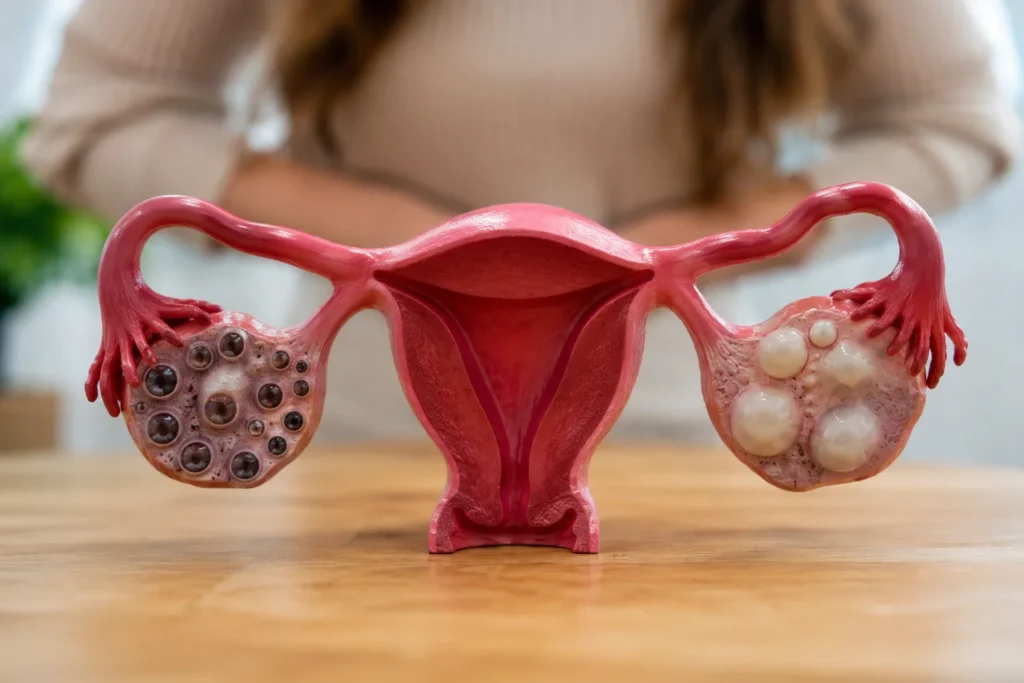
The exact cause of Lean PCOS remains unclear.
Like other forms of PCOS, it is believed to result from a combination of genetic, hormonal, metabolic, and environmental factors.
Genetics
Family history plays an important role in PCOS.
Women are more likely to develop Lean PCOS if their mother, sister, or close female relatives have PCOS or related hormonal disorders.
Researchers believe multiple genes influence hormone production, insulin function, and ovarian activity, increasing susceptibility to the condition.
Hormonal Imbalance
Hormonal imbalance remains one of the defining features of Lean PCOS.
Women may have:
- Elevated androgen levels
- Increased luteinizing hormone (LH)
- Disrupted ovulation
- Irregular menstrual cycles
These hormonal changes contribute to acne, excess hair growth, infertility, and menstrual irregularities even without excess body weight.
Insulin Resistance (Even Without Obesity)
One of the biggest misconceptions about Lean PCOS is that insulin resistance only occurs in women who are overweight.
In reality, many lean women with PCOS also develop insulin resistance, although it may be less severe than in women with obesity-related PCOS.
Reduced insulin sensitivity causes the pancreas to produce more insulin, which stimulates the ovaries to produce excess androgens.
This disrupts ovulation and contributes to many of the classic symptoms of PCOS.
Chronic Low-Grade Inflammation
Emerging research suggests that women with Lean PCOS may also experience chronic low-grade inflammation.
Inflammatory molecules can interfere with insulin signaling, ovarian function, and hormone regulation, potentially contributing to the development and progression of PCOS.
Although inflammation is generally more pronounced in obesity, it is not exclusive to overweight individuals.
Lifestyle and Environmental Factors
Lifestyle factors do not directly cause Lean PCOS, but they may influence how symptoms develop and progress.
Potential contributing factors include:
- Physical inactivity
- Chronic stress
- Poor sleep quality
- Unhealthy dietary habits
- Environmental exposures that may affect hormone regulation
Adopting healthy lifestyle habits can help improve hormonal balance, insulin sensitivity, and overall well-being, even in women who do not need to lose weight.
Symptoms of Lean PCOS
The symptoms of Lean PCOS are largely similar to those seen in women with obesity-related PCOS.
Common symptoms include:
- Irregular or absent menstrual periods
- Difficulty conceiving due to irregular ovulation
- Acne or persistent adult acne
- Excess facial or body hair (hirsutism)
- Hair thinning or scalp hair loss
- Oily skin
- Mood changes, including anxiety or depression
- Sleep disturbances
- Normal or low Body Mass Index (BMI) despite experiencing typical PCOS symptoms
Because these symptoms may occur without noticeable weight gain, women and even healthcare providers may not immediately suspect PCOS.
Seeking medical evaluation for persistent menstrual irregularities, fertility concerns, or signs of excess androgen levels can help ensure timely diagnosis and appropriate management.
How Is Lean PCOS Diagnosed?
Diagnosing Lean PCOS can sometimes be more challenging than diagnosing PCOS in women who are overweight because the condition is often mistakenly associated with obesity.
However, body weight is not part of the diagnostic criteria for PCOS.
Healthcare providers diagnose Lean PCOS based on a combination of symptoms, physical examination, blood tests, and imaging studies while excluding other conditions that can produce similar symptoms. (Toosy et al. 2018)
Early diagnosis allows women to receive appropriate treatment, improve symptom control, and reduce the risk of long-term complications.
Medical History
The first step in diagnosing Lean PCOS is taking a detailed medical history.
Your healthcare provider may ask about:
- Menstrual cycle regularity
- Age at first menstruation
- Fertility concerns
- Acne or oily skin
- Excess facial or body hair
- Hair thinning
- Weight changes
- Sleep quality
- Mood changes
- Family history of PCOS, diabetes, or hormonal disorders
- Current medications
A thorough medical history helps identify patterns suggestive of hormonal imbalance even in women with a normal BMI.
Physical Examination
A physical examination helps assess the physical signs associated with PCOS.
Your healthcare provider may evaluate:
- Body Mass Index (BMI)
- Waist circumference
- Blood pressure
- Acne severity
- Excess facial or body hair (hirsutism)
- Hair thinning
- Skin changes such as acanthosis nigricans
- Signs of hormonal imbalance
Even though women with Lean PCOS usually have a normal BMI, other clinical features may strongly support the diagnosis.
Blood Tests
Blood tests are important for evaluating hormone levels and excluding other endocrine disorders.
Common investigations include:
- Total and free testosterone
- DHEAS (Dehydroepiandrosterone Sulfate)
- Luteinizing Hormone (LH)
- Follicle-Stimulating Hormone (FSH)
- Anti-Müllerian Hormone (AMH) (when appropriate)
- Thyroid function tests
- Prolactin levels
- Fasting blood glucose
- HbA1c
- Lipid profile
Some women with Lean PCOS may also undergo fasting insulin or oral glucose tolerance testing if insulin resistance is suspected.
Pelvic Ultrasound
A pelvic ultrasound helps assess ovarian appearance.
Women with PCOS may have:
- Increased number of small follicles
- Enlarged ovarian volume
- Polycystic ovarian morphology
However, not every woman with Lean PCOS has polycystic-appearing ovaries, and some women without PCOS may have similar ultrasound findings.
Ultrasound results are therefore interpreted alongside symptoms and laboratory findings.
Rotterdam Diagnostic Criteria
Most healthcare providers use the Rotterdam Criteria,
which state that a diagnosis of PCOS can be made when two of the following three features are present, after excluding other medical conditions:
- Irregular or absent ovulation
- Clinical or biochemical signs of excess androgens
- Polycystic ovaries on ultrasound
Importantly, being overweight is not included in these diagnostic criteria.
This is why women with a normal body weight can still be diagnosed with PCOS.
Conditions That May Mimic Lean PCOS
Several medical conditions can produce symptoms similar to Lean PCOS.
Proper evaluation is necessary to ensure the correct diagnosis and appropriate treatment.
Thyroid Disorders
An underactive or overactive thyroid can cause:
- Irregular periods
- Hair thinning
- Fatigue
- Weight changes
- Fertility problems
Thyroid function tests help distinguish thyroid disease from PCOS.
Hyperprolactinemia
Elevated prolactin levels may interfere with ovulation and cause:
- Irregular menstrual cycles
- Infertility
- Breast discharge
- Hormonal imbalance
A simple blood test can identify elevated prolactin levels.
Non-Classical Congenital Adrenal Hyperplasia (NCAH)
NCAH is an inherited condition that increases androgen production.
Its symptoms often resemble PCOS and may include:
- Acne
- Excess facial hair
- Irregular periods
- Fertility problems
Specific hormone tests help differentiate NCAH from PCOS.
Cushing’s Syndrome
Cushing’s syndrome results from prolonged exposure to excessive cortisol.
Women may experience:
- Irregular periods
- Acne
- Weight changes
- Muscle weakness
- High blood pressure
Although uncommon, it should be considered when symptoms suggest excessive cortisol production.
Functional Hypothalamic Amenorrhea
Women with very low body weight, excessive exercise, or chronic stress may stop ovulating due to suppression of reproductive hormones.
Unlike Lean PCOS, androgen levels are usually normal or low in this condition.
Accurate diagnosis is important because treatment strategies differ significantly.
Treatment Options for Lean PCOS
Treatment focuses on improving hormonal balance, restoring ovulation when needed, managing symptoms, and reducing long-term metabolic risks.
Unlike overweight women with PCOS, the primary goal is not weight loss, but improving overall metabolic and reproductive health.
Healthy Eating
Nutrition remains an essential part of Lean PCOS management.
Women should focus on:
- Vegetables
- Fruits
- Whole grains
- Lean protein
- Healthy fats
- Legumes
- Nuts and seeds
Even women with a healthy weight benefit from balanced nutrition because it supports hormone regulation, insulin sensitivity, and overall health.
Crash dieting or unnecessary calorie restriction is generally not recommended for women with Lean PCOS.
Regular Exercise and Physiotherapy
Exercise provides significant benefits regardless of body weight.
Regular physical activity helps:
- Improve insulin sensitivity
- Enhance hormonal balance
- Reduce stress
- Improve sleep quality
- Support cardiovascular health
- Improve overall fitness
From a physiotherapy perspective, combining:
- Aerobic exercise
- Resistance training
- Flexibility exercises
- Functional movement training
can improve metabolic health while preserving healthy muscle mass.
A physiotherapist can develop an individualized exercise program that matches a woman’s fitness level, lifestyle, and personal goals.
Improving Insulin Sensitivity
Although women with Lean PCOS are not overweight, some still develop insulin resistance.
Improving insulin sensitivity through:
- Regular exercise
- Balanced nutrition
- Adequate sleep
- Stress reduction
may improve ovulation, reduce androgen levels, and support reproductive health.
In selected cases, healthcare providers may prescribe medications such as metformin when clinically indicated.
Stress Management
Chronic stress may worsen hormonal imbalance and menstrual irregularities.
Helpful stress-management techniques include:
- Meditation
- Deep breathing exercises
- Mindfulness
- Yoga
- Walking
- Relaxation techniques
Managing stress supports both emotional well-being and hormonal health.
Medications (When Required)
Depending on symptoms and reproductive goals, healthcare providers may recommend medications such as:
- Combined oral contraceptive pills
- Anti-androgen medications
- Metformin
- Acne treatments
- Ovulation-inducing medications
Treatment is individualized because every woman with Lean PCOS has different symptoms and health priorities.
Fertility Treatment (If Pregnancy Is Desired)
Many women with Lean PCOS successfully conceive naturally or with appropriate medical support.
If ovulation remains irregular, fertility treatment may include:
- Ovulation induction medications
- Lifestyle optimization
- Treatment of associated hormonal abnormalities
- Assisted reproductive techniques when necessary
Early consultation with a gynecologist or fertility specialist improves the chances of achieving a healthy pregnancy while minimizing unnecessary delays. (Stańczak et al. 2024)
Can Lean PCOS Be Managed Successfully?
Yes.
Although Lean PCOS cannot be permanently cured,
it can be managed successfully with the right combination of lifestyle modifications, physiotherapy-guided exercise, balanced nutrition, stress management, and medical treatment when required.
Unlike women with obesity-related PCOS, the primary focus for Lean PCOS is not weight loss, but improving hormonal balance, supporting regular ovulation, enhancing insulin sensitivity, and reducing long-term health risks.
Many women with Lean PCOS experience:
- More regular menstrual cycles
- Improved ovulation
- Better fertility outcomes
- Healthier hormone levels
- Clearer skin
- Reduced excess hair growth
- Improved energy levels
- Better emotional well-being
With early diagnosis and individualized treatment, women with Lean PCOS can lead healthy, active lives and achieve successful pregnancies if desired.
Lifestyle Tips for Women with Lean PCOS
Lifestyle modifications remain one of the most effective ways to manage Lean PCOS, even when body weight is normal.
The goal is to support hormone regulation, improve metabolic health, and reduce the severity of symptoms.
Eat a Balanced Diet
Nutrition is essential for maintaining hormonal and metabolic health.
Women with Lean PCOS should aim to eat:
- Fresh vegetables
- Fruits
- Whole grains
- Lean proteins
- Healthy fats
- Legumes
- Nuts and seeds
Eating balanced meals throughout the day may help maintain stable blood sugar levels and support healthy insulin function.
Rather than focusing on calorie restriction, women with Lean PCOS should prioritize nutrient-rich foods that nourish the body and support long-term health.
Stay Physically Active
Regular physical activity benefits women with Lean PCOS regardless of their body weight.
Exercise helps:
- Improve insulin sensitivity
- Regulate hormone levels
- Enhance cardiovascular health
- Improve mood
- Increase energy levels
- Support healthy ovulation
Aim for at least 150 minutes of moderate-intensity exercise each week, along with strength training exercises on two or more days.
Build Muscle Strength
Maintaining healthy muscle mass is especially important for women with Lean PCOS.
Resistance training helps:
- Improve glucose metabolism
- Increase insulin sensitivity
- Enhance metabolic health
- Improve posture and physical fitness
- Support healthy body composition
Exercises using resistance bands, free weights, or body weight can all be effective when performed consistently.
Prioritize Sleep
Quality sleep plays an important role in hormone regulation and metabolic health.
Women with Lean PCOS should aim for 7-9 hours of sleep each night and maintain consistent sleep and wake times.
Healthy sleep habits include:
- Avoiding caffeine late in the day
- Limiting screen time before bedtime
- Keeping the bedroom cool and quiet
- Following a regular bedtime routine
Good sleep also supports emotional well-being and insulin sensitivity.
Calculate your ideal sleep timings here: “Sleep Calculator”
Manage Stress
Chronic stress may worsen hormonal imbalance and interfere with ovulation.
Helpful stress-management strategies include:
- Meditation
- Deep breathing exercises
- Mindfulness
- Yoga
- Walking outdoors
- Journaling
- Spending time with family and friends
Managing stress improves both physical and emotional health.
Maintain Regular Health Check-ups
Even women with Lean PCOS who feel well should attend regular medical follow-ups.
Routine monitoring may include:
- Menstrual health
- Hormone levels
- Blood glucose
- Cholesterol levels
- Blood pressure
- Fertility planning (when appropriate)
Regular check-ups allow healthcare providers to detect metabolic changes early and adjust treatment when needed.
When Should You See a Doctor?
Many women ignore symptoms because they believe PCOS only affects women who are overweight.
You should consult a healthcare provider if you experience:
- Irregular or absent menstrual periods
- Difficulty becoming pregnant
- Persistent acne
- Excess facial or body hair
- Hair thinning
- Pelvic pain
- Symptoms of insulin resistance
- Mood changes or depression
- Persistent fatigue
- A family history of PCOS
Early diagnosis allows treatment to begin before complications develop and improves long-term reproductive and metabolic health.
Physiotherapist’s Role in Managing Lean PCOS
Physiotherapists play an important role in helping women with Lean PCOS improve metabolic health, physical fitness, and overall well-being.
Since weight loss is not the primary goal, physiotherapy focuses on improving movement quality, muscle strength, insulin sensitivity, posture, and long-term healthy habits.
Individualized Exercise Programs
Every woman experiences Lean PCOS differently.
A physiotherapist designs a personalized exercise program based on:
- Age
- Fitness level
- Lifestyle
- Muscle strength
- Joint health
- Personal goals
Individualized plans improve safety, motivation, and long-term adherence.
Improving Insulin Sensitivity
Exercise is one of the most effective non-pharmacological strategies for improving insulin sensitivity.
Regular aerobic and resistance exercises help the body’s cells respond more effectively to insulin, reducing the hormonal disturbances associated with PCOS.
Building Lean Muscle Mass
Strength training increases lean muscle mass, which improves metabolic efficiency and supports healthy glucose utilization.
Maintaining muscle strength is particularly beneficial for women with Lean PCOS because it enhances insulin sensitivity without focusing on weight loss.
Reducing Stress Through Movement
Physical activity stimulates the release of endorphins while reducing cortisol levels.
Regular movement may help:
- Reduce anxiety
- Improve mood
- Enhance sleep quality
- Increase energy levels
- Support hormonal balance
Encouraging Long-Term Healthy Habits
Physiotherapists educate women on:
- Safe exercise progression
- Daily physical activity
- Injury prevention
- Posture
- Healthy movement habits
These strategies encourage sustainable lifestyle changes that support long-term management of Lean PCOS.
Lean PCOS: Myth vs Fact
| Myth | Fact |
|---|---|
| Only overweight women can develop PCOS. | PCOS can affect women of any body weight, including those with a normal BMI. |
| Lean PCOS is a mild form of PCOS. | Lean PCOS can cause significant hormonal imbalance, infertility, and metabolic changes. |
| Thin women cannot have insulin resistance. | Insulin resistance may occur even in women with a healthy body weight. |
| Weight loss is the main treatment for Lean PCOS. | Treatment focuses on hormonal balance, insulin sensitivity, nutrition, exercise, and overall health rather than weight loss. |
| Lean PCOS does not affect fertility. | Lean PCOS can interfere with ovulation, but many women conceive successfully with proper treatment. |
Common Myths About Lean PCOS
Several misconceptions make Lean PCOS difficult to recognize and diagnose.
Myth: Only Overweight Women Get PCOS
Fact: PCOS affects women of all body sizes. A normal BMI does not rule out the condition.
Myth: Lean PCOS Is a Mild Form of PCOS
Fact: Women with Lean PCOS may experience the same hormonal imbalance, fertility challenges, and emotional symptoms as women who are overweight.
Myth: If You Are Thin, You Cannot Have Insulin Resistance
Fact: Insulin resistance can occur even in women with a normal body weight and contributes to the development of Lean PCOS.
Myth: Weight Loss Is the Main Treatment for Lean PCOS
Fact: Most women with Lean PCOS do not need to lose weight. Treatment focuses on improving hormone regulation, insulin sensitivity, ovulation, nutrition, physical activity, and overall health.
Myth: Lean PCOS Cannot Affect Fertility
Fact: Lean PCOS can disrupt ovulation and make conception more difficult, but many women successfully become pregnant with appropriate treatment and lifestyle management.
Final Thoughts
Being slim does not eliminate the possibility of developing PCOS. Lean PCOS is a genuine form of the condition that can affect hormone levels, menstrual cycles, fertility, skin health, and emotional well-being despite a healthy body weight. Early diagnosis, balanced nutrition, regular physiotherapy-guided exercise, stress management, adequate sleep, and individualized medical care can help women successfully manage symptoms and maintain long-term reproductive and metabolic health. If you have persistent menstrual irregularities or signs of hormonal imbalance, consult a qualified healthcare professional for proper evaluation and treatment.
Conclusion
Being slim does not protect a woman from developing PCOS.
Lean PCOS is a well-recognized form of the condition that affects women with a normal body weight but still causes hormonal imbalance, irregular periods, fertility challenges, acne, excess hair growth, and metabolic changes.
Early recognition is essential because women with Lean PCOS are often diagnosed later due to the misconception that PCOS only affects women who are overweight.
A comprehensive approach that includes:
balanced nutrition, regular exercise, physiotherapy-guided movement, stress management, adequate sleep, and individualized medical care can effectively control symptoms and improve long-term health.
If you experience persistent menstrual irregularities or signs of hormonal imbalance despite having a healthy weight, consulting a healthcare professional can help ensure timely diagnosis and appropriate treatment.
Frequently Asked Questions (FAQs)
1. Can you have PCOS if you’re slim?
Yes. Many women with a normal BMI have Lean PCOS and experience symptoms such as irregular periods, acne, infertility, and hormonal imbalance.
2. Is Lean PCOS different from regular PCOS?
Lean PCOS is the same condition but occurs in women who are not overweight. The symptoms and long-term health risks can still be significant.
3. Can Lean PCOS cause infertility?
Yes. Lean PCOS can interfere with ovulation and make conception more difficult, although many women become pregnant with appropriate treatment.
4. Do women with Lean PCOS have insulin resistance?
Yes. Some women with Lean PCOS develop insulin resistance even though they have a healthy body weight.
5. Is weight loss recommended for Lean PCOS?
Not usually. Most women with Lean PCOS benefit more from balanced nutrition, muscle-strengthening exercises, and improving metabolic health rather than losing weight.
6. Can physiotherapy help women with Lean PCOS?
Yes. Physiotherapy-guided exercise programs improve insulin sensitivity, muscle strength, hormonal health, stress levels, and overall physical fitness.
Stay tuned with us for more health related topics.
Follow us on LinkedIn and Instagram for more.
More Read



Medical Disclaimer!
This article has been reviewed and written under the guidance of our Head Physiotherapist, Dr. Kruti Raj (PT, MUHS,CPT,CMPT). The information shared is intended for educational purposes only and should not be considered a substitute for personalized medical advice, diagnosis, or treatment.
Please consult us or any other qualified healthcare professional before beginning any exercise program, especially if you are experiencing pain, recovering from injury, or managing a medical condition.


