


Urinary incontinence after prostate surgery is common during recovery, but the severity and duration of urine leakage can vary from one man to another depending on the surgery, healing process and individual factors.
One of the first questions many men ask after prostate surgery is surprisingly simple: “When will I stop leaking urine?”
If you are wearing pads after surgery, leaking when you stand up, cough, sneeze, walk quickly or lift something, it can feel as though something has gone seriously wrong.
In most cases, however, early urinary leakage is a recognised part of recovery, particularly after radical prostatectomy.
The important point is that bladder control usually returns gradually rather than overnight.
For many men, leakage improves substantially during the first 3 to 6 months, while recovery can continue for 12 months or longer.
Quick Answer
Urinary incontinence after radical prostate surgery usually improves gradually. Many men notice substantial improvement within 3 to 6 months, while bladder control can continue improving for 12 months or longer. Pelvic floor muscle training, correct exercise technique, bladder habits and gradual physical activity can support recovery. Persistent or severe leakage should be assessed by a urologist and pelvic health physiotherapist.
The American Urological Association states that urinary incontinence is expected in the short term after radical prostatectomy and generally improves toward baseline by 12 months,
although some men continue to experience bothersome leakage and may require further treatment. (Journal of Urology)
From a physiotherapy perspective, I also want men to understand something that is often missed: the amount of leakage on one particular day does not necessarily tell you whether your recovery is going well.
Your pelvic floor muscles become fatigued. Your bladder habits change. Your activity level changes.
Constipation, coughing, hydration, urgency and even how quickly you get out of a chair can influence leakage.
So rather than asking only, “Am I dry yet?”, I encourage my patients to ask, “Am I gradually gaining control?”
That is a much more useful measure of recovery.
Key Takeaways
- Early urine leakage after radical prostatectomy is common.
- Many men improve considerably within 3 to 6 months.
- Recovery can continue for up to 12 months or longer.
- Pelvic floor muscle training can accelerate early continence recovery.
- Quality of pelvic floor contractions matters more than simply doing hundreds of repetitions.
- The pelvic floor needs both strength and relaxation.
- The Knack manoeuvre can help prevent leakage during coughing, sneezing and lifting.
- Constipation, dehydration and excessive activity can aggravate urinary symptoms.
- Persistent severe leakage should not simply be ignored.
- Further urological and physiotherapy treatment is available when conservative recovery is insufficient.
How long does urinary incontinence last after prostate surgery?
After radical prostatectomy, some degree of urinary leakage is extremely common immediately after the urinary catheter is removed.
A realistic recovery pattern looks something like this:
- First few days: Leakage can be significant and may occur with standing, walking or changing position.
- First 2 to 6 weeks: Many men notice their bladder control improving noticeably.
- Around 3 months: A substantial reduction in leakage is common.
- 3 to 6 months: Many men regain considerably better control, particularly with appropriate pelvic floor rehabilitation.
- 6 to 12 months: Further gradual improvement can occur.
- After 12 months: Persistent bothersome leakage deserves a proper assessment rather than simply being dismissed as “normal.”
These are averages, not deadlines.
Some men become continent very quickly. Others need several months. A smaller group continues to experience stress urinary incontinence beyond a year.
A 2024 systematic review and meta-analysis involving 1,208 men found that pelvic floor muscle exercises significantly improved recovery at 1, 3 and 6 months after radical prostatectomy,
although the difference was no longer statistically significant at 12 months. (PMC)
That finding is clinically interesting because it highlights an important distinction: physiotherapy may accelerate recovery even when long-term continence rates eventually become similar.
In other words, the goal is not simply to determine whether you will eventually recover.
It is also to help you recover function sooner and live more comfortably during the recovery period.
Why does prostate surgery cause urinary leakage?
To understand recovery, it helps to understand what has changed.
The prostate sits directly beneath the bladder and surrounds part of the urethra.
Before surgery, the prostate, bladder neck and urinary sphincter work together to maintain continence.
During radical prostatectomy, the prostate is removed and the urinary tract is surgically reconstructed.
The urinary control system therefore has to adapt.
The external urinary sphincter becomes particularly important because some of the passive support previously provided by the prostate and surrounding tissues is no longer present.
Surgical changes can also temporarily affect the length, position and function of the urethral support system.
The American Urological Association identifies factors such as age, prostate size and membranous urethral length as factors associated with postoperative continence outcomes.
This is one reason two men having apparently similar operations can have completely different recovery timelines.
Not all prostate surgeries cause the same type of incontinence
This distinction is important and is frequently overlooked in online articles.
When people say “prostate surgery,” they may be referring to very different procedures.
Radical prostatectomy
Radical prostatectomy removes the prostate, usually because of prostate cancer.
Stress urinary incontinence is particularly common during the early recovery period.
Leakage may occur when you:
- Cough
- Sneeze
- Laugh
- Stand up
- Bend
- Walk quickly
- Lift something
- Exercise
- Change position
TURP or other surgery for an enlarged prostate
Procedures such as transurethral resection of the prostate (TURP) are different from radical prostatectomy.
The prostate is not removed completely. Instead, tissue obstructing urine flow is removed from inside the prostate.
Temporary urinary symptoms can occur during recovery, but persistent incontinence has a different risk profile.
The European Association of Urology notes that pelvic floor muscle training has not consistently demonstrated prevention of postoperative incontinence after TURP,
although evidence from other prostate procedures such as HoLEP suggests that preoperative training may help early continence recovery. (EAU Guidelines)
So if you have undergone TURP, HoLEP or another procedure for benign prostate enlargement, do not automatically apply radical-prostatectomy recovery statistics to yourself.
What does normal early leakage look like?
Immediately after catheter removal, leakage can be surprisingly dramatic.
Some men report that they feel unable to “hold” urine at all when they first stand.
That does not automatically mean permanent sphincter damage.
After the catheter has been in place, the urinary system has been functioning differently, while surgical swelling and tissue healing can temporarily affect bladder and urethral control.
Cambridge University Hospitals explains that leakage during the first days or weeks after catheter removal is expected, and that control generally improves with recovery and pelvic floor exercises. (NHS)
One useful clinical clue is direction of change.
If you go from:
6 pads a day → 4 → 3 → 2 → 1
that gradual reduction is encouraging even if you are not yet completely dry.
Do not judge your recovery by one unusually wet day.
The surprising reason leakage can be worse in the evening
Here is a lesser-known observation that I often want men to understand.
Your pelvic floor can become fatigued.
A man may be relatively dry in the morning but leak more during the afternoon or evening.
This does not necessarily mean the surgery has suddenly become less successful.
Some NHS postoperative guidance specifically notes that leakage may be worse later in the day because the sphincter has been working throughout the day. (NHS Foundation Trust)
This is one reason I do not recommend judging pelvic floor recovery based only on evening symptoms.
Instead, look at the overall weekly trend.
Pelvic floor exercises: the part many men get wrong
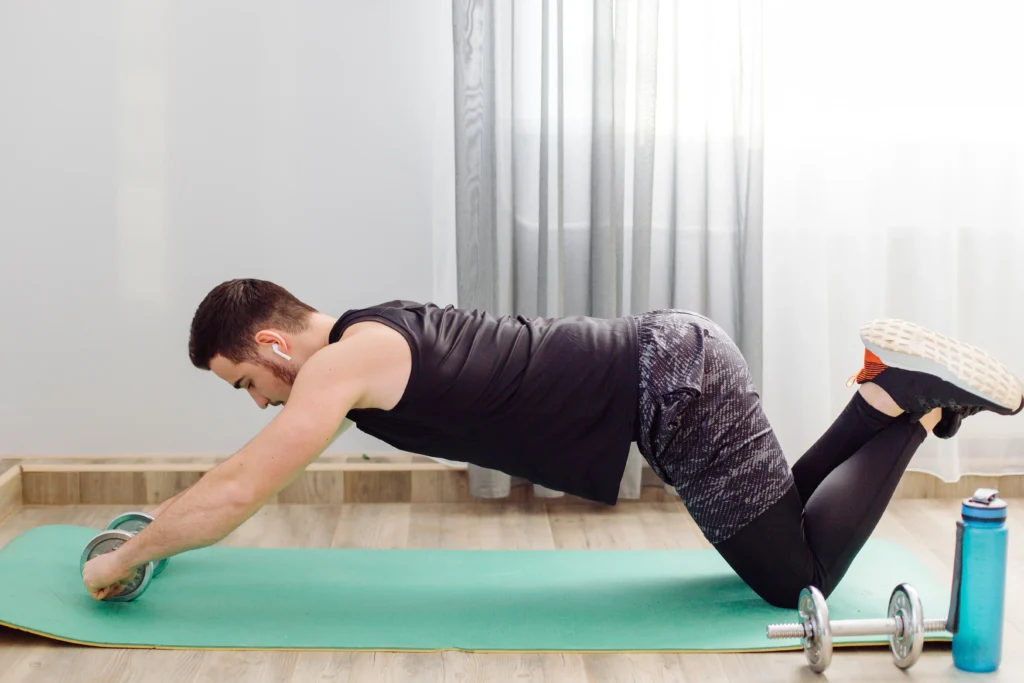
When men hear “pelvic floor exercises,” they often assume the solution is simply to squeeze harder and more frequently.
That is not necessarily correct.
A pelvic floor rehabilitation programme is more sophisticated than repeatedly clenching the muscles.
You need to learn:
- Which muscles are actually responsible for continence.
- How to contract them correctly.
- How to relax them completely.
- How to produce a quick contraction.
- How to maintain a controlled contraction.
- How to use the muscles during movement.
- How to coordinate the pelvic floor with breathing and abdominal pressure.
A systematic review and meta-analysis of 20 randomized controlled trials involving 2,188 men found that supervised pelvic floor muscle exercise was particularly beneficial during the first six months after prostate surgery.
Additional biofeedback appeared to offer benefit particularly during the first three months. (PMC)
This is why I would rather see a man perform 10 technically correct contractions than 100 poorly performed squeezes.
The “Knack” can make everyday movements easier
One of the most practical pelvic floor strategies is called the Knack manoeuvre.
The principle is simple:
Contract the pelvic floor just before an activity that increases pressure inside the abdomen.
For example:
- Before coughing
- Before sneezing
- Before standing
- Before lifting
- Before getting out of bed
- Before bending
- Before laughing
The pelvic floor contracts before the pressure arrives.
Think of it as closing the gate before the pressure pushes against it.
The EAU guidelines cite evidence that adding the Knack manoeuvre and lifestyle recommendations to conventional pelvic floor muscle training can improve urinary leakage severity and quality of life. (UroWeb)
This is particularly useful because many leakage episodes happen during movement, not simply because the bladder suddenly becomes full.
Do not train your pelvic floor while urinating
This is an important mistake to avoid.
Some men are told to repeatedly stop their urine stream to “find” the pelvic floor.
Using this only once to identify the correct muscles may sometimes be suggested, but repeatedly interrupting urine flow as an exercise is not recommended.
Your normal bladder-emptying process requires coordinated relaxation.
Instead, identify the muscles when you are not urinating.
A male pelvic floor contraction should feel like gently drawing the muscles around the anus and urethra upward and inward.
Your buttocks, thighs and abdominal muscles should not be doing all the work.
Cambridge University Hospitals provides specific guidance on identifying and isolating these muscles. (Cambridge University Hospitals)
Why doing more Kegels is not always better
This is another point I wish more postoperative patients knew.
A pelvic floor is not supposed to be permanently tight.
It must contract and relax.
If you repeatedly squeeze the muscles without allowing adequate relaxation, you may develop excessive muscle tension or poor coordination.
This is particularly relevant when a man has:
- Difficulty starting urine
- A sensation of incomplete emptying
- Pelvic discomfort
- Urinary urgency
- Difficulty relaxing during urination
In such situations, simply adding more contractions may not be the answer.
A pelvic health physiotherapist can assess whether your pelvic floor is weak, poorly coordinated, overactive or simply being used incorrectly.
That distinction can completely change the rehabilitation programme.
Biofeedback can help when you cannot feel the right muscles
Some men genuinely struggle to identify their pelvic floor muscles.
This is where physiotherapy becomes especially valuable.
Biofeedback can provide visual or physiological information about muscle activation, helping a patient understand whether he is contracting the correct muscles.
A 2025 meta-analysis found that men receiving electromyographic biofeedback during pelvic rehabilitation had a higher likelihood of achieving continence than untreated controls,
although the authors also noted limitations in the quality and consistency of the available studies. (Elsevier)
Earlier systematic reviews have similarly suggested that biofeedback can provide additional short- and intermediate-term benefits. (PubMed)
So biofeedback is not something every man automatically needs, but it can be particularly useful when technique is uncertain.
Walking is useful, but timing matters
After prostate surgery, walking is usually one of the safest ways to remain active, provided your surgeon has cleared you for activity.
Walking supports circulation, general conditioning and recovery without immediately exposing the pelvic floor to the higher loads associated with heavy lifting or vigorous exercise.
Mayo Clinic recommends beginning with short periods of walking and gradually increasing activity during prostatectomy recovery. (Mayo Clinic)
But there is a subtle point here.
If your leakage becomes significantly worse after a long walk, that does not necessarily mean walking is damaging your pelvic floor.
It may simply mean that your current activity level has exceeded your present pelvic floor endurance.
Reduce the intensity or duration temporarily, allow recovery, and build back gradually.
Constipation can quietly make leakage worse
This is one of the most underestimated contributors to postoperative pelvic floor problems.
Straining during bowel movements repeatedly increases pressure through the abdomen and pelvic floor.
If you are constipated after surgery, do not simply focus on stronger pelvic floor contractions.
Instead, discuss bowel management with your medical team.
Adequate fluids, fibre, appropriate mobility and prescribed medications when necessary can help prevent excessive straining.
The pelvic floor has to manage bladder and bowel pressure together, so bowel health is part of continence rehabilitation rather than a completely separate issue.
Do not deliberately drink less water to prevent leakage
Many men respond to leakage by dramatically reducing fluid intake.
It sounds logical:
Less fluid = less urine = less leakage.
But the strategy can backfire.
Concentrated urine can irritate the bladder in some people and may contribute to urgency and frequency.
Instead of becoming dehydrated, aim for sensible fluid intake according to your surgeon’s instructions, kidney/heart health and individual circumstances.
Cambridge University Hospitals recommends maintaining adequate hydration while avoiding bladder irritants when urgency or frequency is problematic.
The goal is not to keep the bladder empty.
It is to restore normal bladder filling and control.
“Just in case” toilet trips can become a habit
Here is another small behavioural change that can matter.
Imagine you are leaving home.
You do not actually need to urinate, but you think:
“I should go now, just in case.”
Repeatedly doing this can encourage very frequent emptying and may make it harder to tolerate normal bladder filling.
This does not mean you should hold urine uncomfortably.
It means you should gradually return to normal bladder habits rather than constantly emptying the bladder at the first sensation.
Bladder training can be used alongside pelvic floor rehabilitation when urgency or frequency is present.
The EAU specifically recommends bladder training as a complementary treatment for urinary incontinence.
What should you avoid during early recovery?
Your surgeon’s restrictions always take priority, but several general principles are useful.
Avoid heavy lifting too early
Heavy lifting increases abdominal pressure and can provoke leakage.
Mayo Clinic advises avoiding heavy lifting for at least several weeks after prostatectomy, with the exact timeframe determined by the surgical team.
Avoid suddenly returning to intense exercise
Running, jumping, heavy gym training and high-impact activity may be inappropriate early in recovery.
Build your physical activity progressively.
Avoid breath-holding during effort
Holding your breath while lifting creates a rapid rise in abdominal pressure.
Instead, breathe normally and use the Knack technique when appropriate.
Avoid treating every leak as a failure
A leak after coughing does not erase weeks of progress.
Look for the trend.
What if I am still leaking after 6 months?
Six months is not necessarily the point at which recovery suddenly stops.
Many men continue to improve between six and twelve months.
However, if leakage remains substantial, is not improving, or significantly interferes with daily life, it is reasonable to seek reassessment.
The AUA guideline notes that men with severe stress urinary incontinence who have shown little improvement by six months may be candidates for discussion of further treatment, while persistent incontinence at one year may warrant additional intervention.
This does not mean you should automatically have another procedure at six months.
It means you should not spend another six months suffering without an assessment.
A urologist may investigate the type and severity of leakage, while a pelvic health physiotherapist can reassess muscle function and coordination.
When should persistent leakage be investigated?
Contact your healthcare team sooner if you experience:
- New or worsening inability to urinate
- Fever or chills
- Burning urination with systemic symptoms
- Significant clots or blood in the urine
- Severe pelvic or abdominal pain
- Sudden worsening after previously improving
- Continuous severe leakage
- A feeling that the bladder is not emptying
- Recurrent urinary infections
Persistent leakage also deserves evaluation if you are still heavily dependent on pads and there has been little meaningful improvement over time.
Sometimes the issue is not simply weak pelvic floor muscles.
Bladder overactivity, urethral narrowing, bladder-neck problems, infection or other postoperative complications can contribute to urinary symptoms.
That is why a good continence assessment should not automatically end with the instruction, “Do more Kegels.”
Can urinary incontinence become permanent after prostate surgery?
Unfortunately, yes.
Most men improve substantially, but not everyone achieves complete continence.
The AUA notes that urinary incontinence generally improves toward baseline by 12 months, but some patients remain incontinent and require treatment.
Persistent stress urinary incontinence may be managed with conservative measures, continence products and, when appropriate, surgical options.
The 2024 AUA/GURS/SUFU update recommends discussing an artificial urinary sphincter with men experiencing mild to severe stress urinary incontinence when surgical management is being considered, while male slings are generally not recommended routinely for severe stress incontinence.
This is not a sign that physiotherapy has “failed.”
Physiotherapy and surgery are not competing philosophies.
They address different problems and can form part of a stepwise continence-care plan.
A physiotherapist’s practical recovery checklist
If I were guiding a man through the first months after prostate surgery, I would focus less on perfection and more on these fundamentals:
First: learn the correct pelvic floor contraction.
Second: learn to fully relax the pelvic floor between contractions.
Third: use the Knack before coughing, sneezing, lifting or other pressure-producing activities.
Fourth: progress walking gradually rather than suddenly returning to intense exercise.
Fifth: prevent constipation and excessive straining.
Sixth: maintain sensible hydration instead of deliberately dehydrating yourself.
Seventh: reduce bladder irritants if urgency or frequency is troublesome.
Eighth: track your leakage pattern rather than judging recovery emotionally from individual days.
Ninth: seek pelvic health physiotherapy if you are unsure whether you are activating the correct muscles.
Tenth: if progress stalls, ask for reassessment instead of assuming you simply need to exercise harder.
The most important thing to remember
If you are leaking urine after prostate surgery, please do not interpret the first few weeks as a prediction of your final outcome.
Your urinary system has undergone a major anatomical change.
The pelvic floor has to adapt. The sphincter has to become more efficient.
Your brain has to relearn coordination between bladder filling, movement and muscle activation.
Your tissues also need time to heal.
For many men, the biggest gains happen during the first few months, but recovery can continue for up to a year.
Research supports pelvic floor muscle training as an important component of rehabilitation, particularly for accelerating early recovery.
Recent evidence also suggests that supervised training and selected tools such as biofeedback may be useful for men who need more individualized guidance. (SpringerLink)
So if you are three weeks after surgery and still wearing pads, that does not mean you are destined to wear them forever.
And if you are six months out and still leaking, it does not mean you should simply “wait and see” indefinitely.
Recovery should be monitored, trained and reassessed when necessary.
As a physiotherapist, that is the message I would most want men and their families to hear: continence recovery is a process, not a pass-or-fail test.
Final word
The question is not simply “How long does urinary incontinence last after prostate surgery?”
A better question is:
“How quickly is my bladder control improving, and am I doing the right things to support that recovery?”
That shift in perspective can make the rehabilitation journey far less frightening.
And remember: if your leakage is severe, worsening, associated with pain, fever, difficulty urinating or significant bleeding, contact your surgical team rather than trying to manage it with exercises alone.
Frequently Asked Questions
How long does urinary incontinence last after prostate surgery?
After radical prostatectomy, urinary leakage commonly improves over the first 3 to 6 months, but recovery can continue for 12 months or longer. Every man’s recovery is different.
Is urinary leakage normal after prostate removal?
Yes. Urinary leakage is very common immediately after catheter removal following radical prostatectomy. It usually improves gradually as the urinary sphincter and pelvic floor recover.
When should I worry about incontinence after prostate surgery?
Seek medical advice if leakage is severe, worsening, associated with difficulty urinating, fever, significant bleeding, severe pain or little improvement over time.
Can pelvic floor exercises stop urine leakage after prostate surgery?
Pelvic floor muscle training can help improve urinary control and may accelerate recovery, particularly during the early months after surgery.
How many pelvic floor exercises should I do after prostate surgery?
The ideal programme varies. Correct technique, appropriate progression and complete relaxation between contractions are more important than performing excessive repetitions.
Why do I leak more urine in the evening?
Pelvic floor muscles can become fatigued throughout the day. Activity, bladder filling and fatigue may make leakage more noticeable later in the day.
Can walking make prostate surgery incontinence worse?
Walking is generally encouraged during recovery when cleared by the surgical team. However, excessive walking or a sudden increase in activity may temporarily increase leakage.
Can constipation make urinary leakage worse?
Yes. Repeated straining during bowel movements increases pressure through the abdomen and pelvic floor and may aggravate urinary leakage.
What if I still leak urine six months after prostate surgery?
Continence can continue improving after six months, but persistent or bothersome leakage should be reassessed by your urologist and, where available, a pelvic health physiotherapist.
Can urinary incontinence after prostate surgery be permanent?
A small proportion of men experience persistent urinary incontinence. If conservative treatment does not provide enough improvement, additional medical and surgical treatment options may be considered.
Stay tuned with us for more health related topics.
Follow us on LinkedIn and Instagram for more.
More Read


Medical Disclaimer!
This article has been reviewed and written under the guidance of our Head Physiotherapist, Dr. Kruti Raj (PT, MUHS,CPT,CMPT). The information shared is intended for educational purposes only and should not be considered a substitute for personalized medical advice, diagnosis, or treatment.
Please consult us or any other qualified healthcare professional before beginning any exercise program, especially if you are experiencing pain, recovering from injury, or managing a medical condition.


