


When couples are trying to conceive, sperm quality is often reduced to one number: the sperm count.
But healthy sperm are about much more than quantity.
A semen analysis can look at sperm concentration, total sperm number, movement, shape and other characteristics.
Even when the sperm count is within a laboratory’s reference range, problems with motility, morphology or sperm DNA can still matter.
Quick Answer
Sperm quality can be affected by body weight, diet, smoking, alcohol, anabolic steroids, poor sleep, prolonged sitting, physical inactivity, excessive heat, fever, varicocele, certain medications and environmental exposures. To support healthier sperm, focus on regular exercise, adequate sleep, a nutrient-rich diet, healthy weight management, avoiding smoking and anabolic steroids, limiting heavy alcohol use and reducing unnecessary heat exposure. If a semen analysis is repeatedly abnormal, medical evaluation is important because some causes require specific treatment.
The good news is that sperm are continuously produced.
This means some factors affecting sperm quality are potentially modifiable.
Weight, diet, physical activity, sleep, smoking, alcohol, heat exposure, anabolic steroid use, certain medical conditions and environmental exposures can all be relevant.
The World Health Organization’s sixth edition semen manual emphasizes standardized semen testing and also cautions that reference values should not be treated as a simple dividing line between “fertile” and “infertile.” (WHO)
From a physiotherapy and lifestyle-health perspective, I would encourage men not to focus on one “fertility food” or supplement.
Sperm health is influenced by the environment in which sperm are produced.
That environment includes your metabolic health, circulation, physical activity, sleep, temperature regulation, nutrition and exposure to potentially harmful substances.
The aim is therefore not simply to “increase sperm count.”
It is to create conditions that support healthier sperm production.
Key Takeaways
- Sperm quality includes concentration, total count, motility, morphology and, in selected cases, DNA integrity.
- Excess body weight, smoking, heavy alcohol use and anabolic steroids can negatively affect male reproductive health.
- Prolonged sitting, poor sleep and insufficient physical activity may also be relevant.
- Repeated prolonged heat exposure can interfere with sperm production.
- High fever can temporarily reduce sperm count and motility, so recent illness should be considered when interpreting a semen test.
- Varicocele is an important medical cause of abnormal semen parameters in some men.
- A nutrient-dense, whole-food dietary pattern is more useful than relying on one fertility “superfood.”
- Lifestyle changes usually require weeks to months to influence newly produced sperm.
- One abnormal semen analysis does not automatically mean permanent infertility.
- Persistent abnormal results should be evaluated by a qualified fertility or urology professional.
What Does Sperm Quality Actually Mean?
Sperm quality describes several characteristics rather than one measurement.
Sperm concentration
This refers to the number of sperm present in a given volume of semen.
A low concentration is commonly called oligozoospermia.
However, concentration alone does not tell the complete story.
Total sperm count
This considers the total number of sperm in the entire ejaculate.
A man can have a reasonable concentration but a lower total count if semen volume is low.
Sperm motility
Motility describes how well sperm move.
Progressive motility is particularly relevant because sperm need to travel through the female reproductive tract and ultimately reach the egg.
Sperm morphology
Morphology refers to sperm shape and structure.
Abnormally shaped sperm may have difficulty moving or participating effectively in fertilization. I
mportantly, morphology should also not be interpreted in isolation.
Sperm DNA integrity
This is a lesser-known aspect of male fertility.
A sperm cell can look acceptable under conventional microscopy while still having DNA damage.
Sperm DNA fragmentation has been associated with adverse reproductive outcomes, although testing is not automatically required for every man undergoing fertility evaluation. (PMC)
This is why someone can have a “normal” basic semen analysis and still require further evaluation when pregnancy does not occur.
What All Things Affect Sperm Quality?
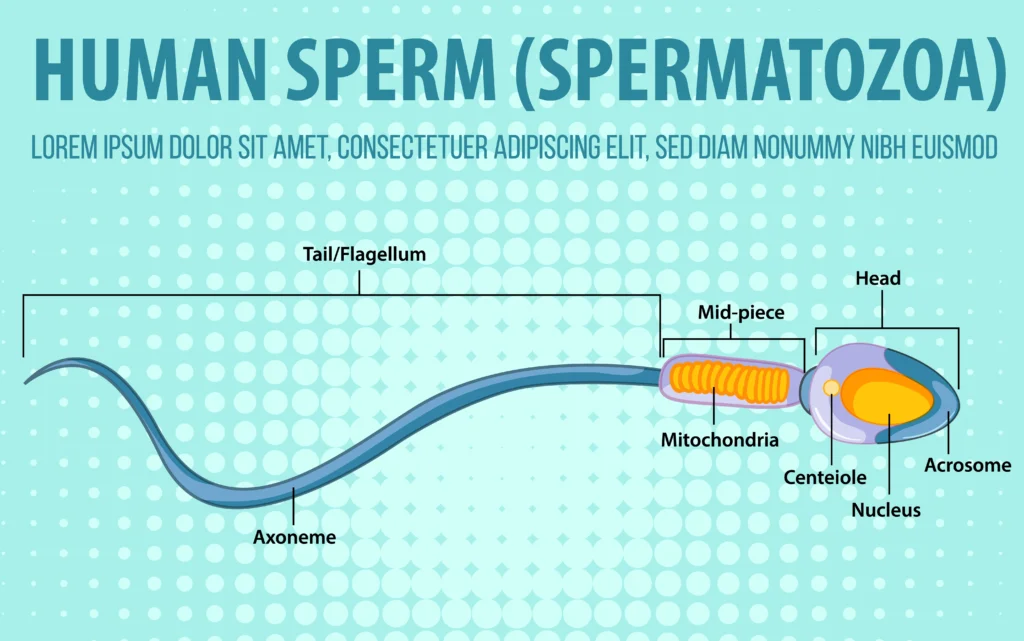
Sperm production is sensitive to changes in the body’s hormonal, metabolic, inflammatory and oxidative environment.
Here are some of the most important factors.
1. Excess Body Weight Can Affect Sperm Health
Body weight is not merely an appearance issue when discussing reproductive health.
Higher BMI has been associated with changes in semen parameters and reproductive hormones.
A 2024 systematic review and meta-analysis involving more than 71,000 men found that obesity was associated with reductions in semen volume, total sperm number, total motility, progressive motility and normal sperm morphology. (Nature Portfolio)
A newer 2025 meta-analysis also found significant associations between elevated BMI, poorer sperm quality and alterations in reproductive hormones. (Frontiers)
Why might this happen?
Excess adipose tissue can influence testosterone and estrogen metabolism, insulin sensitivity, inflammation and oxidative stress. Increased abdominal and scrotal heat may also be relevant.
This does not mean that every overweight man will have poor sperm quality.
It means that metabolic health is one modifiable factor worth addressing.
A practical target
Rather than chasing rapid weight loss, focus on sustainable improvements:
- regular walking
- resistance training
- adequate protein
- more vegetables and fruit
- fewer ultra-processed foods
- better sleep
- reduced sugary drinks
- gradual reduction in excess body fat
You do not need an extreme fertility diet.
2. A Sedentary Lifestyle May Matter More Than You Think
Modern work has created another potential fertility issue: prolonged sitting.
Many men now spend most of their working day sitting at a desk, commute while seated and then spend the evening sitting again.
A recent systematic review specifically examined sedentary behavior and semen parameters, highlighting the growing interest in prolonged sitting as a potential reproductive-health factor. (Wiley)
From a physiotherapy perspective, I would not interpret this as “sitting causes infertility.”
The evidence is more nuanced.
The bigger concern is the combination of:
long sitting + low physical activity + excess body weight + poor sleep + metabolic dysfunction.
That combination can create a less favorable environment for reproductive health.
What to do
If you work at a desk:
- stand for 2-5 minutes every 30-60 minutes
- walk during phone calls
- take a short walk after meals
- aim for regular weekly exercise
- avoid spending your entire evening on another chair or sofa
You do not need a complicated fertility workout.
Consistency is more important.
3. Exercise Can Help, But More Is Not Always Better
Exercise is generally beneficial for metabolic and cardiovascular health, but extreme training is different from recreational physical activity.
A systematic review and meta-analysis found that recreational physical activity may have beneficial effects on some semen parameters, while very high levels of elite physical activity may negatively affect certain parameters.
Cycling was also identified as an area requiring particular attention because prolonged cycling may influence semen concentration in some studies. (SpringerLink)
A more recent 2025 review also emphasizes that exercise effects vary according to intensity, population and study design. (Wolters Kluwer)
A fertility-friendly exercise approach
For most men, a balanced program can include:
Cardiovascular exercise: brisk walking, swimming or moderate cycling.
Strength training: 2-3 sessions per week.
Mobility: regular hip, spine and lower-limb movement if you sit for long periods.
Recovery: adequate sleep and rest between demanding sessions.
If you are training intensely every day, losing weight rapidly or experiencing persistent fatigue, reducing training load may be more appropriate than adding more exercise.
4. Heat Is One of the Most Underestimated Factors
The testes are positioned outside the body for a reason: sperm production works best at a temperature slightly below core body temperature.
Repeated scrotal heating can interfere with spermatogenesis.
One small longitudinal human study found that repeated sauna exposure at 80-90°C was associated with significant alterations in sperm production and sperm chromatin-related measures.
Importantly, the study involved only 10 men, so it should not be interpreted as proof that occasional sauna use causes infertility. (Oxford Academic)
The more practical lesson is to avoid unnecessary, prolonged heat exposure when trying to optimize sperm health.
Potential situations include:
- frequent hot tubs
- prolonged sauna sessions
- very hot baths
- placing heated devices directly over the groin
- prolonged heat exposure in occupational settings
What about laptops?
The concern is not simply the laptop itself.
Heat generated by a device and prolonged positioning close to the scrotum may be more relevant than the word “laptop.”
If you work with a laptop for several hours, place it on a desk rather than directly on your thighs.
5. Smoking Can Damage the Reproductive Environment
Smoking exposes the body to numerous chemicals that can contribute to oxidative stress.
The AUA/ASRM male infertility guideline identifies smoking as being associated with slightly reduced fertility and recognizes lifestyle factors as relevant when evaluating male reproductive health. (AUA/ASRM Male Infertility Guideline)
Smoking is particularly concerning because sperm membranes contain large amounts of polyunsaturated fatty acids and can be vulnerable to oxidative damage.
If you smoke, stopping is more meaningful than purchasing an expensive “male fertility supplement.”
6. Alcohol Can Influence Semen Quality
Alcohol evidence is more complicated than many internet articles suggest.
A systematic review and meta-analysis involving 15 studies and more than 16,000 men found associations between alcohol consumption and lower semen volume and poorer normal morphology.
The strongest concerns were seen with heavier or more frequent consumption rather than occasional drinking. (Elsevier)
Therefore, “one drink automatically destroys sperm” is not an evidence-based statement.
But if you are actively trying to optimize fertility, heavy alcohol consumption is an obvious behavior to address.
7. Anabolic Steroids and Testosterone Therapy Are a Major Hidden Issue
This is one of the most important points I would discuss with a male patient.
A man may take testosterone or anabolic steroids because he wants more muscle, better athletic performance or improved energy.
But externally supplied testosterone can suppress the hormonal signals required for sperm production.
This can lead to very low sperm counts or even azoospermia.
A 2024 systematic review and meta-analysis found that anabolic-androgenic steroid use was associated with reduced gonadotropin levels, lower sperm motility and smaller testicular size. (PubMed)
Another systematic review reported that recovery of spermatogenesis after anabolic steroid use can take many months and, in some men, more than a year. (NCBI)
An important distinction
Do not stop prescribed testosterone or hormonal medication without medical supervision.
If fertility is a goal, tell your doctor before starting testosterone therapy or anabolic steroids.
Fertility-preserving treatment requires individualized medical management.
8. Poor Sleep Is Not Just a Lifestyle Problem
Sleep is often treated as something unrelated to fertility.
Emerging evidence suggests otherwise.
A 2026 North American preconception study involving 690 men and 1,247 semen samples found that poor sleep health, including short or long sleep duration and frequent sleep problems, was associated with lower sperm concentration, total sperm count and total motile sperm count. (Oxford Academic)
Earlier research involving repeated semen measurements also found associations between poor sleep quality and lower sperm count and motility. NLM
The mechanism may involve hormonal regulation, circadian rhythms, metabolic health and oxidative stress.
A simple sleep prescription
Aim for a consistent sleep schedule and approximately -–9 hours of sleep for most adults.
If you snore heavily, wake repeatedly, feel excessively sleepy during the day or suspect sleep apnea, speak with a healthcare professional.
Calculate your ideal sleep timings here: “Sleep Calculator“
9. Diet Can Influence the Raw Materials Used to Make Sperm
Sperm production requires adequate energy, protein, essential fatty acids, vitamins and minerals.
Instead of looking for a single “best food for sperm,” think in terms of dietary pattern.
A 2024 systematic review found that greater adherence to a Mediterranean-style diet was associated with better semen-quality measures in a substantial proportion of included studies. (Elsevier)
A newer systematic review and meta-analysis published in 2025 also found associations between Mediterranean diet adherence and sperm count, total motility, progressive motility and normal morphology,
although the authors noted substantial heterogeneity and that improvements in semen parameters should not automatically be interpreted as improved pregnancy or live-birth outcomes. (PMC)
What should your plate look like?
Think:
- vegetables
- fruits
- legumes
- whole grains
- nuts and seeds
- healthy fats
- adequate protein
- minimally processed foods
For vegetarian men, useful protein sources include lentils, beans, chickpeas, soy foods, dairy products if tolerated, nuts and seeds.
The goal is dietary variety rather than a supplement-heavy routine.
10. Oxidative Stress Can Damage Sperm
Sperm are particularly vulnerable to oxidative stress.
Excess reactive oxygen species can affect sperm membranes, motility and DNA integrity.
This is one reason several apparently different risk factors may overlap.
Smoking can increase oxidative stress.
Obesity can increase oxidative stress.
Poor diet can contribute to an unfavorable antioxidant balance.
Environmental chemicals may also contribute.
A 2026 systematic review of phthalate exposure and male fertility reported associations between several phthalates and poorer sperm concentration, motility and overall semen quality, while also emphasizing that much of the human evidence is observational and that uncertainty remains. (BMC)
Earlier systematic reviews have similarly investigated bisphenols, phthalates and parabens in relation to semen quality and oxidative stress. (MDPI)
This does not mean you need to live in a plastic-free house.
Instead, use practical exposure-reduction habits.
Simple ways to reduce unnecessary exposure
- Avoid heating food in plastic containers unless they are specifically designed for that use.
- Use glass or stainless steel containers for hot foods when practical.
- Reduce unnecessary handling of thermal-paper receipts.
- Wash fruits and vegetables properly.
- Follow workplace safety procedures if you work around solvents or pesticides.
- Avoid smoking and secondhand smoke.
11. Fever Can Temporarily Damage Sperm Quality
This is a fascinating and frequently overlooked factor.
A high fever can temporarily disrupt sperm production.
Research has shown reductions in sperm concentration, motility and morphology following febrile illness.
In one study, sperm concentration fell substantially after fever and subsequently recovered. (NIH)
Another report documented changes in sperm count and DNA-related measures after a 39-40°C febrile episode, with recovery occurring over subsequent weeks. (PMC)
This matters when interpreting a semen analysis.
If a man has a poor semen report shortly after a significant fever, it may not represent his long-term baseline.
A lesser-known practical tip
Always tell your doctor about a recent high fever when discussing an abnormal semen analysis.
A single poor test does not necessarily mean permanent sperm damage.
12. Varicocele Can Affect Sperm Production
A varicocele is an enlargement of veins around the testicle.
It can alter testicular temperature, blood flow and the local biochemical environment.
A systematic review and meta-analysis of infertile men found that clinical varicocele was associated with poorer sperm count, motility and morphology. (Wolters Kluwer)
More recent evidence has also investigated the potential improvement in semen parameters following varicocele repair in appropriately selected infertile men. (World Journal Men’s health)
When should you get checked?
Consider medical assessment if you have:
- a visibly enlarged vein above the testicle
- a heavy or dragging scrotal sensation
- testicular discomfort
- testicular size asymmetry
- an abnormal semen analysis
- difficulty conceiving
A physiotherapist cannot diagnose or treat a varicocele.
This is an area for evaluation by a urologist or reproductive specialist.
What Can You Do to Make Sperm Healthier Again?
There is no overnight method.
Sperm production is a biological process that takes time.
Therefore, lifestyle changes should be maintained consistently rather than followed for only a few days before a semen test.
Start with the highest-impact habits
1. Stop smoking.
This is one of the clearest lifestyle improvements you can make.
2. Avoid anabolic steroids unless specifically medically indicated and managed.
Tell your doctor if fertility is a goal.
3. Work toward a healthy body composition.
Avoid crash diets.
4. Exercise regularly.
Combine aerobic activity with resistance training.
5. Break up prolonged sitting.
Movement throughout the day matters.
6. Protect sleep.
Aim for consistent, sufficient sleep.
7. Eat a predominantly whole-food diet.
Prioritize vegetables, fruits, legumes, whole grains, nuts, seeds and adequate protein.
8. Reduce unnecessary heat exposure.
Especially repeated prolonged heat around the testes.
9. Limit heavy alcohol consumption.
10. Treat medical problems.
Varicocele, infections, hormonal disorders and other conditions may require targeted treatment rather than lifestyle changes alone.
What About Supplements for Sperm Quality?
This is where fertility marketing can become confusing.
You will find supplements containing combinations of:
- zinc
- selenium
- folate
- vitamin C
- vitamin E
- CoQ10
- L-carnitine
- omega-3 fatty acids
- various herbal ingredients
Some have biological plausibility and some clinical studies suggest improvements in particular semen parameters.
However, improving a laboratory sperm parameter is not automatically the same as increasing the probability of pregnancy or live birth.
Therefore, I would not recommend taking multiple supplements simply because an online advertisement calls them a “male fertility booster.”
If your diet is poor, correcting nutritional inadequacy makes sense.
If you have a documented deficiency, treating that deficiency makes sense.
But more supplements are not necessarily better.
How Long Does It Take to Improve Sperm Quality?
This is one of the most important questions patients ask.
Do not expect a major change after one week of eating better.
Sperm production occurs through a prolonged biological process, followed by maturation and transport through the reproductive tract.
This is why many fertility interventions are assessed over several weeks to months rather than days.
It also explains why the effects of fever or other temporary stressors may appear in semen weeks after the original event.
For this reason, if you are changing lifestyle factors to improve sperm quality, think in terms of roughly three months rather than three weeks when evaluating progress.
Your doctor may recommend repeat semen testing depending on the initial result and clinical circumstances.
Do You Need a Semen Analysis?
If pregnancy has not occurred despite appropriately timed regular unprotected intercourse, semen analysis can be an important part of the evaluation.
The test generally examines parameters such as semen volume, sperm concentration, total sperm number, motility and morphology.
The WHO emphasizes standardized laboratory procedures because semen measurements can vary between laboratories and between samples. (WHO)
A single semen analysis should therefore be interpreted in context.
If the result is abnormal, your doctor may recommend repeating the test and considering:
- medical history
- physical examination
- hormone testing
- scrotal ultrasound when indicated
- infection evaluation
- medication review
- lifestyle assessment
- genetic testing in selected cases
- sperm DNA fragmentation testing in selected situations
When Should You See a Fertility Specialist?
Do not wait indefinitely if there are warning signs.
Medical evaluation is particularly important when there is:
- very low or absent sperm count
- repeated abnormal semen analyses
- testicular pain or swelling
- suspected varicocele
- previous testicular surgery or injury
- history of undescended testicle
- erectile or ejaculation problems
- use of testosterone or anabolic steroids
- recurrent pregnancy loss
- previous chemotherapy or radiation
- significant sexual or reproductive concerns
Male fertility should also be considered alongside the female partner’s reproductive health.
Infertility is a couple-level issue rather than something that can always be assigned to one partner.
The WHO specifically notes that semen analysis provides information for fertility assessment but does not by itself define an individual as fertile or infertile. (WHO guidance)
The Physiotherapist’s Perspective: Your Daily Routine Matters
When I look at male reproductive health from a physiotherapy and lifestyle perspective, I do not focus on one exercise or one food.
I look at the entire daily routine.
A man who sits for 10 hours, rarely exercises, sleeps poorly, has excess abdominal fat, eats mostly ultra-processed food and spends every evening sedentary is dealing with a very different physiological environment from someone who moves regularly, sleeps adequately, maintains a healthy weight and eats a nutrient-dense diet.
This is why small daily changes can be more useful than extreme fertility “hacks.”
Try this simple routine:
Morning: Get daylight exposure and start the day with movement.
Workday: Break sitting every 30–60 minutes.
Meals: Build meals around vegetables, whole-food carbohydrates and adequate protein.
Evening: Take a walk after dinner rather than immediately sitting down.
Exercise: Perform regular moderate aerobic and resistance exercise.
Night: Maintain a consistent sleep schedule.
Environment: Avoid unnecessary prolonged heat and reduce avoidable chemical exposures.
Things to Avoid When Trying to Improve Sperm Quality
Do not:
- rely on one “superfood”
- take testosterone without discussing fertility
- use anabolic steroids for bodybuilding
- smoke
- drink heavily
- spend prolonged periods in high heat unnecessarily
- sit continuously throughout the day
- crash diet
- overtrain without adequate recovery
- assume one abnormal semen test means permanent infertility
- buy multiple fertility supplements without discussing them with a healthcare professional
- delay evaluation when there is severe or persistent testicular pain, swelling or a very abnormal semen analysis
Key Takeaway
Sperm quality is influenced by far more than sperm count.
Weight, physical activity, prolonged sitting, heat exposure, smoking, alcohol, sleep, diet, fever, varicocele, anabolic steroids, medications, medical conditions and environmental exposures can all be relevant.
The encouraging part is that several of these factors are modifiable.
If you want healthier sperm, start with the fundamentals: move regularly, maintain a healthy body composition, sleep well, eat a nutrient-dense diet, avoid smoking and anabolic steroids, reduce unnecessary heat exposure and seek medical evaluation when an underlying condition may be present.
And remember one important principle: a semen report is a snapshot, not a final verdict on your fertility.
If a result is abnormal, look for the reason rather than immediately assuming the problem is permanent.
Frequently Asked Questions About Sperm Quality
1. What all things affect sperm quality?
Sperm quality can be influenced by body weight, diet, smoking, alcohol, sleep, physical activity, prolonged sitting, excessive heat, fever, varicocele, anabolic steroids, certain medications, medical conditions and environmental exposures. Sperm quality includes count, concentration, motility, morphology and, in selected cases, DNA integrity.
2. How can I improve sperm quality naturally?
Focus on regular exercise, healthy weight management, adequate sleep, a balanced diet rich in whole foods, smoking cessation and limiting heavy alcohol consumption. Avoid unnecessary prolonged heat exposure and anabolic steroid use. If a medical condition is affecting fertility, lifestyle changes alone may not be enough.
3. Does being overweight affect sperm quality?
Research has linked excess body weight and obesity with poorer semen parameters in men, including sperm concentration, total sperm number, motility and morphology. Improving overall metabolic health and gradually reducing excess body fat may support reproductive health.
4. Can lack of sleep affect sperm quality?
Yes. Recent research has found associations between poor sleep health and lower sperm concentration, total sperm count and other semen parameters. Maintaining a consistent sleep schedule and getting adequate sleep may therefore be an important part of a healthy fertility lifestyle.
5. Can a fever temporarily lower sperm quality?
A significant fever can temporarily interfere with sperm production and may reduce sperm concentration, motility and morphology. The effects may appear weeks after the illness because sperm production takes time. Sperm quality can subsequently improve as new sperm are produced.
6. Does heat exposure affect sperm quality?
Repeated or prolonged exposure to high temperatures around the testes may interfere with sperm production. Men trying to optimize sperm health can avoid unnecessary prolonged hot-tub or sauna exposure and should avoid keeping heat-generating devices directly against the groin for long periods.
7. Can testosterone or anabolic steroids reduce sperm count?
Yes. External testosterone and anabolic-androgenic steroids can suppress the hormonal signals needed for normal sperm production. This can result in a very low sperm count or even absence of sperm in the semen. Men concerned about fertility should discuss testosterone treatment with their doctor before starting or changing therapy.
8. Does exercise improve sperm quality?
Regular moderate physical activity may support several aspects of reproductive health. A combination of aerobic exercise and strength training is generally a practical approach. Extremely intense training without adequate recovery may have different effects, so more exercise is not always better.
9. How long does it take to improve sperm quality?
Sperm production is a continuous process that takes several weeks, followed by further maturation. Therefore, lifestyle changes should generally be maintained for several months rather than expecting significant improvement within a few days. Your doctor can advise when repeat semen testing is appropriate.
10. Can sperm quality improve after an abnormal semen analysis?
It can, depending on the underlying cause. Temporary factors such as fever, certain lifestyle factors and some reversible conditions may improve over time. However, problems such as varicocele, hormonal disorders or very low sperm production may require specific medical treatment and should be evaluated by a qualified healthcare professional.
Stay tuned with us for more health related topics.
Follow us on LinkedIn and Instagram for more.
More Read


Medical Disclaimer!
This article has been reviewed and written under the guidance of our Head Physiotherapist, Dr. Kruti Raj (PT, MUHS,CPT,CMPT). The information shared is intended for educational purposes only and should not be considered a substitute for personalized medical advice, diagnosis, or treatment.
Please consult us or any other qualified healthcare professional before beginning any exercise program, especially if you are experiencing pain, recovering from injury, or managing a medical condition.


