LONDON, UNITED KINGDOM: Lansoprazole is a commonly prescribed medicine for acid reflux, heartburn and stomach ulcers. However, taking it at the wrong time can affect how well the medicine works.
A report by The Mirror has highlighted a pharmacist’s warning to people taking lansoprazole for reflux. One important point patients should understand is why this medicine needs to be taken before food, rather than with or after a meal.
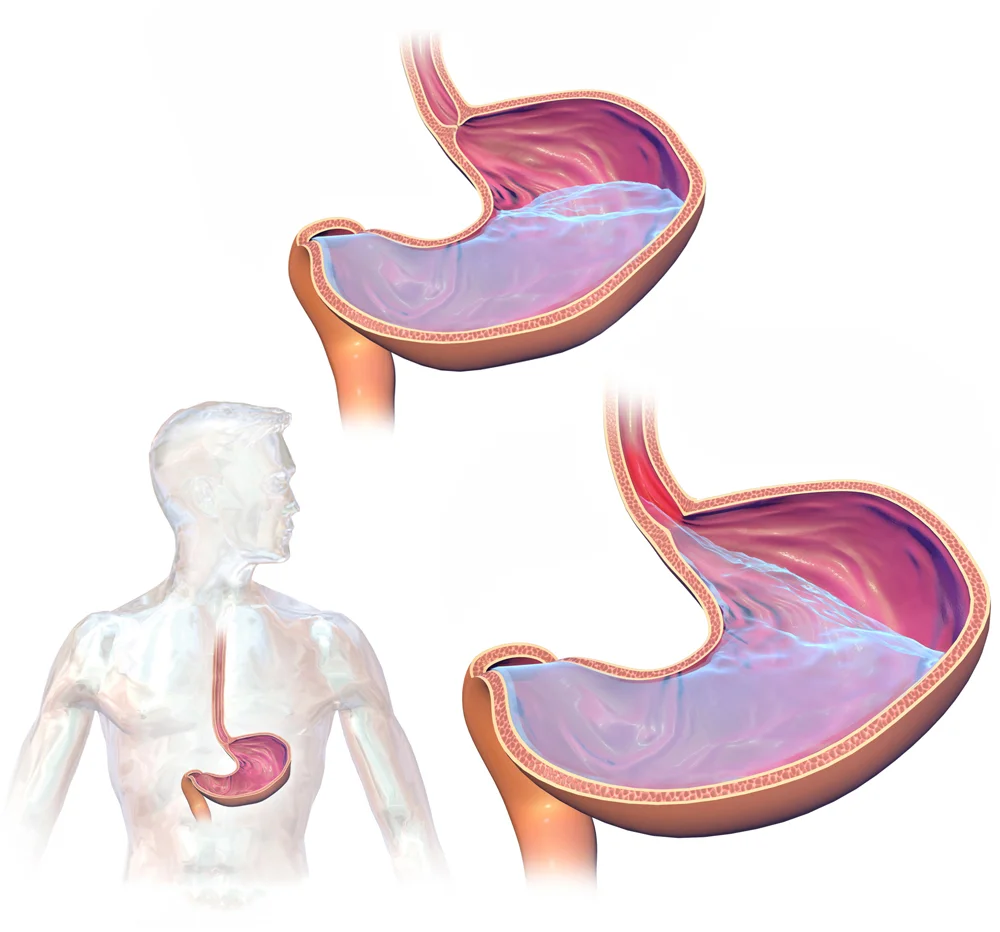
Why Taking Lansoprazole Before Food Matters
Lansoprazole belongs to a group of medicines called proton pump inhibitors (PPIs). These medicines reduce the amount of acid produced by the stomach.
Doctors prescribe lansoprazole to treat gastro-esophageal reflux disease (GORD), heartburn, stomach ulcers and other conditions involving excess stomach acid.
The medicine works by blocking proton pumps in the stomach lining. These pumps are responsible for the final stage of stomach acid production.
However, the timing of the dose matters.
The NHS recommends taking lansoprazole at least 30 minutes before a meal or snack. Taking it with food or after eating can reduce the amount of medicine absorbed into the bloodstream. (NHS, 2025)
There is also a biological reason for this advice. Meals stimulate acid-producing proton pumps in the stomach. Lansoprazole works more effectively when it reaches the body before these pumps become active.
The American College of Gastroenterology recommends taking proton pump inhibitors 30 to 60 minutes before a meal to improve acid reflux control.
This means taking lansoprazole with breakfast or immediately after eating is not the ideal approach. Patients should follow the recommended timing to get the intended benefit from treatment. (Katz et al., 2022)
How to Take Lansoprazole Correctly
The correct dose depends on the medical condition, age and individual treatment needs. Patients should follow the instructions provided by their doctor or pharmacist.
Some practical steps can help patients take lansoprazole correctly.
Take it before breakfast: For once-daily treatment, lansoprazole is usually taken first thing in the morning, at least 30 minutes before breakfast.
Follow the prescribed schedule: Patients who need two doses a day are generally advised to take one in the morning and another in the evening. The prescribed timing should be followed.
Swallow capsules correctly: Swallow lansoprazole capsules whole with water or juice. Patients who cannot swallow capsules may be able to open them and mix the granules with a suitable liquid or soft food, depending on the product instructions.
Do not crush or chew the granules: The capsules contain specially prepared granules that protect the medicine. Crushing or chewing them can interfere with how the medicine works.
Lansoprazole is also available as tablets that dissolve in the mouth. These should be used according to the instructions supplied with the medicine.
Do not double a missed dose: Take a forgotten dose when remembered unless the next dose is due within the specified time. For once-daily treatment, skip it if the next dose is due within 12 hours. For twice-daily treatment, skip it if the next dose is due within four hours. Never take two doses together to compensate. (NHS, 2025)

How Long Does Lansoprazole Take to Work?
Lansoprazole does not provide immediate relief from heartburn.
Some people start feeling better within two to three days. However, it can take up to four weeks for the medicine to achieve its full effect on acid-related symptoms.
This happens because reducing stomach acid and allowing irritated tissues to heal takes time.
Patients should not increase their dose simply because they continue to experience occasional heartburn during the first few days of treatment.
People who do not experience improvement or whose symptoms become worse should speak to their doctor. The treatment may need a review to check whether the diagnosis, dose or medication is appropriate. (NHS, 2025)
Medicines That Can Interact With Lansoprazole
Certain medicines can affect how lansoprazole works or increase the risk of side effects.
Patients should tell their doctor or pharmacist about all prescription medicines, over-the-counter products, vitamins and herbal supplements they use.
Medicines that require particular attention include:
- Warfarin: An anticoagulant used to prevent or treat blood clots.
- Methotrexate: Used to treat certain cancers and inflammatory conditions.
- Digoxin: Used to treat some heart conditions.
- Rifampicin: An antibiotic used to treat certain bacterial infections.
- Tacrolimus: Used after organ transplantation and for certain inflammatory conditions.
- Fluvoxamine: An antidepressant.
- Itraconazole and Posaconazole: Antifungal medicines.
- Certain HIV medicines: Some combinations can affect treatment safety or effectiveness.
Patients should also avoid St John’s wort while taking lansoprazole. This herbal product can reduce the medicine’s effectiveness.
Antacids require special attention as well. They can reduce the amount of lansoprazole absorbed by the body. The NHS recommends leaving at least two hours between an antacid and a lansoprazole dose.
Patients should not stop or change any prescribed medicine without professional advice. (NHS, 2025)
Common Side Effects of Lansoprazole
Most people tolerate lansoprazole well, but some may experience side effects.
Common side effects include:
- Headaches.
- Nausea or vomiting.
- Diarrhea.
- Stomach pain.
- Constipation.
- Excessive gas.
- Mild skin rashes.
These effects are usually mild. However, patients should contact a healthcare professional if symptoms become severe, persistent or difficult to manage.
Some symptoms need more urgent attention. Severe or persistent diarrhea, unusual muscle weakness, an irregular heartbeat or signs of a serious allergic reaction should not be ignored.
Patients who develop swelling of the face, lips, tongue or throat, or difficulty breathing, need emergency medical attention. (NHS, 2025)
Is Long-Term Lansoprazole Use Safe?
Lansoprazole is generally considered safe when prescribed appropriately. However, people who take it for several months or years may need periodic medical reviews.
Long-term use has been associated with certain potential health concerns.
Low magnesium levels: Taking lansoprazole for more than three months may reduce magnesium levels in the blood. Symptoms can include tiredness, confusion, dizziness, muscle twitching and an irregular heartbeat.
Vitamin B12 deficiency: Prolonged acid suppression may affect vitamin B12 absorption. Low levels can cause tiredness, a sore tongue, mouth ulcers and tingling sensations.
Bone fractures: Long-term use has been associated with an increased chance of certain bone fractures.
Gastrointestinal infections: Reduced stomach acid can affect one of the body’s natural barriers against harmful microorganisms. Long-term PPI use has been associated with certain intestinal infections.
However, these risks need to be interpreted carefully.
The American College of Gastroenterology explains that several reported long-term PPI risks come from observational studies. These studies identify associations but cannot establish that the medicines directly cause those conditions.
Its guideline also notes that higher-quality evidence has not demonstrated a significant increase in most of the commonly reported risks, although intestinal infections remain a concern.
This does not mean patients should ignore potential side effects. Instead, doctors should review whether continued treatment is necessary and whether the patient is using the lowest effective dose. (NHS, 2025)
People taking lansoprazole for more than a year may require regular medical reviews to assess whether treatment should continue. (Katz et al., 2022)
What Happens When You Stop Lansoprazole?
People who have taken lansoprazole for a long time should speak to their doctor before stopping treatment.
Stopping long-term acid suppression suddenly can cause rebound acid symptoms. This happens when the stomach temporarily produces more acid after the medicine is discontinued.
As a result, heartburn and acid reflux may return or become more noticeable.
A doctor may recommend reducing the dose gradually before stopping treatment. The approach depends on the original condition and the reason for continued medication use.
Some patients need long-term treatment to prevent complications. Therefore, stopping lansoprazole is not appropriate for everyone.
Lifestyle Changes That Help Reduce Acid Reflux
Medication can control stomach acid, but lifestyle changes can also help reduce reflux symptoms.
Patients may benefit from the following measures:
Maintain a healthy weight: Excess body weight can increase pressure on the stomach and contribute to acid reflux.
Avoid late meals: Leaving two to three hours between the last meal and bedtime can reduce nighttime reflux.
Identify food triggers: Spicy, fatty and acidic foods may worsen symptoms in some people. Tomatoes, citrus fruits and rich meals are common triggers, but individual responses vary.
Reduce caffeine and alcohol: Coffee, tea, energy drinks and alcohol can aggravate reflux symptoms in some people.
Stop smoking: Smoking can weaken the mechanisms that normally prevent stomach contents from moving back into the food pipe.
Elevate the head during sleep: Raising the head of the bed can help people who experience reflux while lying down.
The American College of Gastroenterology recommends weight management for people who are overweight, avoiding meals close to bedtime and elevating the head of the bed for nighttime symptoms. (Katz et al., 2022)
When Should Patients Seek Medical Advice?
Persistent acid reflux should not automatically be treated by increasing the lansoprazole dose.
Patients should consult a doctor if symptoms continue despite taking the medicine correctly.
Certain symptoms may indicate an underlying condition or complications that require further investigation.
Important warning signs include:
- Difficulty or pain when swallowing.
- Unexplained weight loss.
- Persistent vomiting.
- Loss of appetite.
- Vomiting blood or material resembling coffee grounds.
- Black, tarry stools.
Vomiting blood and black stools can indicate gastrointestinal bleeding and require urgent medical assessment.
New or severe chest pain should also receive urgent medical attention. It should not automatically be assumed to be acid reflux, as heart-related conditions can cause similar symptoms. (NIDDK)
Conclusion
Lansoprazole can effectively control acid reflux when patients take it correctly and follow their prescribed treatment schedule.
One important instruction is to take the medicine at least 30 minutes before food. Taking it with or after a meal can reduce the amount absorbed and affect its effectiveness.
Patients should also check for medicine interactions, understand possible side effects and attend regular reviews when using lansoprazole long term.
Persistent symptoms, new warning signs or concerns about stopping treatment should always be discussed with a healthcare professional. Correct medication use and appropriate medical supervision are essential for managing acid reflux safely.