


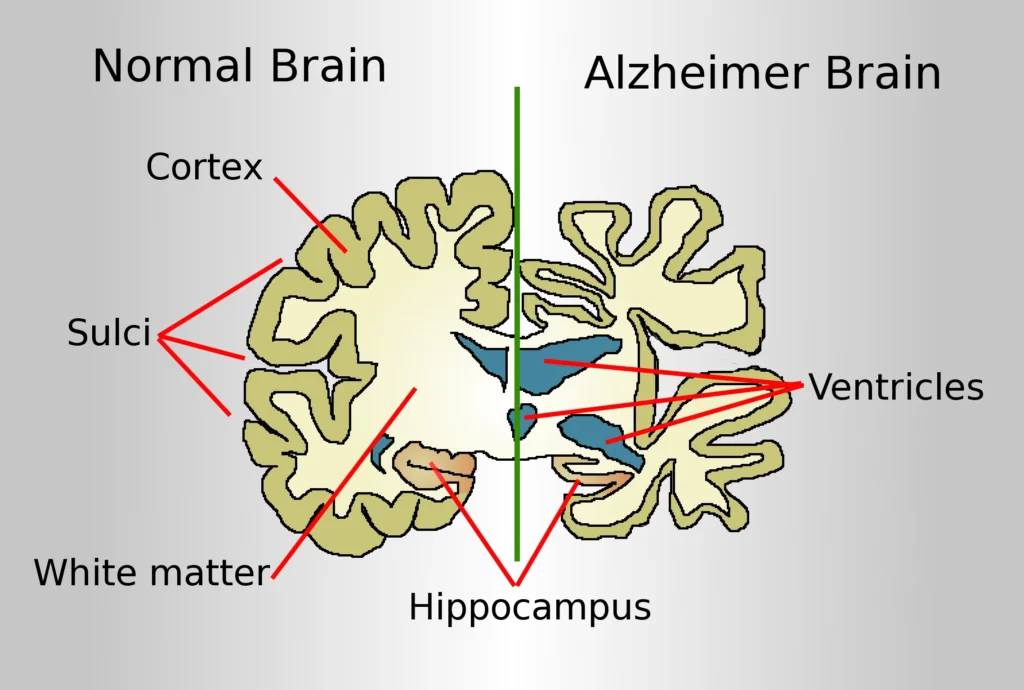
A natural plant compound called alpha-amyrin, found in passion fruit and several other fruits and vegetables, may help protect brain cells from damage linked to Alzheimer’s disease.
Researchers have found that it can reduce harmful Tau protein buildup and support the removal of damaged mitochondria in experimental models.
The findings offer a potential new direction for Alzheimer’s drug research. However, the benefits have not been established in humans, and the compound cannot currently be recommended as a treatment or prevention strategy.
How a Natural Plant Compound May Support Brain Health
Researchers from the University of Oslo and collaborating institutions investigated how certain compounds in fruits and vegetables may protect the brain against age-related damage.
Their study, published in Advanced Science on January 22, 2026, identified alpha-amyrin (α-amyrin) as a promising candidate for further Alzheimer’s research.
Alpha-amyrin is a naturally occurring plant compound belonging to a group of chemicals called pentacyclic triterpenoids. It is present in passion fruit, cranberries, grapes, olives, tomatoes and several other plant foods.
The research combined dietary observations, artificial intelligence-based screening and laboratory experiments to investigate its potential effects on brain health.
The findings were also highlighted in a November 17, 2026 report by Knowridge. (Cao et al., 2026)
How Researchers Identified Alpha-Amyrin
The research team examined 240 candidate compounds obtained from 11 types of fruits and vegetables. They used an AI-driven systems pharmacology approach to study how these compounds might interact with proteins associated with Alzheimer’s disease.
The screening process helped researchers prioritize compounds with potential biological activity. Alpha-amyrin emerged as one of the promising candidates because of its predicted interactions with proteins involved in neurodegeneration and cellular maintenance.
The researchers then investigated its effects using different experimental models, including laboratory cells, mice, human brain tissue and a three-dimensional human brain-like model. (Cao et al., 2026)
What the Dietary Study Revealed About Dementia Risk
Before examining alpha-amyrin’s effects, researchers analyzed information from the Shanghai Aging Study, which followed 1,704 older adults who did not have dementia at the beginning of the investigation.
The participants had an average baseline age of 69.2 years. Researchers collected dietary information and measured blood levels of phosphorylated Tau 217 (p-Tau217), a biomarker associated with Alzheimer’s disease.
During follow-up, 163 participants developed dementia, while 1,541 remained dementia-free. The median follow-up period was 5.7 years.
Researchers observed a difference in dementia risk between participants with higher and lower annual fruit and vegetable consumption.
- Higher consumption: The observed dementia risk was 7.0%.
- Lower consumption: The observed dementia risk was 12.1%.
Higher fruit and vegetable consumption was also associated with lower baseline p-Tau217 levels.
These findings suggest a possible relationship between plant-based dietary habits and brain health. However, the observational study cannot establish that eating more fruits and vegetables directly prevents dementia. Researchers also could not determine how much alpha-amyrin each participant consumed. (Cao et al., 2026)
How Alpha-Amyrin May Reduce Alzheimer’s-Related Brain Damage
One of the important findings involved the compound’s effects on Tau proteins and mitochondrial health.
1. Reducing Harmful Tau Protein Accumulation
Tau proteins normally help maintain the internal structure and function of nerve cells. However, abnormal chemical changes can cause Tau proteins to become excessively phosphorylated and form harmful aggregates.
These abnormal proteins are associated with Alzheimer’s disease and other neurodegenerative conditions.
Researchers found that alpha-amyrin reduced Tau aggregation in laboratory experiments, particularly phosphorylated Tau 217 (p-Tau217).
This is important because p-Tau217 is being investigated as a biomarker for Alzheimer’s disease.
2. Supporting Mitochondrial Health
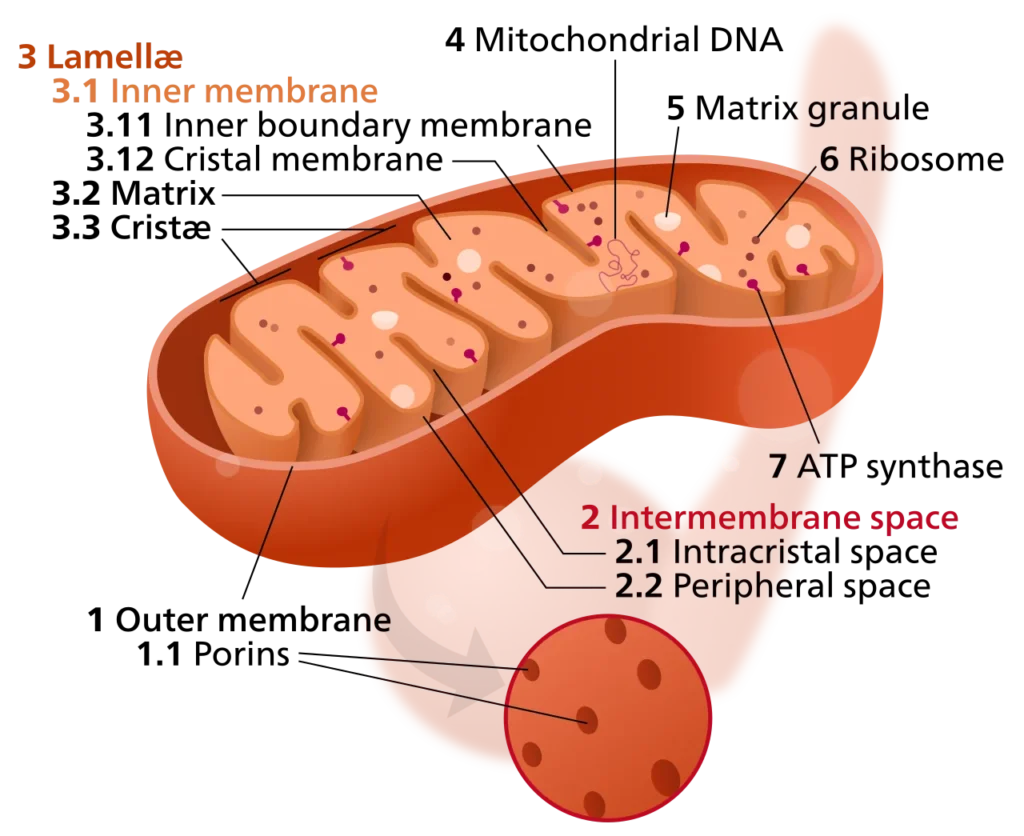
Mitochondria produce the energy that brain cells need to function properly. Damaged mitochondria can affect cellular activity and contribute to processes associated with neurodegeneration.
Alpha-amyrin appeared to improve mitochondrial function and activate two important cellular processes:
- Autophagy: The process through which cells remove and recycle damaged proteins and other unwanted material.
- Mitophagy: A specialized process that removes damaged or unnecessary mitochondria.
These processes help maintain cellular health and may reduce the accumulation of harmful material inside brain cells.
3. Influencing the DLK-SARM1-ULK1 Pathway
The researchers also investigated how alpha-amyrin produces these effects.
Their findings suggest that the compound inhibits an enzyme called dual leucine zipper kinase (DLK). This reduces the activity of a pathway involving sterile alpha and TIR motif-containing protein 1 (SARM1).
As a result, ULK1, a protein involved in autophagy and mitophagy, becomes more available to support cellular cleaning processes.
This mechanism may help cells remove damaged mitochondria and abnormal Tau proteins. (Cao et al., 2026)
Did Alpha-Amyrin Improve Memory in Animal Studies?
Researchers tested alpha-amyrin in genetically modified mice that develop Tau-related brain changes.
The animals received oral doses of 1 mg/kg or 10 mg/kg for two months. Researchers then evaluated their memory and learning abilities through three tests.
- Morris Water Maze: Assessed spatial learning and long-term memory.
- Y-Maze: Evaluated spatial working memory.
- Novel Object Recognition: Tested the ability to recognize unfamiliar objects.
Both treatment groups showed improvements in memory-related performance compared with untreated mice.
Researchers also observed reductions in abnormal Tau proteins, including p-Tau217, and improvements in mitochondrial health.
These results suggest that alpha-amyrin may help preserve memory and reduce certain disease-related changes in experimental animals. However, results from mice cannot establish similar benefits in people. (Cao et al., 2026)
What Did the Human Brain Model Show?
An additional part of the research involved a three-dimensional human brain-like microfluidic model.
This experimental system contained human neurons, astrocytes and microglia. These cells play important roles in brain function, inflammation and the response to neuronal damage.
Researchers found that alpha-amyrin treatment:
- Reduced p-Tau217 accumulation.
- Helped prevent neuronal loss.
- Reduced abnormal astrocyte activation.
- Suppressed the migration of microglia towards the affected region.
The researchers also examined donated human brain tissue and found higher p-Tau217 levels in samples associated with more advanced Alzheimer’s-related pathology.
These findings provide additional evidence of alpha-amyrin’s potential. However, a laboratory model made using human cells is not equivalent to testing a treatment in people. (Cao et al., 2026)
Can Eating Passion Fruit Prevent Alzheimer’s Disease?
There is currently no evidence that eating passion fruit can prevent or treat Alzheimer’s disease.
Although passion fruit contains alpha-amyrin, the amount obtained through normal food consumption may differ considerably from the concentrations used in laboratory and animal experiments.
The researchers also acknowledged that further investigation is needed to establish whether alpha-amyrin is the main compound responsible for the brain-protective effects previously observed with passion fruit extracts.
In a separate pharmacokinetic experiment, alpha-amyrin showed a terminal half-life of approximately 10.1 hours and crossed the blood-brain barrier in mice. These findings are relevant to future drug development, but human absorption, safety and appropriate dosage remain unknown.
Clinical trials will be necessary to determine whether the compound can produce meaningful benefits in people with Alzheimer’s disease.
What This Research Means for Future Alzheimer’s Treatment
The discovery of alpha-amyrin provides a promising direction for investigating natural compounds and their potential role in brain protection.
Its ability to influence Tau proteins, mitochondrial function and cellular cleaning mechanisms makes it an interesting candidate for further research.
However, the findings remain at the preclinical stage. Researchers must establish its safety, appropriate dosage and effectiveness through further studies before considering it a potential treatment for Alzheimer’s disease.
For now, a balanced diet containing fruits and vegetables remains part of general healthy eating, but passion fruit or alpha-amyrin supplements should not be considered proven ways to prevent dementia.


