

Lower back pain ranks among the most common musculoskeletal problems worldwide, and spinal twists for lower back pain can help improve flexibility and relieve tension.
Whether due to prolonged sitting, daily stress, muscle imbalance, or stiffness from inactivity, many people seek safe and effective strategies to relieve discomfort and improve mobility.
One such method that stands out in physical therapy and movement science is the use of spinal twist stretches.
Unlike more dramatic or forceful stretches, spinal twists gently encourage rotation in the lumbar and thoracic spine while stretching supporting muscles and connective tissue.
When performed consistently and correctly, they can unlock stiffness, increase flexibility, and even help reduce pain that has persisted for weeks or years.
Also Read: 10 Best Daily Stretches for Back Pain Relief at Home
Understanding Spinal Twists
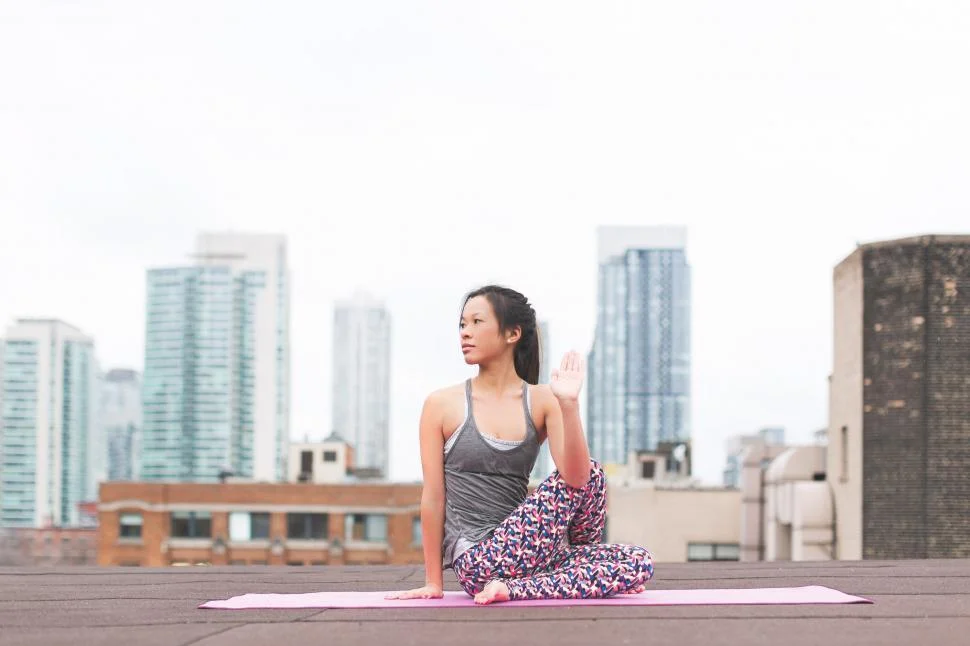
At their core, spinal twists involve rotating the spine in a controlled fashion while keeping the rest of the body stable.
They can be performed in different positions, lying on the floor, sitting on a chair or mat, or even standing.
Regardless of position, the goal is to gently mobilize the vertebrae, stretch the muscles around the back and hips, and calm muscular tension.
Clinicians often incorporate spinal twists into comprehensive mobility programs for two main reasons:
first, rotation stretches areas that are often neglected in forward-and-backward movements;
second, they promote functional flexibility needed for everyday activities like reaching, turning, and twisting in daily life.
Also read: Knee-to-Chest Stretch for Bach Pain Relief and Spinal Flexibility- A Complete Guide
Why Spinal Twists Benefit Lower Back Pain and Mobility
1. Improve Spinal Flexibility
The spine has three planes of motion: forward/backward (sagittal), side-to-side (frontal), and rotation (transverse).
Most daily activities, however, involve little pure rotation. As a result, the tissues responsible for spinal rotation can become stiff.
Spinal twists counteract this by encouraging natural rotational movement. Increasing rotational range can help reduce stiffness and improve overall flexibility.
2. Relieve Muscular Tension
Tight muscles like the paraspinals, erector spinae, and quadratus lumborum often contribute to discomfort.
Twisting stretches target these muscles alongside the hips and glutes, which also influence lower back mechanics. Improved muscle balance reduces compensatory movements that often worsen pain.
3. Support Improved Movement Coordination
When you twist, your nervous system engages multiple muscle groups simultaneously.
This coordination reinforces healthy movement patterns and can help retrain movement control, which is often altered in people with chronic back pain.
4. Enhance Blood Flow and Tissue Health
Gentle twists increase circulation to spinal tissues and surrounding muscles. Improved blood flow brings oxygen and nutrients to these structures, which supports healing and reduces stiffness.
5. Promote Nervous System Relaxation
Because spinal twists are generally slow and controlled, they can also have a calming effect.
When paired with deep breathing, twists help activate the parasympathetic nervous system, which is known to reduce muscle guarding and pain sensitivity.
The combination of enhanced flexibility, improved muscle balance, and nervous system calm makes spinal twists an excellent component of any back pain management plan.
Also read: Bridge Exercise for Back Pain and Strengthening: A Complete Evidence-Based Guide
How to Do Spinal Twists for Lower Back Pain Relief
Below are clear, step-by-step instructions for three effective spinal twist variations. Perform these with slow, intentional movement and steady breathing for best results.
1. Supine Spinal Twist (Lying Twist)
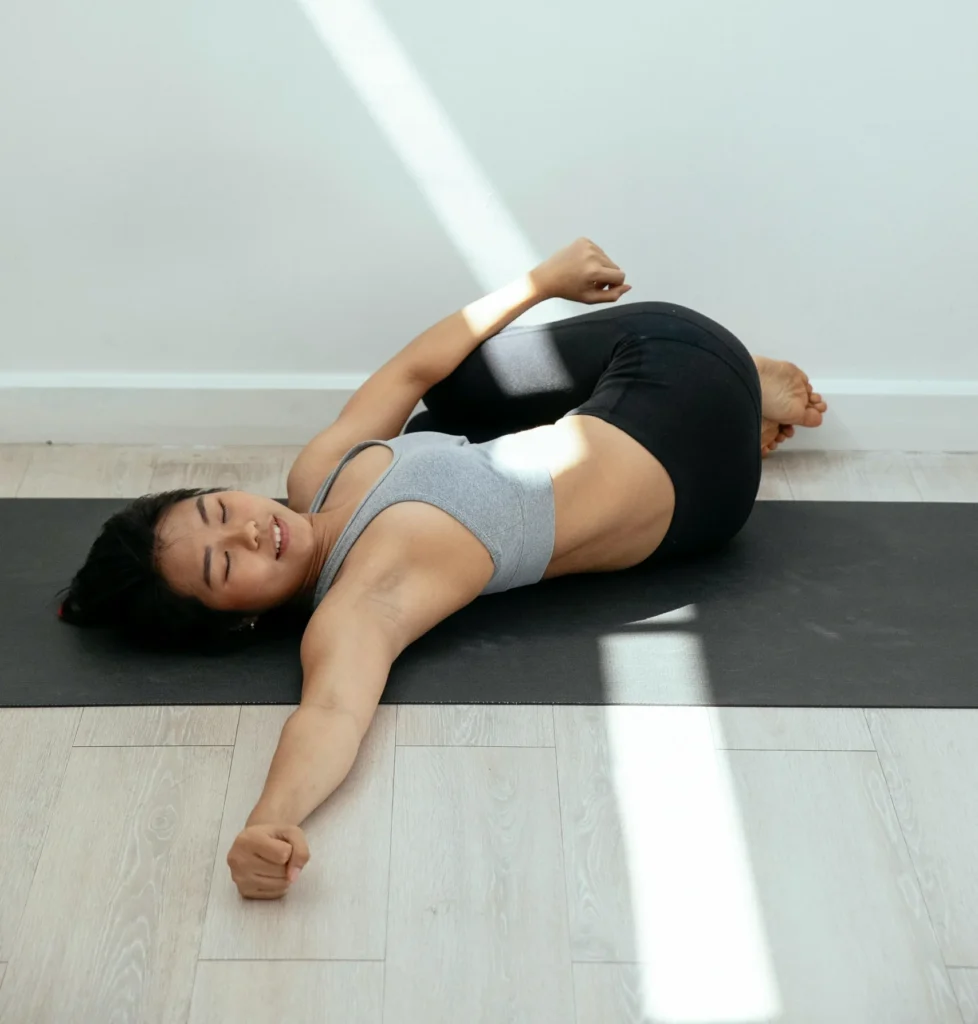
How to Perform:
- Lie on your back with your knees bent and feet flat on the floor.
- Extend your arms out to the sides in a “T” shape for support.
- Gently lower both knees to one side while keeping your shoulders grounded.
- Turn your head in the opposite direction of your knees, if comfortable.
- Hold the position for 20–30 seconds while breathing deeply.
- Return slowly to center and repeat on the other side.
Benefits:
This variation gently rotates the lumbar spine while stretching hips and glutes. It is especially useful for reducing stiffness after prolonged sitting.
Tips:
Keep your movements smooth and avoid forcing your knees to the floor. If your lower back feels uncomfortable, place a pillow under your knees for support.
2. Seated Spinal Twist
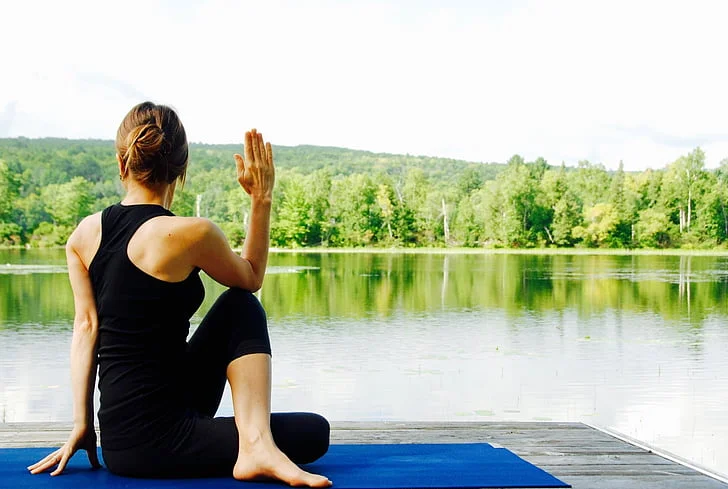
How to Perform:
- Sit tall on a chair or mat with legs extended or crossed.
- Lengthen your spine and place one hand behind your hip.
- Place your opposite hand on your knee.
- Gently rotate your torso toward the hand behind you.
- Hold for 15–30 seconds, breathing steadily.
- Release and switch sides.
Benefits:
This twist variation is ideal for office workers and people with limited floor mobility. It enhances thoracic mobility as well as lower back flexibility.
Tips:
Keep your pelvis grounded and avoid slouching. Use a firm seat to help maintain posture.
3. Standing Spinal Twist
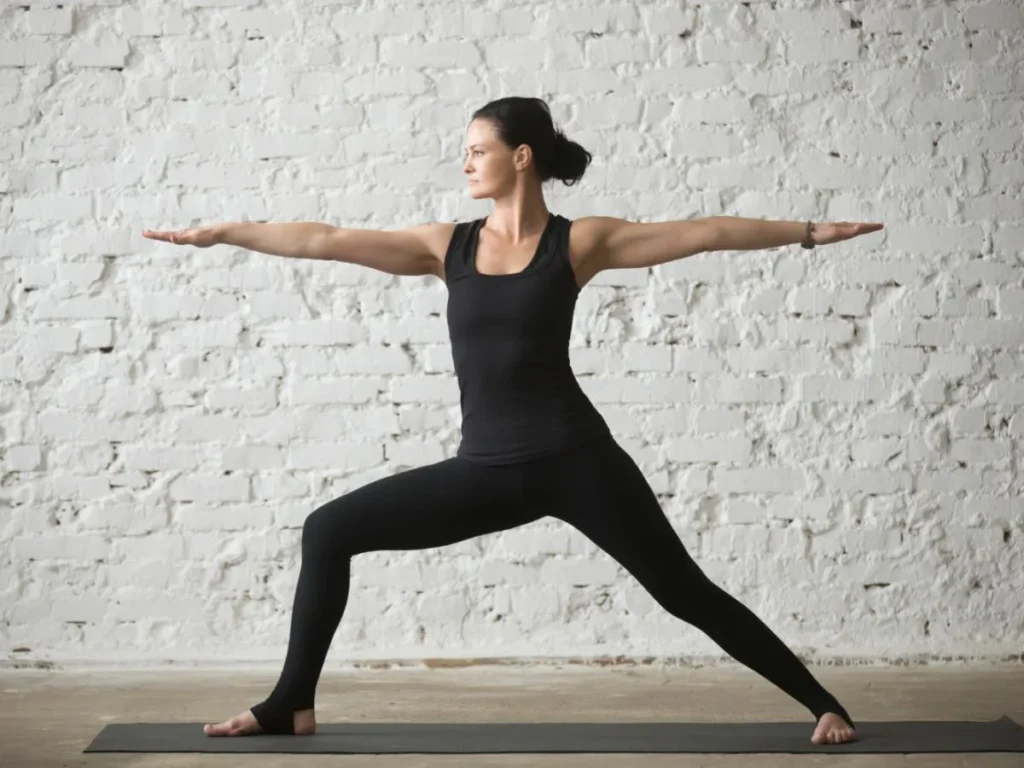
How to Perform:
- Stand with feet hip-width apart.
- Extend your arms in front, palms together.
- Slowly rotate your torso to one side while keeping your hips square.
- Hold for 10–20 seconds.
- Return to center and repeat on the other side.
Benefits:
Standing twists integrate core engagement with functional balance, making them great before and after physical activity.
Tips:
Keep your neck neutral and avoid over-rotating your shoulders.
Also read:How to Do a Pelvic Tilt Exercise for Lower Back Pain Relief
Variations and Modifications
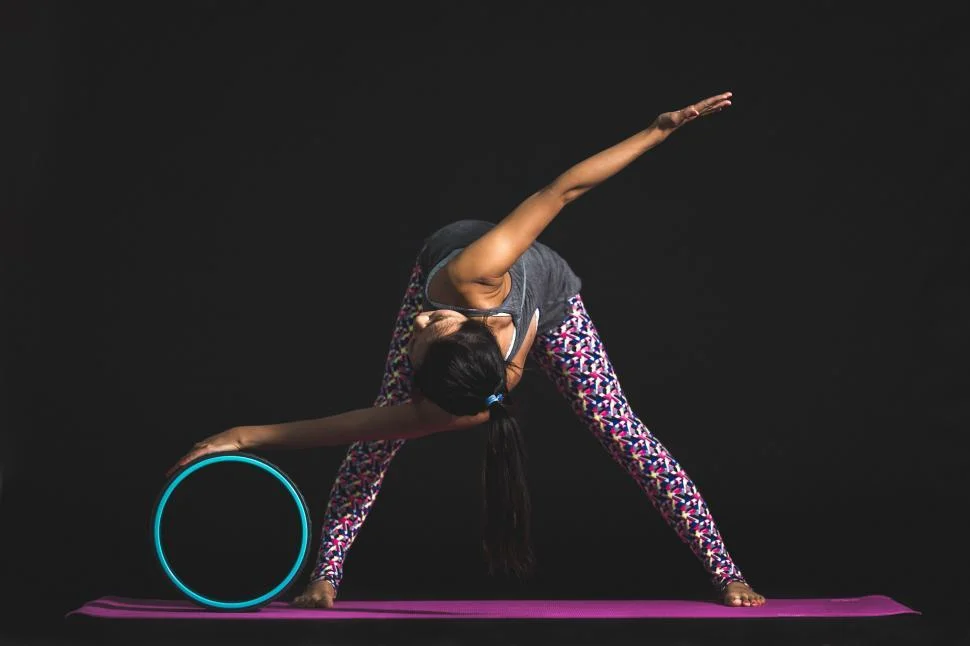
Although spinal twists are generally safe, those with limited mobility or pain should consider modifications:
- Use Props: A rolled towel or small cushion behind your back can reduce strain.
- Reduce Range: Don’t force your body into deep rotation. Gentle engagement is more beneficial than maximal twisting.
- Pair With Breathing: Inhale as you prepare, exhale as you rotate for deeper muscle relaxation.
- Add Hip Flexor Stretching: Combine with gentle hamstring or hip flexor stretches to further relieve lower back tension.
These adjustments make twists accessible for individuals at different fitness levels and with varying degrees of back discomfort.
Lesser-Known Insights and Current Research
While spinal twists are a staple in yoga and physical therapy, several emerging insights and research findings are worth highlighting:
Integration With Core Activation Matters
Recent evidence suggests that combining rotational stretches with core stabilization exercises (such as bridges and anti-rotation drills) leads to greater improvements in back pain and function than stretching alone.
This supports integrating twists into broader movement routines rather than relying on them in isolation.
Neuromuscular Benefits Extend Beyond Flexibility
Early research in motor control points to the value of rotational movements in enhancing proprioception, the body’s awareness of position in space, which can improve balance and reduce injury risk when paired with balance training.
Yoga-Based Programs Show Long-Term Back Pain Benefits
Several clinical trials demonstrate that comprehensive yoga programs, which include spinal twists like Ardha Matsyendrasana (half spinal twist), can reduce chronic low back pain severity and disability more effectively than standard exercise programs.
These findings support the use of mindful stretching in long-term pain management.
Although more studies are needed to isolate the specific effects of individual twists, the broader evidence from movement science strongly supports their inclusion.
Also Read: Top 5 Posture Mistakes Causing Back Pain and How to Fix Them
When to Be Cautious
While spinal twists are beneficial for most individuals, certain conditions warrant caution:
- Acute Lumbar Disc Herniation: Twisting can increase pressure in the discs; seek clinical guidance first.
- Spondylolisthesis: Individuals with this condition should avoid deep or forceful rotations.
- Severe Osteoarthritis: Modify intensity and range to avoid joint irritation.
- Pregnancy: Deep twist variations that compress the abdomen should be modified or avoided.
When in pain or unsure, working with a physiotherapist can ensure safe execution and personalized adjustments.
Clinical Practice
In clinical practice, spinal twists often produce immediate relief from stiffness and improve movement confidence.
Many patients are surprised by how subtle rotational movements can have a powerful impact on both lower back comfort and functional mobility.
When taught with proper alignment and breathing guidance, these stretches can become a reliable tool for daily back care.
Also Read: Ultimate Guide to Home Physiotherapy for Back Pain
Start Today
Practice one spinal twist variation- supine, seated, or standing; once in the morning and once in the evening.
Focus on slow, controlled movement and deep breathing. Combine this with gentle core activation exercises like pelvic tilts or bridges to reinforce spinal support.
When to Seek Medical Help
Seek professional assessment if you experience:
- Radiating pain to the legs
- Progressive weakness
- Numbness, tingling, or loss of bladder control
- Pain that worsens despite consistent stretching
These symptoms may indicate underlying neurological or structural concerns.
A Common Myth
Many people believe that simple stretches like spinal twists are too mild to matter.
In reality, when performed consistently and integrated into a broader movement routine, twists create meaningful improvements in mobility, muscle coordination, and pain relief, far beyond what static stretches alone can accomplish.
Also Read: How to Understand What Really Causes You Pain?
Our Physiotherapist’s Advice to You
Embrace spinal twists not as a quick fix, but as a foundational mobility practice. Move slowly, breathe deeply, and integrate them into your daily rituals.
Over time, these movements support not just back pain relief, but a resilient and adaptable spine capable of handling life’s demands with less discomfort and greater fluidity.
Frequently Asked Questions (FAQ)
1. Are spinal twists safe for lower back pain?
Yes, when performed gently and with controlled movement, spinal twists can help reduce stiffness and improve mobility.
2. How many times a day should I do spinal twists?
Incorporate twists daily or every other day as part of a stretching routine, especially after periods of prolonged sitting.
3. Can spinal twists cure chronic back pain?
While not a cure, twists can significantly reduce discomfort when combined with strengthening and mobility exercises.
4. Should I feel a stretch or pain?
A gentle stretch is normal. Sharp or increasing pain is not; discontinue the movement and consult a clinician.
5. Can spinal twists help posture?
Yes, by improving spinal mobility and reducing muscle tightness, twists can support better posture when combined with strengthening.
6. Do I need props for spinal twists?
Props like cushions or yoga blocks can enhance comfort and support alignment, especially for beginners.
7. Can children do spinal twists?
Yes, gentle versions are safe for children, but ensure supervision and avoid forced movements.
8. Are twists good after workouts?
Yes, spinal twists serve as an effective cool-down stretch to relax muscles.
9. Should I hold my breath?
No, maintain steady, rhythmic breathing throughout the movement.
10. Can spinal twists improve overall flexibility?
Yes, regular practice enhances rotational mobility that contributes to overall spinal flexibility.
Stay tuned with us for more health related topics.
Follow us on LinkedIn and Instagram for more.


