
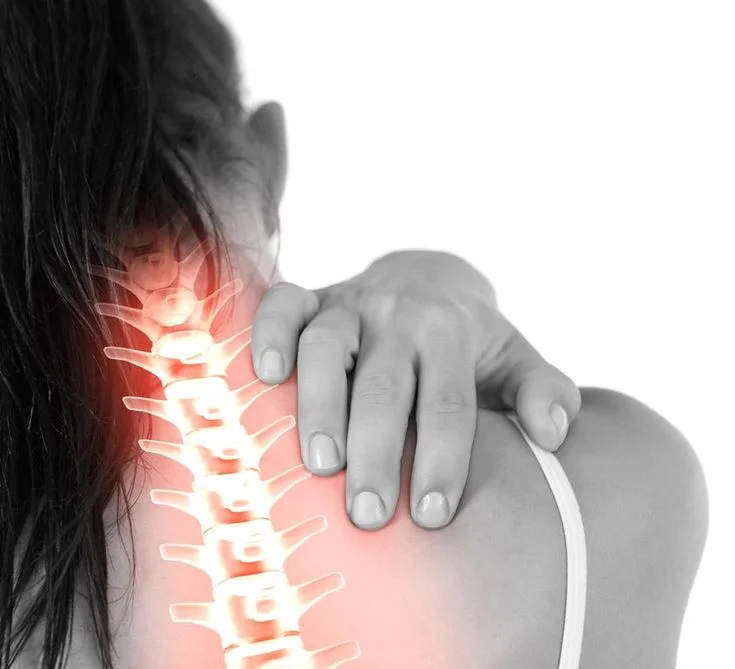

Neck pain is one of the most common musculoskeletal complaints seen in physiotherapy clinics. Many people assume that all neck pain comes from a slipped disc or muscle strain. However, one of the most frequent but often overlooked causes of neck pain is cervical facet joint pain.
The small joints located at the back of the cervical spine, known as facet joints, play a crucial role in spinal stability and movement.
When these joints become irritated, inflamed, or degenerate, they can produce persistent neck pain, stiffness, and sometimes headaches.
Modern research suggests that facet joints may actually be responsible for more than half of chronic neck pain cases, making them a major source of cervical spine discomfort. (PMC)
From a physiotherapy perspective, the encouraging news is that most cases of cervical facet joint pain can be successfully managed without surgery through targeted rehabilitation, posture correction, and lifestyle adjustments.
Read our detailed and Complete Guide to Neck Pain: Causes, Symptoms, Exercises and Treatment
Understanding the Cervical Facet Joints
The cervical spine consists of seven vertebrae (C1–C7) stacked on top of each other to form the neck.
Each vertebra connects to the one above and below through two types of joints:
- Intervertebral discs at the front
- Facet joints (zygapophyseal joints) at the back
Facet joints are small synovial joints, meaning they contain cartilage, a joint capsule, and synovial fluid that allows smooth movement. (PMC)
These joints serve several important functions:
- guide neck movements such as bending and rotation
- stabilize the spine
- limit excessive motion to protect the spinal cord
Each cervical facet joint is also richly supplied with nerve endings, which explains why irritation or inflammation in these joints can cause significant pain. (PMC)
How Common Is Cervical Facet Joint Pain?
Research indicates that cervical facet joints are a major source of neck pain.
Clinical studies using diagnostic nerve blocks show that:
- about 55% of patients with chronic neck pain have facet joint involvement (PMC)
- some studies report prevalence rates between 54% and 67% in chronic cervical pain patients (SpringerLink)
Facet joints are therefore considered one of the most important pain generators in the cervical spine.
Interestingly, the prevalence is even higher in individuals who develop neck pain after whiplash injuries from motor vehicle accidents. (ScienceDirect)
What Is Cervical Facet Joint Syndrome?
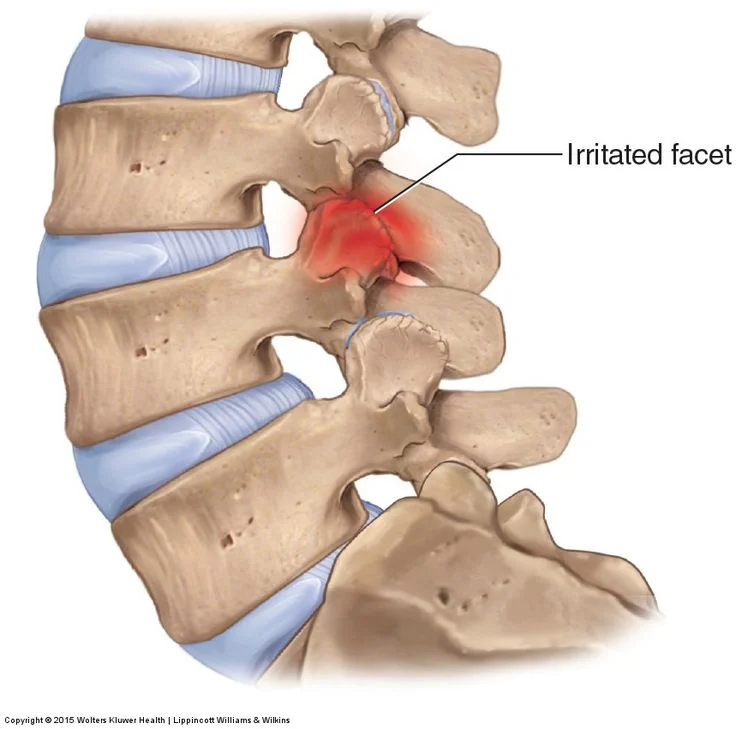
Cervical facet joint pain is often referred to as cervical facet syndrome.
It occurs when the facet joints become:
- inflamed
- irritated
- arthritic
- injured
This condition can develop gradually due to degeneration or suddenly after trauma.
Unlike disc problems that may compress nerves, facet joint pain is usually mechanical in nature, meaning it is related to movement and joint stress.
Read about : 15 Common Causes of Neck Pain You Should Know
Causes of Cervical Facet Joint Pain
Several factors can contribute to irritation or degeneration of cervical facet joints.
Age-Related Degeneration
As we age, the cartilage in facet joints gradually wears down. This condition, known as facet joint osteoarthritis, can lead to stiffness, inflammation, and pain.
Degenerative changes in the cervical spine are a common cause of chronic neck pain.
Poor Posture
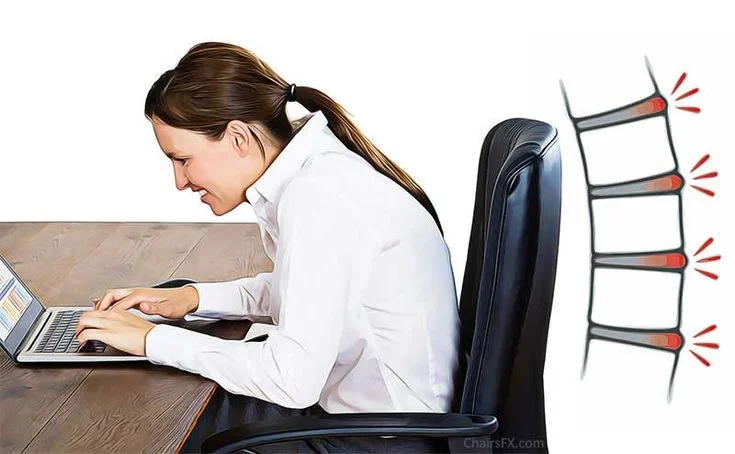
One of the most important contributors to facet joint pain is forward head posture.
When the head moves forward during activities such as smartphone use or computer work:
the load on cervical joints increases
facet joints experience excessive compression
muscles surrounding the neck become strained
Over time, this mechanical stress may lead to facet joint irritation.
Whiplash Injuries
Whiplash injuries from car accidents can place extreme stress on cervical facet joints.
Studies have shown that facet joints may be responsible for neck pain in a large proportion of patients following whiplash trauma. (ScienceDirect)
Repetitive Neck Movements
Certain occupations require repeated neck movements or sustained postures.
Examples include:
- computer professionals
- dentists
- surgeons
- drivers
Repeated strain on cervical joints can gradually lead to facet joint dysfunction.
Muscle Imbalance
Weak deep neck muscles and tight upper trapezius muscles alter spinal biomechanics and increase stress on facet joints.
Read in detail about: What is Cervical Spondylosis? The Truth Behind Chronic Neck Pain
Lesser Known Risk Factors
Some risk factors are rarely discussed but play a role in facet joint pain.
Stress and Muscle Tension
Chronic stress causes sustained muscle tension in the neck and shoulders, which increases pressure on the facet joints.
Poor Sleep Position
Using a pillow that does not support the natural curve of the neck can increase facet joint strain overnight.
Lack of Physical Activity
Sedentary lifestyles weaken the muscles responsible for spinal stability.
Symptoms of Cervical Facet Joint Pain
Symptoms may vary depending on the affected joint.
However, several patterns are commonly observed.
Localized Neck Pain
The most common symptom is localized pain on one side of the neck.
Pain may worsen with:
- neck extension (looking up)
- rotation
- prolonged sitting
Neck Stiffness
Many patients report difficulty turning their head or looking over their shoulder.
Morning stiffness is also common.
Also read: How to Relieve Neck Tightness Without Equipmen
Pain Radiating to Shoulder or Upper Back
Facet joint pain may spread to nearby areas such as:
- shoulders
- upper back
- base of the skull
Headaches
Cervical facet joints, especially the upper cervical levels, may cause cervicogenic headaches.
These headaches usually begin in the neck and spread toward the back of the head.
Pain After Prolonged Posture
Pain often increases after:
- long hours at a computer
- extended phone use
- driving for long periods
Difference Between Facet Joint Pain and Disc Pain
Patients often confuse these two conditions.
Facet Joint Pain
- usually localized to the neck
- worsens with extension or rotation
- rarely causes severe nerve symptoms
Disc Herniation
- pain often radiates down the arm
- numbness or tingling may occur
- nerve compression is common
Correct diagnosis is important because treatment approaches differ.
Read in detail about: Cervical Disc Herniation- Complete Guide for Slipped Disc In The neck
How Is Cervical Facet Joint Pain Diagnosed?
Diagnosis typically involves clinical examination and imaging.
Physical Examination
A physiotherapist evaluates:
- neck movement patterns
- joint tenderness
- muscle tightness
- posture
Certain movements may reproduce facet joint pain.
Diagnostic Facet Joint Blocks
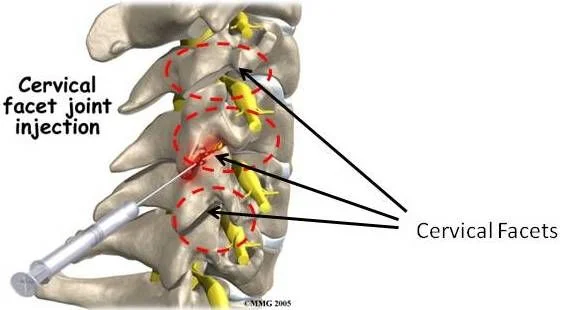
The most accurate diagnostic method involves local anesthetic injections into the facet joint nerves.
If pain significantly reduces after the injection, it confirms facet joint involvement.
Imaging Tests
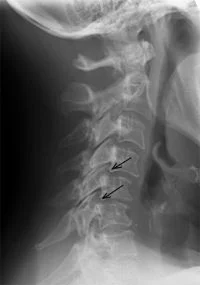
- X-rays
- MRI scans
- CT scans
However, imaging alone may not always identify the exact pain source.
Read about: Effective Neck Pain Exercises At Home: A Complete Guide to Relief and Improved Mobility
Role of Physiotherapy in Cervical Facet Joint Pain
Physiotherapy is considered one of the most effective non-surgical treatments for facet joint pain.
Rehabilitation focuses on:
- reducing inflammation
- improving joint mobility
- strengthening supporting muscles
- correcting posture
Evidence-Based Physiotherapy Treatments
Manual Therapy
Manual therapy techniques include:
- joint mobilization
- soft tissue release
- trigger point therapy
These techniques help reduce joint stiffness and muscle tension.
Therapeutic Exercises
Exercise therapy restores normal spinal mechanics.
Important exercises include:
- deep neck flexor strengthening
- scapular stabilization exercises
- cervical mobility exercises
These exercises improve spinal stability and reduce joint stress.
Postural Correction
Posture retraining is one of the most critical aspects of treatment.
Patients learn to maintain:
- neutral head position
- proper workstation ergonomics
- correct sitting posture
Read more on : Simple Posture Correction Exercises for Forward Head Posture
Cervical Traction
In certain cases, traction may reduce joint compression and relieve pain.
Electrotherapy
Modalities such as:
- TENS therapy
- ultrasound therapy
- heat therapy
may help reduce pain and muscle spasm.
Rehabilitation Stages
Recovery typically progresses through stages.
Acute Phase
Goals include:
- reducing pain
- decreasing inflammation
- restoring gentle movement
Subacute Phase
Focus shifts to:
- improving mobility
- correcting posture
- activating deep neck muscles
Functional Phase
Patients gradually return to normal activities while strengthening the cervical spine.
Home Exercises for Cervical Facet Joint Pain
Simple exercises can significantly improve symptoms.
Chin Tuck Exercise
Strengthens deep neck stabilizing muscles.
Learn How to do Chin Tucks for Neck Pain Relief and Posture Correction
Shoulder Blade Squeeze
Improves posture and reduces neck strain.
Gentle Neck Rotation
Maintains joint mobility and flexibility.
Exercises should always be performed under professional guidance.
Lifestyle Changes for Long-Term Relief
Small lifestyle changes can significantly reduce facet joint stress.
Patients should:
- limit prolonged smartphone use
- maintain proper workstation ergonomics
- take regular movement breaks
- strengthen upper back muscles
When Is Medical Intervention Needed?
Most patients improve with physiotherapy and conservative care.
However, some cases may require additional treatments such as:
- facet joint injections
- medial branch nerve blocks
- radiofrequency ablation
These procedures aim to interrupt pain signals from the facet joint.
Prevention Strategies
Preventing cervical facet joint pain involves maintaining spinal health.
Key strategies include:
- strengthening neck muscles
- maintaining correct posture
- adjusting computer screens to eye level
- avoiding prolonged static positions
Regular exercise and ergonomic awareness play a major role in prevention.
Clinical Insight
In clinical practice, cervical facet joint pain is often overlooked because patients and even healthcare providers tend to focus only on disc problems.
However, many patients with persistent neck stiffness and headaches actually have facet joint dysfunction caused by poor posture and muscle imbalance.
The encouraging part is that most of these cases respond remarkably well to physiotherapy, especially when patients commit to posture correction and strengthening exercises.
Physio Prescription
For patients with cervical facet joint pain:
- perform chin tuck exercises daily
- strengthen deep neck stabilizers
- practice scapular strengthening exercises
- maintain ergonomic workstation setup
- take breaks every 30 minutes during desk work
Consistency is the key to recovery.
Red Flags
Seek medical attention immediately if you experience:
- severe arm weakness
- loss of sensation in the hands
- difficulty walking
- loss of bladder or bowel control
These symptoms may indicate spinal cord involvement.
Common Myth
Myth
All neck pain is caused by a slipped disc.
Truth
Facet joints are actually responsible for a large proportion of chronic neck pain cases. (PMC)
Frequently Asked Questions
1. What does cervical facet joint pain feel like?
Cervical facet joint pain usually causes a deep aching pain in the neck that worsens when turning the head or looking upward. The pain may also spread to the shoulder blade or the base of the skull.
2. What causes cervical facet joint pain?
Common causes include poor posture, cervical spine degeneration, whiplash injuries, prolonged smartphone use, and repetitive neck strain that overloads the facet joints.
3. Can cervical facet joint pain cause headaches?
Yes. Irritation of the upper cervical facet joints can lead to cervicogenic headaches that begin at the base of the skull and may spread toward the head.
4. How is cervical facet joint pain treated?
Treatment often includes physiotherapy, posture correction, strengthening exercises for neck muscles, and ergonomic improvements. In severe cases, doctors may recommend injections or radiofrequency therapy.
Final Word
Cervical facet joint pain is a common yet frequently misunderstood cause of neck discomfort. Because these joints play a vital role in spinal movement, irritation or degeneration can lead to persistent pain and stiffness.
Fortunately, most cases improve with targeted physiotherapy, posture correction, and strengthening exercises.
Understanding the underlying cause of neck pain empowers patients to take active steps toward recovery.
With the right rehabilitation approach, many individuals regain pain-free neck movement and return to their normal daily activities.
Stay tuned with us for more health related topics.
Follow us on LinkedIn and Instagram for more.
More Read


Medical Disclaimer!
This article has been reviewed and written under the guidance of our Head Physiotherapist, Dr. Kruti Raj (PT, MUHS,CPT,CMPT). The information shared is intended for educational purposes only and should not be considered a substitute for personalized medical advice, diagnosis, or treatment.
Please consult us or any other qualified healthcare professional before beginning any exercise program, especially if you are experiencing pain, recovering from injury, or managing a medical condition.


