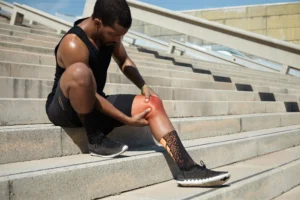
Understanding Why Anxiety Causes Neck and Shoulder Tension
If you notice your neck and shoulders tightening during stressful moments, this is a very real physical response.
As a physiotherapist, I often explain that anxiety directly affects the body through the nervous system.
When you feel anxious, your body activates a protective response.
This leads to continuous contraction of muscles such as the upper trapezius, levator scapulae, and suboccipital muscles.
Over time, this reduces blood flow, increases muscle fatigue, and leads to stiffness and pain. (Acta Psychologica Study, 2024)
Research confirms that psychological stress is strongly linked with neck pain intensity and disability.
Anxiety also alters how the brain processes pain, making minor discomfort feel more severe. (Khatri et al., 2024)
Read about our Complete Neck Pain Guide : Causes, Symptoms, Exercises and Treatment
⚡ Quick Answer
Neck and shoulder tension from anxiety is caused by continuous muscle tightening due to an overactive nervous system. Long-term relief requires addressing both physical muscle tension and the underlying stress response through consistent daily habits.
Read about: Early Signs of Cervical Spine Damage You Should Never Ignore
Key Takeaways
- Anxiety can directly cause neck and shoulder tension through nervous system activation.
- Muscle tightness is often due to prolonged muscle guarding and stress response.
- Simple home remedies like breathing exercises, stretching, and heat therapy are effective when done consistently.
- Posture alone is not the root cause. Stress and nervous system imbalance play a major role.
- Combining relaxation techniques with movement gives the best results.
- Ignoring symptoms can lead to chronic pain and reduced mobility.
- Long-term relief requires managing both mental stress and physical tension.
Also read: How to Relieve Neck Tightness Without Equipment
A Lesser Known Clinical Insight
Many people assume poor posture is the main cause of neck pain.
In reality, I have treated patients with excellent posture who still experience severe neck and shoulder tightness due to anxiety.
This is explained by the biopsychosocial model, where emotional stress plays a direct role in physical pain.
Read about : 15 Common Causes of Neck Pain You Should Know
Common Symptoms of Anxiety Related Neck and Shoulder Tension

You may experience:
- Constant tightness or heaviness in shoulders
- Neck stiffness, especially in the morning
- Frequent tension headaches
- Burning sensation between shoulder blades
- Reduced neck movement
- Pain that worsens during stress
These symptoms are often linked to trigger points and muscle overactivity. (BMC Musculoskeletal Disorders Study, 2025)
Read : A Complete Guide To Neck Arthritis
Why Anxiety Targets the Neck and Shoulders
From a physiotherapy and pain science perspective, the neck and shoulders are one of the most common areas where emotional stress becomes physical.
This is not random. There are specific neurological, muscular, and behavioral mechanisms behind it.
Muscle Guarding Response
When your brain perceives stress or anxiety, it activates the fight or flight system.
This leads to an automatic increase in muscle tone, especially in areas responsible for protection and posture like the neck and shoulders.
The upper trapezius and levator scapulae are particularly sensitive because they are involved in both posture and stress-related reactions.
These muscles remain in a semi-contracted state even when you are not consciously aware of it.
Over time, this constant low-grade contraction leads to:
- Reduced blood circulation
- Accumulation of metabolic waste
- Development of trigger points
- Increased fatigue and stiffness
Interestingly, studies show that psychological factors such as anxiety are directly associated with increased pain sensitivity and muscle tension in chronic neck pain patients.
This explains why many people feel tightness even without any physical injury.
Protective Posture Changes
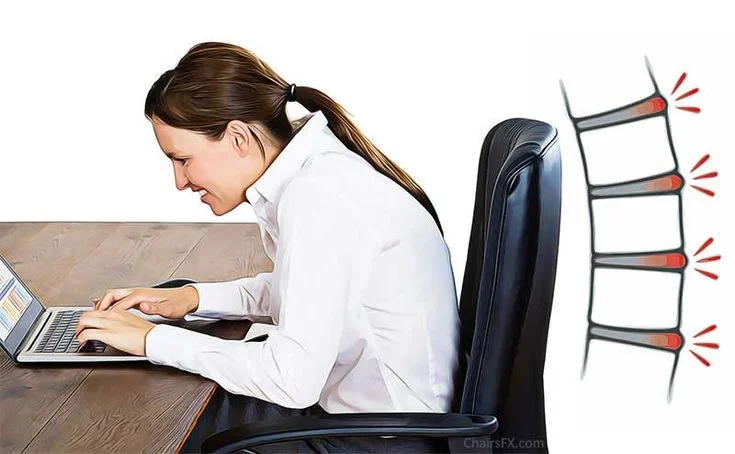
Anxiety subtly changes the way you hold your body. You may not notice it, but your posture adapts to a defensive state.
Common patterns include:
- Slight forward head posture
- Rounded shoulders
- Elevated or “shrugged” shoulders
- Reduced natural arm swing
These changes increase the mechanical load on the cervical spine. Even a small forward shift of the head significantly increases the stress on neck muscles.
Over time, this leads to:
- Muscle imbalance
- Overuse of superficial muscles like upper trapezius
- Underuse of deep stabilizing muscles
Research shows that pain and stress can alter neuromuscular control and muscle activation patterns in the cervical region, leading to inefficient movement and strain.
This is why simply correcting posture is not enough unless the underlying stress is addressed.
Read: Simple Posture Correction Exercises for Forward Head Posture
Reduced Movement and Circulation
When someone is anxious, their overall activity level often decreases, even if they are not completely sedentary.
There is less natural movement, fewer posture changes, and more static positions.
This has several effects:
- Reduced blood flow to muscles
- Increased stiffness
- Slower recovery from minor strain
- Greater sensitivity to pain
Muscles need regular movement to stay healthy. Without it, they become tight and less adaptable.
This is also why people often feel worse after long hours of sitting during stressful workdays.
Central Sensitization and Pain Amplification
One of the most important and lesser-known mechanisms is central sensitization.
This is a condition where the nervous system becomes more sensitive to pain signals.
The brain starts interpreting normal sensations as painful or amplifying mild discomfort.
In simple terms:
- The pain system becomes overactive
- The threshold for pain decreases
- The intensity of pain increases
Research shows that anxiety is a significant predictor of central sensitization in people with neck pain.
This means:
- You may feel pain without actual tissue damage
- Mild muscle tightness can feel severe
- Pain can persist even after the physical cause improves
Central sensitization is one of the key reasons why anxiety-related neck pain can become chronic if not addressed properly. (Musculoskeletal Science and Practice, 2024)
Autonomic Nervous System Imbalance
Another important factor is the imbalance in the autonomic nervous system.
Anxiety increases sympathetic activity, which leads to:
- Increased muscle tension
- Reduced relaxation response
- Higher pain sensitivity
The body essentially stays in a constant “alert mode,” preventing muscles from fully relaxing.
Read in detail about: What is Cervical Spondylosis? The Truth Behind Chronic Neck Pain
Why the Neck and Shoulders Specifically
From a clinical standpoint, these areas are most affected because:
- They are heavily involved in posture
- They react quickly to emotional stress
- They contain a high density of muscle fibers prone to tension
- They are active even during low-intensity tasks like sitting
This combination makes them the primary site for stress-related muscle tightness.
Read in detail about: How to Fix Upper Crossed Syndrome Naturally
Clinical Insight
This is why treating only the muscles often gives temporary relief. Unless the nervous system and stress response are addressed, the tension tends to return.
That is also why the most effective physiotherapy approach combines:
Stress regulation strategies
Physical treatment
Relaxation techniques
Movement correction
Read about: Effective Neck Pain Exercises At Home: A Complete Guide to Relief and Improved Mobility
10 Home Remedies for Neck and Shoulder Tension from Anxiety
These are not just general tips.
These are clinically supported strategies that target both the nervous system and muscle system together, which is essential for anxiety-related tension.
Read about: The Most Effective McKenzie Exercises For Neck Pain
1. Diaphragmatic Breathing
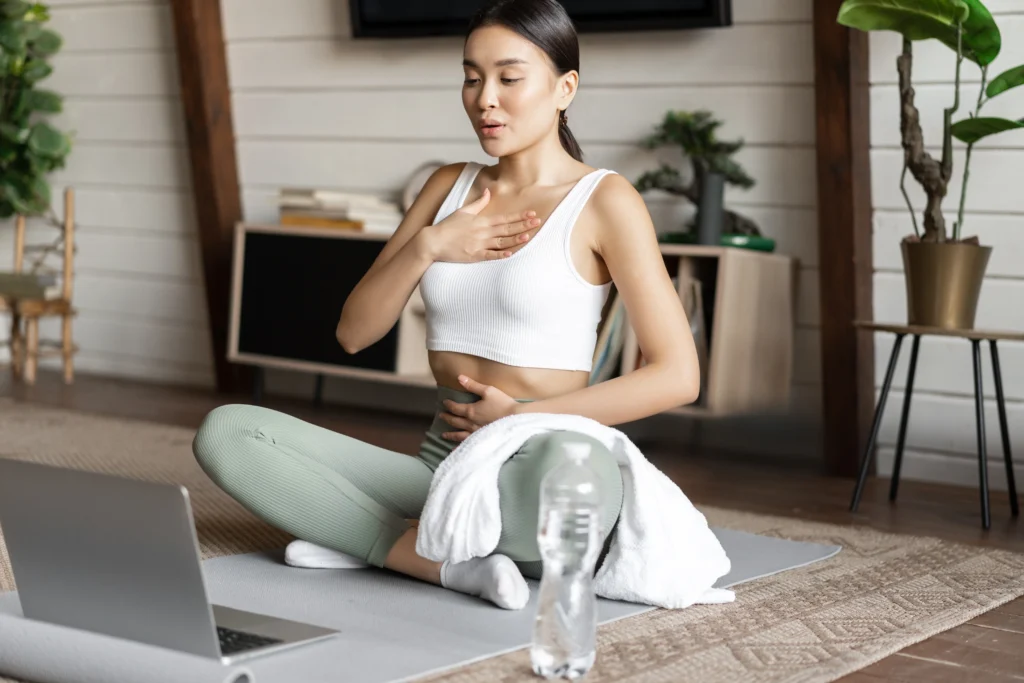
Deep breathing is one of the most powerful ways to directly influence the nervous system.
When you breathe slowly and deeply, you activate the parasympathetic nervous system.
This reduces the fight or flight response and allows muscles to relax.
From a physiotherapy perspective, breathing also reduces overactivity in accessory muscles like the upper trapezius and scalenes, which are often overused in anxious individuals.
How to do it:
- Inhale through your nose for 4 seconds
- Hold for 2 seconds
- Exhale slowly through your mouth for 6 seconds
- Focus on expanding your abdomen, not your chest
Clinical insight:
Many patients with anxiety breathe shallowly using neck muscles, which increases tension.
Diaphragmatic breathing retrains this pattern.
Research shows that relaxation and breathing techniques significantly reduce pain intensity and disability in neck pain patients. (Basco López et al., 2025)
Read about: Yoga for Neck Pain: Poses That Actually Work
2. Heat Therapy
Heat is a simple but highly effective tool for muscle relaxation.
It works by:
- Increasing blood flow
- Reducing muscle spasm
- Improving tissue elasticity
This is especially useful in anxiety-related tension where muscles are in a prolonged contracted state.
How to use:
- Apply a heating pad or hot water bag for 15 to 20 minutes
- Use it once or twice daily, especially after long work hours
Clinical insight:
Heat works best for chronic tightness rather than acute inflammation.
Many patients report immediate relief because heat also has a calming effect on the nervous system.
Read more: Heat Or Cold Therapy for Neck Pain: What Actually Works?
3. Gentle Neck Stretching
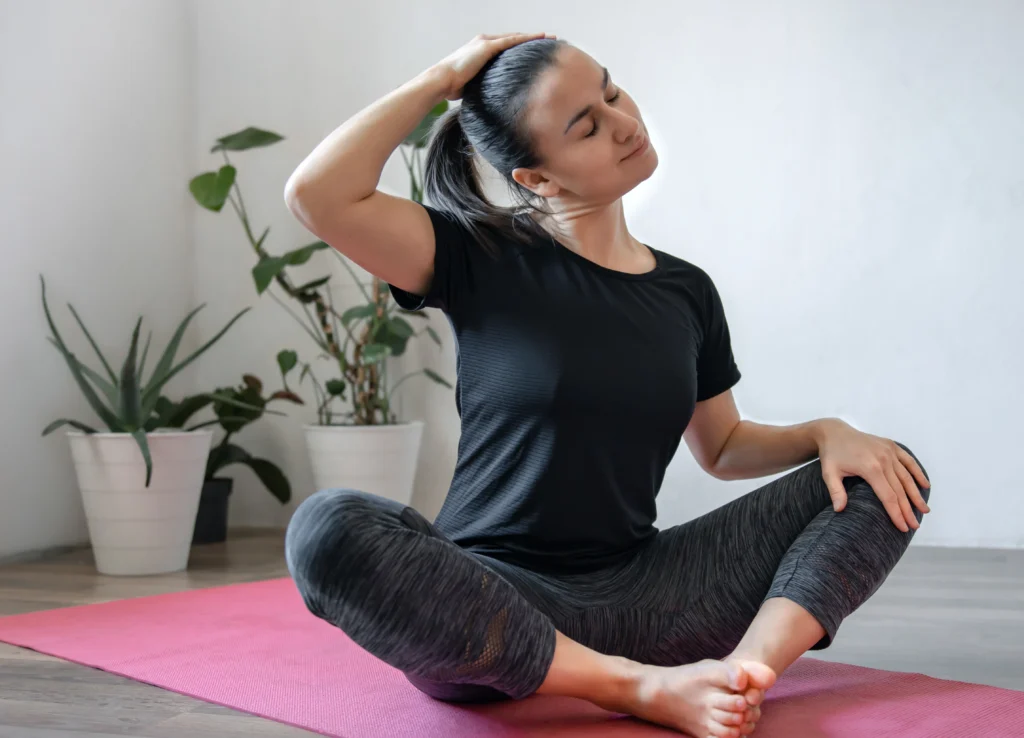
Stretching helps restore normal muscle length and reduces stiffness.
However, the key is gentle and controlled movement, not aggressive stretching.
Effective stretches:
- Side bending stretch
- Chin to chest stretch
- Slow neck rotations
Hold each stretch for 15 to 20 seconds and repeat 2 to 3 times.
Why it works:
Stretching improves circulation, reduces muscle tone, and helps reset muscle spindle activity.
Evidence supports exercise therapy in improving pain and function in neck conditions. (MDPI Journal of Clinical Medicine, 2024)
Read about: What Is Cervical Myofascial Pain Syndrome And How To Relieve Trigger Points
4. Self Myofascial Release

This is one of the most effective techniques for trigger point relief.
Trigger points are tight, sensitive knots in muscles that develop due to sustained tension.
How to do it:
- Place a tennis ball between your shoulder and a wall
- Gently lean into it
- Hold pressure on tender spots for 30 to 60 seconds
What happens physiologically:
- Improves blood flow
- Reduces muscle tightness
- Decreases pain sensitivity
Research shows myofascial release improves pain, mobility, and even emotional relaxation. (Acta Psychologica Study, 2024)
Read: Trigger Point Injections for Neck Pain: Do They Really Work
5. Posture Awareness Instead of Perfection

Instead of forcing a rigid posture, focus on dynamic and relaxed posture.
Practical tips:
- Keep your screen at eye level
- Keep shoulders relaxed, not pulled back forcefully
- Change position every 30 to 40 minutes
Clinical insight:
Overcorrecting posture can actually increase muscle tension. The goal is comfort and variability, not stiffness.
Read in detail: Best Desk Setup to Reduce Neck and Back Pain
6. Shoulder Mobility Exercises
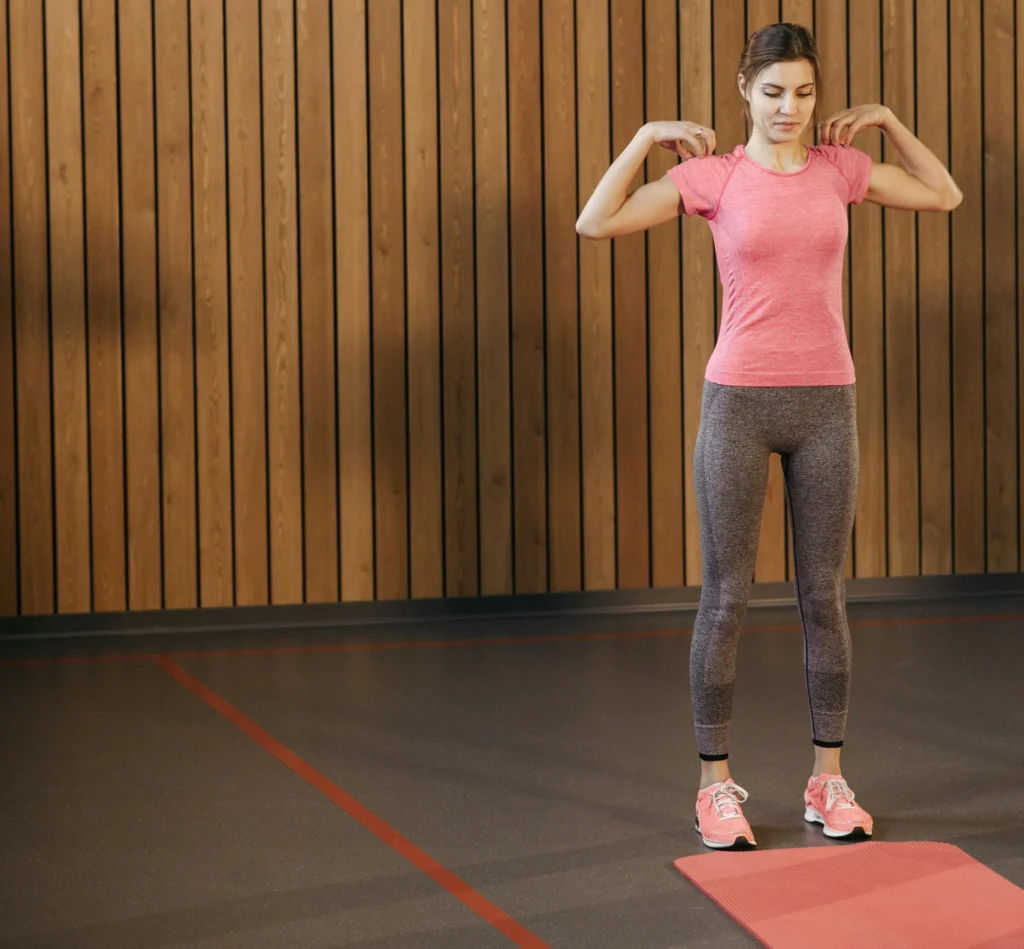
Movement is essential for healthy muscles.
Simple exercises can significantly reduce stiffness and improve circulation.
Recommended exercises:
- Shoulder rolls (forward and backward)
- Arm circles
- Scapular squeezes
Perform for 1 to 2 minutes every few hours.
Why it works:
- Enhances blood flow
- Reduces muscle stiffness
- Improves joint lubrication
Read more on : Manual Therapy for Neck Pain: A Physiotherapist’s Evidence Based Guide
7. Mindfulness and Body Awareness
A major issue in anxiety-related tension is unconscious muscle tightening.
Many people keep their shoulders elevated without realizing it.
Simple technique:
- Set hourly reminders
- Check if your shoulders are tense
- Consciously relax them
Clinical insight:
Awareness is the first step in breaking the tension cycle. Without it, muscles remain in a constant guarded state.
8. Magnesium Rich Diet

Magnesium plays a crucial role in muscle relaxation and nerve function.
Low magnesium levels are associated with increased muscle tension and stress.
Include in your diet:
- Spinach
- Almonds
- Bananas
- Pumpkin seeds
Physiotherapy perspective:
While not a standalone treatment, nutritional support enhances muscle recovery and relaxation.
Research shows magnesium supports neuromuscular function and reduces stress-related symptoms. (Nutrients Journal, 2024)
Read About: Best Sleeping Position for Neck Pain: A Physiotherapist’s Complete Guide
9. Sleep Position Correction
Sleep is when your muscles recover. Poor posture during sleep can maintain or worsen tension.
Best practices:
- Use a cervical support pillow
- Keep neck in neutral alignment
- Avoid sleeping on your stomach
Clinical insight:
Even 6 to 8 hours in a poor position can undo the benefits of exercises done during the day.
Read About: How to Choose the Right and Best Pillow for Neck Pain
10. Progressive Muscle Relaxation
This technique trains your body to differentiate between tension and relaxation.
How to do it:
- Tighten neck and shoulder muscles for 5 seconds
- Slowly relax for 10 seconds
- Repeat 5 to 10 times
Why it works:
- Reduces baseline muscle tension
- Improves nervous system regulation
- Enhances body awareness
Studies show progressive muscle relaxation significantly reduces anxiety and muscle tension. (Frontiers in Psychology, 2024)
Learn About: The Ultimate Neck Stretch Routine for Desk Workers in 2026
Red Flags You Should Not Ignore
Consult a professional if you experience:
- Pain radiating into arms
- Numbness or tingling
- Severe or worsening pain
- History of trauma
Also Read : Neck Cracking: Benefits, Risks, and the Truth About Stroke
Daily 5 Minute Routine for Relief
Morning
- Neck stretches for 2 minutes
- Deep breathing for 1 minute
Afternoon
- Shoulder rolls and posture reset
Evening
- Heat therapy
- Progressive muscle relaxation
Consistency is key for results.
Read: How to Fix Sagging,Ozempic Neck After Rapid Weight Loss
Physiotherapy Perspective on Long Term Recovery
Effective recovery involves:
- Combining physical therapy with relaxation techniques
- Addressing anxiety alongside physical symptoms
- Educating patients about pain mechanisms
Research shows combining cognitive behavioral therapy with physical treatment gives better outcomes. (MDPI Behavioral Sciences Study, 2024)
Pain neuroscience education improves movement and reduces fear. (MDPI Brain Sciences, 2025)
Read more: Is Cervical Traction For Neck Pain Really Effective
Frequently Asked Questions
1. Can anxiety really cause neck and shoulder tension?
Yes, anxiety activates the nervous system, which leads to continuous muscle contraction in the neck and shoulders.
2. What is the fastest way to relieve neck tension from anxiety?
Deep breathing, heat therapy, and gentle stretching can provide quick relief by relaxing muscles and calming the nervous system.
3. How long does anxiety related neck tension last?
It can last from a few hours to several weeks depending on stress levels and how well it is managed.
4. Is neck pain from anxiety dangerous?
No, it is not dangerous, but if ignored, it can become chronic and affect daily activities.
5. Can posture correction fix anxiety related neck pain?
No, posture alone is not enough. Managing stress and muscle tension is equally important.
6. Are home remedies enough for treatment?
In most mild cases, home remedies are effective. However, persistent or severe pain may require physiotherapy.
7. Can exercise help reduce tension?
Yes, regular movement improves circulation, reduces stiffness, and helps muscles relax.
8. When should I see a physiotherapist?
If pain lasts more than 2 to 3 weeks, worsens, or includes symptoms like numbness or tingling, professional help is recommended.
Read : Chiropractic for Neck Pain: Does It Really Work?
Conclusion
Shoulder and Neck pain from anxiety is not just a temporary discomfort.
It is a clear signal from your body that your nervous system is under constant strain.
As we have seen, this type of pain is not purely muscular or postural.
It is deeply connected to how your brain and body respond to stress.
From a physiotherapy perspective, the key to lasting relief is not focusing on just one solution.
Stretching alone, posture correction alone, or even rest alone will not fully resolve the problem.
The real improvement comes when you address both the physical tension and the underlying nervous system imbalance.
Also Read: Ultimate 6 Weeks Neck Rehabilitation Exercises For Pain Relief
Simple home remedies like diaphragmatic breathing, gentle stretching, heat therapy, and muscle relaxation techniques are highly effective when practiced consistently.
These approaches help calm the body, improve circulation, and gradually reduce muscle tightness.
At the same time, building awareness of your posture, movement habits, and stress levels plays a crucial role in preventing the tension from returning.
It is also important to understand that occasional tightness is normal, especially during stressful periods.
However, if ignored, it can become chronic and start affecting your daily life, sleep, and productivity.
The goal is not to completely eliminate stress, but to train your body to respond to it in a healthier way.
With the right combination of movement, relaxation, and awareness, your muscles can learn to stay relaxed even in stressful situations.
If your symptoms persist or worsen, seeking guidance from a physiotherapist can help you identify the root cause and follow a structured recovery plan.
Taking small, consistent steps every day is what ultimately leads to long term relief and better overall well being.
Stay tuned with us for more health related topics.
Follow us on LinkedIn and Instagram for more.
More Read




Medical Disclaimer!
This article has been reviewed and written under the guidance of our Head Physiotherapist, Dr. Kruti Raj (PT, MUHS,CPT,CMPT). The information shared is intended for educational purposes only and should not be considered a substitute for personalized medical advice, diagnosis, or treatment.
Please consult us or any other qualified healthcare professional before beginning any exercise program, especially if you are experiencing pain, recovering from injury, or managing a medical condition.