


The cervical spine is the upper part of the spine located in the neck. It consists of seven vertebrae labeled C1 to C7.
These vertebrae support the weight of the head, protect the spinal cord, and allow important movements such as bending, rotating, and tilting the head.
Because the cervical spine is highly mobile, it is also vulnerable to degeneration, injury, and nerve compression.
Over time, structures such as discs, ligaments, and joints can begin to wear down. This process may lead to conditions such as cervical spondylosis, disc degeneration, or cervical myelopathy.
Interestingly, cervical spine damage rarely begins suddenly. In most cases, the body provides subtle warning signs months or even years before serious neurological complications occur.
Degenerative changes in the cervical spine are extremely common with aging and may appear on imaging even before symptoms become obvious. Binder AI (2007)
Recognizing these early signs is important because early physiotherapy treatment can prevent worsening degeneration and reduce long term complications.
Read about our Complete Neck Pain Guide : Causes, Symptoms, Exercises and Treatment
Quick Answer: What Are the Early Signs of Cervical Spine Damage?
The early signs of cervical spine damage often develop gradually and may include persistent neck stiffness, recurring neck pain, headaches starting from the base of the skull, tingling or numbness in the arms or hands, reduced neck mobility, and occasional hand weakness or clumsiness.
Recognizing these warning signs early and seeking physiotherapy or medical evaluation can help prevent worsening spinal degeneration and long-term nerve damage.
Read about : 15 Common Causes of Neck Pain You Should Know
Why Early Detection of Cervical Spine Damage Matters
Many people assume neck pain is simply a normal part of aging or daily stress.
However, persistent neck symptoms may indicate early cervical spine damage.
If degeneration continues unchecked, cervical discs may bulge or collapse. Bone spurs may form and compress nearby nerves or even the spinal cord.
When spinal cord compression develops, the condition is known as cervical myelopathy.
This condition can affect arm strength, hand coordination, balance, and walking ability. Fehlings et al. (2017)
Early intervention can prevent neurological damage and improve long term outcomes.
Physiotherapy, posture correction, and targeted exercises often play a critical role in preventing progression.
Also read: How to Relieve Neck Tightness Without Equipment
Common Early Signs of Cervical Spine Damage

Persistent Neck Stiffness
One of the earliest symptoms many patients report is neck stiffness. This stiffness may be noticeable after long periods of sitting, working on a computer, or using a smartphone.
Typical symptoms include:
- Difficulty turning the head
- Tight neck muscles
- Reduced neck flexibility
- Stiffness after waking up
This stiffness often results from irritation of the cervical joints or early disc degeneration.
Cervical spondylosis frequently begins with mild neck stiffness before more severe symptoms appear. Physiopedia (2023)
Ignoring persistent stiffness may allow spinal joints to gradually lose mobility.
Read in detail about: What is Cervical Spondylosis? The Truth Behind Chronic Neck Pain
Recurring Neck Pain or Base of Skull Headaches
Another early indicator of cervical spine damage is repeated neck pain, often accompanied by headaches that begin at the base of the skull.
These headaches are commonly referred to as cervicogenic headaches. They occur when cervical joints and muscles send pain signals through nerves that also supply the head.
Patients often experience:
- Pain starting in the neck and spreading upward
- Headaches triggered by prolonged sitting
- Pain that worsens with neck movement
This type of headache is often mistaken for migraine or tension headache.
Read about : What is Cervical Facet Joint Pain, how it causes cervicogenic headaches and how to correct it naturally
Tingling or Numbness in the Arms or Hands
If cervical discs begin pressing on nerve roots, neurological symptoms may appear.
Common early nerve symptoms include:
- Tingling in the fingers
- Pins and needles in the arms
- Burning sensation in the shoulder or arm
- Numbness in the hands
This condition is known as cervical radiculopathy and occurs when spinal nerves become irritated or compressed. Thoomes EJ (2016)
Many people mistakenly believe these symptoms are caused by poor circulation or wrist problems when the source is actually the neck.
Read in detail about: Cervical Radiculopathy: Why Neck Nerve Pain Travels to the Arm
Hand Clumsiness or Weak Grip Strength
A lesser known early sign of cervical spinal cord involvement is reduced hand coordination.
Patients may notice:
- Dropping objects frequently
- Difficulty buttoning clothes
- Problems with handwriting
- Weak grip strength
These symptoms occur because spinal cord compression interferes with nerve signals controlling hand movements. Fehlings et al. (2017)
Subtle hand coordination problems may appear long before obvious weakness develops.
Read in detail about: Cervical Disc Degeneration: The Hidden Cause of your Neck Pain
Balance Problems or Unsteady Walking
Many patients are surprised to learn that cervical spine damage can affect walking.
The spinal cord carries signals from the brain to the legs. If the cord becomes compressed, balance and coordination may be affected.
Early symptoms may include:
- Feeling unsteady while walking
- Difficulty climbing stairs
- Loss of coordination
- Frequent tripping
Gait disturbance is considered an important clinical sign of cervical myelopathy. Orthobullets (2024)
This symptom should always be evaluated by a medical professional.
Read more: Cervical Myelopathy: The Hidden Neck Condition Affecting Your Walking
Reduced Neck Range of Motion
Loss of neck mobility is another subtle sign of cervical degeneration.
People may notice difficulty with:
- Turning the head while driving
- Looking up toward the ceiling
- Tilting the head sideways
Reduced mobility may result from disc dehydration, joint degeneration, or protective muscle tightness.
Over time, decreased mobility can increase strain on surrounding muscles and joints.
Read about: What Is Military Neck Or Cervical Kyphosis And How To Treat It
Electric Shock Sensation Down the Spine
A rare but important neurological symptom is an electric shock sensation that travels down the spine when bending the neck forward.
This phenomenon is known as Lhermitte’s sign.
It indicates irritation of the spinal cord and may occur in cervical spinal cord compression or other neurological disorders. Lhermitte J (1924)
Although not common, this symptom requires immediate medical attention.
Lesser Known Early Warning Signs

Many early neurological symptoms are subtle and often ignored.
Arm Fatigue During Simple Tasks
Nerve compression may cause muscles to fatigue faster than usual.
Patients may experience:
- Difficulty holding a phone
- Arm fatigue during typing
- Weakness while lifting light objects
These symptoms occur because nerve signals reaching the muscles are impaired.
Changes in Hand Sensation
Another overlooked symptom is altered hand sensation.
Patients sometimes report:
- Hands feeling different
- Reduced sensitivity to temperature
- Crawling sensations in the fingers
Changes in hand sensation and coordination are recognized indicators of degenerative cervical myelopathy. Davies BM et al. (2018)
Shoulder or Upper Back Tightness
Cervical spine dysfunction frequently causes muscle tension in the shoulders and upper back.
Patients often complain of:
- Tight trapezius muscles
- Pain around the shoulder blades
- Upper back stiffness
This occurs because cervical nerves supply several muscles in the shoulder region.
Read more: Cervical Vertigo Explained: Why Neck Pain Make You Feel Dizzy
Early Symptoms Self Check
Many early cervical spine problems develop gradually and are often ignored until symptoms become severe.
The following checklist can help identify whether your neck may be developing early cervical spine damage.
If you notice several of these symptoms regularly, it may be worth consulting a physiotherapist or doctor.
Also Read : Neck Cracking: Benefits, Risks, and the Truth About Stroke
Cervical Spine Early Warning Checklist
You may be experiencing early cervical spine stress if you notice:
- Neck stiffness that lasts for several days or weeks
- Difficulty turning your head fully while driving
- Frequent headaches starting at the base of the skull
- Tingling or numbness in the fingers or hands
- Pain spreading from the neck to the shoulder or arm
- Feeling that your arms get tired quickly during simple tasks
- Dropping objects more often than usual
- Trouble with fine hand movements such as buttoning clothes
- Feeling slightly unsteady while walking
- Tightness in the upper back or shoulder blades
If these symptoms appear frequently, early cervical degeneration or nerve irritation may be present.
Early physiotherapy assessment can help identify muscle imbalances, posture problems, and nerve irritation before significant spinal damage develops.
Read about: Cervical Ligament Injury or Neck Ligament Tear
Causes of Early Cervical Spine Damage
Cervical spine degeneration usually develops due to a combination of factors.
Poor Posture and Digital Device Use
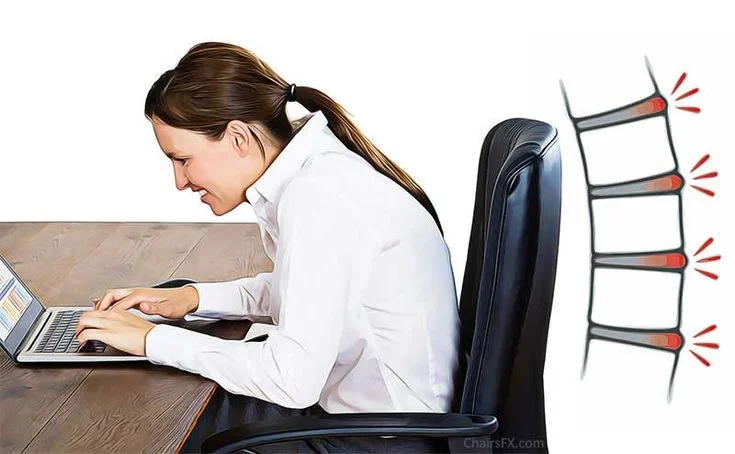
Modern lifestyles place heavy stress on the cervical spine.
Frequent smartphone use encourages forward head posture, sometimes called text neck.
This posture increases pressure on cervical discs and neck muscles.
Long term digital device use is increasingly associated with cervical spine disorders. Kumar S et al. (2024)
Read in detail: Neck Pain from Phone Use? Here’s How to Treat Text Neck Syndrome
Age Related Disc Degeneration
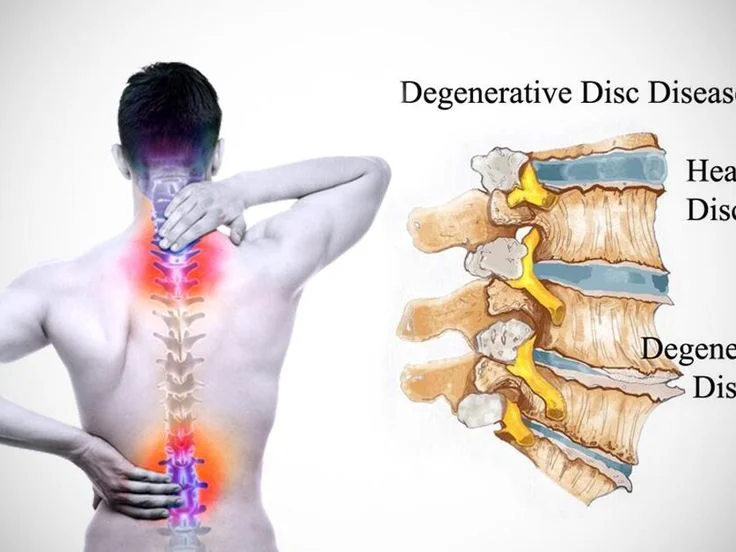
With age, cervical discs gradually lose water content and elasticity.
This leads to:
- reduced disc height
- reduced shock absorption
- formation of bone spurs
Degenerative cervical changes are extremely common in older adults. Cleveland Clinic (2024)
Read in detail: Physiotherapy for Cervical Disc Degeneration: What Actually Works
Repetitive Occupational Strain

Certain occupations increase the risk of cervical spine problems, including:
- computer based work
- dentistry
- driving
- tailoring
- prolonged desk jobs
Repetitive neck positions can lead to micro trauma in cervical structures.
Read about: How To Get Rid Of Neck Pain in Dentists
Previous Neck Injuries

Whiplash injuries from car accidents or sports can contribute to early cervical degeneration.
Even if symptoms resolve initially, structural damage may appear years later.
Read in detail: Whiplash Injury After An Accident? Here’s Treatment And Expert Rehab Guide
Why Cervical Spine Problems Are Increasing in Younger Adults
Cervical spine disorders were once considered primarily an age related condition.
However, modern research shows that neck problems are increasingly affecting younger adults.
One major reason is the dramatic increase in screen time and smartphone usage.
Forward head posture, commonly called text neck, significantly increases stress on the cervical spine.
When the head tilts forward during phone use, the load on the neck muscles and discs increases several times compared to normal posture.
Long periods of computer work, gaming, and mobile phone use also reduce movement in the cervical spine. Reduced movement can weaken neck stabilizing muscles and increase joint stiffness.
Recent research highlights how modern digital lifestyles contribute to cervical degeneration and neck pain in younger populations. Kumar S et al. (2024)
Adopting healthy habits such as maintaining proper posture, taking frequent movement breaks, and performing neck strengthening exercises can help protect the cervical spine even in technology heavy environments.
Also Read: Ultimate 6 Weeks Neck Rehabilitation Exercises For Pain Relief
How Doctors Diagnose Cervical Spine Damage
Diagnosing cervical spine damage involves a combination of clinical examination, neurological testing, and imaging studies.
Early diagnosis is important because it allows treatment to begin before permanent nerve damage develops.
Doctors and physiotherapists typically start with a detailed medical history and physical examination to evaluate neck mobility, nerve function, and muscle strength.
Physical Examination
During a clinical examination, healthcare providers assess:
- Neck range of motion
- Muscle strength in the arms and hands
- Reflex responses
- Sensation in the fingers and arms
- Coordination and balance
Special clinical tests may also be performed to detect nerve compression or spinal cord involvement.
One commonly used test is the Spurling test, which helps identify cervical nerve root compression by gently applying pressure to the head while the neck is tilted. Thoomes EJ (2016)
Magnetic Resonance Imaging (MRI)
Magnetic resonance imaging is the most commonly used imaging test to evaluate cervical spine damage.
MRI scans can show:
- Disc degeneration
- Herniated discs
- Spinal cord compression
- Nerve root compression
- Ligament damage
MRI is particularly useful for diagnosing conditions such as cervical radiculopathy and cervical myelopathy. Fehlings et al. (2017)
X Rays
X rays are often used as an initial imaging test to evaluate spinal alignment and structural changes.
They can help detect:
- Bone spurs
- Reduced disc height
- Spinal instability
- Degenerative joint changes
Although X rays do not show soft tissues such as discs or nerves, they can reveal important structural abnormalities. Cleveland Clinic (2024)
CT Scan
Computed tomography scans provide detailed images of the bones in the cervical spine.
Doctors may recommend CT scans when:
- fractures are suspected
- complex spinal abnormalities are present
- MRI is not possible
CT imaging is particularly useful for evaluating bone spurs and spinal canal narrowing.
Nerve Conduction Studies
In some cases, doctors may order nerve conduction studies or electromyography tests to evaluate nerve function.
These tests help determine whether symptoms such as numbness or weakness are caused by cervical nerve compression or another neurological condition.
Read about: Yoga for Neck Pain: Poses That Actually Work
Why Early Diagnosis Is Important
Early diagnosis allows treatment to begin before severe nerve damage develops.
Many cervical spine conditions respond well to conservative treatment when detected early, including:
- physiotherapy
- posture correction
- strengthening exercises
- ergonomic modifications
Ignoring symptoms for long periods may allow nerve compression or spinal cord damage to progress, which can make treatment more complex.
Read about: Effective Neck Pain Exercises At Home: A Complete Guide to Relief and Improved Mobility
Physiotherapy Management of Early Cervical Spine Damage
Physiotherapy is often the first line of treatment for cervical spine disorders.
Evidence based rehabilitation programs focus on restoring movement, reducing pain, and improving spinal stability.
Exercise therapy and manual therapy are effective interventions for cervical radiculopathy and neck pain. Gross AR et al. (2015)
Postural Correction
Read more: Simple Posture Correction Exercises for Forward Head Posture
Patients are taught proper neck alignment during daily activities such as computer use and mobile phone use.
Improving posture reduces excessive load on cervical discs.
Cervical Stabilization Exercises
Read about: The Most Effective McKenzie Exercises For Neck Pain
Deep neck muscles play an important role in stabilizing the cervical spine.
Strengthening these muscles improves spinal support and reduces strain.
Manual Therapy
Read more on : Manual Therapy for Neck Pain: A Physiotherapist’s Evidence Based Guide
Physiotherapists may use techniques such as joint mobilization and soft tissue release to reduce stiffness and improve mobility.
Ergonomic Advice
Read in detail: Best Desk Setup to Reduce Neck and Back Pain
Patients receive practical advice regarding:
- workstation setup
- sleeping posture
- pillow selection
- break routines
Lifestyle adjustments are essential for long term cervical health.
Read About: How to Choose the Right and Best Pillow for Neck Pain
When to Seek Medical or Physiotherapy Evaluation
Medical evaluation is recommended if symptoms include:
- neck pain lasting more than two weeks
- numbness in the arms or hands
- difficulty using the hands
- balance problems
- persistent headaches originating from the neck
Early diagnosis can prevent irreversible nerve damage.
Read about: What Is Cervical Myofascial Pain Syndrome And How To Relieve Trigger Points
Red Flag Symptoms
While many cervical spine problems can be treated conservatively, some symptoms require urgent medical evaluation because they may indicate spinal cord compression or severe nerve damage.
Seek immediate medical care if you experience:
- Sudden weakness in the arms or hands
- Difficulty walking or severe balance problems
- Loss of coordination in the hands
- Progressive numbness in both arms or legs
- Loss of bladder or bowel control
- Severe neck pain following an injury or accident
- Electric shock sensation down the spine when bending the neck forward
These symptoms may indicate advanced cervical myelopathy or serious spinal cord compression and require prompt medical investigation.
Early diagnosis significantly improves treatment outcomes. Fehlings et al. (2017)
Read in detail about: How to Fix Upper Crossed Syndrome Naturally
Frequently Asked Questions
1. What are the earliest signs of cervical spine damage?
The earliest signs include neck stiffness, mild neck pain, headaches starting from the base of the skull, and tingling in the arms or hands.
2. Can cervical spine damage occur without neck pain?
Yes. Some people develop symptoms such as numbness in the hands, coordination problems, or balance issues even without noticeable neck pain.
3. Is cervical spine degeneration reversible?
Degenerative changes cannot always be reversed, but physiotherapy and lifestyle modifications can significantly slow progression and reduce symptoms.
4. How is cervical spine damage diagnosed?
Diagnosis usually involves physical examination, neurological tests, and imaging studies such as MRI, CT scan, or X ray.
5. Can poor posture cause cervical spine damage?
Yes. Long term poor posture, especially forward head posture during smartphone or computer use, increases pressure on cervical discs and joints.
6. What exercises help prevent cervical spine problems?
Exercises that strengthen deep neck muscles and upper back muscles while improving posture can help prevent cervical spine degeneration.
7. When should I see a physiotherapist for neck pain?
If neck pain lasts longer than two weeks or is accompanied by numbness, weakness, or headaches, professional evaluation is recommended.
Key Takeaways
- Cervical spine damage usually develops gradually and often begins with subtle symptoms.
- Early warning signs include neck stiffness, recurring neck pain, headaches from the base of the skull, and reduced neck mobility.
- Tingling, numbness, or weakness in the arms and hands may indicate cervical nerve compression.
- Hand clumsiness, dropping objects, or balance problems may signal early spinal cord involvement.
- Poor posture, prolonged screen use, aging, and repetitive strain are major contributors to cervical spine degeneration.
- Early physiotherapy intervention can reduce pain, improve posture, and prevent progression of cervical spine damage.
- Maintaining proper ergonomics, strengthening neck muscles, and limiting prolonged device use are key preventive strategies.
Read more: Is Cervical Traction For Neck Pain Really Effective
Stay tuned with us for more health related topics.
Follow us on LinkedIn and Instagram for more.
More Read


Medical Disclaimer!
This article has been reviewed and written under the guidance of our Head Physiotherapist, Dr. Kruti Raj (PT, MUHS,CPT,CMPT). The information shared is intended for educational purposes only and should not be considered a substitute for personalized medical advice, diagnosis, or treatment.
Please consult us or any other qualified healthcare professional before beginning any exercise program, especially if you are experiencing pain, recovering from injury, or managing a medical condition.


