
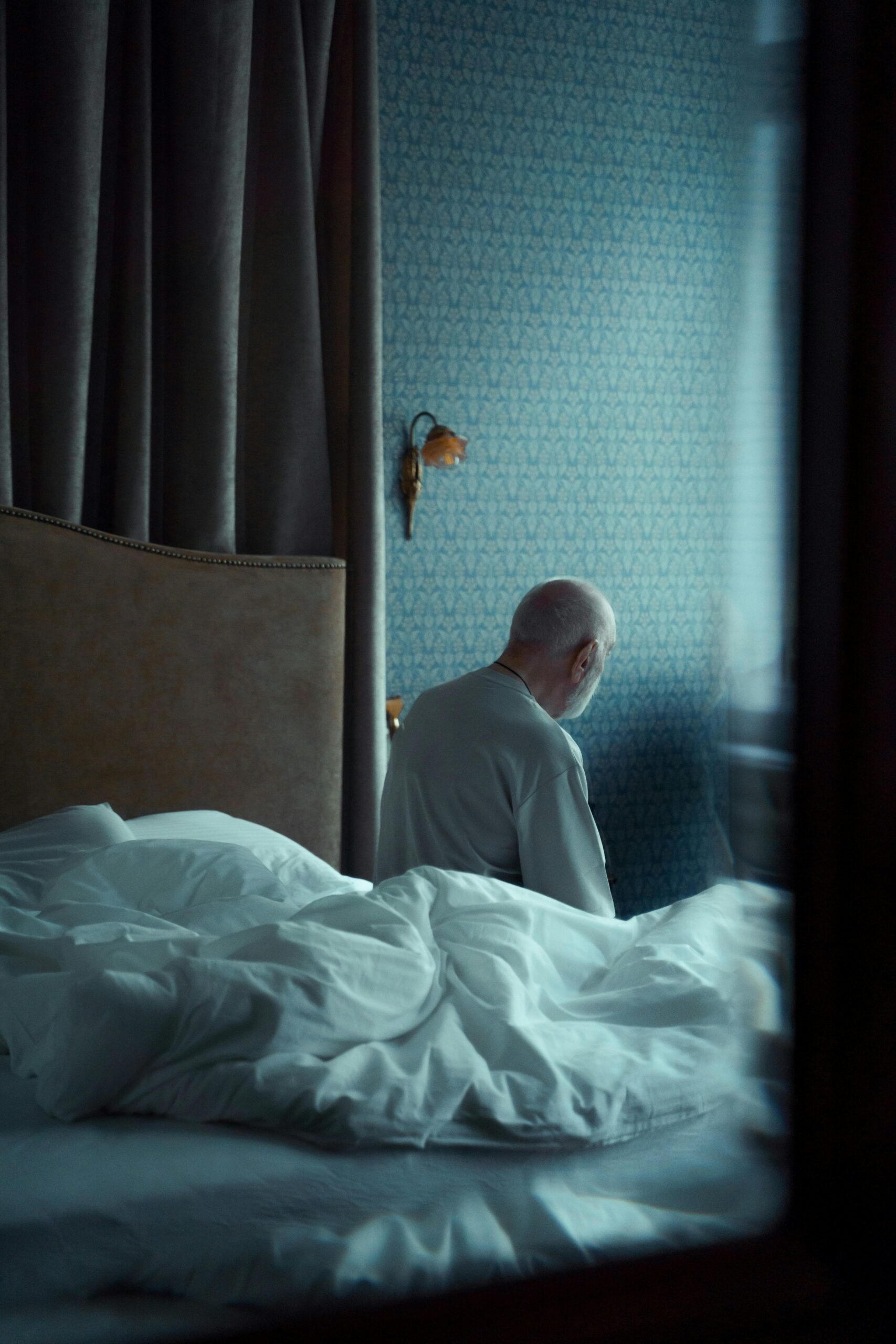

Understanding Sleep Disruption in Cancer Patients: Causes, Effects, and Solutions
Sleep is a cornerstone of health, yet for many cancer patients, restful sleep feels impossible to achieve. Studies show that up to 80% of cancer patients experience sleep disturbances, significantly impacting their recovery and overall well-being. While fatigue is a well-known symptom of cancer, the underlying sleep issues—ranging from insomnia to restless leg syndrome—are often overlooked.
This article explores the causes of sleep disruption in cancer patients, its impact on health, and the latest research-backed solutions to improve sleep quality.
Why Cancer Patients Struggle with Sleep
Sleep disruption in cancer patients stems from multiple factors, including physiological changes, treatment side effects, and emotional distress. Understanding these triggers is crucial in finding effective ways to manage them.
Treatment Side Effects and Sleep Disruption
Cancer treatments, including chemotherapy, radiation, and immunotherapy, can significantly alter sleep patterns. Medications such as steroids, often prescribed to manage inflammation and nausea, can cause hyperactivity and difficulty falling asleep. Additionally, chemotherapy-induced neuropathy can lead to chronic pain or restless legs syndrome, both of which make it challenging to rest.
A study published in the Journal of Clinical Sleep Medicine (2023) found that over 60% of patients undergoing chemotherapy reported severe sleep disturbances. Radiation therapy also contributes to fatigue-related sleep issues by causing disruptions in circadian rhythms, the body’s internal clock that regulates sleep-wake cycles.
Pain and Sleep Deprivation
Chronic pain is a major barrier to restful sleep for cancer patients. Bone metastases, tumor pressure, and nerve damage frequently lead to persistent pain that worsens at night, making it difficult to fall and stay asleep. Pain relievers, such as opioids, can provide relief but may also contribute to sleep apnea and daytime drowsiness, complicating the issue further.
Research in the Journal of Pain Research (2024) found that pain-related sleep disturbances in cancer patients were strongly linked to increased levels of inflammation, which in turn worsened both pain and fatigue, creating a vicious cycle.
Psychological Factors: Anxiety and Depression
A cancer diagnosis brings emotional turmoil, with anxiety and depression being common in patients. The stress of living with cancer, undergoing treatment, and facing uncertainty can cause racing thoughts at bedtime, leading to insomnia. According to a 2023 study in the Journal of Psycho-Oncology, nearly 70% of cancer patients with sleep issues also exhibited symptoms of anxiety or depression.
The Impact of Poor Sleep on Cancer Recovery
Weakened Immune Function
Adequate sleep is essential for immune system regulation. Cancer patients already face compromised immune function, and sleep deprivation can further weaken their ability to fight infections and recover from treatments. Studies have shown that poor sleep is associated with increased inflammation and reduced natural killer cell activity, which play a crucial role in fighting cancer cells.
Increased Fatigue and Cognitive Impairment
Cancer-related fatigue is already a burden, and poor sleep worsens it. Sleep deprivation leads to brain fog, memory issues, and decreased focus, making daily tasks more difficult. In a 2024 study in Neuro-Oncology Reports, researchers found that sleep-impaired cancer patients performed 30% worse on cognitive tests compared to those with adequate rest.
Higher Risk of Mental Health Disorders
Sleep and mental health are deeply connected. When sleep is disrupted, the risk of depression and anxiety rises. This creates a cycle where poor sleep exacerbates emotional distress, which in turn makes sleep even more elusive. Addressing sleep problems early can improve overall mental well-being and resilience during cancer treatment.
Research-Backed Strategies to Improve Sleep in Cancer Patients
Cognitive Behavioral Therapy for Insomnia (CBT-I)
CBT-I is considered the gold standard for treating insomnia, including in cancer patients. This structured, evidence-based therapy helps patients change negative thoughts and behaviors that interfere with sleep. A 2023 meta-analysis in The Lancet Oncology found that CBT-I significantly improved sleep quality in cancer patients, with effects lasting beyond the treatment period.
Medication and Non-Pharmacological Approaches
While sleep medications can offer temporary relief, they are not a long-term solution due to dependency risks. Instead, physicians often recommend:
- Melatonin supplements: Beneficial for regulating circadian rhythms disrupted by treatment.
- Magnesium and herbal remedies: Some patients find relief from supplements like valerian root and magnesium, which promote relaxation.
- Acupuncture: A study in Integrative Cancer Therapies (2024) found that acupuncture improved sleep duration and quality in 60% of participants.
Exercise and Mindfulness Techniques
Regular physical activity helps improve sleep quality, even in cancer patients with fatigue. Low-impact exercises like yoga, stretching, and tai chi have been shown to promote relaxation and enhance sleep.
Mindfulness-based stress reduction (MBSR) programs, including meditation and deep-breathing exercises, have also been found effective. A 2023 study in Psycho-Oncology found that patients practicing mindfulness meditation experienced a 40% reduction in sleep latency (the time it takes to fall asleep).
Creating the right sleep environment
Creating the right sleep environment can make a world of difference. Simple changes like keeping the bedroom cool, dark, and quiet can help signal to the body that it’s time to rest. Sticking to a consistent bedtime routine also trains the brain to wind down at the same time each night. Cutting back on screen time at least an hour before bed is another game-changer, as blue light from phones and tablets can mess with melatonin production. And of course, avoiding caffeine and heavy meals late at night can prevent those restless, uncomfortable nights.
The Future of Sleep Management in Cancer Care
As we learn more about how sleep affects cancer recovery, exciting new approaches are emerging. Wearable sleep trackers, for instance, allow doctors to monitor real-time sleep patterns and customize treatments based on individual needs. Telemedicine is also changing the game—more patients can now access cognitive behavioral therapy for insomnia (CBT-I) from the comfort of home. And then there’s pharmacogenomics, a growing field of research that looks at how a person’s genetics influence their response to sleep medications. The goal? More targeted, effective treatments with fewer side effects.
Final Thoughts
Sleep problems in cancer patients are common, but they’re not something you just have to live with. Addressing them early can strengthen the immune system, boost energy levels, and improve overall well-being. By combining practical lifestyle changes, evidence-based therapies, and emerging innovations, patients can reclaim restful nights and better support their recovery. With ongoing research, the future of sleep care in cancer treatment is looking brighter than ever.
Also Read About : Eight Powerful Foods That May Help Fight Cancer
Visit Us At : https://g.co/kgs/rTqAjgt


