


Neck pain is one of the most common musculoskeletal complaints seen in physiotherapy clinics worldwide. It affects office workers, students, healthcare professionals, and even athletes.
Long hours of computer work, smartphone use, poor posture, and stress contribute to increasing cervical spine problems.
The cervical spine is a complex structure consisting of vertebrae, joints, muscles, ligaments, and nerves.
When any of these structures become irritated or restricted, symptoms such as pain, stiffness, headaches, and reduced mobility may occur.
Manual therapy is one of the most commonly used physiotherapy treatments for neck pain.
It involves skilled hands on techniques performed by trained physiotherapists to restore normal joint movement, reduce muscle tension, and improve spinal function.
Research shows that manual therapy can significantly improve pain intensity, neck mobility, and functional ability when used as part of a comprehensive rehabilitation program. (Reynolds et al. 2024)
Read about our Complete Neck Pain Guide : Causes, Symptoms, Exercises and Treatment
Quick Answer
Manual therapy for neck pain is a hands-on physiotherapy treatment that uses techniques such as joint mobilization, spinal manipulation, soft tissue release, and myofascial therapy to reduce pain and improve cervical spine mobility. When combined with exercises and posture correction, manual therapy can significantly reduce neck pain and improve function.
Read about: Is Cervical Traction For Neck Pain Really Effective
Key Takeaways
- Manual therapy is a hands-on physiotherapy treatment for neck pain.
- It improves cervical joint mobility and reduces muscle tension.
- Common techniques include joint mobilization, spinal manipulation, and soft tissue therapy.
- Manual therapy works best when combined with exercise therapy.
- Early physiotherapy intervention can prevent chronic neck pain.
Read about: The Most Effective McKenzie Exercises For Neck Pain
The Global Burden of Neck Pain
Neck pain is considered one of the leading causes of disability related to musculoskeletal disorders worldwide.
Global epidemiological studies estimate that approximately 27 cases of neck pain occur per 1000 individuals each year, making it a major public health concern. Safiri et al. (2020)
Another important finding from research is that 50 to 85 percent of individuals who experience acute neck pain may develop persistent or recurrent symptoms.
This highlights the importance of early physiotherapy intervention and appropriate treatment strategies. Fejer et al. (2006)
Read about : 15 Common Causes of Neck Pain You Should Know
What Is Manual Therapy?
Manual therapy refers to a group of specialized hands on techniques used by physiotherapists to treat musculoskeletal conditions.
In the context of neck pain, manual therapy aims to:
- improve cervical joint mobility
- reduce muscle tension
- restore normal movement patterns
- decrease pain sensitivity
- improve circulation to injured tissues
Rather than focusing only on symptom relief, physiotherapists use manual therapy to address the underlying biomechanical and neuromuscular causes of neck pain.
Modern physiotherapy integrates manual therapy with therapeutic exercise, education, and ergonomic correction to achieve long term recovery.
Read about: The Best Physiotherapy Exercises for Cervical Spondylosis Relief
Best Manual Therapy Techniques for Neck Pain
Physiotherapists use several hands-on techniques to treat neck pain and restore normal cervical spine function. The most commonly used manual therapy techniques include the following.
Cervical Joint Mobilization

Cervical joint mobilization involves slow, controlled movements applied to the joints of the neck.
These gentle oscillatory techniques help improve joint mobility, reduce stiffness, and decrease pain.
Mobilization is particularly useful for patients with mechanical neck pain, postural neck pain, or stiffness after prolonged desk work.
Clinical studies show that cervical mobilization can improve neck range of motion and reduce pain intensity in patients with non-specific neck pain.
Cervical Spinal Manipulation

Cervical spinal manipulation is a high-velocity, low-amplitude thrust applied to a specific cervical joint.
This technique can quickly restore joint movement and reduce muscle tension.
Patients sometimes hear a small popping sound during manipulation, which occurs due to gas release inside the joint.
Although manipulation can provide rapid pain relief, it should only be performed by trained professionals after proper assessment.
Soft Tissue Mobilization
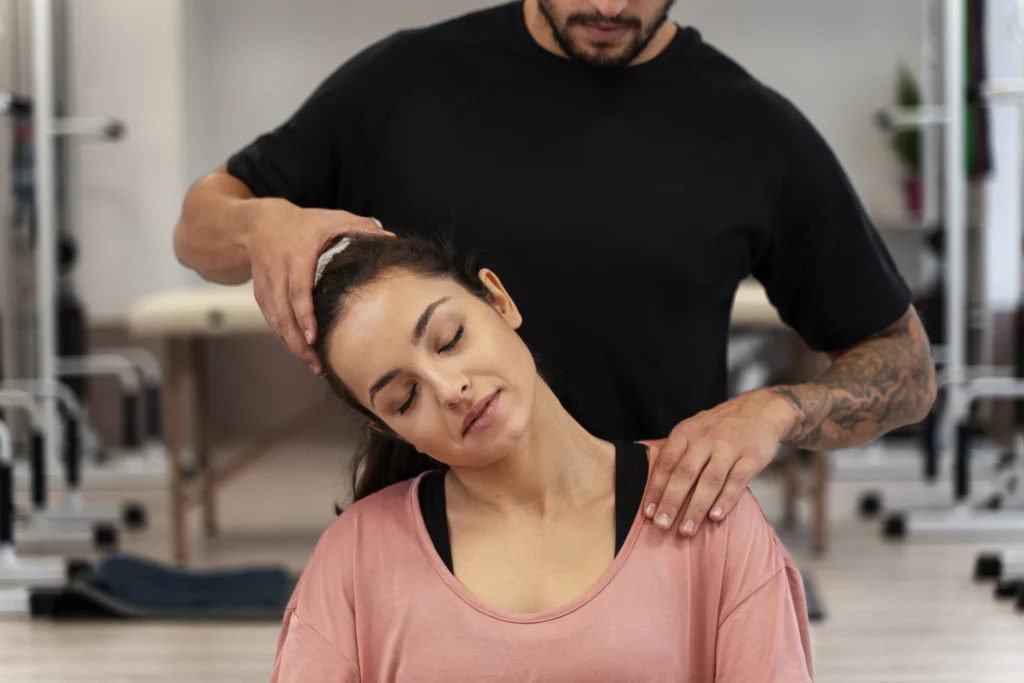
Soft tissue techniques target the muscles and connective tissues surrounding the neck.
These techniques include:
- myofascial release
- deep tissue massage
- trigger point therapy
They help reduce muscle tightness, improve blood circulation, and relieve tension in muscles such as the upper trapezius, levator scapulae, and sternocleidomastoid.
Soft tissue therapy is particularly beneficial for patients with muscle-related neck pain caused by poor posture or stress.
Read about: What Is Cervical Myofascial Pain Syndrome And How To Relieve Trigger Points
Thoracic Spine Manipulation
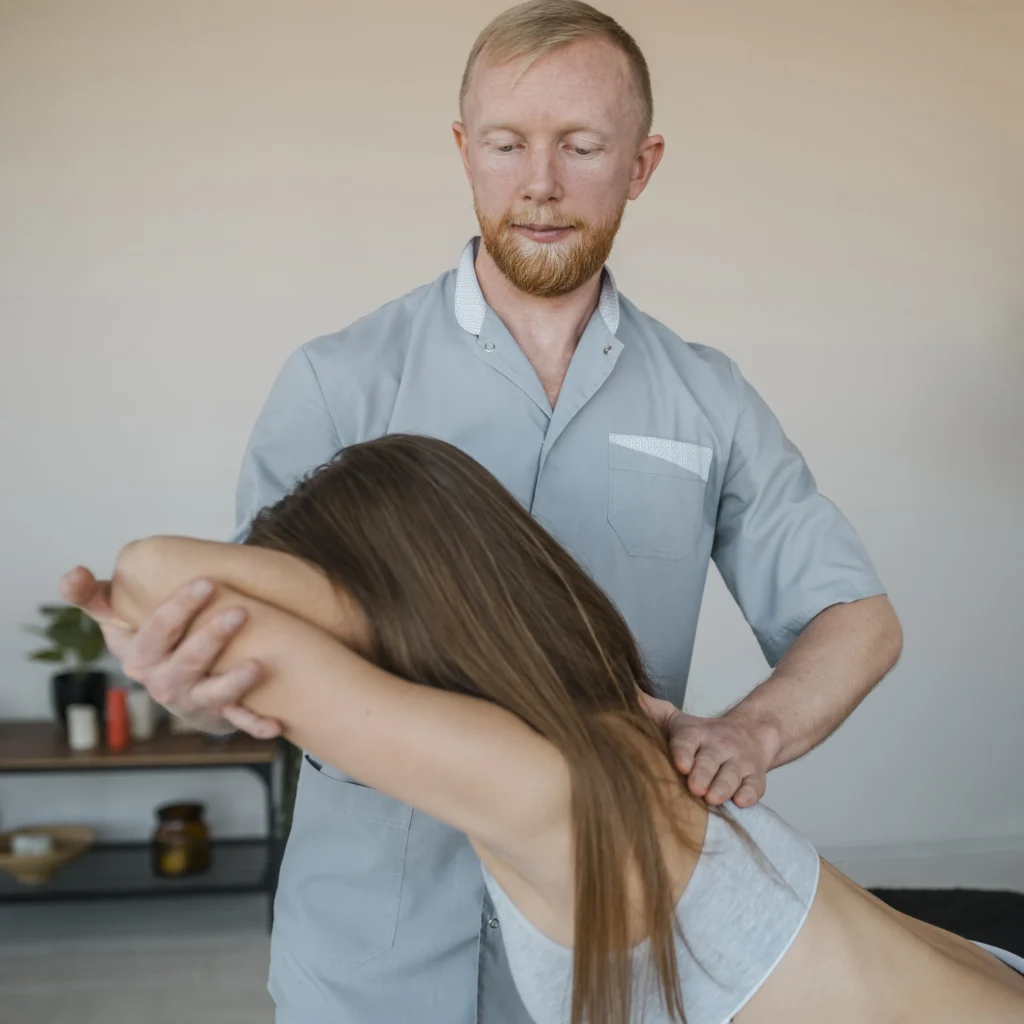
An often overlooked but highly effective treatment approach involves treating the thoracic spine, or upper back.
Stiffness in the thoracic region can increase mechanical stress on the cervical spine.
By improving mobility in the upper back, physiotherapists can reduce strain on the neck.
Research suggests that thoracic spine manipulation can significantly improve neck pain and cervical mobility.
Neural Mobilization

When neck pain is associated with nerve irritation or radiating symptoms into the arm, physiotherapists may use neural mobilization techniques.
These gentle movements help restore normal mobility of the nerves and reduce nerve sensitivity.
Neural mobilization is commonly used in conditions such as cervical radiculopathy.
Read in detail about: What is Cervical Spondylosis? The Truth Behind Chronic Neck Pain
Why Physiotherapists Combine Multiple Techniques
In clinical practice, physiotherapists rarely rely on a single manual therapy technique.
Instead, treatment usually involves a combination of joint mobilization, soft tissue therapy, and therapeutic exercises.
Research consistently shows that multimodal physiotherapy approaches produce the best outcomes for neck pain management.
Read in detail: Whiplash Injury After An Accident? Here’s Treatment And Expert Rehab Guide
Why Manual Therapy Works
Manual therapy produces both mechanical and neurological effects.
Pain Modulation
Manual therapy stimulates sensory receptors located in muscles and joints. These signals can reduce pain perception within the nervous system.
Improved Joint Mechanics
Restricted cervical joints can overload surrounding muscles. Restoring joint mobility reduces mechanical stress.
Muscle Relaxation
Hands on therapy helps decrease muscle guarding and improve flexibility.
Improved Circulation
Manual techniques increase blood flow to affected tissues, supporting healing and reducing inflammation.
Read about: Neck Pain from Weightlifting- Exercises That Actually Help
Evidence From Clinical Research
Numerous clinical studies support the use of manual therapy for neck pain.
A systematic review found that manual therapy techniques can significantly reduce neck pain intensity and disability scores in patients with chronic neck pain. Gross et al. (2015)
Another large meta analysis of randomized controlled trials reported that multimodal physiotherapy programs including manual therapy produce the best outcomes for neck pain rehabilitation. Gong et al. (2025)
These findings support the use of manual therapy as part of a comprehensive physiotherapy treatment plan.
Read about: Effective Neck Pain Exercises At Home: A Complete Guide to Relief and Improved Mobility
Common Causes of Neck Pain That Respond Well to Manual Therapy
Manual therapy is particularly effective for certain types of neck pain.
Mechanical Neck Pain
This is the most common form of neck pain and is usually caused by joint stiffness, muscle tightness, or prolonged poor posture.
Manual therapy can restore joint movement and relieve muscle tension.
Read in detail about: How to Fix Upper Crossed Syndrome Naturally
Cervicogenic Headaches
These headaches originate from dysfunction in the cervical spine.
Manual therapy targeting the upper cervical joints can significantly reduce headache frequency and intensity.
Read about : What is Cervical Facet Joint Pain, how it causes cervicogenic headaches and how to correct it naturally
Cervical Radiculopathy
This condition occurs when cervical nerve roots become compressed or irritated.
Manual therapy combined with specific exercises can help reduce nerve irritation and improve mobility.
Read in detail about: Cervical Radiculopathy: Why Neck Nerve Pain Travels to the Arm
Postural Neck Pain
Forward head posture from prolonged smartphone or computer use places excessive strain on the cervical spine.
Manual therapy helps restore mobility while corrective exercises address the underlying postural problem.
Read in detail: Neck Pain from Phone Use? Here’s How to Treat Text Neck Syndrome
How Physiotherapists Diagnose Neck Pain
Before starting manual therapy, physiotherapists perform a detailed clinical assessment to identify the underlying cause of neck pain.
The evaluation typically includes several components.
Postural Assessment
Poor posture is a major contributor to neck pain, especially in people who spend long hours working on computers or using smartphones.
Physiotherapists assess:
- forward head posture
- rounded shoulders
- thoracic spine stiffness
- workstation ergonomics
Postural correction is often a key part of treatment.
Cervical Range of Motion Testing
The physiotherapist evaluates neck movement in different directions including:
- flexion
- extension
- rotation
- side bending
Restricted movement often indicates joint stiffness or muscle tightness.
Palpation of Muscles and Joints
Hands-on examination helps identify:
- muscle trigger points
- joint tenderness
- areas of muscle spasm
- fascial tightness
These findings guide manual therapy techniques.
Neurological Examination
If symptoms include arm pain, tingling, or numbness, the physiotherapist may perform tests to assess nerve involvement.
These tests help identify conditions such as:
- cervical radiculopathy
- nerve compression
- disc irritation
Functional Movement Assessment
Patients are also assessed during everyday movements such as sitting, reaching, or lifting.
This helps identify faulty movement patterns contributing to neck pain.
Also read: How to Relieve Neck Tightness Without Equipment
Manual Therapy vs Chiropractic Treatment for Neck Pain
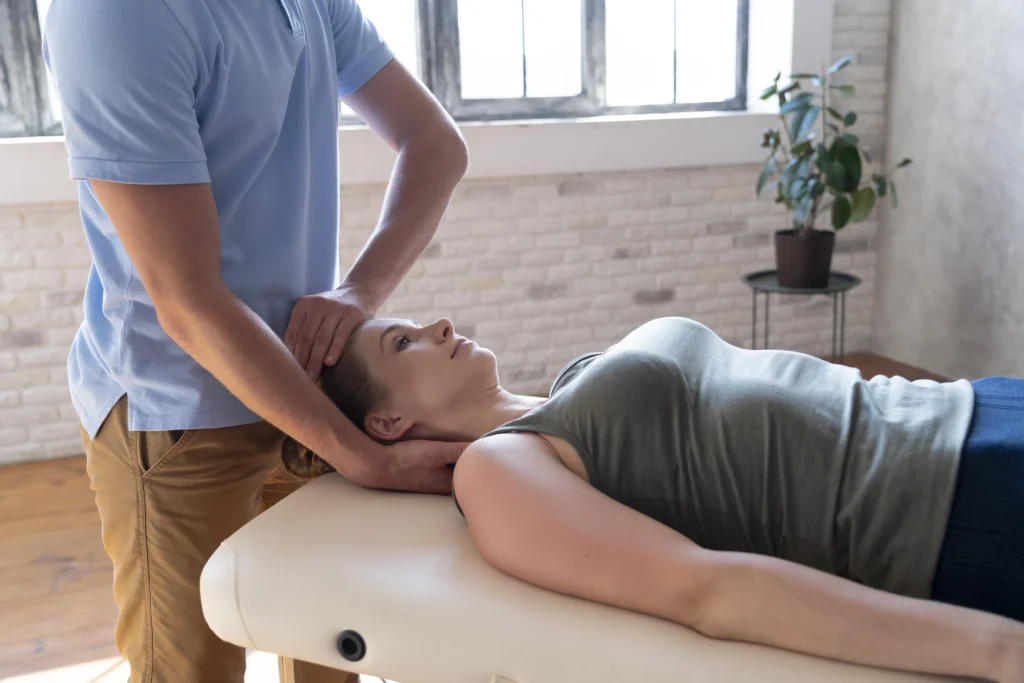
Many patients are confused about the difference between manual therapy performed by physiotherapists and chiropractic treatment.
While both approaches involve hands on techniques, their treatment philosophies and clinical approaches can differ.
Physiotherapists typically use manual therapy as part of a comprehensive rehabilitation program that includes exercise therapy, posture correction, and patient education.
The goal is to restore normal movement, improve muscle function, and prevent recurrence of neck pain.
Chiropractic care often focuses primarily on spinal manipulation, particularly high velocity adjustments intended to improve spinal alignment.
From a clinical perspective, physiotherapists may use a broader range of techniques such as:
- joint mobilization
- soft tissue release
- myofascial therapy
- neural mobilization
- therapeutic exercise programs
Research suggests that both spinal manipulation and joint mobilization can reduce neck pain and improve functional outcomes. Bronfort et al. (2012)
However, current clinical guidelines emphasize multimodal treatment approaches that combine manual therapy with exercise therapy.
This approach forms a core principle of physiotherapy rehabilitation and has been shown to improve long term outcomes in patients with neck pain. Gross et al. (2015)
Patients should always seek treatment from qualified healthcare professionals trained in cervical spine assessment and treatment.
Read more: Cervical Vertigo Explained: Why Neck Pain Make You Feel Dizzy
Red Flags That Require Medical Attention
Although most cases of neck pain are mechanical and respond well to physiotherapy, certain symptoms may indicate serious medical conditions that require urgent medical evaluation.
These warning signs are known as red flags.
Seek immediate medical attention if neck pain is accompanied by:
- severe trauma such as a car accident or fall
- unexplained weight loss
- persistent night pain
- fever or signs of infection
- progressive neurological symptoms
- numbness or weakness in both arms or legs
- difficulty with balance or coordination
- problems with bladder or bowel control
These symptoms may indicate conditions such as spinal fracture, infection, tumor, or significant nerve compression.
Clinical guidelines emphasize the importance of screening for these red flags during musculoskeletal assessment. Blanpied et al. (2017)
Physiotherapists are trained to identify these warning signs before starting manual therapy or any other treatment.
Early identification of serious conditions ensures patients receive appropriate medical care without delay.
Learn About: The Ultimate Neck Stretch Routine for Desk Workers in 2026
Home Exercises After Manual Therapy
Manual therapy can reduce pain and restore joint mobility, but maintaining these improvements requires regular exercises.
Physiotherapists often prescribe exercises that strengthen the cervical stabilizing muscles and improve posture.
Deep Neck Flexor Activation
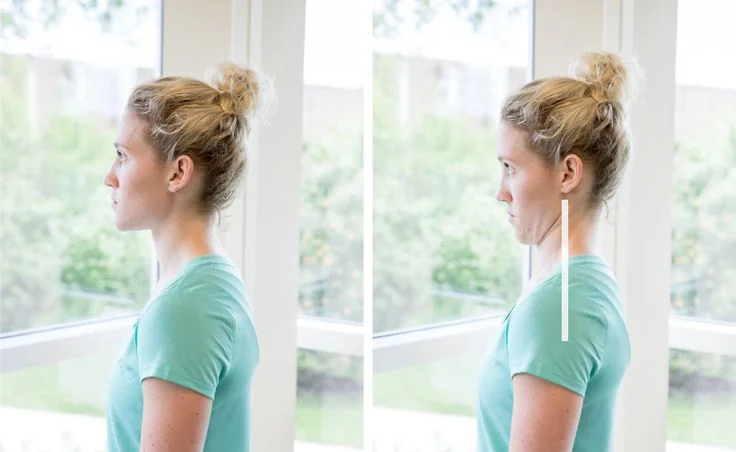
The deep neck flexor muscles help stabilize the cervical spine and support proper head posture.
A simple exercise involves gently tucking the chin while lying on the back and holding the position for several seconds.
Research shows that strengthening the deep cervical flexor muscles significantly reduces neck pain and improves functional outcomes. Jull et al. (2002)
Scapular Stabilization Exercises

Weak shoulder blade muscles increase strain on the cervical spine.
Exercises such as:
- scapular retractions
- wall slides
- resistance band rows
can improve upper back strength and reduce cervical stress.
Strengthening scapular stabilizers has been shown to improve posture and reduce neck pain intensity. Ludewig and Reynolds (2009)
Cervical Range of Motion Exercises
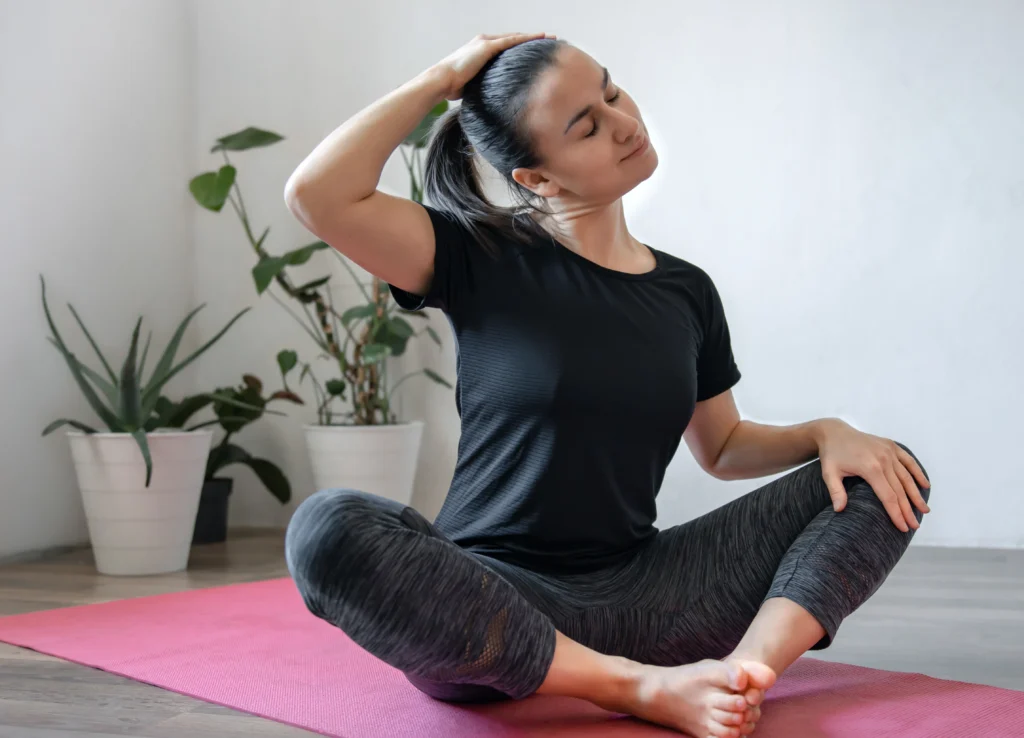
Gentle movement exercises help maintain flexibility and prevent stiffness.
These may include:
- slow neck rotations
- side bending stretches
- controlled flexion and extension movements
These exercises should always be performed within a comfortable range.
Maintaining cervical mobility helps prevent recurrence of neck pain and improves daily functional activities. Gross et al. (2015)
Postural Correction Exercises
Postural training is essential for preventing recurrent neck pain.
Exercises that strengthen the upper back and stretch tight chest muscles help maintain proper spinal alignment.
Research shows that combining manual therapy with therapeutic exercises produces greater improvements in pain and disability compared with passive treatments alone. Bronfort et al. (2012)
Learn how posture affects neck pain and correction exercises in our article on Simple Posture Correction Exercises for Forward Head Posture
Lifestyle Habits That Protect the Neck
Maintaining good daily habits is essential for long term neck health.
Maintain Neutral Posture
Keep the head aligned over the shoulders during work.
Take Frequent Movement Breaks
Standing and stretching every 30 minutes can reduce cervical strain.
Improve Workstation Ergonomics
Position the computer screen at eye level and keep shoulders relaxed.
Read in detail: Best Desk Setup to Reduce Neck and Back Pain
Clinical Pearls
In clinical practice, experienced physiotherapists rely on several practical insights that improve the effectiveness and safety of manual therapy for neck pain.
These insights, often referred to as clinical pearls, are derived from both research evidence and real-world patient care.
Treat the Thoracic Spine to Relieve Neck Pain
One of the lesser-known principles in physiotherapy is that neck pain is often influenced by stiffness in the upper back.
When the thoracic spine becomes rigid, the cervical spine must compensate by moving more than it should. This increased stress can lead to neck pain and muscle tension.
For this reason, physiotherapists frequently include thoracic spine mobilization or manipulation during treatment.
Research has shown that thoracic manipulation can improve cervical mobility and reduce pain intensity in patients with mechanical neck pain.
Pain Location Does Not Always Indicate the True Source
Patients often assume that the painful area must be treated directly.
However, experienced physiotherapists understand that the source of pain may be different from the location where symptoms are felt.
For example, trigger points in the upper trapezius or levator scapulae muscles can refer pain to the neck and head.
Similarly, joint stiffness in the lower cervical spine can produce pain higher in the neck.
Manual therapy assessment helps identify these underlying dysfunctions.
Gentle Techniques Are Often More Effective Than Aggressive Manipulation
Many people associate manual therapy with forceful neck manipulation, but modern physiotherapy emphasizes controlled and gentle mobilization techniques.
Low-velocity mobilizations are frequently used to improve joint mobility and reduce pain while minimizing risk.
Clinical studies suggest that mobilization techniques can produce improvements in neck pain and range of motion similar to manipulation techniques in many patients.
The Nervous System Plays a Major Role in Neck Pain
Modern pain science shows that chronic neck pain often involves central sensitization, where the nervous system becomes more sensitive to pain signals.
Manual therapy may help reduce this sensitivity by stimulating sensory receptors in joints and muscles.
This neurophysiological effect explains why many patients experience immediate pain relief after manual therapy sessions, even before structural changes occur.
Exercise Is Essential After Manual Therapy
Manual therapy can restore joint mobility and reduce pain, but without strengthening exercises the improvements may not last.
Physiotherapists typically follow manual therapy with exercises that strengthen:
- deep neck flexor muscles
- scapular stabilizers
- upper back muscles
Research consistently shows that manual therapy combined with exercise therapy produces the best outcomes for neck pain rehabilitation.
Patient Education Is One of the Most Powerful Treatments
Another important clinical pearl is that education is a form of treatment.
Physiotherapists often teach patients about:
- posture correction
- workstation ergonomics
- safe lifting techniques
- strategies to reduce prolonged sitting
These lifestyle modifications play a critical role in preventing recurrence of neck pain.
Read about: How to Relieve Morning Neck Stiffness Naturally
Common Mistakes
Many people try to manage neck pain on their own, but certain habits can actually worsen the condition or delay recovery.
As physiotherapists, we frequently see patients who unknowingly follow ineffective or harmful practices.
Understanding these common mistakes can help improve recovery and prevent long-term problems.
Ignoring Early Symptoms
One of the most common mistakes is ignoring neck pain during its early stages. Mild stiffness or discomfort may seem harmless, but untreated neck pain can gradually worsen over time.
Research suggests that a large percentage of patients with acute neck pain eventually develop persistent symptoms if proper treatment is not started early.
Seeking physiotherapy assessment at an early stage can help prevent chronic neck pain.
Relying Only on Pain Medication
Painkillers may temporarily reduce symptoms, but they do not address the underlying causes of neck pain such as joint stiffness, muscle imbalance, or poor posture.
Manual therapy and exercise therapy aim to restore normal cervical spine function rather than simply masking the pain.
Avoiding Movement Completely
Some patients believe that resting the neck completely will help it heal. However, prolonged immobilization can lead to increased stiffness and muscle weakness.
Gentle movement and controlled exercises are usually more beneficial for recovery.
Physiotherapists often encourage patients to maintain normal daily activities within a comfortable range.
Poor Smartphone and Laptop Posture
Modern lifestyle habits contribute significantly to neck pain. Looking down at a phone for long periods increases the load on the cervical spine.
Studies show that forward head posture can place several times more stress on neck muscles compared with neutral head alignment.
Maintaining proper screen height and taking regular breaks can reduce strain on the cervical spine.
Skipping Rehabilitation Exercises
Some patients feel better after a few manual therapy sessions and stop their exercises. However, exercises are essential for strengthening the muscles that support the neck.
Without proper strengthening, symptoms are more likely to return.
Consistent adherence to physiotherapy exercises greatly improves long-term outcomes.
Read about: Neck Pain in Cyclists: Hidden Causes and Physiotherapy Fixes
How Long Does It Take for Manual Therapy to Work?
One of the most common questions patients ask is how quickly manual therapy can relieve neck pain.
The answer depends on several factors including the severity of the condition, duration of symptoms, and the patient’s overall health.
Acute Neck Pain
In cases of recent neck pain caused by muscle strain or postural stress, patients may experience noticeable relief within one to three physiotherapy sessions.
Manual therapy can quickly reduce muscle tension and restore joint mobility.
Subacute Neck Pain
When symptoms have been present for several weeks, improvement may occur gradually over three to six treatment sessions.
During this stage, physiotherapy typically combines manual therapy with strengthening and mobility exercises.
Chronic Neck Pain
Chronic neck pain lasting longer than three months often requires a longer rehabilitation period.
Treatment may involve:
- manual therapy
- exercise therapy
- postural correction
- ergonomic modification
Improvement may take several weeks, but research shows that consistent physiotherapy treatment significantly improves pain and function in chronic neck pain patients.
Read about: 10 Minutes Best Neck and Shoulder Warm Up for Swimmers
Factors That Influence Recovery
Several factors can affect how quickly patients respond to manual therapy.
These include:
- duration of symptoms
- severity of muscle tension or joint stiffness
- posture and workstation ergonomics
- adherence to prescribed exercises
- general physical activity level
Patients who follow physiotherapy advice closely usually experience faster and more lasting improvements.
Read about: Top 5 Posture Mistakes Causing Back Pain and How to Fix Them
Final Physiotherapist Advice
Manual therapy can provide meaningful relief from neck pain, but it should be viewed as part of a comprehensive rehabilitation program.
The most effective physiotherapy plans combine:
- hands-on manual therapy
- strengthening exercises
- posture correction
- lifestyle modifications
When these approaches are used together, patients can achieve significant improvements in neck mobility, pain reduction, and long-term spinal health.
Read About: Best Sleeping Position for Neck Pain: A Physiotherapist’s Complete Guide
How Long Does Manual Therapy Take to Work
Recovery time varies depending on the severity and duration of symptoms.
Acute Neck Pain
Improvement may occur within one to three physiotherapy sessions.
Subacute Neck Pain
Recovery may take several weeks with combined therapy and exercise.
Chronic Neck Pain
Long standing neck pain often requires a longer rehabilitation program.
Read About: How to Choose the Right and Best Pillow for Neck Pain
Frequently Asked Questions
1. What is manual therapy for neck pain?
Manual therapy for neck pain is a hands-on physiotherapy treatment used to improve cervical spine mobility and reduce pain. Physiotherapists use techniques such as joint mobilization, spinal manipulation, soft tissue therapy, and myofascial release to restore normal movement and reduce muscle tension.
2. Is manual therapy effective for neck pain?
Yes. Research shows that manual therapy can significantly reduce neck pain and improve range of motion, especially when combined with therapeutic exercises and posture correction. Multimodal physiotherapy programs that include manual therapy often provide better long-term outcomes.
3. Is manual therapy safe for the cervical spine?
Manual therapy is generally safe when performed by a trained physiotherapist who conducts a thorough clinical assessment. Gentle mobilization techniques are commonly used to improve joint mobility while minimizing risk.
4. How many physiotherapy sessions are needed for neck pain?
The number of sessions depends on the severity and duration of symptoms. Many patients experience improvement within three to six physiotherapy sessions, although chronic neck pain may require a longer rehabilitation program.
5. Can manual therapy help with headaches caused by neck problems?
Yes. Manual therapy can help treat cervicogenic headaches, which originate from dysfunction in the cervical spine. Improving joint mobility and reducing muscle tension can decrease headache frequency and intensity.
6. What conditions can be treated with manual therapy for the neck?
Manual therapy may help treat several cervical spine conditions including mechanical neck pain, cervical spondylosis, cervicogenic headaches, postural neck pain, and cervical radiculopathy.
7. Does manual therapy permanently cure neck pain?
Manual therapy can significantly reduce pain and restore movement, but long-term recovery depends on strengthening exercises, posture correction, and healthy lifestyle habits.
8. What should I do after manual therapy for neck pain?
After manual therapy, physiotherapists usually recommend exercises that strengthen the deep neck flexors and upper back muscles. Maintaining good posture and taking regular breaks from prolonged sitting can help prevent recurrence of neck pain.
Stay tuned with us for more health related topics.
Follow us on LinkedIn and Instagram for more.
More Read


Medical Disclaimer!
This article has been reviewed and written under the guidance of our Head Physiotherapist, Dr. Kruti Raj (PT, MUHS,CPT,CMPT). The information shared is intended for educational purposes only and should not be considered a substitute for personalized medical advice, diagnosis, or treatment.
Please consult us or any other qualified healthcare professional before beginning any exercise program, especially if you are experiencing pain, recovering from injury, or managing a medical condition.


