


Headaches after binge watching are more common than you think, often catching you off guard after what feels like a relaxing screen session.
You sit down for “just one episode.”
Three episodes later, your head feels heavy, your eyes burn a little, and there is this dull ache creeping from your neck to your temples.
Most people assume it is because of the screen.
That is only part of the story.
In clinical practice, what I see repeatedly is this.
It is not just screen time causing the headache.
It is what your body quietly goes through while you are watching
Your eyes lock. Your neck stiffens.
Your breathing becomes shallowAnd your brain stays switched on longer than it should
This combination is what triggers the headache
Quick Answer
Headaches after binge watching usually happen because your neck stays strained, your eyes remain fixed, and your brain stays overstimulated for long periods without breaks. Poor posture, reduced blinking, dehydration, and late-night screen exposure combine to trigger this discomfort.
Key Takeaways
- Most binge watching headaches come from neck strain and eye fatigue
- Posture matters more than how long you watch
- Reduced blinking increases eye stress and discomfort
- Watching in bed is one of the biggest triggers
- Sleep disruption makes headaches worse the next day
- Small habits like breaks and hydration make a big difference
- Movement is the simplest and most effective prevention
Who Is More at Risk
Some people are more likely to experience this:
- People with desk jobs
- Those already having neck stiffness
- People who watch shows late at night
- Individuals with poor posture habits
If this sounds like you, prevention becomes more important.
What is a binge watching headache
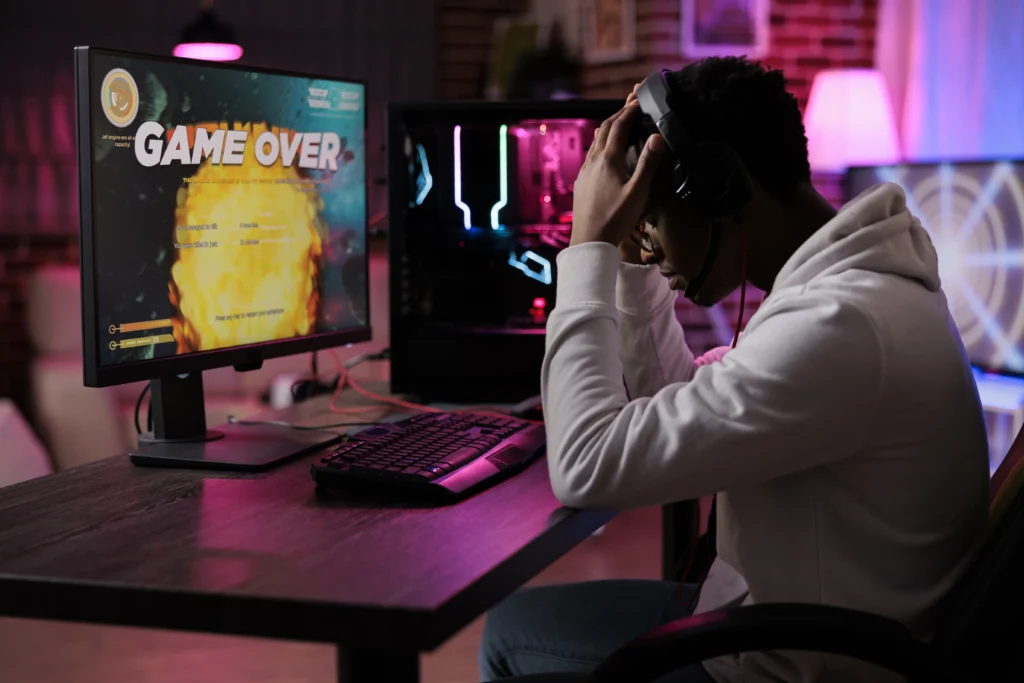
It is not an official diagnosis, but it usually falls into one of these:
- Tension-type headache
- Cervicogenic headache which starts from the neck
- Eye strain related headache
In most cases, it is a mix of all three
What is really happening inside your body
Your eyes stop behaving normally
Under normal conditions, your eyes constantly adjust focus and blink regularly
During binge watching
- You stare at one fixed distance
- Blink rate drops significantly
- Eye muscles stay contracted
This creates strain that spreads beyond the eyes and can trigger headaches (Rosenfield, 2016)
Your neck takes more load than you realize
This is the biggest contributor and most people completely miss it
While watching, your posture slowly shifts
- Head moves forward
- Shoulders round
- Upper back collapses
Even a small forward movement of the head increases strain on neck muscles
Over time, muscles like the upper trapezius and suboccipitals become tight and fatigued
Pain from these muscles often travels to the head (Falla et al., 2007)
Most people binge watch in poor positions
Especially in bed or on a sofa without support
Recent observations show that a large number of people prefer relaxed or reclined positions while watching, which significantly increases neck strain and discomfort
This explains why headaches feel worse after “relaxing”
Screen time and headaches are directly linked
This is no longer just an assumption
Recent studies show that longer screen exposure is associated with increased frequency and intensity of headaches
a clear association between prolonged digital exposure and headache symptoms (A 2024 analysis reported)
You blink less and your eyes dry out
This sounds small but has a big impact
Reduced blinking leads to
- Dry eyes
- Increased visual effort
- Forehead muscle strain
This often shows up as pain behind the eyes
Your brain stays overstimulated
Binge watching is not passive entertainment
You are processing
- Fast visuals
- Storylines
- Emotional scenes
This keeps your brain active for long periods without recovery
This type of prolonged cognitive engagement has been linked with mental fatigue and headache triggers (Researchgate)
Late night watching affects your next day
Screens emit blue light, which interferes with melatonin
This delays sleep and reduces sleep quality
Even mild sleep disruption lowers your pain tolerance, which makes headaches more likely the next day.
Dehydration quietly adds to the problem (Chang et al., 2015)
Most people do not drink enough water while watching
Even mild dehydration can trigger headaches (Spigt et al., 2012)
Early Signs You Shouldn’t Ignore
Most headaches don’t start suddenly. Your body gives small warnings first.
Watch for these:
- Tightness at the base of your skull
- Heaviness around the eyes after just one episode
- Feeling the need to stretch your neck often
- Slight burning or dryness in eyes
- You keep adjusting your sitting position
If you notice these early, you can stop the headache before it builds up.
The part most people misunderstand
It is not one single cause
It is usually a combination
- Neck strain
- Eye fatigue
- Reduced movement
- Mental overload
- Poor sleep
That is why taking a painkiller may reduce the pain temporarily but does not solve the problem
Why Painkillers Don’t Fully Fix This
Many people take a tablet and feel temporary relief.
But the headache comes back.
That’s because:
- The root issue is mechanical, not just chemical
- Muscles are still tight
- Posture is still off
Painkillers reduce symptoms, not the cause.
Unless you fix posture and movement, the cycle continues.
Types of headaches you may experience
Tension-type headache
Feels like a tight band around your head
Cervicogenic headache
Starts from the neck and moves upward
Very common in people who watch for long hours
Eye strain headache
Felt around or behind the eyes
Often comes with heaviness or blurred vision
Is It Your Eyes or Your Neck
A quick way to understand your headache:
If your pain:
- Starts at the neck and moves upward → likely neck-related
- Feels behind the eyes → likely eye strain
- Feels like a tight band → tension-type
Most people actually have a mix.
Lesser known triggers
Jaw clenching
Many people unknowingly clench their jaw during intense scenes.
This activates temple muscles and leads to headaches
Watching in a dark room
High contrast between screen and surroundings increases eye strain
Watching in bed
This is one of the biggest triggers.
Poor neck support creates continuous strai
Auto-play
Removes natural stopping points.
Leads to longer uninterrupted viewing
Common Mistakes People Make
These habits make headaches worse without you realizing:
- Watching in bed with pillows stacked
- Ignoring mild discomfort and continuing
- Watching in complete darkness
- Skipping breaks because of auto-play
- Using phone during show breaks
Fixing these alone can reduce screentime headaches significantly.
What actually helps
Fix your position first
You do not need perfect posture
Just aim for this
- Screen at eye level
- Back supported
- Head aligned over shoulders
Take breaks that actually reset your body
Instead of random breaks
After every episode
- Stand up
- Move your neck
- Walk for a minute
Reset your eyes
Simple method
- Look at something far away
- Blink slowly several times
This relaxes your eye muscles
Avoid watching in bed
If there is one habit to change, this is it
Stay hydrated
Keep water visible and within reach
Do one simple exercise
Chin tuck
- Sit upright
- Pull your chin back gently
- Hold for 5 seconds
- Repeat 10 times
This strengthens deep neck muscles and reduces strain
What to Do When the Headache Starts
Don’t ignore it and continue watching.
Do this instead:
- Stop the screen for a few minutes
- Sit upright and gently move your neck
- Apply a warm compress on the neck
- Close your eyes and relax them
Even 5 to 10 minutes can reduce the intensity.
Best Sitting Setup for Watching Shows
You don’t need an expensive chair. Small adjustments make a big difference.
Keep it simple:
- Screen directly in front of your eyes
- Not too high, not too low
- Back supported, not slouched
- Feet flat on the floor
- Avoid twisting your neck sideways
If your setup feels “effortless,” you’re doing it right.
A common real-life pattern
Many people I see follow the same routine
- Watch multiple episodes at night
- Sit or lie in poor posture
- Skip breaks
- Sleep late
They wake up with a headache.
When we correct posture, add movement, and improve habits.
Symptoms usually improve within a week or two
Daily Habits That Reduce Future Headaches
This is what actually prevents recurrence.
- Don’t watch continuously for hours
- Keep water nearby
- Stretch your neck during the day, not just at night
- Avoid scrolling on phone after long screen sessions
- Get proper sleep
Consistency matters more than perfection.
When should you be concerned
Seek medical advice if
- Headaches are frequent or worsening
- Pain is severe
- You notice vision changes or dizziness
How Long Does It Take to Improve
This depends on your habits.
But generally:
- Mild cases improve in a few days
- Regular headaches improve in 1 to 2 weeks
- Chronic cases take longer but are reversible
The key is consistency.
Final Thoughts
If you look closely, your body is not reacting to the show itself, it is reacting to how you are watching it.
Most binge watching headaches don’t appear suddenly.
They build up slowly when your neck stays in one position, your eyes stay fixed, and your brain does not get a proper break.
By the time you notice the pain, your body has already been under strain for a while.
The good thing is, this is one of the easiest types of headaches to manage.
You don’t need anything complicated.
Small changes like sitting a little straighter, taking short breaks between episodes, and moving your neck for a few seconds can make a noticeable difference within days.
You don’t have to stop watching your favourite shows.
Just watch in a way that your body can keep up with.
If you finish a session feeling relaxed instead of heavy or strained, that’s a good sign you’re doing it right.
Frequently Asked Questions
1. Why do I get headaches after binge watching?
Because your eyes stay fixed, your neck remains strained, and your brain stays active for long periods without breaks.
2. Is binge watching worse than working on a laptop?
Yes, posture is usually worse and people tend to take fewer breaks while watching shows.
3. How long can I watch without getting a headache?
Watching more than 2 to 3 hours continuously without breaks increases the chances of headaches.
4. Why do headaches happen even when lying down?
Poor neck support in bed puts strain on muscles and can trigger headaches.
5. Do blue light glasses help?
They may reduce eye strain slightly, but correcting posture and taking breaks is more effective.
6. Can dehydration cause headaches while watching shows?
Yes, even mild dehydration can contribute to headache symptoms.
7. Are binge watching headaches permanent?
No, they are usually temporary and improve with better habits and posture.
8. Should I stop binge watching completely?
No, just watch smartly with breaks, proper posture, and hydration.
Stay tuned with us for more health related topics.
Follow us on LinkedIn and Instagram for more.
More Read


Medical Disclaimer!
This article has been reviewed and written under the guidance of our Head Physiotherapist, Dr. Kruti Raj (PT, MUHS,CPT,CMPT). The information shared is intended for educational purposes only and should not be considered a substitute for personalized medical advice, diagnosis, or treatment.
Please consult us or any other qualified healthcare professional before beginning any exercise program, especially if you are experiencing pain, recovering from injury, or managing a medical condition.


