


Not every watery vaginal discharge is a cause for concern.
But ignoring certain warning signs can delay treatment for conditions that are easier to manage when caught early.
Vaginal discharge is a normal and essential part of a woman’s reproductive health.
It helps keep the vagina clean, maintains a healthy balance of bacteria, and protects against infections.
The appearance of vaginal discharge can vary throughout the menstrual cycle, with changes in color, consistency, and quantity often influenced by hormones.
Quick Answer
Watery vaginal discharge is usually a normal part of the menstrual cycle and commonly occurs during ovulation, pregnancy, sexual arousal, or hormonal changes. However, if it becomes foul-smelling, changes color, or is accompanied by itching, burning, pelvic pain, fever, or abnormal bleeding, it may indicate an underlying infection or gynecological condition that requires medical evaluation.
One common variation is watery vaginal discharge, which is typically clear, thin, and fluid-like. In many cases,
this type of discharge is completely normal and occurs during ovulation, pregnancy, sexual arousal, or physical activity.
However, if watery discharge is accompanied by an unpleasant odor, itching, burning, pelvic pain, or an unusual color,
it may indicate an underlying infection or another medical condition that requires evaluation.
Understanding the possible causes of watery vaginal discharge can help you distinguish between normal physiological changes and symptoms that warrant medical attention.
This article explores the causes, associated symptoms, diagnosis, treatment options, preventive measures, and when you should consult a healthcare professional. (Workowski et al. 2021)
Key Takeaways
- Watery vaginal discharge is often a normal physiological process.
- Hormonal changes, ovulation, pregnancy, and sexual arousal commonly increase vaginal discharge.
- Foul odor, itching, pain, fever, or unusual color may indicate an infection.
- Diagnosis depends on identifying the underlying cause rather than treating the discharge itself.
- Good vaginal hygiene and safe sexual practices help reduce the risk of infections.
- Persistent or abnormal discharge should always be evaluated by a healthcare professional.
What Is Watery Vaginal Discharge?
Watery vaginal discharge refers to vaginal fluid that is thin, clear or slightly milky, and has a liquid consistency.
Unlike thick or sticky discharge, watery discharge flows easily and may sometimes be noticeable on underwear throughout the day.
This discharge is produced by glands in the cervix and vaginal walls and plays an important role in maintaining vaginal health.
It helps:
- Keep the vagina naturally clean
- Lubricate vaginal tissues
- Remove dead cells and bacteria
- Maintain a healthy vaginal pH
- Reduce the risk of infections
The amount of watery discharge varies from woman to woman and can also change during different stages of the menstrual cycle.
Is Watery Vaginal Discharge Normal?
In most cases, yes.
Clear or watery vaginal discharge is considered a normal physiological response to hormonal fluctuations.
It commonly occurs during:
- Ovulation
- Early pregnancy
- Sexual arousal
- Physical exercise
- Emotional stress
- Hormonal changes during the menstrual cycle
Normal watery discharge is usually:
- Clear or slightly white
- Odorless or has a mild natural scent
- Thin and slippery
- Not associated with pain or itching
If the discharge changes color, develops a strong odor, or is accompanied by discomfort, it may no longer be considered normal and should be assessed.
What Does the Consistency of Watery Discharge Indicate?
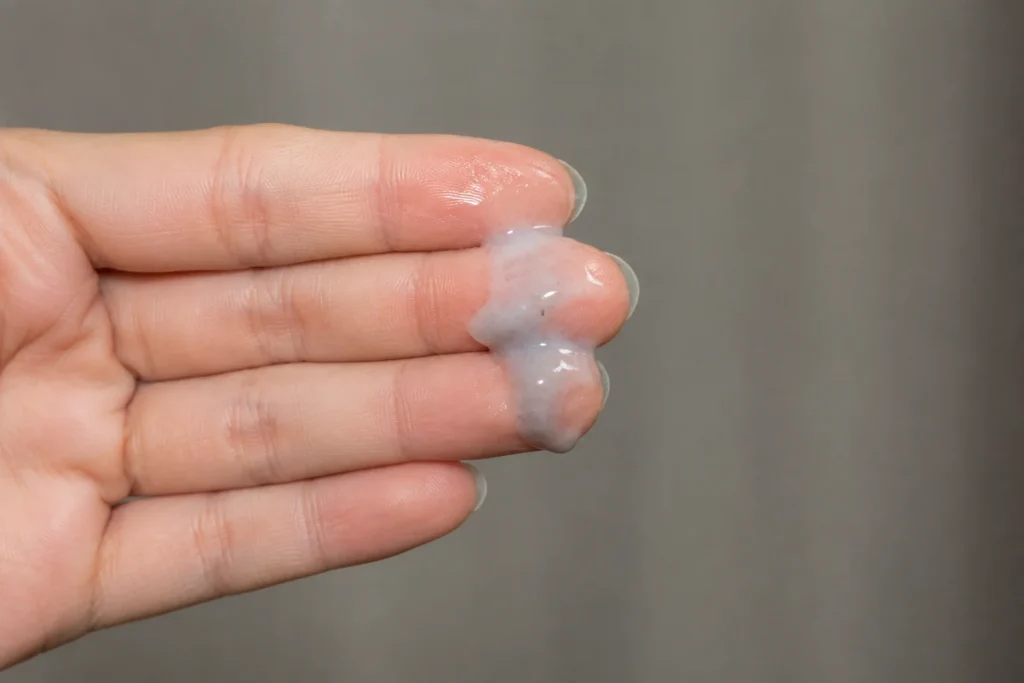
The consistency of vaginal discharge often provides important clues about hormonal changes and overall vaginal health.
Thin and Clear Watery Discharge
This is the most common type and is generally associated with healthy vaginal function.
It frequently occurs around ovulation when estrogen levels are higher.
Slippery, Egg White-Like Discharge
Around the middle of the menstrual cycle, cervical mucus becomes clear, stretchy, and slippery to help sperm travel more easily toward the egg.
This is a normal sign of fertility.
Excessive Watery Discharge
Producing more watery discharge than usual does not always indicate a problem.
It may occur during pregnancy, after vigorous exercise, or due to hormonal contraception.
However, if the increase is sudden and accompanied by other symptoms, medical evaluation is recommended.
Common Causes of Watery Vaginal Discharge
Watery vaginal discharge can result from normal hormonal changes or underlying medical conditions.
Understanding the cause helps determine whether treatment is needed.
1. Ovulation
One of the most common reasons for watery vaginal discharge is ovulation.
Around the middle of the menstrual cycle, rising estrogen levels stimulate the cervix to produce more cervical mucus.
This mucus becomes thin, slippery, and watery, making it easier for sperm to reach the egg.
Women may also notice:
- Increased vaginal moisture
- Mild lower abdominal pain (ovulation pain)
- Slight increase in sexual desire
- Stretchy cervical mucus
This type of discharge usually lasts for a few days and resolves naturally.
2. Pregnancy
Hormonal changes during pregnancy increase blood flow to the pelvic region and stimulate the production of vaginal secretions.
This normal pregnancy discharge, known as leukorrhea, is typically:
- Thin
- Milky white or clear
- Mild-smelling
- Continuous throughout pregnancy
Its purpose is to protect the birth canal from infection.
However, pregnant women should seek immediate medical care if watery discharge is:
- Green or yellow
- Foul-smelling
- Mixed with significant blood
- Associated with fever or severe pain
- A sudden gush of fluid that may indicate leaking amniotic fluid
According to the World Health Organization,
maintaining vaginal health and promptly evaluating abnormal vaginal symptoms during pregnancy is important for reducing maternal and neonatal complications. (World Health Organization 2022)
3. Sexual Arousal
Sexual arousal naturally increases lubrication produced by glands near the vaginal opening.
This discharge is:
- Clear
- Watery
- Slippery
- Temporary
It usually decreases shortly after sexual activity and is considered completely normal.
4. Physical Exercise
Many women notice increased watery vaginal discharge during or after exercise.
Physical activity increases:
- Blood circulation to the pelvic organs
- Body temperature
- Sweat production
- Vaginal lubrication
As long as the discharge remains clear, odorless, and is not associated with pain or irritation, it is generally not a cause for concern.
5. Hormonal Changes
Hormonal fluctuations throughout a woman’s life can significantly influence the amount and consistency of vaginal discharge.
Estrogen stimulates the glands in the cervix to produce cervical mucus, which often becomes thinner and more watery during periods of hormonal change.
Watery vaginal discharge may increase during:
- Puberty
- Ovulation
- Pregnancy
- Perimenopause
- Use of hormonal contraceptives
- Hormone replacement therapy
In most cases, this discharge is normal and does not require treatment unless it is accompanied by other concerning symptoms.
6. Bacterial Vaginosis
Bacterial vaginosis (BV) is one of the most common causes of abnormal vaginal discharge among women of reproductive age.
It occurs when the normal balance of vaginal bacteria is disrupted, allowing harmful bacteria to multiply.
Although BV typically produces a thin grayish-white discharge, many women initially describe it as watery because of its light consistency.
Common symptoms include:
- Thin or watery vaginal discharge
- Fishy odor, especially after sexual intercourse
- Mild vaginal irritation
- Burning during urination
- Increased vaginal moisture
Risk factors include:
- Vaginal douching
- Multiple or new sexual partners
- Smoking
- Use of scented feminine hygiene products
Untreated bacterial vaginosis may increase the risk of pelvic inflammatory disease, sexually transmitted infections, and pregnancy complications.
7. Vaginal Yeast Infection
A vaginal yeast infection, also known as vulvovaginal candidiasis, is caused by an overgrowth of the fungus Candida.
Although yeast infections usually produce thick, white discharge resembling cottage cheese, some women experience a thin watery discharge during the early stages of infection before the discharge becomes thicker.
Other symptoms include:
- Intense vaginal itching
- Burning sensation
- Redness and swelling of the vulva
- Pain during urination
- Pain during sexual intercourse
Unlike bacterial vaginosis, yeast infections generally do not produce a strong fishy odor.
8. Sexually Transmitted Infections (STIs)
Certain sexually transmitted infections can cause watery vaginal discharge, particularly during the early stages of infection.
These include:
- Chlamydia
- Gonorrhea
- Trichomoniasis
Additional symptoms may include:
- Pelvic pain
- Burning during urination
- Bleeding after intercourse
- Abnormal vaginal bleeding
- Pain during sexual intercourse
- Foul-smelling discharge
Many sexually transmitted infections produce mild or no symptoms initially, making regular screening important for sexually active individuals.
According to the Centers for Disease Control and Prevention,
early diagnosis and prompt treatment of sexually transmitted infections help prevent complications such as infertility, chronic pelvic pain, and pelvic inflammatory disease.
9. Pelvic Inflammatory Disease (PID)
Pelvic inflammatory disease is an infection affecting the uterus, fallopian tubes, and ovaries.
It often develops when untreated sexually transmitted infections spread into the upper reproductive tract.
Although vaginal discharge associated with PID varies, some women report increased watery discharge during the early stages.
Symptoms may include:
- Lower abdominal pain
- Fever
- Pain during intercourse
- Abnormal uterine bleeding
- Painful urination
- Fatigue
Pelvic inflammatory disease requires immediate medical treatment to reduce the risk of infertility and chronic pelvic pain.
10. Menopause and Vaginal Atrophy
As women approach menopause, estrogen levels gradually decline.
Reduced estrogen causes thinning of the vaginal tissues, known as vaginal atrophy or genitourinary syndrome of menopause.
Some women notice intermittent watery discharge due to irritation of the vaginal lining.
Other symptoms include:
- Vaginal dryness
- Burning
- Pain during intercourse
- Urinary urgency
- Frequent urinary tract infections
Symptoms That May Accompany Watery Vaginal Discharge
Watery discharge alone is often harmless.
However, additional symptoms may indicate an underlying medical condition requiring evaluation.
These include:
- Foul or fishy odor
- Yellow, green, gray, or blood-stained discharge
- Vaginal itching
- Burning sensation
- Pelvic pain
- Pain during urination
- Pain during sexual intercourse
- Fever
- Abnormal vaginal bleeding
- Lower abdominal pain
If any of these symptoms occur, medical assessment is recommended.
Myth vs Fact
| Myth | Fact |
|---|---|
| Watery discharge always means an infection. | Most watery discharge is completely normal and occurs due to hormonal changes. |
| Every vaginal discharge needs medication. | Normal discharge is healthy and does not require treatment. |
| Douching keeps the vagina cleaner. | Douching disrupts healthy bacteria and may increase the risk of infection. |
| No odor means there is no problem. | Some infections may initially have little or no odor, so other symptoms should also be considered. |
How Is Watery Vaginal Discharge Diagnosed?
Diagnosing the cause of watery vaginal discharge begins with a detailed medical history and physical examination.
Your healthcare provider may ask about:
- The color and consistency of the discharge
- When it started
- Whether it changes during your menstrual cycle
- Associated symptoms such as pain, itching, or odor
- Pregnancy status
- Sexual history
- Current medications
- Previous vaginal infections
Depending on the findings, investigations may include:
- Pelvic examination
- Vaginal pH testing
- Microscopic examination of vaginal secretions
- Vaginal swab for bacterial, fungal, or parasitic infections
- Sexually transmitted infection screening
- Pregnancy test
- Pap smear, if indicated
- Pelvic ultrasound when structural abnormalities are suspected
Accurate diagnosis is important because treatment varies depending on the underlying cause rather than the discharge itself.
According to the Cleveland Clinic, persistent changes in vaginal discharge,
especially when accompanied by pain, itching, odor, or bleeding, should always be evaluated to determine the underlying cause and provide appropriate treatment. (Cleveland Clinic)
Can Physiotherapy Help?
Physiotherapy does not treat infections or hormonal conditions that cause watery vaginal discharge.
However, women’s health physiotherapy can play an important role in managing symptoms that develop as a result of certain gynecological conditions.
Women experiencing recurrent infections, chronic pelvic pain, pelvic floor dysfunction, or pain during intercourse may benefit from a pelvic floor assessment performed by a qualified physiotherapist.
A physiotherapy treatment plan may include:
- Pelvic floor muscle assessment
- Pelvic floor relaxation techniques
- Breathing exercises
- Bladder and bowel habit education
- Pain management strategies
- Postpartum pelvic floor rehabilitation
- Education on returning safely to physical activity
When combined with appropriate medical treatment,
physiotherapy can improve pelvic floor function, reduce pain, and enhance quality of life for women experiencing chronic pelvic health conditions.
Treatment for Watery Vaginal Discharge
The treatment for watery vaginal discharge depends on its underlying cause.
Since watery discharge can be a normal physiological process or a symptom of an infection or gynecological condition, identifying the reason behind the discharge is essential before starting treatment.
Normal watery discharge associated with ovulation, pregnancy, sexual arousal, or exercise generally does not require treatment.
However, abnormal discharge caused by infections or other medical conditions should be managed under the guidance of a healthcare professional.
Treatment for Bacterial Vaginosis
Bacterial vaginosis is commonly treated with prescription antibiotics such as:
- Oral metronidazole
- Metronidazole vaginal gel
- Clindamycin vaginal cream
Completing the full course of medication is important to reduce the risk of recurrence.
Avoid douching during treatment, as it can further disrupt the natural balance of vaginal bacteria.
Treatment for Yeast Infection
Vaginal yeast infections are treated with antifungal medications that may be prescribed as:
- Oral antifungal tablets
- Vaginal pessaries
- Antifungal creams
Although over-the-counter medications are available in some countries, women experiencing recurrent symptoms should seek medical evaluation to confirm the diagnosis before self-treating.
Treatment for Sexually Transmitted Infections
Sexually transmitted infections require prompt diagnosis and appropriate treatment based on the organism causing the infection.
Management may include:
- Prescription antibiotics or antiparasitic medications
- Treatment of sexual partner(s), when necessary
- Temporary avoidance of sexual activity until treatment is completed
- Follow-up testing if advised by the healthcare provider
Early treatment helps reduce the risk of complications, including infertility and pelvic inflammatory disease.
Treatment During Pregnancy
Watery discharge during pregnancy is often normal.
However, if an infection is diagnosed, treatment should be tailored to both the mother’s condition and the safety of the developing baby.
Never use over-the-counter medications during pregnancy without consulting an obstetrician or healthcare provider.
Treatment for Menopause-Related Vaginal Changes
Women with vaginal atrophy or genitourinary syndrome of menopause may benefit from:
- Vaginal moisturizers
- Water-based lubricants
- Topical vaginal estrogen therapy (when appropriate)
- Lifestyle modifications
- Pelvic floor physiotherapy
Treatment should always be individualized based on symptoms, medical history, and healthcare provider recommendations.
Home Care Tips
Although home care cannot replace medical treatment for infections,
healthy lifestyle habits can help maintain vaginal health and reduce the risk of recurrent problems.
Maintain Good Intimate Hygiene
Wash only the external genital area with lukewarm water and avoid inserting soaps or cleansing products inside the vagina.
The vagina is naturally self-cleaning, and excessive washing can disturb its normal bacterial balance.
Avoid Douching
Douching removes beneficial bacteria that protect the vagina from harmful microorganisms and may increase the risk of bacterial vaginosis and pelvic infections.
Wear Breathable Cotton Underwear
Cotton underwear allows better airflow and reduces moisture accumulation, creating a healthier environment for the vaginal tissues.
Change Out of Wet Clothing Promptly
Remaining in wet swimsuits or sweaty workout clothes for prolonged periods may increase irritation and encourage the growth of certain microorganisms.
Practice Safe Sex
Using condoms consistently can reduce the risk of sexually transmitted infections that may cause abnormal vaginal discharge.
Maintain a Healthy Lifestyle
A balanced diet, adequate hydration, regular physical activity, quality sleep, and effective stress management all contribute to a healthy immune system and overall reproductive health.
Can Physiotherapy Help Prevent Recurring Symptoms?
Although physiotherapy does not prevent infections, it can help women experiencing persistent pelvic symptoms that remain after repeated infections or chronic gynecological conditions.
Women may benefit from pelvic floor physiotherapy if they experience:
- Chronic pelvic pain
- Pain during sexual intercourse
- Pelvic floor muscle tightness
- Urinary urgency or leakage
- Difficulty relaxing the pelvic floor muscles
- Postpartum pelvic floor weakness
A women’s health physiotherapist may recommend:
- Pelvic floor muscle relaxation exercises
- Diaphragmatic breathing
- Gentle stretching exercises
- Bladder retraining techniques
- Posture correction
- Lifestyle education
- Gradual return to exercise
Research suggests that pelvic floor physiotherapy can improve pelvic floor muscle function, reduce chronic pelvic pain, and enhance quality of life in women with pelvic floor dysfunction associated with gynecological conditions. (de Oliveira et al. 2024)
How Can Watery Vaginal Discharge Be Prevented?
Not every cause of watery vaginal discharge can be prevented because hormonal changes are a normal part of life. However, maintaining good vaginal health can lower the risk of infections and other preventable conditions.
You can reduce your risk by:
- Avoiding vaginal douching
- Wearing breathable cotton underwear
- Practicing safe sex
- Maintaining good genital hygiene
- Changing sanitary products regularly
- Avoiding heavily scented feminine hygiene products
- Managing diabetes and other chronic medical conditions
- Attending routine gynecological check-ups
- Seeking early treatment for vaginal infections
Simple preventive measures can go a long way in maintaining a healthy vaginal environment and reducing the likelihood of recurrent symptoms.
When Should You See a Doctor?
While clear watery vaginal discharge is often normal, certain symptoms require prompt medical evaluation.
Consult a healthcare provider if you experience:
- Persistent watery discharge that is different from your usual pattern
- A foul or fishy odor
- Yellow, green, gray, or bloody discharge
- Vaginal itching or burning
- Pain during urination
- Pain during sexual intercourse
- Pelvic or lower abdominal pain
- Fever or chills
- Heavy vaginal bleeding
- Sudden watery discharge during pregnancy, especially if you suspect your water has broken
Early diagnosis and appropriate treatment can help prevent complications and protect long-term reproductive health.
Conclusion
Watery vaginal discharge is often a normal part of the body’s natural reproductive processes and commonly occurs during ovulation, pregnancy, sexual arousal, or hormonal fluctuations.
In these situations, the discharge is usually clear, odorless, and not associated with discomfort.
However, changes in the color, smell, quantity, or accompanying symptoms such as itching, burning, pelvic pain, fever, or abnormal bleeding may indicate an underlying infection or gynecological condition that requires medical evaluation.
Understanding what is normal for your body and recognizing when something changes can help ensure timely diagnosis and appropriate treatment.
Maintaining good intimate hygiene, practicing safe sex, avoiding unnecessary vaginal products, and attending regular gynecological check-ups are simple yet effective ways to support vaginal health.
If you are ever unsure about persistent or unusual watery vaginal discharge, seeking professional medical advice is the safest step toward protecting your reproductive health and overall well-being.
Frequently Asked Questions
1. Is watery vaginal discharge normal?
Yes. Clear watery vaginal discharge is commonly seen during ovulation, pregnancy, sexual arousal, and hormonal changes.
2. Can watery discharge be a sign of pregnancy?
Yes. Increased watery discharge, known as leukorrhea, is common during pregnancy due to hormonal changes.
3. Does watery discharge always indicate an infection?
No. Most watery discharge is normal. However, foul odor, itching, pain, or abnormal color may indicate an infection.
4. When should I worry about watery discharge?
You should consult a healthcare provider if watery discharge is associated with fever, pelvic pain, burning, abnormal bleeding, or a strong unpleasant odor.
5. Can stress increase watery vaginal discharge?
Stress may indirectly influence hormonal balance, which can temporarily affect the amount of vaginal discharge.
6. Can physiotherapy help?
Physiotherapy does not treat infections but can help manage pelvic floor dysfunction, chronic pelvic pain, and postpartum pelvic health issues.
7. Can watery discharge occur after exercise?
Yes. Increased blood flow and body temperature during physical activity may temporarily increase watery vaginal discharge.
8. How can I keep my vagina healthy?
Avoid douching, wear breathable cotton underwear, practice safe sex, maintain good hygiene, and attend regular gynecological check-ups.
Final Thoughts
Every woman experiences vaginal discharge differently, and changes throughout the menstrual cycle are often completely normal. The key is to understand what is typical for your body and recognize when something changes unexpectedly. If watery vaginal discharge becomes persistent, develops an unpleasant odor, changes color, or is accompanied by pain, itching, fever, or abnormal bleeding, seeking medical advice can help identify the cause early and prevent complications. Staying informed and paying attention to your reproductive health are important steps toward maintaining overall well-being.
Stay tuned with us for more health related topics.
Follow us on LinkedIn and Instagram for more.
More Read


Medical Disclaimer!
This article has been reviewed and written under the guidance of our Head Physiotherapist, Dr. Kruti Raj (PT, MUHS,CPT,CMPT). The information shared is intended for educational purposes only and should not be considered a substitute for personalized medical advice, diagnosis, or treatment.
Please consult us or any other qualified healthcare professional before beginning any exercise program, especially if you are experiencing pain, recovering from injury, or managing a medical condition.


