


Wondering, “Why Are My Periods Irregular?”
Understanding the possible causes is the first step toward protecting your reproductive health.
For many women, the menstrual cycle is a monthly indicator of overall reproductive health.
Although it’s common for cycle lengths to vary slightly from month to month, frequent or significant changes should not be ignored.
You may notice that your periods arrive earlier than expected one month and several weeks late the next.
Some women experience missed periods, unusually short cycles, prolonged bleeding, or unpredictable spotting between periods.
While these changes can sometimes occur due to stress or temporary hormonal fluctuations, persistent irregular periods may signal an underlying medical condition that requires evaluation.
Quick Answer
Irregular periods occur when your menstrual cycle is consistently shorter than 21 days, longer than 35 days, unpredictable, or when you frequently miss periods. While occasional changes are common, persistent irregular periods may be caused by hormonal imbalances, polycystic ovary syndrome (PCOS), thyroid disorders, stress, excessive exercise, or perimenopause. Early diagnosis can help identify the underlying cause and improve reproductive health.
Irregular periods are among the most common menstrual concerns affecting adolescents, women of reproductive age, and those approaching menopause.
Conditions such as polycystic ovary syndrome (PCOS), thyroid disorders, premature ovarian insufficiency, endometriosis, and hormonal imbalances are some of the leading causes.
Lifestyle factors including rapid weight changes, excessive exercise, poor nutrition, and chronic stress can also influence menstrual regularity.
As a physiotherapist, I frequently meet women whose irregular menstrual cycles are accompanied by pelvic pain, lower back pain, fatigue, reduced physical activity, or emotional distress.
While physiotherapy does not regulate menstrual hormones directly,
it plays an important role in managing associated musculoskeletal symptoms, improving physical function, and supporting overall well-being alongside medical treatment.
Understanding what is considered a normal menstrual cycle is the first step toward recognizing when your body may be signaling that something needs attention.
Evidence: The American College of Obstetricians and Gynecologists (ACOG) recognizes the menstrual cycle as an important indicator of overall health and recommends evaluation when menstrual patterns fall outside normal ranges for age and reproductive stage (American College of Obstetricians and Gynecologists (ACOG)).
Key Takeaways
- An occasional irregular period is common, but persistent changes should be evaluated.
- PCOS, thyroid disorders, stress, excessive exercise, weight changes, and perimenopause are among the most common causes of irregular periods.
- Irregular periods may be associated with fertility problems, but many women achieve healthy pregnancies after appropriate treatment.
- Diagnosis may involve a medical history, physical examination, blood tests, and pelvic ultrasound.
- Treatment depends on the underlying cause and may include lifestyle changes, hormonal therapy, or treatment of medical conditions.
- Women’s health physiotherapy can help manage associated pelvic pain, lower back pain, muscle tension, and improve overall physical function.
What Are Irregular Periods?
Irregular periods occur when your menstrual cycle does not follow a consistent pattern.
This may involve changes in the time between periods, the duration of bleeding, or the amount of menstrual flow.
A single irregular cycle is usually not a cause for concern.
However, if irregular periods occur repeatedly or are accompanied by symptoms such as severe pain, heavy bleeding, or missed periods, further medical assessment is recommended.
Irregular periods may include:
- Cycles shorter than 21 days.
- Cycles longer than 35 days.
- Missing three or more consecutive periods (when not pregnant).
- Periods that vary greatly in timing each month.
- Unexpected spotting between periods.
- Very heavy or unusually light menstrual bleeding.
The pattern and associated symptoms often provide important clues about the underlying cause.
What Is a Normal Menstrual Cycle?
A normal menstrual cycle begins on the first day of one period and ends on the first day of the next.
For most adults:
- Cycle length ranges from 21 to 35 days.
- Menstrual bleeding lasts 2 to 7 days.
- Blood loss is generally moderate.
- Cycle variation is usually less than 7 to 9 days between months.
For adolescents, menstrual cycles may be somewhat irregular during the first few years after menstruation begins because the hormonal system is still maturing.
Tracking your cycle each month can help identify changes early and provide valuable information for your healthcare provider if concerns arise.
Common Signs and Symptoms of Irregular Periods
Irregular periods can present in many different ways.
Common symptoms include:
- Periods arriving earlier or later than expected.
- Missing one or more menstrual cycles.
- Cycles shorter than 21 days.
- Cycles longer than 35 days.
- Unpredictable bleeding patterns.
- Spotting between periods.
- Heavy menstrual bleeding.
- Very light menstrual bleeding.
- Severe menstrual cramps.
- Difficulty predicting ovulation.
Some women may also experience symptoms related to the underlying condition, such as acne, excessive hair growth, weight changes, hot flashes, or pelvic pain.
Common Causes of Irregular Periods
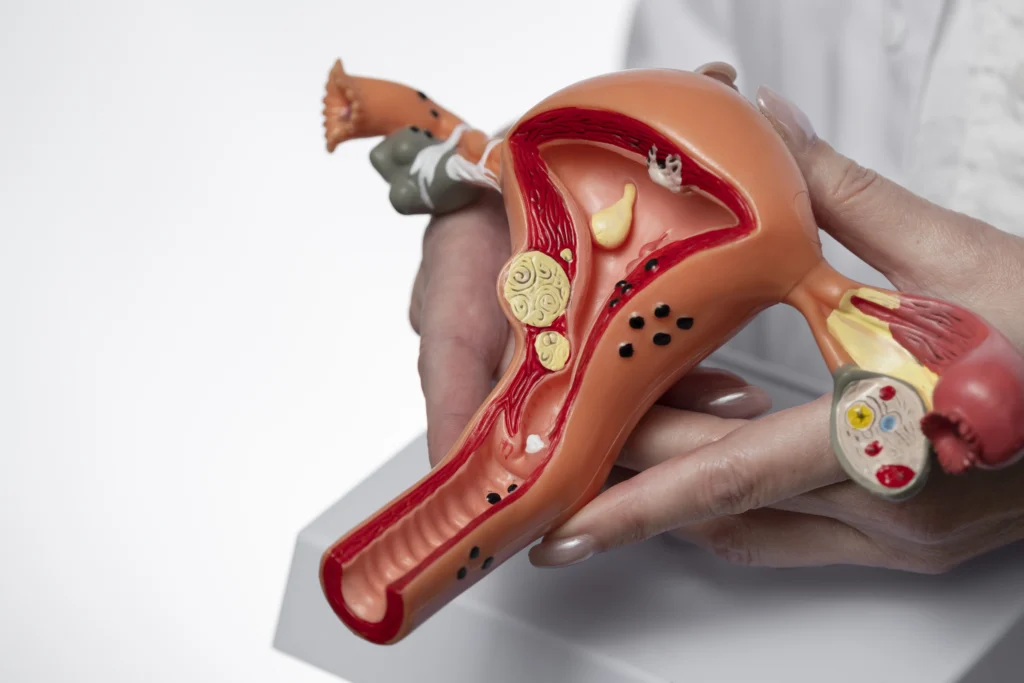
Several medical conditions and lifestyle factors can affect the normal hormonal regulation of the menstrual cycle.
Hormonal Imbalances
The menstrual cycle depends on a carefully balanced interaction between the brain, ovaries, and uterus.
Changes in estrogen, progesterone, follicle-stimulating hormone (FSH), or luteinizing hormone (LH) can disrupt ovulation and menstrual regularity.
Polycystic Ovary Syndrome (PCOS)
PCOS is one of the most common causes of irregular periods in women of reproductive age.
Women with PCOS may experience:
- Infrequent periods.
- Missed periods.
- Acne.
- Excess facial or body hair.
- Weight gain.
- Difficulty becoming pregnant.
Thyroid Disorders
Both hypothyroidism and hyperthyroidism can interfere with hormone production and lead to irregular menstrual cycles.
Additional symptoms may include fatigue, weight changes, hair loss, or temperature intolerance.
Stress
Chronic physical or emotional stress can temporarily suppress ovulation through hormonal changes involving the hypothalamus, resulting in delayed or missed periods.
Excessive Exercise
Intense athletic training without adequate nutrition may reduce estrogen levels and disrupt the menstrual cycle.
This is particularly common among endurance athletes, dancers, and gymnasts.
Rapid Weight Changes
Significant weight loss or weight gain can influence hormone production and ovulation, leading to menstrual irregularities.
Perimenopause
Women approaching menopause often experience changes in cycle length and menstrual flow due to natural hormonal fluctuations.
Certain Medications
Some medications may affect menstrual regularity, including:
- Hormonal contraceptives.
- Antipsychotic medications.
- Certain chemotherapy drugs.
- Blood-thinning medications.
Evidence: Menstrual irregularities may result from ovulatory dysfunction, endocrine disorders, lifestyle factors, or structural gynecological conditions. A comprehensive clinical assessment helps identify the underlying cause and guide appropriate management (Cleveland Clinic)
Normal Periods vs Irregular Periods
| Feature | Normal Period | Irregular Period |
|---|---|---|
| Cycle Length | 21–35 days | Less than 21 or more than 35 days |
| Timing | Predictable | Frequently changes |
| Duration | 2–7 days | May be unusually short or prolonged |
| Ovulation | Usually regular | May occur irregularly or not at all |
| Spotting | Rare | May occur between periods |
| Flow | Fairly consistent | May vary from very light to very heavy |
| Medical Review | Usually unnecessary | Recommended if persistent |
10 Warning Signs of Irregular Periods You Should Never Ignore
Occasional changes in your menstrual cycle can happen due to stress, illness, travel, or hormonal fluctuations.
However, persistent irregular periods should not be ignored, especially if they are accompanied by other symptoms.
The following warning signs may indicate an underlying medical condition that requires medical evaluation.
1. Your Periods Stop for More Than Three Months
Missing three or more consecutive periods (when you are not pregnant, breastfeeding, or menopausal) is known as secondary amenorrhea.
This may be caused by hormonal disorders, polycystic ovary syndrome (PCOS), thyroid disease, excessive exercise, or premature ovarian insufficiency.
2. Your Menstrual Cycle Is Shorter Than 21 Days
Periods that occur too frequently may leave insufficient time for the uterine lining to rebuild and could indicate ovulation disorders, hormonal imbalances, or perimenopause.
3. Your Menstrual Cycle Is Longer Than 35 Days
Long menstrual cycles are one of the most common signs of irregular ovulation.
Women with PCOS frequently experience cycles lasting 40, 60, or even 90 days between periods.
4. You Experience Heavy or Prolonged Bleeding
Irregular periods combined with heavy menstrual bleeding may be associated with fibroids, adenomyosis, hormonal imbalance, or endometrial abnormalities.
If you frequently soak through sanitary products every one to two hours or bleed for more than seven days, you should consult a healthcare professional.
5. You Have Severe Pelvic Pain
Although mild cramping is common during menstruation, severe pelvic pain, pain during intercourse, or pain while passing urine or stool may indicate endometriosis, pelvic inflammatory disease, or adenomyosis.
6. You Notice Bleeding Between Periods
Spotting or bleeding between regular menstrual cycles is not considered normal and should always be evaluated.
Possible causes include:
- Hormonal imbalance
- Cervical polyps
- Endometrial polyps
- Pregnancy-related complications
- Certain contraceptives
- Infections
7. You Experience Symptoms of Hormonal Imbalance
Irregular periods accompanied by any of the following symptoms may indicate an endocrine disorder:
- Acne
- Excess facial or body hair
- Hair thinning
- Rapid weight gain
- Difficulty losing weight
- Milky nipple discharge
- Hot flashes
- Mood changes
8. You Are Trying to Conceive Without Success
Irregular periods often indicate irregular ovulation, which can reduce fertility.
Women who have irregular menstrual cycles and have been trying to conceive for several months should consider seeking medical advice for ovulation assessment.
9. Your Period Pattern Suddenly Changes
If your menstrual cycle has always been regular but suddenly becomes unpredictable, it is important to identify the underlying cause.
Sudden changes may occur due to:
- Thyroid disorders
- Significant stress
- Weight changes
- New medications
- Pregnancy
- Perimenopause
- Gynecological conditions
10. Irregular Periods Affect Your Daily Life
Persistent menstrual irregularities can affect:
- Physical health
- Mental well-being
- Exercise
- Work performance
- Relationships
- Sleep quality
- Confidence
Seeking medical advice early can help identify the cause and improve your quality of life.
Evidence: The International Federation of Gynecology and Obstetrics (FIGO) recommends evaluating abnormal uterine bleeding and menstrual irregularities using standardized clinical assessment to distinguish structural from non-structural causes and guide appropriate treatment (Jain et al. 2023)
Medical Conditions That Can Cause Irregular Periods
Irregular periods are often a symptom of an underlying medical condition rather than a disease itself.
Polycystic Ovary Syndrome (PCOS)
PCOS is the leading cause of irregular menstrual cycles in women of reproductive age.
Common symptoms include:
- Infrequent or absent periods
- Acne
- Excess facial or body hair
- Weight gain
- Difficulty becoming pregnant
- Insulin resistance
Women with PCOS may ovulate infrequently or not at all, resulting in irregular or missed periods.
Thyroid Disorders
Both hypothyroidism and hyperthyroidism can interfere with the hormones that regulate ovulation.
Symptoms may include:
- Fatigue
- Weight changes
- Hair loss
- Changes in body temperature
- Dry skin
- Rapid heartbeat
Treating the thyroid disorder often helps restore regular menstrual cycles.
Endometriosis
Although endometriosis is primarily associated with severe pelvic pain, some women also experience irregular bleeding, spotting between periods, or unusually heavy periods.
Additional symptoms may include:
- Painful periods
- Pain during intercourse
- Chronic pelvic pain
- Infertility
Premature Ovarian Insufficiency (POI)
Premature ovarian insufficiency occurs when the ovaries stop functioning normally before the age of 40.
Women with POI may experience:
- Missed periods
- Hot flashes
- Night sweats
- Vaginal dryness
- Difficulty becoming pregnant
Hyperprolactinemia
High levels of the hormone prolactin can interfere with ovulation and lead to missed or irregular periods.
Possible symptoms include:
- Milky nipple discharge
- Headaches
- Vision changes
- Infertility
Perimenopause
Women approaching menopause often notice that their menstrual cycles become less predictable.
Periods may become:
- Shorter
- Longer
- Lighter
- Heavier
- More or less frequent
This transition usually begins during the 40s but may occur earlier.
Who Is at Higher Risk of Irregular Periods?
Several factors increase the likelihood of developing menstrual irregularities.
Risk factors include:
- Polycystic ovary syndrome
- Thyroid disorders
- Obesity
- Being underweight
- Excessive physical exercise
- Chronic stress
- Eating disorders
- Diabetes
- Premature ovarian insufficiency
- Certain medications
- Family history of endocrine disorders
- Perimenopause
Having one or more risk factors does not necessarily mean you will develop irregular periods, but it does increase the likelihood.
When Should You See a Doctor?
Arrange an appointment with your healthcare provider if you:
- Miss three or more consecutive periods.
- Experience menstrual cycles shorter than 21 days or longer than 35 days.
- Have heavy menstrual bleeding.
- Notice bleeding between periods.
- Develop severe pelvic pain.
- Experience symptoms of anemia.
- Have difficulty becoming pregnant.
- Notice sudden changes in your menstrual cycle.
- Experience hot flashes before the age of 40.
- Have irregular periods that continue for several months.
Early diagnosis allows many hormonal and gynecological conditions to be treated before complications develop.
Evidence: Persistent menstrual irregularities should be evaluated because they may indicate endocrine disorders, ovulatory dysfunction, structural uterine abnormalities, or systemic disease. Early diagnosis improves reproductive, metabolic, and long-term health outcomes (ScienceDirect).
Myth vs Fact
Myth
Fact
Irregular periods are always normal.
Occasional cycle changes are common, but persistent irregular periods should be medically evaluated.
Only adults experience irregular periods.
Irregular periods can occur during adolescence, the reproductive years, and perimenopause for different reasons.
Irregular periods always mean infertility.
Many women with irregular periods conceive successfully once the underlying cause is identified and treated.
Stress cannot affect your menstrual cycle.
Physical and emotional stress can temporarily delay ovulation and change the timing of your period.
How Are Irregular Periods Diagnosed?
Diagnosing irregular periods begins with identifying the underlying cause rather than simply treating the symptom.
Since menstrual irregularities can result from hormonal disorders, gynecological conditions, lifestyle factors, or systemic diseases, your healthcare provider will perform a comprehensive evaluation.
Medical History
Your doctor will ask detailed questions about your menstrual cycle, including:
- The age at which your periods started.
- The average length of your menstrual cycle.
- The date of your last menstrual period.
- Whether your periods are heavy, light, or unpredictable.
- Any bleeding between periods.
- Pelvic pain or painful periods.
- Recent weight changes.
- Exercise habits.
- Stress levels.
- Current medications.
- Pregnancy history.
- Family history of menstrual or endocrine disorders.
Maintaining a menstrual diary or using a period-tracking app for several months can help identify patterns and assist with diagnosis.
Physical Examination
A physical examination may include:
- Measurement of height, weight, and body mass index (BMI).
- Blood pressure assessment.
- Examination for acne or excessive hair growth.
- Thyroid examination.
- Pelvic examination when appropriate.
These findings often provide clues to conditions such as PCOS, thyroid disorders, or hormonal imbalance.
Blood Tests
Laboratory investigations may include:
- Complete blood count (CBC)
- Pregnancy test
- Thyroid function tests (TSH, T3, T4)
- Follicle-stimulating hormone (FSH)
- Luteinizing hormone (LH)
- Estrogen levels
- Progesterone levels
- Prolactin levels
- Testosterone and other androgen hormones
- Blood glucose and insulin levels when PCOS is suspected
Imaging Studies
Your doctor may recommend imaging tests such as:
- Pelvic ultrasound
- Transvaginal ultrasound
- MRI in selected cases
These investigations help detect structural abnormalities including fibroids, ovarian cysts, adenomyosis, congenital uterine abnormalities, or ovarian tumors.
Additional Investigations
Depending on your symptoms, additional tests may include:
- Endometrial biopsy
- Hysteroscopy
- Hormonal stimulation tests
- Genetic testing for premature ovarian insufficiency (selected cases)
Early diagnosis improves treatment outcomes and helps protect long-term reproductive health.
Evidence: Clinical evaluation of irregular periods should include a detailed menstrual history, physical examination, laboratory investigations, and imaging when indicated to determine the underlying cause and guide individualized management. (Cochrane Database of Systematic Reviews)
Treatment Options for Irregular Periods
Treatment depends on the underlying cause, your age, reproductive goals, overall health, and symptom severity.
Lifestyle Modifications
For many women, healthy lifestyle changes can help improve menstrual regularity.
These include:
- Maintaining a healthy body weight.
- Eating a balanced diet.
- Exercising regularly.
- Getting adequate sleep.
- Managing stress.
- Avoiding smoking.
- Limiting excessive alcohol intake.
Hormonal Therapy
Hormonal treatments may include:
- Combined oral contraceptive pills.
- Progesterone therapy.
- Hormonal intrauterine devices (IUDs).
These medications help regulate menstrual cycles and reduce abnormal bleeding in appropriate patients.
Treatment of Underlying Conditions
Managing the underlying condition is often the most effective way to restore regular menstrual cycles.
Examples include:
- PCOS management.
- Thyroid hormone replacement or treatment of hyperthyroidism.
- Treatment of hyperprolactinemia.
- Management of premature ovarian insufficiency.
- Treatment of endometriosis or adenomyosis.
Fertility Treatment
Women trying to conceive may require treatments that stimulate ovulation, depending on the cause of irregular periods.
A fertility specialist can recommend individualized treatment options.
Can Physiotherapy Help?
Although physiotherapy cannot directly regulate menstrual hormones,
it plays an important supportive role in women whose irregular periods are associated with pelvic pain, lower back pain, muscle tension, poor posture, or reduced physical activity.
As a physiotherapist, treatment focuses on improving movement, reducing pain, and supporting overall physical health.
Pelvic Floor Rehabilitation
Women with chronic pelvic pain or endometriosis may develop increased pelvic floor muscle tension.
Pelvic floor assessment and rehabilitation can improve:
- Muscle coordination.
- Pelvic pain.
- Pain during intercourse.
- Functional movement.
Therapeutic Exercise
A structured exercise programme may include:
- Core strengthening.
- Hip strengthening.
- Flexibility exercises.
- Low-impact aerobic exercise.
- Functional movement training.
Regular physical activity also supports metabolic health, particularly in women with PCOS.
Pain Management
Physiotherapy techniques may include:
- Heat therapy.
- Gentle stretching.
- Manual therapy.
- Relaxation techniques.
- Breathing exercises.
- Postural education.
Education and Self-Management
Understanding menstrual health helps women recognize abnormal symptoms earlier and seek timely medical care.
Physiotherapists also educate patients about pacing activities, posture, stress management, and maintaining long-term musculoskeletal health.
Lifestyle and Dietary Tips
Healthy daily habits support hormonal balance and overall reproductive health.
Consider the following:
- Eat a balanced diet rich in fruits, vegetables, whole grains, and lean protein.
- Include iron-rich period foods if menstrual bleeding is heavy.
- Maintain adequate vitamin D and calcium intake.
- Exercise regularly without excessive training.
- Sleep for seven to nine hours each night.
- Manage stress using mindfulness, yoga, or breathing exercises.
- Maintain a healthy body weight.
- Stay hydrated.
- Avoid smoking.
These habits complement medical treatment and contribute to better overall health.
Can Irregular Periods Be Prevented?
Not all causes of irregular periods are preventable.
However, certain healthy lifestyle choices may reduce the risk.
Preventive measures include:
- Maintaining a healthy weight.
- Managing chronic medical conditions.
- Avoiding extreme dieting.
- Exercising in moderation.
- Managing stress effectively.
- Attending regular gynecological check-ups.
- Seeking early medical advice if menstrual patterns change.
Lesser-Known Facts About Irregular Periods
Many women are surprised to learn the following facts:
- An occasional irregular period is usually normal, but persistent irregularity should always be evaluated.
- Stress alone can temporarily delay ovulation and alter the timing of your next period.
- PCOS is one of the most common causes of irregular periods worldwide.
- Thyroid disorders often present first with changes in the menstrual cycle.
- Tracking your menstrual cycle can help identify health problems long before other symptoms appear.
- Irregular periods do not always mean infertility, and many women conceive successfully once the underlying cause is treated.
Expert Tips from a Women’s Health Physiotherapist
- Track every menstrual cycle using a diary or mobile app.
- Don’t ignore persistent changes in cycle length.
- Stay physically active with regular moderate exercise.
- Prioritize adequate nutrition and sleep.
- Manage stress before it begins affecting hormonal health.
- Seek medical advice early if you miss several periods or experience severe pain.
- Continue prescribed treatment while maintaining healthy lifestyle habits.
- Remember that menstrual health reflects overall health.
Final Thoughts
Irregular periods are often your body’s way of signaling that something may need attention. While occasional changes in the menstrual cycle are common, persistent irregularities should never be ignored. Early diagnosis can identify conditions such as PCOS, thyroid disorders, or hormonal imbalances before complications develop. By combining appropriate medical care with healthy lifestyle habits and support from a women’s health physiotherapist when needed, most women can successfully manage irregular periods and improve their reproductive health, physical well-being, and quality of life.
Conclusion
Irregular periods are one of the most common menstrual concerns affecting women of all ages.
While occasional changes in your cycle are often harmless, persistent irregularities may indicate:
hormonal imbalances, endocrine disorders, gynecological conditions, or lifestyle-related factors that deserve medical attention.
Early diagnosis helps identify the underlying cause and allows treatment to be tailored to your individual needs.
Whether irregular periods are caused by PCOS, thyroid disease, stress, excessive exercise, or another medical condition, appropriate care can improve menstrual regularity, reproductive health, and overall quality of life.
From a women’s health physiotherapy perspective, addressing associated symptoms such as :
pelvic pain, lower back pain, muscle tension, and reduced physical activity can further support recovery and improve day-to-day function.
By combining medical management with healthy lifestyle habits and regular follow-up, most women can successfully manage irregular periods and maintain long-term reproductive health.
Evidence: Lifestyle interventions, including healthy diet, regular physical activity, and weight management, are important components of managing conditions such as PCOS that commonly contribute to irregular menstrual cycles. (Cochrane Database of Systematic Reviews)
Frequently Asked Questions
What is considered an irregular period?
A menstrual cycle is generally considered irregular if it is consistently shorter than 21 days, longer than 35 days, unpredictable, or if you frequently miss periods.
What is the most common cause of irregular periods?
Polycystic ovary syndrome (PCOS), stress, thyroid disorders, hormonal imbalances, excessive exercise, and perimenopause are among the most common causes.
Can stress make your periods irregular?
Yes. Physical or emotional stress can affect the hormones that regulate ovulation, resulting in delayed or missed periods.
Can irregular periods affect fertility?
Yes. Irregular periods often indicate irregular ovulation, which may make conception more difficult. However, many women conceive successfully after appropriate treatment.
When should I see a doctor for irregular periods?
You should seek medical advice if you miss three or more consecutive periods, experience cycles shorter than 21 days or longer than 35 days, have heavy bleeding, severe pelvic pain, or bleeding between periods.
Stay tuned with us for more health related topics.
Follow us on LinkedIn and Instagram for more.
More Read


Medical Disclaimer!
This article has been reviewed and written under the guidance of our Head Physiotherapist, Dr. Kruti Raj (PT, MUHS,CPT,CMPT). The information shared is intended for educational purposes only and should not be considered a substitute for personalized medical advice, diagnosis, or treatment.
Please consult us or any other qualified healthcare professional before beginning any exercise program, especially if you are experiencing pain, recovering from injury, or managing a medical condition.


