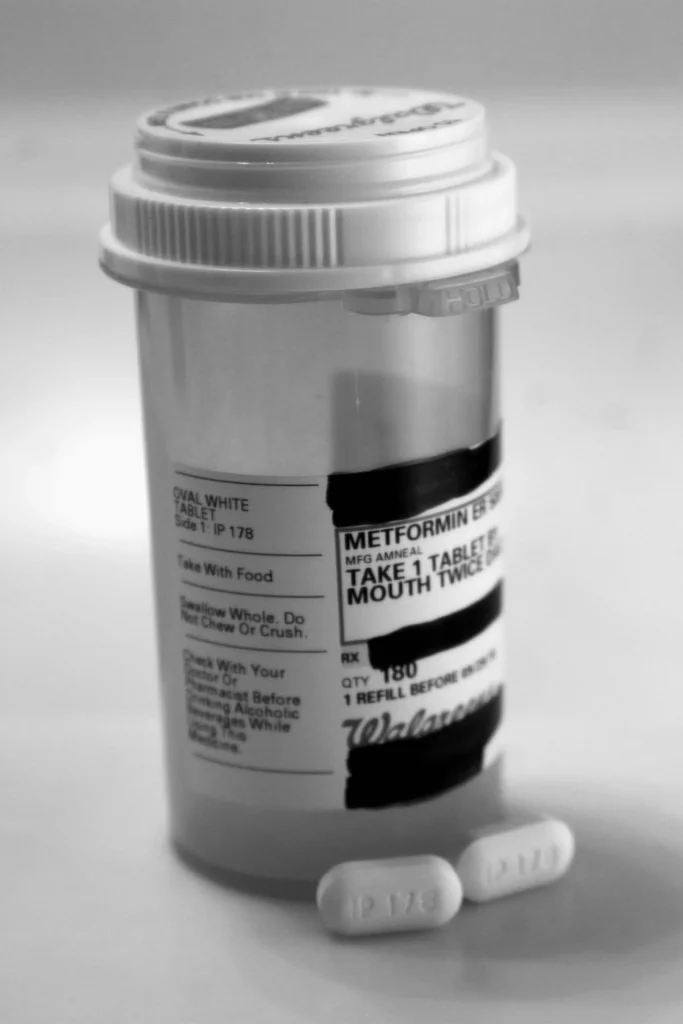
UNITED KINGDOM: People taking metformin for type 2 diabetes are being urged to check before using common painkillers, particularly ibuprofen and diclofenac.
The concern is that some anti-inflammatory medicines can affect kidney function, especially when a person is dehydrated or already has kidney problems. The warning does not mean these painkillers are automatically unsafe for everyone taking metformin.
Why Painkillers Need a Closer Look
Metformin is a widely prescribed medicine that helps control blood glucose levels in people with type 2 diabetes. The kidneys play an important role in removing this medicine from the body.
The concern was highlighted in a report published by Daily Post. It quoted Raj Patel, known as the Straight-Talking Pharmacist on TikTok, who warned that people may overlook the painkillers they purchase without a prescription.
He described the painkiller people buy for themselves as an interaction that could catch metformin users out.
The pharmacist specifically highlighted two common anti-inflammatory medicines: ibuprofen and diclofenac.
Both belong to a group of medicines called non-steroidal anti-inflammatory drugs (NSAIDs). They help reduce pain, swelling and inflammation.
However, the NHS lists NSAIDs such as ibuprofen and diclofenac among the medicines that may not mix well with metformin. Some blood pressure medicines and diuretics also require attention. (NHS, 2026).
How Ibuprofen and Diclofenac Affect the Kidneys
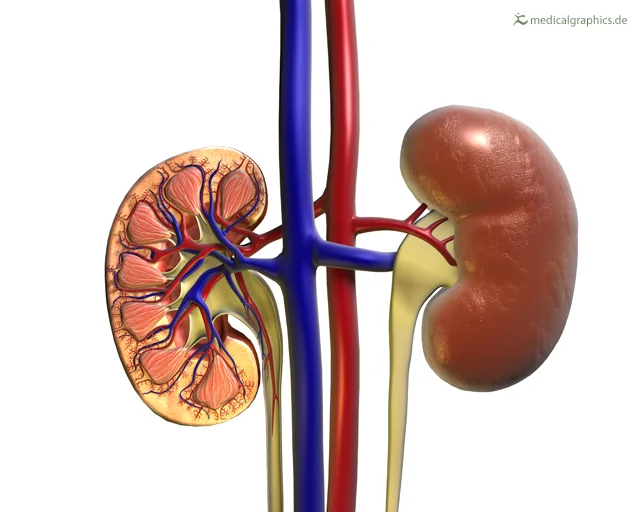
The kidneys need a steady blood supply to filter waste products and maintain the body’s fluid balance.
NSAIDs work by blocking enzymes involved in producing prostaglandins. These substances help maintain blood flow to the kidneys, particularly when the body is under stress.
Blocking prostaglandin production can reduce kidney blood flow in susceptible individuals. This may increase the risk of acute kidney injury (AKI), particularly in people with existing kidney problems or dehydration.
Research published in the European Journal of Internal Medicine has identified an association between NSAID use and acute kidney injury, particularly in people with risk factors such as dehydration, older age and existing medical conditions. (Klomjit & Ungprasert, 2022).
This matters for people taking metformin because the kidneys remove the medicine from the body.
If kidney function suddenly declines, metformin may accumulate in the bloodstream. This can increase the risk of a rare but serious complication called metformin-associated lactic acidosis.
However, taking ibuprofen or diclofenac with metformin does not automatically cause kidney damage or lactic acidosis. The risk depends on factors such as kidney health, hydration, other medicines, dosage and the duration of treatment.
Other Medicines That Need Attention
Painkillers are not the only medicines that people taking metformin should discuss with their pharmacist.
Raj Patel also highlighted certain blood pressure medicines and water tablets, medically known as diuretics.
These medicines can affect kidney function or fluid balance. Some are routinely prescribed alongside metformin, but patients with additional risk factors may need closer monitoring.
The National Institute of Diabetes and Digestive and Kidney Diseases (NIDDK) also advises people with diabetes, high blood pressure or kidney disease to take care when using over-the-counter medicines that may affect the kidneys.
Patients should tell their healthcare professional about all their prescribed medicines, including those used for blood pressure and fluid retention. (NIDDK, 2018).
Alcohol Can Increase the Risk
Alcohol is another important consideration for people taking metformin.
Excessive alcohol consumption can increase the risk of lactic acidosis. The risk deserves particular attention when someone is also fasting, dehydrated or has an existing liver problem.
Lactic acidosis occurs when lactate builds up in the bloodstream, making the blood more acidic. It is a rare but potentially life-threatening complication.
A medical review published in the World Journal of Diabetes explains that excessive alcohol consumption and reduced kidney clearance are important risk factors for metformin-associated lactic acidosis. (See, 2024).
People taking metformin should limit alcohol consumption and discuss their drinking habits with their healthcare professional, particularly if they have liver or kidney problems.
Dehydration Can Make Things Worse
Dehydration is another factor that can increase kidney-related risks.
Vomiting, diarrhea, fever and reduced fluid intake can cause the body to lose more water than it takes in. This can reduce blood flow to the kidneys and increase the risk of acute kidney injury.
The risk may become greater when someone uses NSAIDs during an illness that causes dehydration.
The NHS advises people taking metformin who develop vomiting, diarrhea or a high temperature to contact a pharmacist or doctor for advice.
Patients should also discuss a sick-day plan with their healthcare team. Depending on the illness and their medical history, a doctor may advise temporarily withholding metformin until it is safe to restart.
Patients should not independently stop or change their prescribed medicines. (NHS, 2026).
Check Before Taking Supplements
Medicines purchased without a prescription still need an interaction check. The same applies to vitamins, herbal remedies and dietary supplements.
Raj Patel specifically advised metformin users to check with a pharmacist before starting a new product, even when buying it from a supermarket.
This is important because supplements may contain several ingredients that could affect existing treatments or interact with other medicines.
Patients should maintain an updated list of their medicines and supplements and share it with their pharmacist or doctor.
A quick medication review can help identify potential interactions before they cause problems.
Recognizing Warning Signs of Lactic Acidosis
Metformin-associated lactic acidosis is rare, but it requires immediate medical attention.
Possible warning signs include:
- Unusual or severe tiredness and weakness.
- Muscle pain or cramps.
- Stomach pain, nausea or vomiting.
- Difficulty breathing or unusually rapid breathing.
- Feeling unusually cold or drowsy.
These symptoms can occur for several reasons and do not automatically indicate lactic acidosis. However, anyone taking metformin who develops a concerning combination of these symptoms should seek emergency medical assessment.
The NHS identifies lactic acidosis as a rare but serious side effect of metformin and advises emergency assistance when it is suspected. (NHS, 2026).
Regular Kidney Checks Matter
People taking metformin should have their kidney function monitored as advised by their healthcare professional.
Doctors commonly use a blood test to estimate the glomerular filtration rate (eGFR). This indicates how effectively the kidneys filter waste products from the blood.
The American Diabetes Association and Kidney Disease: Improving Global Outcomes (KDIGO) recommend adjusting metformin treatment according to kidney function.
They advise more frequent monitoring as eGFR falls below 60 mL/min/1.73 m² and discontinuing metformin when eGFR falls below 30 mL/min/1.73 m².
These decisions should be made by a healthcare professional based on the patient’s overall condition. (de Boer et al., 2022)
Conclusion
Metformin remains an established treatment for managing type 2 diabetes. However, people taking it should pay attention to medicines that may affect kidney function.
Common painkillers such as ibuprofen and diclofenac, certain blood pressure medicines, diuretics and excessive alcohol consumption deserve particular attention.
Patients do not need to avoid every painkiller or stop their diabetes treatment. They should check with a pharmacist or doctor before starting new medicines, vitamins or supplements.
Maintaining hydration, following an appropriate sick-day plan and attending regular kidney function checks can help reduce avoidable risks while supporting safe diabetes management.