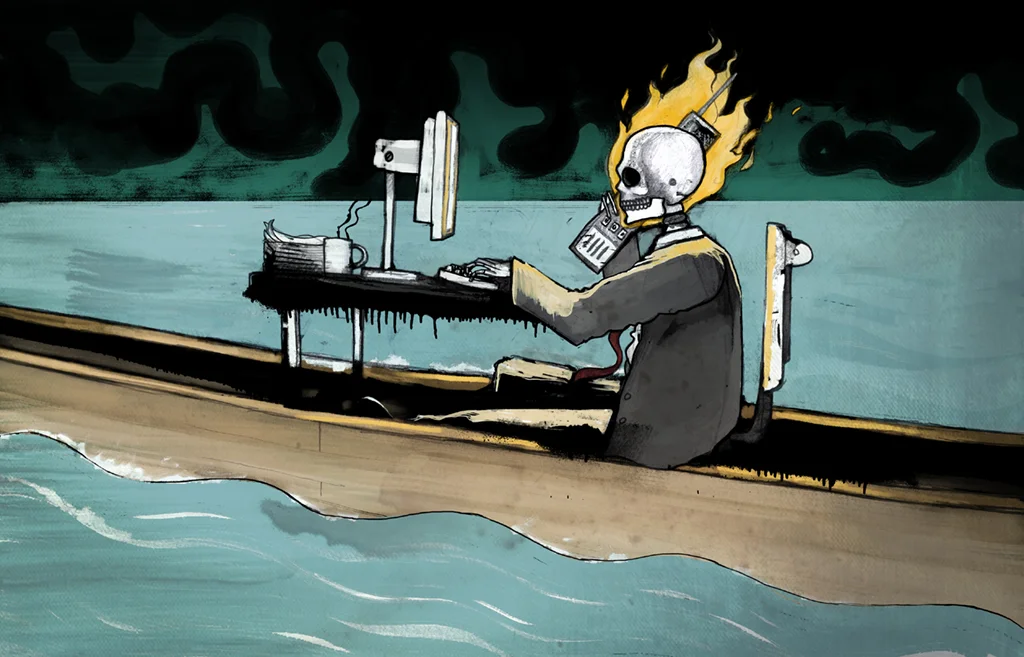

In 2025, we are more connected than ever—and yet, more mentally exhausted than we’ve ever been. With every notification ping, screen refresh, and endless scroll, our brains are working overtime. While digital tools have revolutionized how we work, communicate, and live, they’ve also created an invisible epidemic: digital burnout.
This isn’t just about tired eyes or occasional fatigue—it’s a deep, neurological strain that’s affecting our memory, attention span, emotional well-being, and even our ability to feel joy. If you’ve ever felt drained after a day online, you’re not alone. And the science backs it up.
What Is Digital Burnout?
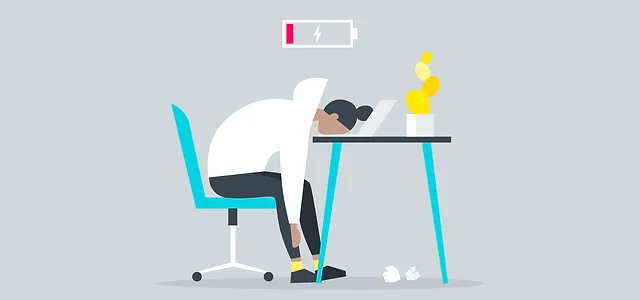
Digital burnout is a state of mental, emotional, and often physical exhaustion caused by prolonged exposure to screens and constant connectivity. Unlike general burnout from overwork, digital burnout stems from:
- Continuous screen time
- Information overload
- Lack of digital boundaries
- Inability to disconnect
In 2025, the lines between “on” and “off” have nearly disappeared. Work invades our weekends, social media creeps into our sleep routines, and the pressure to always be available has become a silent stressor.
How It Affects Your Brain
Recent studies from institutions like the University of California, Harvard Medical School, and the World Health Organization show alarming trends:
Reduced Focus and Cognitive Fog
A 2024 study in Nature Neuroscience found that people who multitask digitally (e.g., switching between apps, tabs, and devices frequently) experience a 20% drop in working memory and longer recovery times between tasks.
Shortened Attention Spans
Researchers from Stanford’s Virtual Human Interaction Lab discovered that sustained screen exposure—especially on platforms designed for quick dopamine hits (like TikTok or Instagram Reels)—rewires the brain, shortening attention spans and reducing our capacity for deep thinking.
Increased Anxiety and Depression
Increased screen time has been directly correlated with higher rates of anxiety, depression, and sleep disorders, particularly among younger adults. A 2025 global survey by WHO linked overuse of digital media to chronic stress, emotional numbness, and even reduced emotional empathy in interpersonal relationships.
The Emotional Toll
Beyond the science, there’s the deeply human cost. Maybe it’s the numb feeling after doomscrolling news late at night. Or the guilt of replying to work emails during family dinners. Or the anxious buzz of being “reachable” at all hours. This constant hyperconnectivity chips away at our inner peace—and over time, our identity.
Many describe it as being “mentally online even when offline.” Your mind races. Rest feels impossible. Joy becomes muted. That’s the emotional signature of digital burnout—and it’s time we take it seriously.
6 Ways to Protect Your Brain in a Hyperconnected World
Here’s how to reclaim your mental space without giving up the digital world entirely:
1. Set Screen Curfews
Establish a “tech curfew” at least one hour before bedtime. Use blue light filters and avoid emotionally triggering content at night. Your brain needs calm to transition into restorative sleep.
Research-backed tip: A study published in Sleep Medicine Reviews showed that avoiding screens an hour before bed improves melatonin production and sleep quality by 38%.
2. Practice Digital Fasting
Take regular breaks from screens—daily, weekly, and monthly. Even a short digital detox can reset your mental circuitry. Consider “no-screen Sundays” or “tech-free mornings” to restore presence and peace.
3. Reclaim Your Attention with Mindful Apps
Use technology to fight tech fatigue. Apps like Headspace, Forest, or Freedom help build focus, create boundaries, and reintroduce intention into your screen time.
4. Rebuild Real-World Rituals
Read physical books. Write in journals. Take analog walks. Call a friend instead of texting. These simple, real-world rituals ground your nervous system and offer what screens can’t: human depth.
5. Curate Your Digital Diet
Unfollow accounts that drain you. Turn off non-essential notifications. Organize your digital space to reflect your priorities, not addictive algorithms.
Fact: The average person receives 96 smartphone notifications a day in 2025. That’s nearly 6 distractions every waking hour.
6. Invest in Nature, Movement, and Stillness
Time in nature has been shown to reduce cortisol (stress hormone) levels by 25% within minutes. Combine that with light movement—yoga, walking, dancing—and your brain finds its rhythm again.
Final Thoughts: Healing Is Human
In this hyperconnected era, stepping back isn’t weakness—it’s wisdom. Your brain is not a machine. It’s a delicate, brilliant, living thing that thrives on rest, depth, emotion, and silence.
Protecting it isn’t just a personal act—it’s a cultural resistance. It’s saying: I choose presence over performance. Peace over pings. Life over likes.
Let’s not wait until we burn out to remember what it means to feel whole again.