


Neck pain is one of the most common musculoskeletal complaints across all age groups. Understanding causes of neck pain is essential because treatment must match the underlying source.
From students and desk workers to athletes and older adults, cervical pain affects productivity, sleep and overall quality of life. While many assume neck pain appears suddenly, most cases develop gradually due to posture habits, muscle imbalance, joint stress or nerve irritation.
This detailed guide explains the 15 most common causes of neck pain along with deeper clinical insights that most people are not aware of.
Read About: Complete Guide to Neck Pain: Causes, Symptoms, Exercises and Treatment
Why the Neck Is So Vulnerable to Pain
The cervical spine supports the head and allows extensive mobility. Because it balances flexibility with stability, even small stressors can trigger symptoms.
It contains:
- Seven vertebrae
- Shock absorbing discs
- Stabilizing ligaments
- Deep and superficial muscles
- Nerve roots that extend into the arms
Minor alignment changes can significantly increase strain on these structures.
15 Common Causes of Neck Pain
1. Poor Posture

Forward head posture increases compressive load on cervical joints and overstretches supporting muscles. It commonly develops in people who sit for long hours without ergonomic awareness.
Over time, poor posture alters muscle firing patterns and increases stress on the upper cervical joints. This can also contribute to chronic tension headaches.
Sustained slouching reduces activation of deep stabilizers while overloading superficial muscles such as the upper trapezius and levator scapulae.
Lesser Known Fact
Even a small forward shift of the head significantly increases spinal loading. Over months or years, this can accelerate early joint irritation and disc stress without a specific injury event.
Read More on: These Are Simple Posture Correction Exercises for Forward Head Posture
2. Text Neck Syndrome

Text Neck Syndrome results from prolonged mobile phone use with the head bent forward. The deeper the flexion angle and longer the duration, the higher the cumulative stress on cervical discs and ligaments.
It is increasingly common among students, remote workers and social media users.
Frequent texting without breaks reduces muscular endurance and increases ligament creep, which refers to gradual tissue stretching under constant load.
Lesser Known Fact
Cervical discs rely on movement for nutrient diffusion. Prolonged static flexion may reduce disc hydration, potentially accelerating degenerative changes over time.
3. Muscle Strain

Sudden jerky movements, improper lifting or awkward sleeping positions can overstretch cervical muscles. Acute strain usually causes localized pain and stiffness.
Pain typically increases with movement and decreases with gentle rest and mobility.
If untreated, minor strain can lead to protective muscle guarding, limiting range of motion.
Lesser Known Fact
Repeated small strains without correcting underlying posture can develop into chronic myofascial trigger points that refer pain to the head or shoulders.
4. Weak Deep Neck Flexors

Deep stabilizing muscles help maintain neutral cervical alignment. When weak, superficial muscles compensate excessively.
This imbalance leads to fatigue, stiffness and inefficient movement control.
Weak deep stabilizers also reduce shock absorption capacity during sudden head movements.
Lesser Known Fact
Studies show individuals with chronic neck pain often demonstrate reduced endurance of deep neck flexors, not just reduced strength. Endurance training is therefore critical in rehabilitation.
5. Cervical Spondylosis
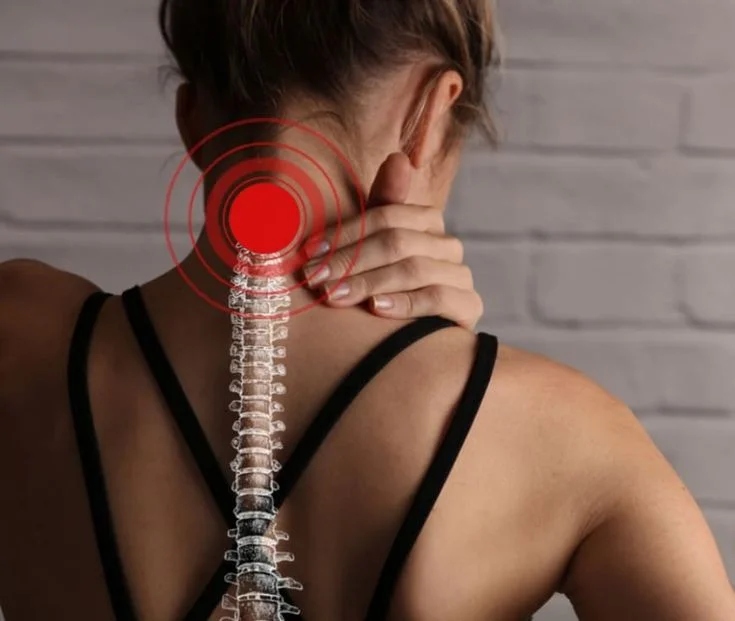
Cervical spondylosis refers to age related disc and joint degeneration. Disc dehydration, disc height reduction and bone spur formation are common findings.
These changes may narrow spaces around nerve roots.
Symptoms may include stiffness, limited mobility or radiating pain if nerves are involved.
Lesser Known Fact
Imaging findings do not always correlate with pain severity. Some people with significant degeneration report minimal symptoms.
6. Cervical Disc Herniation
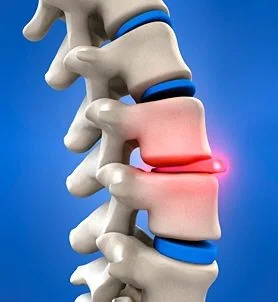
A disc herniation occurs when inner disc material protrudes and irritates a nearby nerve root. This often causes pain that radiates down the arm.
Symptoms may worsen with coughing, sneezing or prolonged sitting.
Inflammation around the nerve root plays a major role in symptom intensity.
Lesser Known Fact
Small disc herniations can cause severe pain if they contact sensitive nerve tissue, while larger bulges may remain painless if they avoid nerve compression.
7. Pinched Nerve
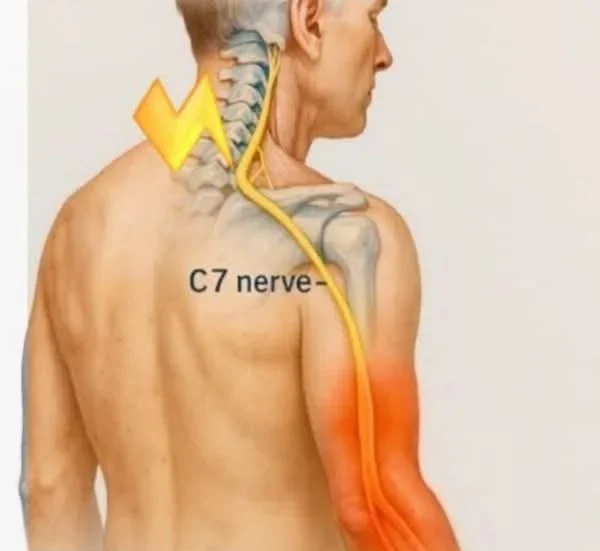
Cervical radiculopathy occurs when a nerve root is compressed by disc material, bone spurs or inflammation.
Symptoms follow specific nerve pathways and may affect certain fingers depending on the involved spinal level.
Weakness in shoulder or arm muscles may develop if compression persists.
Lesser Known Fact
In some cases, nerve compression may cause sensory symptoms such as tingling before noticeable pain appears.
8. Facet Joint Irritation
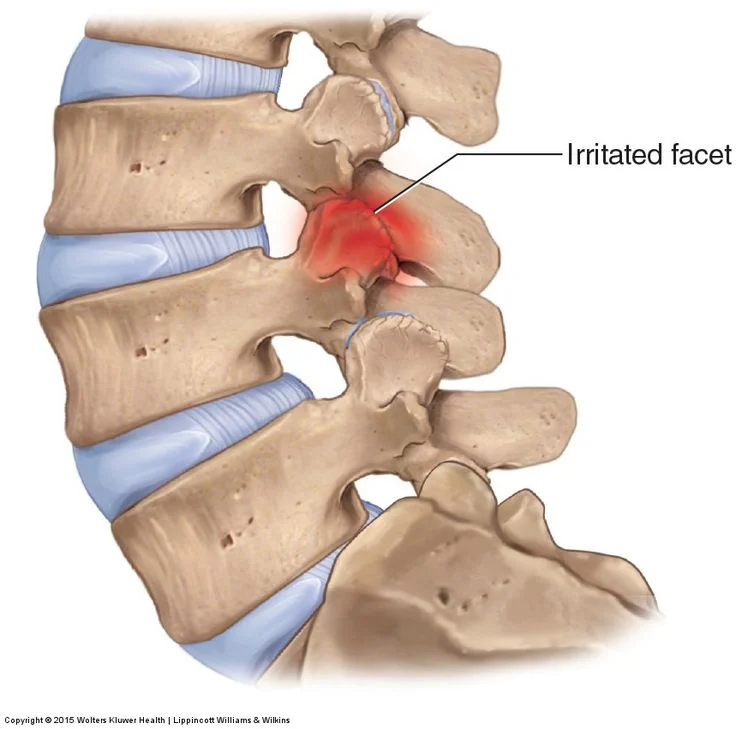
Facet joints guide and limit cervical movement. Repetitive extension posture or degenerative changes may inflame these joints.
Pain is often localized and may worsen with backward bending or prolonged upright posture.
Muscle spasms may develop as a protective response.
Lesser Known Fact
Facet joint pain may mimic disc related pain, making proper clinical assessment important for accurate diagnosis.
9. Whiplash Injury

Whiplash results from rapid acceleration and deceleration forces applied to the neck.
Soft tissues such as ligaments, discs and muscles may be strained simultaneously.
Symptoms may include stiffness, headache and reduced range of motion.
Lesser Known Fact
Chronic whiplash symptoms are sometimes linked to altered pain processing in the nervous system rather than structural damage alone.
10. Stress Induced Muscle Tension
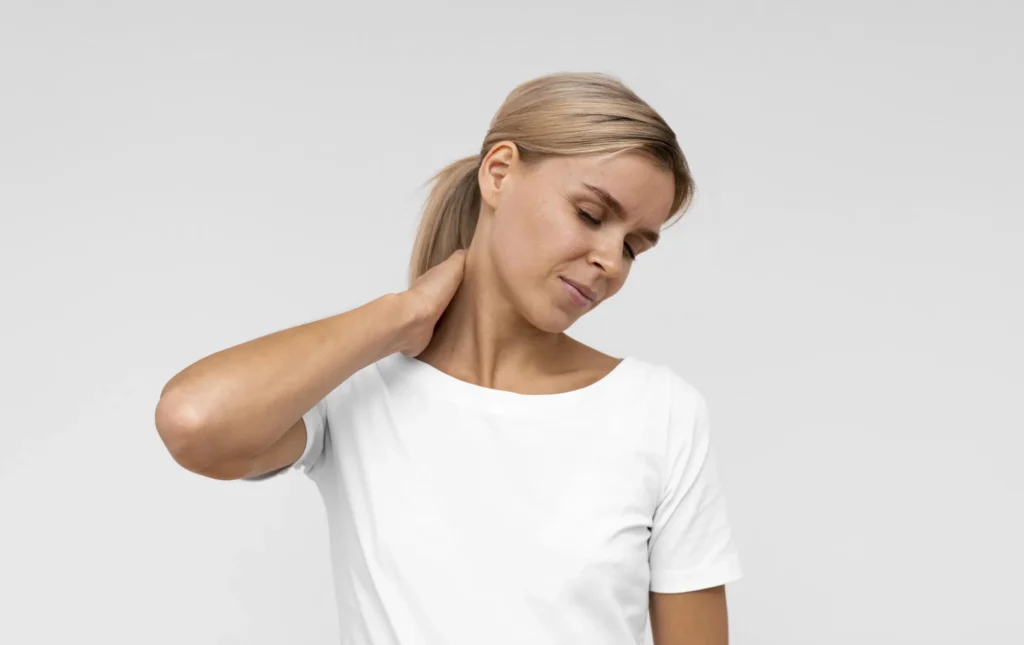
Psychological stress increases sympathetic nervous system activity, elevating muscle tone in the neck and shoulders.
Chronic tension reduces blood flow to muscles, increasing fatigue and discomfort.
Stress related pain often coexists with poor sleep patterns.
Lesser Known Fact
Stress induced neck pain often improves with breathing exercises and relaxation therapy, even without direct physical treatment.
Read more on: How to Relieve Neck Tightness Without Equipment
11. Poor Sleeping Position
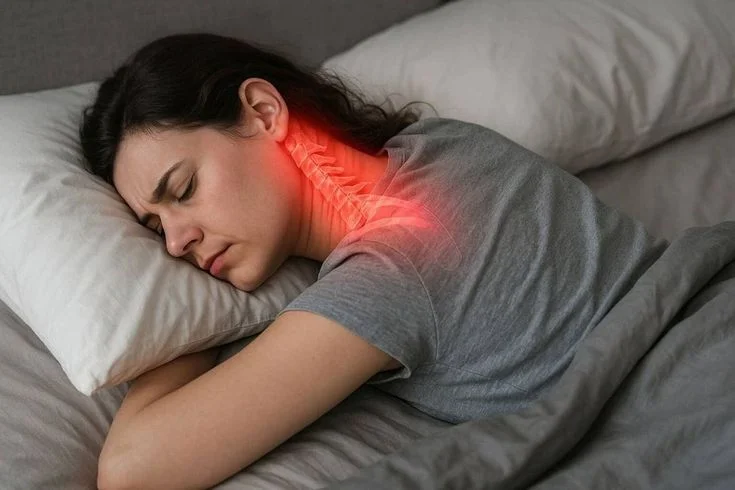
Sleeping on the stomach or using an unsupportive pillow may strain the cervical spine for several hours.
This often leads to morning stiffness or one sided neck discomfort.
Repeated nightly strain can worsen underlying mechanical issues.
Lesser Known Fact
The ideal pillow height varies based on shoulder width and sleeping position, not just mattress firmness.
12. Repetitive Occupational Strain
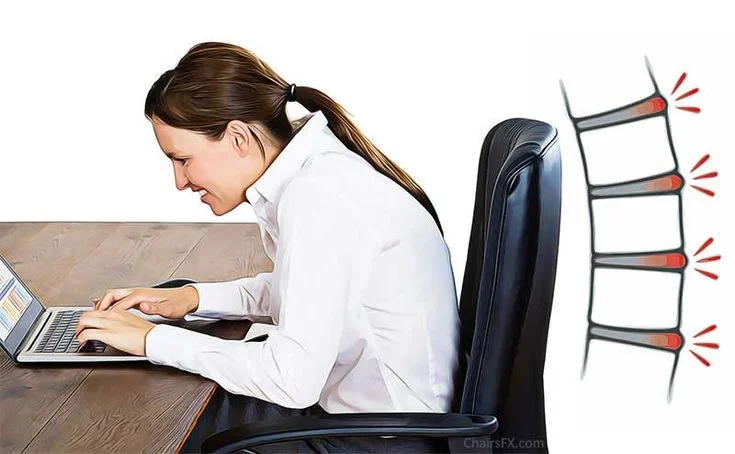
Long hours of computer work, driving or repetitive head movements increase cumulative cervical stress.
Static posture reduces oxygen supply to postural muscles.
Over time, endurance decreases and stiffness develops more easily.
Lesser Known Fact
Taking short movement breaks every 45 to 60 minutes significantly reduces muscular fatigue and improves disc nutrition.
Read about: Best Desk Setup to Reduce Neck and Back Pain
13. Arthritis
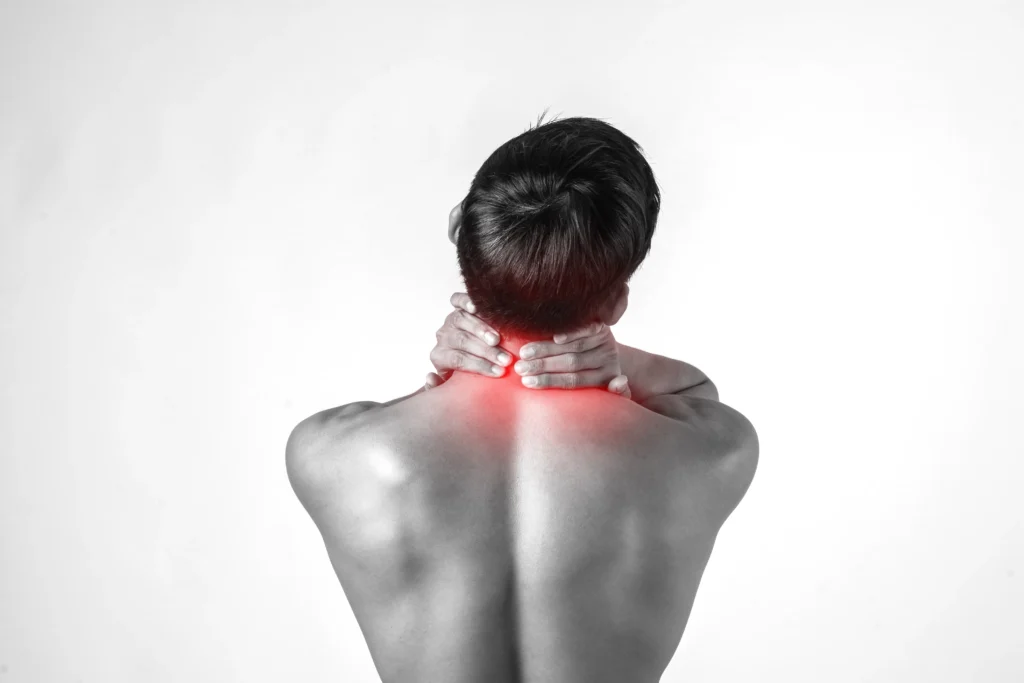
Inflammatory or degenerative arthritis can affect cervical joints and cause stiffness and pain.
Symptoms often worsen after inactivity.
Inflammatory types may present with systemic symptoms.
Lesser Known Fact
Inflammatory arthritis often causes symmetrical stiffness and may require medical management beyond physiotherapy.
14. Degenerative Disc Disease
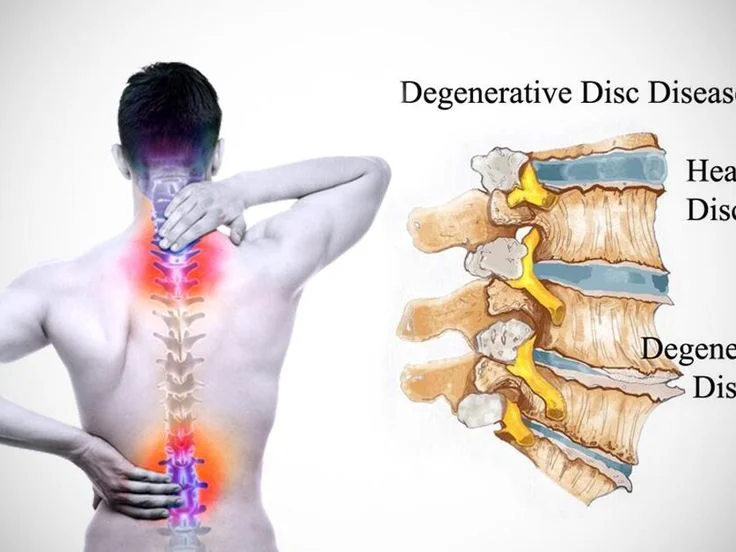
With aging, discs gradually lose hydration and elasticity.
Reduced shock absorption increases load on surrounding joints.
This process may develop silently over years.
Lesser Known Fact
Genetics plays a significant role in disc degeneration, meaning lifestyle modification can help but may not completely prevent structural changes.
15. Serious Medical Conditions
Although rare, neck pain may indicate infection, tumor, fracture or neurological disease.
These conditions often present with additional warning signs.
Pain may not respond to typical mechanical treatments.
Lesser Known Fact
Unrelenting night pain that does not improve with position change is considered more concerning than movement related discomfort.
Can Neck Pain Become Chronic?
Most neck pain is temporary. However, untreated mechanical problems may progress into chronic pain.
Risk factors for chronicity include:
- Poor posture habits
- Fear of movement
- Ongoing stress
- Recurrent untreated strain
Early intervention reduces long term risk.
Lesser Known Fact
Persistent pain sometimes involves nervous system sensitization rather than ongoing tissue damage.
Acute vs Chronic Neck Pain
Acute pain is usually muscular and short term.
Chronic pain often involves muscle imbalance, joint changes or persistent nerve irritation.
Duration helps determine treatment direction.
Risk Factors That Increase Neck Pain
- Sedentary lifestyle
- Smoking
- Poor ergonomics
- High stress levels
- Lack of strength training
Smoking reduces disc nutrition and accelerates degeneration.
Also Read: The Ultimate Neck Stretch Routine for Desk Workers in 2026
Who Is Most at Risk for Neck Pain?
Certain groups have higher risk:
- IT professionals
- Students
- Drivers
- Gamers
- Elderly individuals
- People with high stress levels
Sedentary lifestyle significantly increases susceptibility.
Lesser Known Fact
Women statistically report neck pain more frequently than men, possibly due to hormonal and muscle endurance differences.
Also Read: Effective Neck Pain Exercises At Home: A Complete Guide to Relief and Improved Mobility
How Long Does Neck Pain Usually Last?
Recovery depends on the cause.
- Muscle strain: 1 to 2 weeks
- Postural pain: Improves within weeks with correction
- Disc related pain: 4 to 8 weeks
- Chronic degenerative pain: May require long term management
Early movement and guided exercise speed recovery.
Lesser Known Fact
Complete bed rest beyond two days may delay recovery in mechanical neck pain cases.
Also Read: How to do Chin Tucks for Neck Pain Relief and Posture Correction
When to See a Physiotherapist for Neck Pain
Most neck pain improves with posture correction and simple exercises. However, professional guidance is important in certain situations.
You should consult a physiotherapist if:
- Pain lasts more than two weeks
- Pain radiates into the arm
- Numbness or tingling appears
- Neck pain keeps recurring
- Movement becomes significantly restricted
Early assessment helps identify whether the issue is muscular, joint related or nerve related. A structured rehabilitation program reduces recovery time and lowers the risk of chronic pain.
Lesser Known Fact
Research shows that early active rehabilitation leads to better long term outcomes compared to prolonged rest or repeated medication use.
Frequently Asked Questions (FAQ)
1. Can neck pain go away on its own?
Yes, mild muscular neck pain often improves within one to two weeks with rest and gentle movement.
2. When should I worry about neck pain?
Seek medical care if you have progressive weakness, numbness, fever, or pain after serious trauma.
3. Is stress really one of the causes of neck pain?
Yes, chronic stress increases muscle tension in the neck and shoulders, leading to stiffness and headaches.
4. Is neck cracking harmful?
Occasional gentle cracking is usually harmless, but frequent forceful manipulation may irritate joints.
5. What is the fastest way to relieve neck pain?
Improving posture, applying heat, and performing gentle mobility exercises often provide quick relief.
Conclusion
Neck pain usually develops due to identifiable mechanical, postural or structural factors. By understanding these 15 causes of neck pain and the deeper mechanisms behind them, individuals can pursue targeted treatment instead of temporary relief methods.
Early correction, strengthening exercises and posture awareness remain the most effective strategies for protecting long term cervical spine health.
Stay tuned with us for more health related topics.
Follow us on LinkedIn and Instagram for more.
More Read


Medical Disclaimer!
This article has been reviewed and written under the guidance of our Head Physiotherapist, Dr. Kruti Raj (PT, MUHS,CPT,CMPT). The information shared is intended for educational purposes only and should not be considered a substitute for personalized medical advice, diagnosis, or treatment.
Please consult us or any other qualified healthcare professional before beginning any exercise program, especially if you are experiencing pain, recovering from injury, or managing a medical condition.


