


Back pain relief became my priority when persistent discomfort started affecting my daily activities.
There was a time when I thought the answer had to be hidden somewhere.
Maybe it was the next MRI scan.
Maybe it was a special exercise I had not tried.
Maybe it was a different mattress, a better chair, a new supplement, or a treatment that promised to “fix” my back forever.
If you are reading this article, there is a good chance that you have had similar thoughts.
Perhaps you have searched online late at night, trying to find the one thing that finally works.
Perhaps you have been living with back pain for weeks, months, or even years without any relief.
Perhaps you have reached the point where you are thinking:
“I just want my life back.”
Quick Answer
There is rarely one magic cure for back pain. For many people, long-term recovery comes from understanding pain, staying active, exercising regularly, sleeping well, managing stress, and gradually returning to normal life. Small, consistent habits often make the biggest difference.
As a physiotherapist, I have spoken to many people who feel exactly the same way.
The surprising thing is that the people who recover often do not find one miracle cure.
Instead, they slowly discover that recovery is usually built from many small steps that work together.
That may not sound exciting, but it is often the truth.
Key Takeaways
- There is usually no single cure for back pain.
- Most people recover through a combination of healthy habits.
- Movement and exercise are often part of successful recovery.
- Fear and stress can influence pain.
- Good sleep supports healing and well-being.
- Progress is rarely perfectly linear.
- Professional guidance can help if pain persists.
The Day I Thought I Found the Cure
Almost everyone with persistent back pain has a story.
Someone recommends a special stretch.
A friend suggests a new mattress.
A social media video promises to “unlock your spine in 30 seconds.”
For a few days, it feels better.
Then the pain returns.
This cycle can be frustrating because it creates the feeling that the answer is always just out of reach.
The reality is that most back pain is not caused by one simple problem that has one simple relief solution.
According to the International Association for the Study of Pain,
many episodes of low back pain are non-specific, meaning they cannot be linked to a single structure in the spine. (International Association for the Study of Pain 2021)
The Biggest Turning Point
One of the biggest changes I see in people who recover is not physical.
It is mental.
They stop asking:
“How do I stop every sensation in my back?”
and start asking:
“How do I get back to living my life?”
This change is powerful.
Modern pain science tells us that pain is influenced by physical, psychological, and social factors.
Stress, poor sleep, fear, inactivity, and uncertainty can all play a role. (WHO Guideline 2023)
My MRI Did Not Change My Life
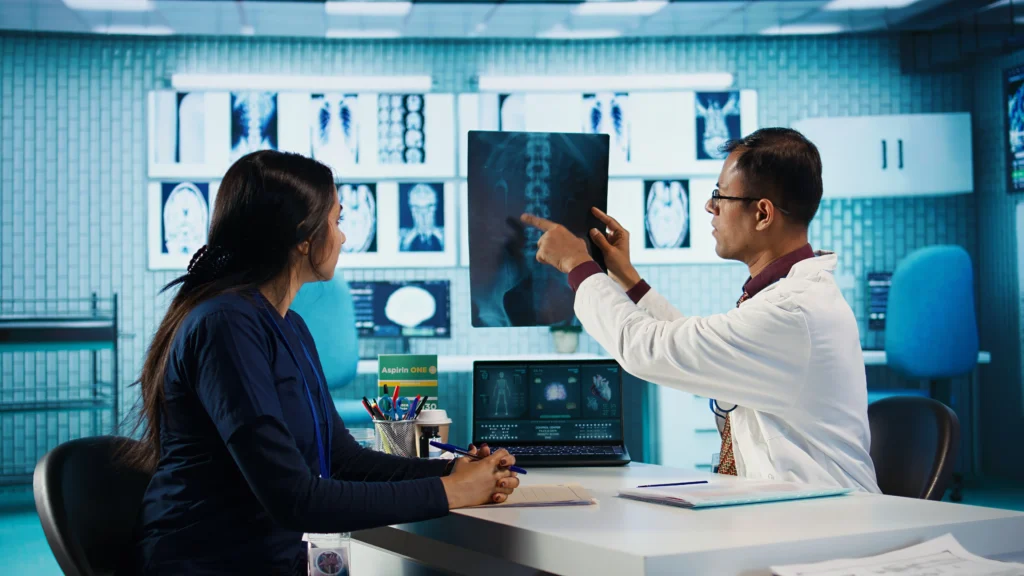
Many people believe that the answer will come from a scan.
Sometimes imaging is important.
However, many people with back pain have scans that show common age-related changes, while many people without pain have similar findings.
An MRI is a useful medical tool, but it does not always explain why someone hurts.
That is why understanding movement, lifestyle, stress, sleep, and daily habits is often just as important.
If this sounds familiar, our article My MRI Is Normal. So Why Does My Back Still Hurt? explores this topic in more detail.
I Stopped Waiting for Perfect
Many people delay recovery because they are waiting.
Waiting for pain to disappear.
Waiting for the perfect exercise.
Waiting for the perfect treatment.
Waiting for confidence.
Unfortunately, confidence often comes after movement, not before it.
The body is designed to adapt.
Small amounts of comfortable movement repeated consistently can help restore trust in your back.
Movement Became My Medicine
One of the biggest breakthroughs for many people is learning that movement is not the enemy.
Walking.
Gentle stretching.
Strength exercises.
Daily activities.
These are often more powerful than people expect.
Exercise therapy is widely recognised as an evidence-based approach for many people with persistent low back pain. (Ying et al. 2023)
The goal is not to become an athlete overnight.
The goal is to move a little more than yesterday.
I Learned That Rest Has Limits
Rest can be useful during a severe flare-up.
But staying in bed for days often creates new problems.
Muscles become weaker.
Joints become stiffer.
Confidence decreases.
Many modern guidelines encourage people to stay as active as possible within their limits.
That does not mean ignoring severe pain.
It means avoiding unnecessary inactivity.
Sleep Was More Important Than I Thought
Poor sleep and pain often make each other worse.
When you sleep badly, your body may feel more sensitive.
When you hurt, sleeping becomes difficult.
Improving sleep habits may not cure back pain, but it can support recovery.
Calculate your ideal sleep timings here: “Sleep Calculator“
Simple changes include:
- Keeping a regular bedtime.
- Limiting screen time before sleep.
- Creating a comfortable sleeping environment.
- Choosing a supportive mattress.
Our article Best Mattress for My Back Pain Relief explains this in greater detail.
Stress Was Part of the Story
Many people dislike hearing this because they think it means the pain is imaginary.
It does not.
Stress is real.
Pain is real.
The nervous system connects them.
Periods of high stress can increase muscle tension and make back pain feel more intense without any relief.
Learning relaxation techniques, breathing exercises, or simply making time to recover mentally can be valuable.
I Stopped Chasing Miracle Cures
I have seen people spend large amounts of money on gadgets, supplements, and expensive products.
Some may provide temporary comfort.
Very few change the long-term picture by themselves.
The people who often do well usually build a routine.
They:
- Walk.
- Stay active.
- Exercise.
- Sleep better.
- Manage stress.
- Keep moving forward.
It sounds simple because it is simple.
Simple does not mean easy.
The Cure Was Not One Thing
If I had to summarise the biggest lesson, it would be this:
The cure was not one exercise.
It was not one scan.
It was not one mattress.
It was not one medicine.
It was not one appointment.
It was a combination of many healthy habits repeated consistently.
What Actually Helped
For many people, these strategies become the foundation of recovery:
- Understanding pain.
- Reducing fear.
- Staying active.
- Walking regularly.
- Building strength gradually.
- Improving sleep.
- Managing stress.
- Returning to normal activities.
- Asking for help when needed.
What Did Not Help
Many people discover that these habits slow progress:
- Staying in bed for long periods.
- Avoiding all movement.
- Expecting instant results.
- Comparing yourself with others.
- Searching endlessly for miracle cures.
- Becoming afraid of every sensation.
Myth vs Fact
Myth: There is one exercise that cures back pain.
Fact: Recovery usually comes from a combination of healthy habits.
Myth: Pain always means damage.
Fact: Many people experience pain without serious structural injury.
Myth: You should avoid movement until all pain disappears.
Fact: Gentle movement is often an important part of recovery.
Recovery Is Not Always a Straight Line
Some days are good.
Some days are frustrating.
A flare-up does not always mean damage.
Many people recover while still experiencing occasional setbacks.
Progress is often measured over weeks and months, not hours and days.
When You Should See a Physiotherapist
Professional advice can be helpful if:
- Pain lasts for several weeks.
- Symptoms keep returning.
- Daily activities become difficult.
- Pain spreads into the leg.
- You are losing confidence in movement.
A physiotherapist looks beyond scans.
We look at how you move, work, sleep, exercise, and live.
When Should You Seek Urgent Medical Care?
Seek immediate medical assessment if you experience:
- Loss of bladder or bowel control.
- Severe weakness in the legs.
- Numbness around the groin.
- Major trauma.
- High fever with severe back pain.
- Unexplained weight loss.
- Rapidly worsening symptoms.
Seek Immediate Medical Care If You Have:
- Loss of bladder or bowel control
- Severe weakness in the legs
- Numbness around the groin
- Major trauma
- High fever with severe back pain
- Unexplained weight loss
- Rapidly worsening symptoms
A Physiotherapist’s Perspective
One of the hardest parts of back pain is feeling that your body has let you down.
In reality, the human body is remarkably adaptable.
Recovery is often less about finding something that is broken and more about rebuilding confidence.
People are stronger than they think.
The spine is stronger than many people realise.
The goal is not just to reduce pain.
The goal is to help you return to the life you want to live.
A Physiotherapist’s Advice
Do not measure recovery by one painful day. Look at the bigger picture. If you are moving more, sleeping better, and becoming less afraid of activity, you are often moving in the right direction even if occasional flare-ups happen.
Final Thoughts
If you were hoping this article would reveal one hidden secret that cures every case of back pain, you may be disappointed.
But if you were looking for hope, there is good news.
Many people recover.
Many people return to work, sport, family activities, and the hobbies they love.
The breakthrough often comes when they stop searching for one perfect answer and start building many small healthy habits.
The real cure is rarely one thing.
It is understanding your body, trusting movement, staying active, sleeping well, managing stress, and giving yourself time to recover.
If you are struggling with back pain without any relief today, do not lose hope.
Your story is probably not over.
And with the right guidance and consistent habits, your next chapter may look very different from the last.
The Real Breakthrough
Many people spend years searching for one perfect cure. The real breakthrough often comes when they stop chasing quick fixes and start building a healthier routine.
- Trust movement.
- Stay active.
- Build strength gradually.
- Sleep well.
- Manage stress.
- Be patient with yourself.
This article is based on the real recovery journey of one of Dr. Kruti’s patients who successfully overcame back pain through a personalized physiotherapy approach. The experiences shared reflect the patient’s perspective and recovery process. The content has been medically reviewed by Dr. Kruti Raj, a founder and Head Physiotherapist at Vcurehealthcare, to ensure clinical accuracy and evidence-based guidance.
Frequently Asked Questions
1. Is there really a cure for back pain?
Many people recover successfully, but the “cure” is often a combination of healthy habits rather than one treatment.
2. Can exercise help back pain?
For many people, appropriate exercise and movement are important parts of recovery.
3. Does stress affect back pain?
Yes. Stress may increase muscle tension and influence how pain is experienced.
4. Should I stop moving if my back hurts?
In many cases, gentle movement is better than prolonged inactivity.
5. Can an MRI always find the cause of back pain?
No. Many people have back pain without a clear structural explanation.
6. How long does recovery take?
Recovery varies from person to person and is often gradual.
7. When should I see a physiotherapist?
If pain persists, keeps returning, or limits daily life, professional advice may help.
8. When should I seek emergency medical attention?
Seek urgent help if you develop severe weakness, bladder or bowel problems, groin numbness, or major trauma.
Stay tuned with us for more health related topics.
Follow us on LinkedIn and Instagram for more.
More Read


Medical Disclaimer!
This article has been reviewed and written under the guidance of our Head Physiotherapist, Dr. Kruti Raj (PT, MUHS,CPT,CMPT). The information shared is intended for educational purposes only and should not be considered a substitute for personalized medical advice, diagnosis, or treatment.
Please consult us or any other qualified healthcare professional before beginning any exercise program, especially if you are experiencing pain, recovering from injury, or managing a medical condition.


