


Cervical disc degeneration is one of the leading causes of chronic neck pain and disability worldwide. Physiotherapy for cervical disc degeneration remains the first-line treatment because it addresses the underlying biomechanical and muscular dysfunction responsible for cervical spine stress.
Recent rehabilitation research shows that targeted cervical exercises, especially deep neck flexor training and scapular stabilization, significantly improve pain, mobility, and functional disability in people with chronic neck disorders. (PubMed)
Read in detail about: Cervical Disc Degeneration: The Hidden Cause of your Neck Pain
A structured physiotherapy program typically focuses on four major components:
- Pain reduction
- Cervical mobility restoration
- Deep cervical muscle strengthening
- Postural correction
Read in detail about our Complete Guide to Neck Pain: Causes, Symptoms, Exercises and Treatment
Phase-Wise Physiotherapy Rehabilitation Plan
Treatment for cervical disc degeneration should ideally follow three phases.
Phase 1: Pain Relief and Muscle Relaxation (Week 1–2)
The goal of this stage is to reduce inflammation and muscle spasm around the cervical spine.
1. Cervical Range of Motion Exercises

These exercises maintain mobility without stressing the discs.
Exercise Routine
Neck Flexion
Slowly bend your head forward until the chin touches the chest.
Repetitions- 10 reps
Neck Extension
Slowly look upward toward the ceiling.
Repetitions- 10 reps
Turn the head gently to the right and left.
Repetitions- 10 each side
Tilt the ear toward the shoulder.
Repetitions- 10 each side
Perform this routine 2–3 times daily.
These exercises improve spinal lubrication and maintain disc nutrition.
2. Chin Tuck Exercise (Deep Neck Flexor Activation)
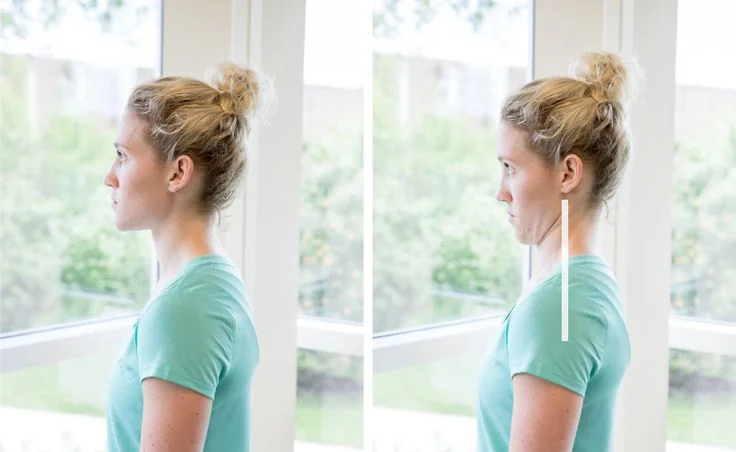
Learn How to do Chin Tucks for Neck Pain Relief and Posture Correction
The chin tuck is considered one of the most important exercises for cervical spine rehabilitation.
Research shows that patients with neck disorders often have weak deep cervical flexor muscles, which leads to poor neck support and increased disc stress. (PubMed)
How to Perform
- Lie on your back.
- Gently pull your chin backward as if creating a double chin.
- Hold for 5 seconds.
Repetitions: 10–15
Frequency- 2 sets daily
This activates the longus colli and longus capitis, the deep stabilizers of the cervical spine.
3. Upper Trapezius Stretch

Tight upper trapezius muscles are extremely common in patients with cervical degeneration.
How to Perform
- Sit upright.
- Tilt your head toward one shoulder.
- Hold the stretch.
Hold
20–30 seconds
Repeat
3 times each side
4. Levator Scapula Stretch
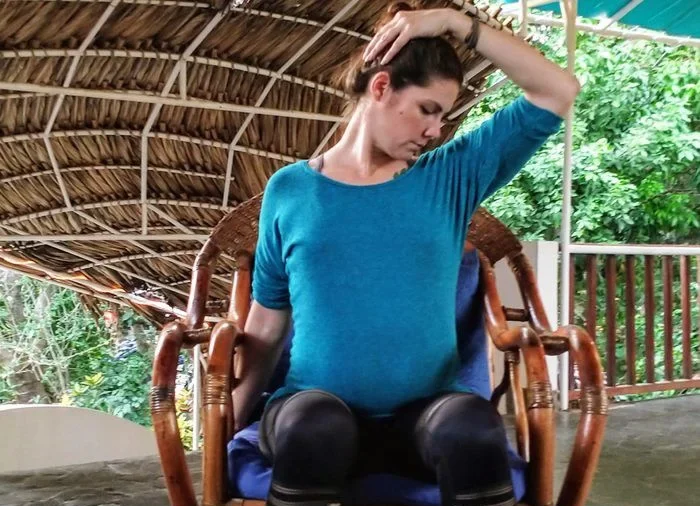
The levator scapula is often responsible for persistent neck stiffness.
Technique
- Rotate your head 45 degrees.
- Bend your head forward toward your armpit.
- Apply gentle pressure with your hand.
Hold- 30 seconds
Repeat- 3 times
Read about: Effective Neck Pain Exercises At Home: A Complete Guide to Relief and Improved Mobility
Phase 2: Strengthening and Stabilization (Week 3–6)
Once pain reduces, strengthening exercises become the focus.
This phase is extremely important because disc degeneration is strongly linked to weakness of deep cervical stabilizing muscles.
1. Deep Cervical Flexor Training

A randomized clinical trial showed that training deep cervical flexors improves pain, posture, and neck disability scores. (PubMed)
Exercise
Craniocervical Flexion Exercise
Steps
- Lie on your back.
- Perform a gentle chin tuck.
- Slightly lift the head 1-2 cm.
Hold- 5 seconds
Repetitions- 10
Progression
Increase hold to 10 seconds.
2. Isometric Neck Strengthening
Isometric exercises strengthen the cervical muscles without movement.
Flexion
Place palm on forehead and push gently.
Hold- 5 seconds
Repetitions- 10
Extension
Place palm on back of head.
Hold- 5 seconds
Side Flexion
Place hand on the side of the head.
Hold- 5 seconds
Perform 2 sets daily.
3. Scapular Stabilization Exercises

The neck and shoulder blades work together biomechanically.
Studies show that combining scapulothoracic strengthening with neck exercises improves mobility and reduces disability. (PubMed)
Exercise: Scapular Retraction
- Sit upright.
- Pull shoulder blades together.
- Hold for 5 seconds.
Repetitions- 15
4. Thoracic Extension Exercise
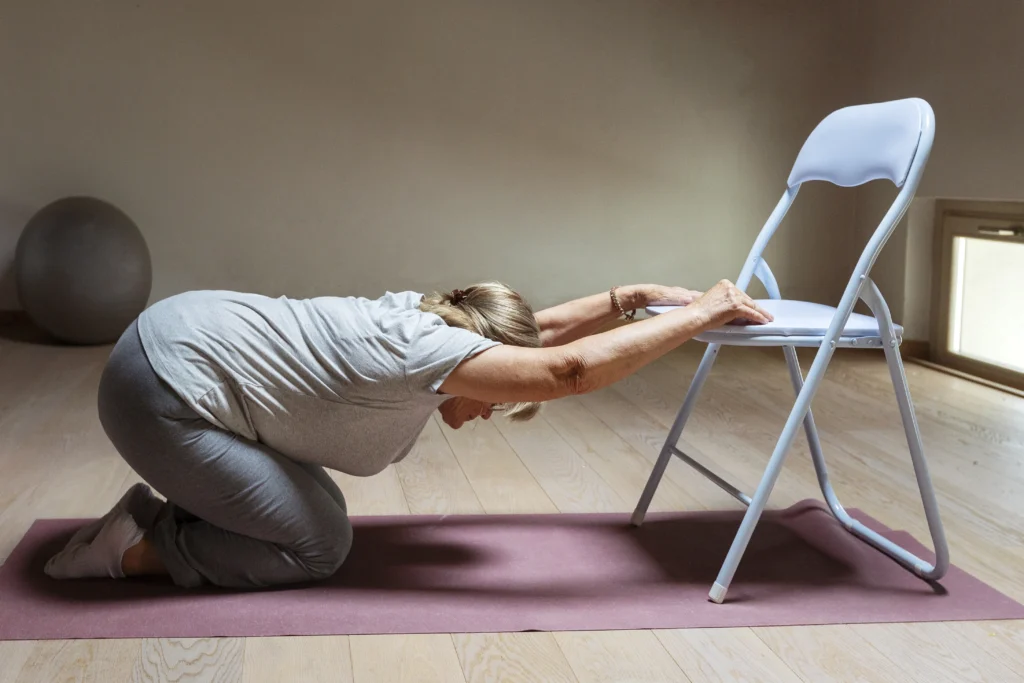
Limited thoracic mobility increases stress on the cervical spine.
Exercise
- Sit in a chair.
- Place hands behind the head.
- Lean backward over the chair.
Repetitions- 10
Read in detail about: Cervical Disc Degeneration: The Hidden Cause of your Neck Pain
Phase 3: Functional Rehabilitation (Week 6–12)
This phase focuses on postural correction and endurance training.
1. Wall Posture Exercise
Stand with back against a wall.
Points touching the wall
- Head
- Shoulders
- Hips
Hold for 30 seconds.
Repeat 5 times
This retrains proper spinal alignment.
2. Resistance Band Neck Training
Attach a resistance band to a stable point.
Perform
- Neck flexion
- Neck extension
- Neck rotation
Repetitions- 10 each direction.
3. Dynamic Neck Stability Exercises
Examples include
- Quadruped neck stabilization
- Balance training with head movement
- Eye-head coordination drills
These exercises improve cervical proprioception and neuromuscular control.
Learn About: The Ultimate Neck Stretch Routine for Desk Workers in 2026
Advanced Physiotherapy Treatments for Cervical Disc Degeneration
While exercise therapy remains the foundation of rehabilitation, many physiotherapy clinics now use advanced technologies and specialized techniques to improve outcomes in patients with cervical disc degeneration.
These treatments aim to reduce nerve compression, improve spinal mechanics, accelerate tissue healing, and restore normal neck function.
1. Cervical Traction Therapy
Cervical traction is one of the most widely studied advanced physiotherapy treatments for degenerative cervical spine conditions.
How it Works
Traction applies a controlled pulling force to the cervical spine. This helps:
- Increase space between vertebrae
- Reduce pressure on spinal nerves
- Improve disc hydration and nutrient exchange
- Decrease muscle spasms
Research shows that traction can significantly improve symptoms in patients with cervical disc degeneration and nerve root compression. (Healthy Jeena Sikho)
Types of Cervical Traction
Manual Traction
Performed by a physiotherapist using hands to gently decompress the cervical spine.
Mechanical Traction
Uses specialized machines to deliver controlled traction forces.
Home Traction Devices
Portable traction devices allow patients to continue treatment at home under supervision.
Lesser-Known Fact
Traction also improves intervertebral disc nutrition by enhancing diffusion of fluids and nutrients through the endplates.
2. Non-Surgical Spinal Decompression Therapy
This is a more advanced version of traction that uses computer-controlled equipment.
Unlike traditional traction, decompression therapy gradually alters force patterns to prevent muscle guarding.
Benefits
- Reduces disc pressure
- Improves disc rehydration
- Relieves nerve root compression
- Improves spinal mobility
Clinical studies show significant reductions in cervical pain scores after decompression therapy programs lasting around 6–8 weeks. (medsciencegroup.us)
3. Dry Needling Therapy
Dry needling is an advanced physiotherapy technique used to treat myofascial trigger points.
Mechanism
A thin sterile needle is inserted into tight muscle bands within the neck.
This produces several effects:
- Trigger point release
- Reduced muscle tension
- Improved blood circulation
- Reduced referred pain
Studies show that dry needling can significantly improve pain levels and muscle function in cervical disorders. (Physiotattva)
4. High-Intensity Laser Therapy
Laser therapy is increasingly used in modern rehabilitation clinics.
How it Works
Laser therapy delivers light energy to deep tissues, which stimulates cellular activity.
This process:
- Reduces inflammation
- Accelerates tissue healing
- Improves microcirculation
- Decreases pain sensitivity
Clinical reviews suggest that high-intensity laser therapy improves cervical range of motion and pain levels in degenerative neck conditions. (ijhsr.org)
5. Neuromuscular Electrical Stimulation (NMES)
Electrical stimulation activates muscles using mild electrical currents.
Benefits
- Re-educates weak cervical muscles
- Prevents muscle atrophy
- Improves muscle endurance
- Reduces pain through the gate control mechanism
This therapy is particularly helpful in patients who struggle to activate deep neck stabilizing muscles.
6. Neural Mobilization Techniques
Neural mobilization is a specialized physiotherapy technique used when nerves are irritated by degenerative disc changes.
How it Works
Gentle nerve gliding exercises improve nerve mobility and reduce nerve sensitivity.
Clinical research shows that combining neural mobilization with cervical traction significantly improves symptoms in patients with cervical radiculopathy. (onlinescientificresearch.com)
7. Advanced Manual Therapy Techniques
Manual therapy is widely used in modern spine rehabilitation.
These techniques include:
- Cervical joint mobilization
- Thoracic spine manipulation
- Myofascial release
- Suboccipital release
- Trigger point therapy
Manual therapy improves joint mobility, reduces stiffness, and restores normal spinal biomechanics. (spectrumphysio.info)
8. Virtual Reality Rehabilitation
Some advanced rehabilitation centers now use virtual reality training for spinal rehabilitation.
Patients perform neck movements while interacting with virtual tasks.
Benefits include:
- Improved movement coordination
- Increased exercise motivation
- Better neuromuscular control
Clinical reviews suggest VR-based therapy may enhance rehabilitation outcomes in cervical spine disorders. (ijhsr.org)
9. Stabilometric Platform Training
This advanced rehabilitation tool trains balance and postural control.
Patients stand on a computerized platform that detects body movements.
The system helps:
- Improve postural control
- Activate spinal stabilizing muscles
- Enhance neuromuscular coordination
A clinical case report showed improvements in strength, range of motion, and functional outcomes using stabilometric training combined with physiotherapy. (PubMed)
Read in detail: Simple Posture Correction Exercises for Forward Head Posture
Physiotherapy Advice: What Patients Should Avoid
Many patients unknowingly worsen cervical degeneration through daily habits.
1. Avoid Prolonged Smartphone Use
Forward head posture can increase neck load dramatically.
For example, a 60-degree head tilt increases cervical spine load by more than 25 kg.
2. Avoid Sleeping on Very High Pillows
High pillows force the cervical spine into flexion.
This increases disc pressure overnight.
3. Avoid Sudden Neck Movements
Examples include
- Rapid twisting
- High-velocity neck cracking
- Aggressive self-manipulation
These movements may aggravate disc injury.
4. Avoid Long Static Postures
Sitting at a computer for hours without breaks significantly increases cervical muscle fatigue.
Also read: How to Relieve Neck Tightness Without Equipment
Rare or Lesser-Known Physiotherapy Techniques
Craniosacral Therapy
A gentle technique that improves movement of cerebrospinal fluid and reduces tension around the cervical spine.
Thunder-Fire Moxibustion
A specialized thermal therapy sometimes used alongside physiotherapy for cervical spine disorders.
Ergonomic Latex Pillow Therapy
Certain clinical studies have shown that using cervical-support pillows during sleep can improve symptoms of cervical degeneration. (ijhsr.org)
Read about : 15 Common Causes of Neck Pain You Should Know
Lesser-Known Facts About Cervical Disc Degeneration
1. Neck Muscle Weakness Is Often the Hidden Cause
Research shows that people with chronic neck pain frequently have reduced endurance of deep cervical flexor muscles. (PubMed)
These muscles act like the core muscles of the neck.
If they become weak, superficial muscles compensate, leading to pain.
2. Disc Degeneration Is Often Painless
Many individuals with severe disc degeneration on MRI do not experience symptoms.
Pain usually occurs only when nerves or joints become involved.
3. Thoracic Spine Mobility Affects the Neck
Limited movement in the upper back forces the cervical spine to move excessively.
This phenomenon is called regional interdependence in physiotherapy.
4. Exercise Adherence Is the Biggest Predictor of Recovery
Modern rehabilitation studies show that patient adherence to exercise programs is often more important than the specific exercise chosen.
Many patients are unaware of these specialized treatments used in advanced rehabilitation centers.
Real-Life Clinical Examples from Studies
Study Example 1
A clinical study involving school teachers with work-related neck pain found that deep cervical flexor training significantly improved pain levels and posture over four weeks. (PubMed)
Teachers who performed these exercises showed greater improvements than those doing general exercises alone.
Study Example 2
A randomized trial comparing McKenzie exercises with deep neck flexor and scapular training showed improvements in cervical mobility and reduction in neck disability in patients with chronic neck pain. (PubMed)
This confirms the importance of combining neck and shoulder rehabilitation.
Study Example 3
A clinical trial evaluating early cervical functional exercises after cervical spine surgery showed that patients who began controlled rehabilitation early experienced better recovery outcomes than those receiving usual care. (ScienceDirect)
Emerging and Future Treatments
Researchers are developing new technologies to improve cervical spine rehabilitation.
These include
- AI-assisted MRI analysis for better diagnosis
- Advanced artificial disc implants designed to mimic natural spinal biomechanics
- Virtual-reality rehabilitation programs that gamify neck exercises to improve patient adherence (arXiv)
These innovations may transform spinal rehabilitation in the future.
Clinical Insight
In clinical practice, many patients focus only on imaging reports that show disc degeneration. However, the real problem is often muscle imbalance and poor posture rather than the disc itself.
Strengthening the deep cervical muscles and correcting daily habits can dramatically reduce symptoms even when MRI scans show degenerative changes.
Physio Prescription
Daily Routine for Cervical Disc Degeneration
Morning
Chin tuck exercise- 10 reps
Neck mobility routine- 5 minutes
Afternoon
Scapular retraction- 15 reps
Thoracic extension exercise- 10 reps
Evening
Upper trapezius stretch- 30 seconds
Levator scapula stretch- 30 seconds
Consistency is more important than intensity.
Red Flags
Immediate medical evaluation is needed if neck pain occurs with:
- Arm weakness
- Difficulty walking
- Loss of hand coordination
- Severe trauma
- Progressive numbness
Clinical Insight
In patients with cervical disc degeneration, advanced physiotherapy technologies can help reduce pain and improve recovery. However, these treatments work best when combined with a structured exercise program.
Passive therapies alone are rarely sufficient. The real goal of physiotherapy is to restore muscle balance, spinal stability, and healthy movement patterns.
Frequently Asked Questions
Cervical disc degeneration is the gradual wear and tear of the discs in the neck, which can lead to neck pain, stiffness, and reduced mobility.
Typical symptoms include chronic neck pain, stiffness, headaches, reduced neck movement, and sometimes tingling or numbness in the arms.
Yes. Physiotherapy can help reduce pain, improve spinal mobility, strengthen neck muscles, and slow further degeneration.
Deep neck flexor strengthening, gentle cervical mobility exercises, posture correction exercises, and scapular stabilization exercises are commonly recommended.
Most patients experience noticeable improvement within 4 to 8 weeks with regular physiotherapy and consistent home exercises.
Avoid prolonged forward head posture, sudden neck movements, heavy lifting on the shoulders, and long hours of continuous screen use.
Yes. Cervical traction may help reduce pressure on spinal discs and nerves, providing temporary relief from pain and stiffness.
Yes. Maintaining good posture, regular exercise, ergonomic work setups, and proper neck support during sleep can help manage symptoms.
Final Word
It is a common spinal condition, but it does not necessarily lead to severe disability. With proper physiotherapy for cervical disc degeneration, targeted exercises, and lifestyle modifications, most patients can manage their symptoms effectively and maintain a good quality of life.
A structured rehabilitation program focusing on deep neck flexor strengthening, scapular stabilization, and posture correction remains the cornerstone of treatment.
Stay tuned with us for more health related topics.
Follow us on LinkedIn and Instagram for more.
More Read


Medical Disclaimer!
This article has been reviewed and written under the guidance of our Head Physiotherapist, Dr. Kruti Raj (PT, MUHS,CPT,CMPT). The information shared is intended for educational purposes only and should not be considered a substitute for personalized medical advice, diagnosis, or treatment.
Please consult us or any other qualified healthcare professional before beginning any exercise program, especially if you are experiencing pain, recovering from injury, or managing a medical condition.


