SHELEKHOV, IRKUTSK REGION, RUSSIA
A laboratory worker’s death from severe pneumonia in Siberia has triggered medical monitoring of about 200 people amid reports of possible exposure to plague bacteria.
Russian authorities have not confirmed that the woman had plague.
WHO says the wider public-health risk remains low, while investigations and contact monitoring continue.
Russian Plague Scare Explained
The phrase “Russian plague” refers to fears surrounding the death of 28-year-old Darya Shipilova, who worked at the Irkutsk Anti-Plague Research Institute of Siberia and the Far East.
Shipilova died in a hospital in Shelekhov on October 2 after developing severe pneumonia.
Her death attracted international attention because of her work at an institute that studies dangerous pathogens, including Yersinia pestis, the bacterium that causes plague.
Cosmopolitan also reported on the incident, including the reported laboratory exposure and the symptoms associated with pneumonic plague.
The reported connection between Shipilova’s illness and a laboratory accident remains unconfirmed.
What Happened in Siberia?
Shipilova was reportedly hospitalized in Shelekhov after developing severe respiratory illness. Reports indicate that her condition deteriorated rapidly and that she required ventilator support before her death.
Russian health authorities have described the illness as pneumonia of unknown etiology, meaning that the precise cause had not been established. Rospotrebnadzor,
Russia’s public-health watchdog, said extensive testing did not find microorganisms in her biological samples that were associated with her professional activities.
The circumstances surrounding her illness have produced conflicting accounts.
Some Russian media reports claimed that Shipilova accidentally broke a test tube containing Yersinia pestis at the institute on September 25.
Other reports suggested a possible exposure during travel to Buryatia.
Neither explanation has been officially confirmed.
Rospotrebnadzor has said there was no recorded laboratory accident involving pathogenic microorganisms.
That distinction is important. A reported exposure is not the same as a confirmed infection.
Why Were Nearly 200 People Monitored?
Authorities took precautionary measures because Shipilova had contact with other people before her death and because pneumonic plague, if confirmed, can spread through respiratory particles.
Around 200 people who may have had contact with her were placed under medical observation.
Reports also described restrictions at the Shelekhov hospital where she was treated, while more than 60 employees at the anti-plague institute were reportedly isolated as a precaution.
By October 6, Russian authorities said no plague cases had been detected among Shipilova’s contacts.
Rospotrebnadzor also said no infectious diseases had been reported among staff at the research institute during the previous 10 days.
Some people under observation were reportedly found to have common respiratory infections, including COVID-19 and rhinovirus, rather than plague.
What Russian Authorities Say
Russian authorities have repeatedly rejected claims that a confirmed plague outbreak is underway.
Rospotrebnadzor said the woman’s illness was pneumonia of unknown origin and reported that testing did not identify microorganisms connected to her work.
On October 6, Russian authorities told the World Health Organization that no case of plague had been recorded in Irkutsk.
WHO spokesperson Christian Lindmeier said authorities had identified the people who had contact with the deceased and that tests for dangerous infectious pathogens were negative among those contacts.
However, it remained unclear from the information available to WHO whether the deceased worker herself had been definitively ruled out for plague.
What Is Pneumonic Plague?
Pneumonic plague is a severe form of plague caused by the bacterium Yersinia pestis.
Plague occurs naturally among small mammals and their fleas in several parts of the world.
People can become infected through infected flea bites, contact with infected tissues or, in pneumonic plague, inhalation of infectious respiratory particles.
There are three main forms of plague:
- Bubonic plague, which primarily affects the lymphatic system and causes painful swollen lymph nodes.
- Septicemic plague, which occurs when the bacteria spread through the bloodstream.
- Pneumonic plague, which affects the lungs and can spread from person to person through respiratory particles.
Pneumonic plague is the most serious form because it can progress rapidly and can be transmitted between people.
Five Symptoms to Watch
The symptoms below describe confirmed pneumonic plague, not symptoms that prove the Siberian case was plague.
1. Sudden Fever
Fever can develop rapidly in people with plague.
Pneumonic plague may also cause chills, headache, body aches and weakness.
These symptoms can overlap with influenza, COVID-19, bacterial pneumonia and other respiratory infections.
A fever alone cannot identify plague.
2. Persistent Cough
Cough is one of the important respiratory symptoms associated with pneumonic plague.
The cough can become severe as infection affects the lungs.
In confirmed pneumonic plague, respiratory particles produced during coughing can transmit Y. pestis to people in close contact.
3. Difficulty Breathing
Shortness of breath is another important symptom.
Because pneumonic plague affects the lungs, breathing difficulties can develop alongside coughing and chest symptoms.
Rapidly worsening breathing requires urgent medical assessment regardless of the suspected cause.
4. Chest Pain
Pain in the Chest can occur when the lungs are affected by pneumonic plague.
Combined with fever, cough and breathing difficulty should be medically assessed promptly.
These symptoms are not specific to plague and can occur with several other serious respiratory illnesses.
5. Bloody Sputum
Coughing up blood or blood-stained sputum is a recognised symptom of pneumonic plague.
WHO identifies severe respiratory symptoms, including coughing and blood-tainted sputum, among the signs associated with pneumonic plague.
Coughing blood should always be treated as a reason for urgent medical evaluation rather than used as a basis for self-diagnosis.
How Quickly Can Symptoms Appear?
Plague can have a short incubation period.
WHO states that people infected with Y. pestis often develop symptoms within one to seven days, although the incubation period can sometimes be as short as 24 hours.
Pneumonic plague can therefore become serious quickly after infection.
The rapid progression is one reason suspected pneumonic plague cases require immediate medical assessment, isolation where appropriate and public-health investigation.
How Does Pneumonic Plague Spread?
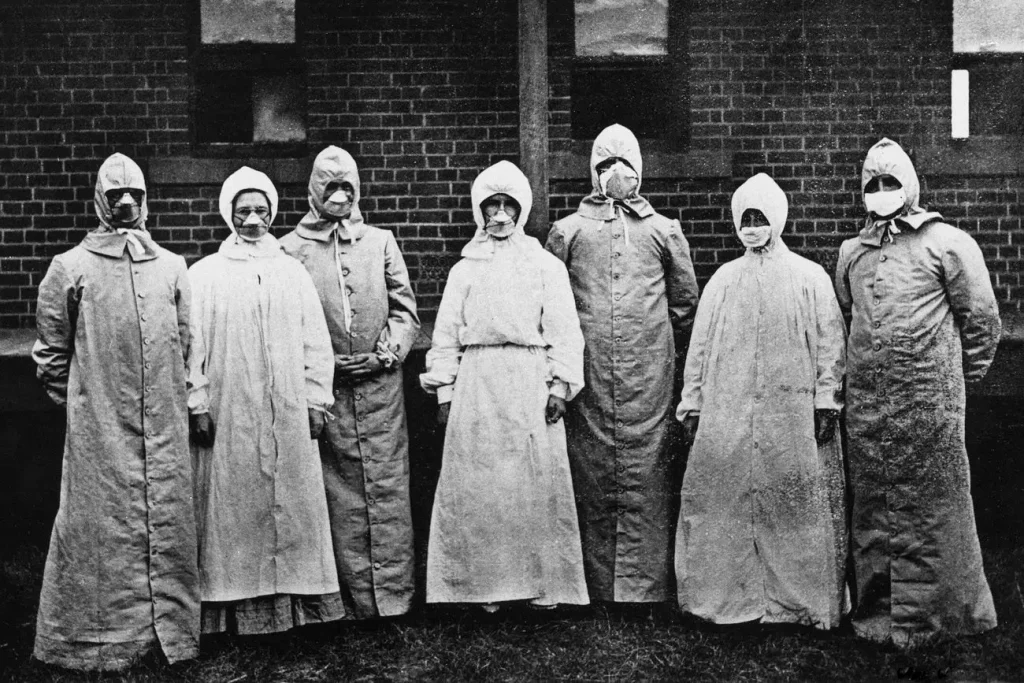
The way plague spreads depends on its form.
Bubonic plague is generally associated with infected flea bites and does not normally spread directly between people.
Pneumonic plague is different.
A person with pneumonic plague can transmit Y. pestis through infectious respiratory particles, particularly during close contact.
This does not mean that every person with pneumonia can spread plague.
The bacterium must actually be present, and laboratory testing is required to establish the diagnosis.
Is the Russian Plague Confirmed?
No confirmed Russian plague outbreak has been established as of October 6, 2026.
This is the most important distinction in the story.
The reported incident involves a laboratory worker who died after severe pneumonia.
Russian authorities have not confirmed that plague caused her illness.
On October 6, WHO said Russian authorities had reported no plague cases in Irkutsk and that contacts of the deceased had tested negative for dangerous infectious pathogens.
WHO also said the wider public-health risk remained low.
The situation remains under investigation because the available information has not fully established the cause of Shipilova’s illness.
Why Is Siberia Associated With Plague?
Plague is not a newly emerging disease created by the Siberian incident.
The bacterium Yersinia pestis occurs naturally in animal populations in several regions. The Irkutsk area is among regions where plague occurs naturally in wild animals.
This background explains why Russia maintains specialized anti-plague research and surveillance institutions in the region.
It does not, however, establish that Shipilova contracted plague from wildlife or from her workplace.
Is Plague Treatable?
Yes. Plague is a serious bacterial infection, but effective antibiotic treatment is available.
The CDC recommends starting appropriate treatment as soon as plague is suspected rather than waiting for final laboratory confirmation.
Treatment can involve intravenous or oral antimicrobials depending on the patient’s condition and other clinical factors.
WHO states that early diagnosis and treatment can save lives.
Untreated pneumonic plague can be fatal, while recovery is much more likely when treatment begins promptly.
People should not self-medicate with antibiotics based on news reports or symptoms.
Treatment decisions should be made by qualified healthcare professionals.
When Should Someone Seek Medical Help?
A person with sudden fever and severe respiratory symptoms should seek medical attention promptly.
Urgent assessment is especially important when symptoms include:
- Difficulty breathing
- Severe or worsening cough
- Chest pain
- Bloody sputum
- Rapid deterioration
- Severe weakness or confusion
These symptoms do not automatically indicate plague.
Doctors use the patient’s symptoms, exposure history and laboratory testing to determine the cause.
People who have had a known exposure to a confirmed or suspected pneumonic plague patient may require medical monitoring or preventive treatment based on public-health advice.
What Is the International Response?
The incident has attracted attention outside Russia because pneumonic plague can spread between people and can become severe without rapid treatment.
The United States has been monitoring the situation. U.S. Secretary of State Marco Rubio said officials were following developments, while President Donald Trump said the United States was prepared to help Russia.
WHO has also been monitoring the situation and communicating with Russian authorities.
Despite the international attention, WHO’s current assessment indicates that the broader public-health risk remains low.
What Happens Next?
The next important step is establishing the actual cause of Shipilova’s illness.
Health authorities are continuing to review laboratory findings and monitor people who had contact with her.
As of October 6, Russian authorities reported no confirmed plague cases among those contacts.
They also said a substantial proportion of people placed under precautionary quarantine had already been released.
The reported broken test tube remains an unverified part of the story.
Until laboratory evidence establishes otherwise, it should not be presented as the confirmed cause of the woman’s illness.
Final Takeaway
The Siberian incident has generated serious concern because a laboratory worker who handled dangerous pathogens died after developing severe pneumonia, followed by precautionary monitoring of about 200 contacts.
However, the available evidence does not establish a confirmed Russian pneumonic plague outbreak.
The phrase “Russian plague” describes the current media concern, not a newly recognised disease.
Pneumonic plague itself is a real and potentially life-threatening infection caused by Yersinia pestis, but it can be treated when diagnosed quickly.
The five symptoms to know are fever, persistent cough, difficulty breathing, chest pain and bloody sputum.
These symptoms can also occur in other respiratory illnesses, so they should never be used for self-diagnosis.
The investigation is ongoing, no plague cases have been confirmed among the monitored contacts, and WHO currently considers the wider public-health risk low.
Stay tuned with us for more health related topics.
Follow us on LinkedIn and Instagram for more.