


Brown vaginal discharge is a common concern among women of all ages and one of the most frequently searched menstrual and reproductive health symptoms online.
While seeing brown discharge can be alarming, it is often a normal part of the menstrual cycle.
In many cases, the brown color simply indicates older blood that has taken longer to leave the uterus and has oxidized after exposure to air.
Brown discharge may occur before a period begins, towards the end of menstruation, during ovulation, after hormonal changes, or occasionally during early pregnancy.
Most episodes are harmless and resolve without treatment.
However, persistent brown discharge, discharge with an unpleasant odor, severe pelvic pain, fever, heavy bleeding, or discharge after menopause should never be ignored,
as these symptoms may indicate infection, hormonal imbalance, uterine abnormalities, or other gynecological conditions.
Understanding when brown vaginal discharge is considered normal and when it may signal an underlying medical condition can help women make informed decisions about seeking healthcare.
Quick Answer
Brown vaginal discharge is usually caused by old blood mixing with normal vaginal discharge and is commonly seen before or after a menstrual period. In most cases, it is harmless. However, brown discharge accompanied by a foul odor, severe pelvic pain, fever, heavy bleeding, itching, burning, pregnancy, or occurring after menopause may indicate an underlying medical condition that requires prompt evaluation.
As a Physiotherapist, I often educate women about changes in menstrual and reproductive health that may cause unnecessary anxiety.
Although physiotherapy does not directly treat vaginal discharge,
it plays an important role in managing pelvic pain, pelvic floor dysfunction, and musculoskeletal symptoms associated with many gynecological conditions.
Combined with appropriate medical care, physiotherapy can improve pelvic health, function, and overall quality of life.
This guide explains the causes of brown vaginal discharge, associated symptoms, diagnosis, treatment options, and warning signs that require medical attention.
Evidence: Brown vaginal discharge is commonly caused by old blood leaving the uterus and is often a normal finding before or after menstruation. Persistent, foul-smelling, or painful discharge should be evaluated to exclude infection or underlying gynecological conditions. (Healthline)
Key Takeaways
- Brown vaginal discharge is usually old blood mixed with normal vaginal discharge.
- It commonly occurs before or after menstruation and is often a normal part of the menstrual cycle.
- Persistent discharge, foul odor, pelvic pain, fever, or heavy bleeding should always be medically evaluated.
- Common causes include hormonal changes, ovulation, pregnancy, infections, endometriosis, adenomyosis, and PCOS.
- Diagnosis may involve a pelvic examination, laboratory tests, and imaging depending on the symptoms.
- Women’s health physiotherapy supports pelvic pain management, pelvic floor rehabilitation, and overall pelvic health alongside appropriate medical treatment.
What Is Brown Vaginal Discharge?
Brown vaginal discharge is vaginal fluid that contains small amounts of old blood.
As blood remains in the uterus or vagina for longer periods, it becomes darker due to oxidation, giving the discharge a brown, dark brown, or rust-colored appearance.
The discharge may range from:
- Light brown
- Dark brown
- Chocolate brown
- Rust-colored
- Brown spotting
- Brown mucus
The consistency may also vary and can be:
- Thin and watery
- Thick
- Sticky
- Mucus-like
- Stringy
Brown discharge may occur on its own or alongside a normal menstrual period.
Why Is Vaginal Discharge Brown?
Fresh blood is typically bright red because it contains oxygen-rich hemoglobin.
As blood remains inside the uterus or vagina, it gradually loses oxygen and undergoes oxidation, causing it to change from bright red to dark red and eventually brown.
This process explains why women commonly notice brown discharge:
- Before a period starts
- At the end of a menstrual period
- After light spotting
- Following ovulation
- After gynecological procedures
- After sexual intercourse (in some cases)
The brown color alone does not necessarily indicate a health problem.
Instead, the timing, associated symptoms, and duration help determine whether the discharge is normal or abnormal.
Is Brown Vaginal Discharge Normal?
Yes.
Brown vaginal discharge is often a normal physiological occurrence.
It is commonly considered normal when it:
- Appears just before menstruation.
- Occurs during the last few days of a period.
- Lasts for one or two days.
- Is light in amount.
- Has no unpleasant odor.
- Is not associated with severe pain, fever, or heavy bleeding.
Occasional brown spotting between menstrual cycles may also occur around ovulation or after starting hormonal contraception.
However, persistent, recurrent, or symptomatic brown discharge should be medically evaluated.
Common Causes of Brown Vaginal Discharge
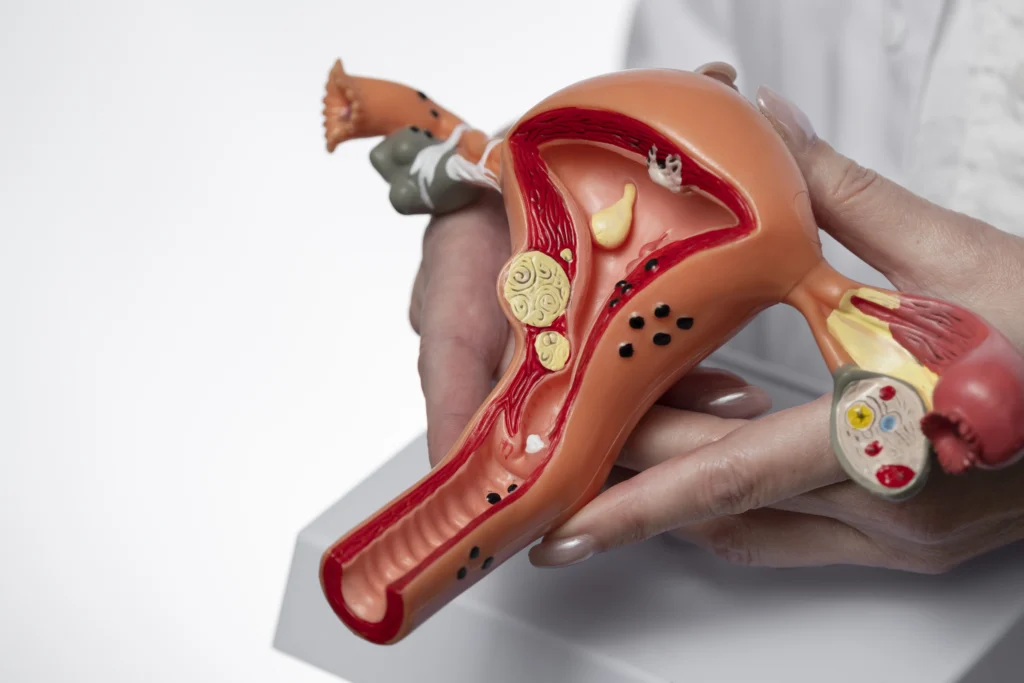
Beginning or End of Menstruation
The most common cause is old menstrual blood leaving the uterus slowly.
Brown discharge often appears one or two days before bleeding begins or during the final days of a period.
Ovulation
Some women experience light spotting around ovulation due to hormonal fluctuations.
When this small amount of blood mixes with vaginal discharge, it may appear brown.
Hormonal Birth Control
Birth control pills, hormonal intrauterine devices (IUDs), contraceptive injections, and implants may cause irregular spotting, particularly during the first few months of use.
Implantation Bleeding
A small number of women experience light brown or pink spotting during early pregnancy as the fertilized egg implants into the uterine lining.
Implantation bleeding is usually lighter and shorter than a menstrual period.
Perimenopause
Hormonal fluctuations during the years leading up to menopause may cause irregular menstrual cycles and occasional brown spotting.
Cervical or Vaginal Irritation
Minor irritation following sexual intercourse, a pelvic examination, or cervical screening may cause light brown spotting that resolves within a short time.
Stress and Hormonal Changes
Significant physical or emotional stress can temporarily affect hormone levels, resulting in irregular menstrual cycles and light brown discharge.
Pregnancy
Although brown discharge during early pregnancy is sometimes harmless,
any vaginal bleeding during pregnancy should be discussed with a healthcare provider to exclude complications.
Normal Brown Discharge vs Abnormal Brown Discharge
Evidence: Brown vaginal discharge is frequently related to old menstrual blood, but persistent discharge, unpleasant odor, pain, or abnormal bleeding warrants further medical assessment to identify underlying causes. (Healthline)
| Feature | Normal Brown Discharge | Abnormal Brown Discharge |
|---|---|---|
| Timing | Before or after periods | At any time with concerning symptoms |
| Duration | One to three days | Persistent or recurrent |
| Amount | Light spotting | Moderate to heavy bleeding |
| Odor | None | Foul or fishy smell |
| Pain | None or mild cramps | Severe pelvic pain or abdominal pain |
| Associated Symptoms | No fever or itching | Fever, itching, burning, dizziness, or heavy bleeding |
| Medical Review | Usually unnecessary | Recommended promptly |
10 Warning Signs of Brown Vaginal Discharge You Should Never Ignore
Although brown vaginal discharge is often harmless,
certain symptoms may indicate an underlying medical condition that requires prompt medical evaluation.
1. Brown Discharge with a Foul or Fishy Odor
A strong, unpleasant odor may indicate a vaginal or cervical infection, such as bacterial vaginosis or certain sexually transmitted infections (STIs). This type of discharge usually requires medical treatment.
2. Brown Discharge with Severe Pelvic Pain
Persistent or severe pelvic pain accompanied by brown discharge may be associated with:
- Endometriosis
- Pelvic inflammatory disease (PID)
- Adenomyosis
- Ectopic pregnancy
- Ovarian cysts
Immediate medical evaluation is recommended, especially if the pain is sudden or severe.
3. Brown Discharge During Pregnancy
Although light brown spotting may occur during implantation,
any vaginal bleeding or brown discharge during pregnancy should be discussed with a healthcare provider to rule out miscarriage, ectopic pregnancy, or placental complications.
4. Brown Discharge After Menopause
Any vaginal bleeding or brown discharge after menopause is considered abnormal and should always be evaluated, as it may indicate endometrial abnormalities, polyps, or, rarely, cancer.
5. Persistent Brown Discharge Lasting More Than One Week
Brown discharge that continues beyond a few days or occurs repeatedly over several menstrual cycles may require further investigation to identify hormonal, infectious, or structural causes.
6. Brown Discharge with Fever or Chills
Fever, chills, or feeling generally unwell along with abnormal discharge may suggest a pelvic infection that requires prompt medical treatment.
7. Brown Discharge with Heavy Bleeding
If brown discharge progresses to heavy vaginal bleeding, especially with large blood clots, dizziness, or weakness, immediate medical attention is necessary.
8. Brown Discharge with Vaginal Itching or Burning
Itching, irritation, burning, or redness may indicate a vaginal infection such as candidiasis, bacterial vaginosis, or an STI.
9. Brown Discharge After Sexual Intercourse
Occasional light spotting may occur due to minor cervical irritation.
However, repeated bleeding after intercourse should be evaluated to exclude cervical polyps, cervical inflammation, or cervical abnormalities.
10. Brown Discharge That Affects Your Daily Life
If recurrent brown discharge causes anxiety, persistent discomfort, unpleasant odor, or interferes with daily activities, seeking medical advice can help identify and treat the underlying cause.
Evidence: Vaginal discharge associated with pelvic pain, fever, foul odor, abnormal bleeding, or pregnancy should be clinically evaluated to identify infection, pregnancy-related complications, or gynecological disorders. (Khaskheli et al. 2021)
Medical Conditions That Can Cause Brown Vaginal Discharge
Although brown discharge is commonly related to old menstrual blood, several medical conditions can also cause it.
Hormonal Imbalance
Changes in estrogen and progesterone levels may lead to irregular shedding of the uterine lining, resulting in brown spotting between periods.
Polycystic Ovary Syndrome (PCOS)
Women with PCOS often experience irregular ovulation, delayed periods, and occasional brown spotting due to hormonal imbalance.
Endometriosis
Endometriosis can cause:
- Brown spotting before or after periods
- Severe menstrual cramps
- Chronic pelvic pain
- Pain during intercourse
- Infertility
Adenomyosis
Adenomyosis may cause:
- Heavy menstrual bleeding
- Brown discharge before or after periods
- Severe cramping
- Pelvic pressure
Pelvic Inflammatory Disease (PID)
PID is an infection of the female reproductive organs and may present with:
- Brown or yellow discharge
- Fever
- Pelvic pain
- Pain during intercourse
- Painful urination
Cervical Polyps
These non-cancerous growths may bleed easily, causing intermittent brown spotting, particularly after sexual intercourse or pelvic examinations.
Sexually Transmitted Infections (STIs)
Certain STIs, including chlamydia and gonorrhea, may cause abnormal vaginal discharge, spotting, pelvic pain, and cervical inflammation.
Pregnancy Complications
Brown discharge during pregnancy may occasionally indicate:
- Threatened miscarriage
- Ectopic pregnancy
- Placental abnormalities
Pregnant women should always report vaginal bleeding or brown discharge to their healthcare provider.
Who Is at Higher Risk?
You may be at increased risk of abnormal brown vaginal discharge if you:
- Have irregular menstrual cycles.
- Have PCOS or thyroid disorders.
- Are approaching menopause.
- Use hormonal contraceptives.
- Have uterine fibroids or adenomyosis.
- Have endometriosis.
- Have multiple sexual partners or a history of STIs.
- Have recently undergone gynecological procedures.
- Are pregnant.
- Have a weakened immune system.
When Should You See a Doctor?
Seek medical advice if you:
- Have brown discharge with a foul smell.
- Experience severe pelvic or abdominal pain.
- Develop fever or chills.
- Notice heavy vaginal bleeding.
- Have brown discharge during pregnancy.
- Experience vaginal bleeding after menopause.
- Have persistent discharge lasting more than one week.
- Experience itching, burning, or pain during urination.
- Notice repeated bleeding after sexual intercourse.
- Experience recurrent abnormal discharge that continues over several menstrual cycles.
Early diagnosis helps identify treatable conditions, reduces the risk of complications, and provides reassurance when the discharge is part of a normal physiological process.
Evidence: Persistent abnormal vaginal discharge should be assessed through a detailed history, pelvic examination, and appropriate laboratory investigations to determine the underlying cause. (Sim et al. 2020)
Myth vs Fact
| Myth | Fact |
|---|---|
| Brown discharge always means an infection. | Brown discharge is often simply old blood leaving the uterus before or after a period. |
| Brown discharge means you are pregnant. | Although implantation bleeding may appear brown, pregnancy is only one of many possible causes. |
| Brown discharge after menopause is normal. | Any vaginal bleeding or brown discharge after menopause should always be medically evaluated. |
| Brown discharge never requires treatment. | Treatment depends on the underlying cause. Infections, hormonal disorders, or uterine conditions may require medical care. |
How Is Brown Vaginal Discharge Diagnosed?
Diagnosing the cause of brown vaginal discharge involves determining whether it is a normal part of the menstrual cycle or a sign of an underlying gynecological condition.
Your healthcare provider will evaluate your symptoms, menstrual history, medical history, and any associated risk factors before recommending appropriate investigations.
Medical History
Your doctor may ask about:
- When the brown discharge started.
- Whether it occurs before, during, or after your period.
- The color, consistency, and amount of discharge.
- Whether the discharge has an unpleasant odor.
- Associated symptoms such as pelvic pain, fever, itching, or burning.
- Menstrual cycle regularity.
- Pregnancy status.
- Current contraceptive use.
- Recent sexual activity.
- Previous gynecological conditions or surgeries.
- Current medications.
Keeping track of your menstrual cycle and discharge patterns can help identify possible triggers and improve diagnostic accuracy.
Physical Examination
A physical examination may include:
- General health assessment.
- Abdominal examination.
- Pelvic examination.
- Speculum examination to evaluate the cervix and vaginal walls.
- Assessment for pelvic tenderness or abnormal masses.
Laboratory Tests
Depending on your symptoms, your healthcare provider may recommend:
- Pregnancy test
- Complete blood count (CBC)
- Vaginal swab for bacterial or fungal infection
- STI screening (if indicated)
- Urinalysis
- Pap smear (when appropriate)
- Hormonal profile
- Thyroid function tests
Imaging Studies
Imaging may be recommended when structural abnormalities are suspected.
These may include:
- Pelvic ultrasound
- Transvaginal ultrasound
- Saline infusion sonography
- MRI of the pelvis (selected cases)
Additional Investigations
Some women may require:
- Endometrial biopsy for abnormal uterine bleeding.
- Colposcopy if cervical abnormalities are suspected.
- Hysteroscopy to examine the uterine cavity.
- Referral to a gynecologist for further evaluation.
Prompt diagnosis helps identify treatable conditions early and prevents complications.
Evidence: Evaluation of abnormal vaginal discharge includes medical history, pelvic examination, laboratory testing, and imaging when clinically indicated. (Sim et al. 2020)
Treatment Options for Brown Vaginal Discharge
Treatment depends entirely on the underlying cause.
Many women require no treatment when the discharge is simply related to normal menstrual changes.
Observation
If brown discharge occurs:
- Before or after menstruation.
- During ovulation.
- After starting hormonal contraception.
- Without pain, odor, or other concerning symptoms.
No treatment is usually necessary.
Medications
Depending on the diagnosis, treatment may include:
- Antibiotics for bacterial infections.
- Antifungal medications for yeast infections.
- Hormonal therapy for irregular menstrual cycles.
- Oral contraceptive pills to regulate hormones.
- Thyroid medications if thyroid disease is present.
Always use medications only under medical supervision.
Treating the Underlying Condition
Management varies according to the diagnosis.
Examples include:
- Treatment for PCOS.
- Management of endometriosis.
- Treatment of adenomyosis.
- Removal of cervical or uterine polyps.
- Management of uterine fibroids.
- Pregnancy-related care when indicated.
Surgical Treatment
In selected cases, procedures may include:
- Polypectomy
- Hysteroscopy
- Fibroid removal (myomectomy)
- Treatment of cervical abnormalities
- Other gynecological procedures depending on the diagnosis
Can Physiotherapy Help?
Women’s Health Physiotherapy does not directly treat brown vaginal discharge,
but it can significantly improve symptoms associated with many underlying gynecological conditions.
Pelvic Floor Rehabilitation
Pelvic floor physiotherapy may help women with:
- Chronic pelvic pain.
- Endometriosis.
- Pelvic floor muscle dysfunction.
- Pain during intercourse.
- Persistent pelvic discomfort.
Treatment may include:
- Pelvic floor muscle assessment.
- Relaxation techniques.
- Manual therapy.
- Breathing exercises.
- Pelvic floor muscle retraining.
Pain Management
Women experiencing pelvic pain may benefit from:
- Heat therapy.
- Gentle stretching.
- Manual therapy.
- Relaxation exercises.
- Postural correction.
Therapeutic Exercise
An individualized exercise program may include:
- Walking
- Low-impact aerobic exercise
- Core strengthening
- Hip mobility exercises
- Flexibility exercises
Education and Self-Management
Physiotherapists educate women about:
- Healthy pelvic habits.
- Menstrual health awareness.
- Symptom monitoring.
- Safe exercise during menstrual changes.
- When to seek medical care.
Lifestyle Tips for Maintaining Vaginal Health
Simple healthy habits can help maintain vaginal and reproductive health.
- Maintain good genital hygiene using mild, unscented products.
- Wear breathable cotton underwear.
- Avoid unnecessary vaginal douching.
- Practice safe sex.
- Stay well hydrated.
- Eat a balanced diet rich in fruits, vegetables, and whole grains.
- Exercise regularly.
- Manage stress effectively.
- Attend routine gynecological check-ups.
- Track menstrual cycles and unusual discharge patterns.
Can Brown Vaginal Discharge Be Prevented?
Not every cause of brown discharge can be prevented, particularly when it occurs as part of the normal menstrual cycle.
However, you can reduce the risk of abnormal discharge by:
- Treating infections promptly.
- Managing hormonal disorders.
- Practicing safe sexual health.
- Maintaining good intimate hygiene.
- Following treatment plans for gynecological conditions.
- Seeking medical advice when symptoms persist.
Lesser-Known Facts About Brown Vaginal Discharge
Many women don’t realize that:
- Brown discharge is usually old blood rather than fresh bleeding.
- It is most commonly seen before or after menstruation.
- Ovulation may occasionally cause light brown spotting.
- Hormonal contraceptives commonly cause temporary breakthrough spotting.
- Brown discharge after menopause is never considered normal and always requires medical evaluation.
- Persistent brown discharge with a foul odor may indicate infection rather than menstrual blood.
Expert Tips from a Women’s Health Physiotherapist
- Track the timing of brown discharge in relation to your menstrual cycle.
- Seek medical advice if the discharge becomes persistent or develops a foul odor.
- Avoid self-medicating with over-the-counter antibiotics.
- Maintain good pelvic floor health through regular physical activity.
- Wear breathable clothing and avoid prolonged moisture around the genital area.
- Do not ignore pelvic pain or abnormal bleeding.
- Routine gynecological check-ups help detect problems early.
Final Thoughts
Brown vaginal discharge is commonly a normal finding caused by old menstrual blood and often occurs before or after a period. However, when it is persistent or associated with pain, foul odor, fever, heavy bleeding, pregnancy, or postmenopausal bleeding, it should never be ignored. Early medical assessment can identify underlying conditions and provide appropriate treatment. Maintaining good reproductive health, tracking menstrual changes, and seeking timely medical advice can help women stay informed and protect their long-term pelvic health.
Conclusion
Brown vaginal discharge is commonly caused by old blood leaving the uterus and is often a normal part of the menstrual cycle, particularly before or after menstruation.
In many women, it resolves without treatment and is not a cause for concern.
However, brown discharge accompanied by a foul odor, severe pelvic pain, fever, heavy bleeding, itching, burning, or occurring during pregnancy or after menopause should always be evaluated by a healthcare provider.
These symptoms may indicate infections, hormonal disorders, endometriosis, adenomyosis, uterine abnormalities, or pregnancy-related complications.
Physiotherapy plays an important supportive role by helping women manage pelvic pain, improve pelvic floor function, enhance mobility, and promote overall pelvic health alongside appropriate medical treatment.
Evidence: A multidisciplinary approach that combines medical evaluation, appropriate treatment, healthy lifestyle habits, and supportive therapies can improve women’s reproductive health outcomes and quality of life. (Donata et al. 2025)
Frequently Asked Questions
Is brown vaginal discharge normal?
Yes. Brown discharge is often old blood leaving the uterus before or after menstruation and is usually harmless.
What causes brown vaginal discharge?
Common causes include the beginning or end of a period, ovulation, hormonal birth control, implantation bleeding, hormonal imbalance, infections, and certain gynecological conditions.
When should I see a doctor for brown discharge?
Seek medical advice if brown discharge is accompanied by a foul odor, severe pelvic pain, fever, heavy bleeding, pregnancy, or occurs after menopause.
Can pregnancy cause brown discharge?
Yes. Light brown spotting may occur during implantation, but any bleeding during pregnancy should be evaluated by a healthcare provider.
Can physiotherapy help treat brown vaginal discharge?
Physiotherapy does not treat the discharge itself but can help manage pelvic pain, pelvic floor dysfunction, and symptoms associated with underlying gynecological conditions.
Stay tuned with us for more health related topics.
Follow us on LinkedIn and Instagram for more.
More Read


Medical Disclaimer!
This article has been reviewed and written under the guidance of our Head Physiotherapist, Dr. Kruti Raj (PT, MUHS,CPT,CMPT). The information shared is intended for educational purposes only and should not be considered a substitute for personalized medical advice, diagnosis, or treatment.
Please consult us or any other qualified healthcare professional before beginning any exercise program, especially if you are experiencing pain, recovering from injury, or managing a medical condition.


