


Vaginal itching is a common symptom that affects women of all ages. Understanding the possible causes is the first step toward finding the right treatment.
It may range from mild irritation to persistent itching that interferes with daily activities, sleep, and intimate relationships.
While occasional itching can occur due to temporary irritation, persistent or severe itching may indicate an underlying infection, skin condition, allergic reaction, or hormonal change that requires medical evaluation.
Quick Answer
Vaginal itching is a common symptom that may result from yeast infections, bacterial vaginosis, sexually transmitted infections, allergies, hormonal changes, or skin conditions. Although many causes are mild and treatable, persistent or recurrent itching should be evaluated by a healthcare provider to identify the underlying cause and receive appropriate treatment.
In many cases, vaginal itching is accompanied by other symptoms such as abnormal vaginal discharge, redness, swelling, burning, or pain during urination.
However, some women experience itching without any noticeable discharge, making it difficult to identify the cause without proper examination.
Although vaginal itching is usually treatable, ignoring persistent symptoms may allow an underlying condition to worsen.
Early diagnosis helps relieve discomfort and prevents potential complications. (Mashoudy et al. 2025)
Key Takeaways
- Vaginal itching is a symptom rather than a disease and can have several underlying causes.
- Common causes include yeast infections, bacterial vaginosis, sexually transmitted infections, allergies, hormonal changes, and skin disorders.
- Symptoms may include itching, burning, redness, swelling, abnormal discharge, pain during urination, or discomfort during sexual intercourse.
- Accurate diagnosis is important because treatment depends on the underlying cause.
- Good intimate hygiene, avoiding irritants, and practicing safer sex can help reduce the risk of vaginal itching.
- Persistent or recurrent itching should always be evaluated by a healthcare professional.
- Pelvic health physiotherapy may help women experiencing chronic pelvic discomfort or pelvic floor muscle tension after appropriate medical treatment.
What Is Vaginal Itching?
Vaginal itching, medically referred to as vulvovaginal pruritus, is an uncomfortable sensation affecting the vulva (the external female genital area), the vagina, or both.
It is a symptom rather than a disease, meaning it usually develops because of another underlying condition.
The itching may be:
- Mild or severe
- Temporary or persistent
- Constant or intermittent
- Localized to one area or spread across the vulva and vaginal opening
Some women notice itching only at night, while others experience symptoms after exercising, menstruation, sexual intercourse, or using certain hygiene products.
Common Causes of Vaginal Itching
Several medical and non-medical conditions can cause vaginal itching.
1. Vaginal Yeast Infection
One of the most common causes is a Candida (yeast) infection.
Excessive growth of Candida fungi can irritate the vaginal tissues, leading to:
- Intense itching
- Thick white discharge
- Redness
- Swelling
- Burning sensation
2. Bacterial Vaginosis (BV)
An imbalance in the normal vaginal bacteria may lead to bacterial vaginosis.
Women with BV often experience:
- Mild itching
- Thin gray or white discharge
- Fishy vaginal odor
3. Trichomoniasis
Trichomoniasis is a sexually transmitted infection is caused by the parasite Trichomonas vaginalis.
Symptoms may include:
- Vaginal itching
- Frothy yellow-green discharge
- Burning during urination
- Pain during sexual intercourse
4. Contact Dermatitis
The skin around the vulva is highly sensitive.
Common irritants include:
- Scented soaps
- Bubble baths
- Feminine hygiene sprays
- Perfumed sanitary pads
- Laundry detergents
- Fabric softeners
- Tight synthetic underwear
Removing the irritant often improves symptoms.
5. Allergic Reactions
Some women develop allergies to:
- Latex condoms
- Lubricants
- Spermicides
- Certain topical creams
- Fragrances
These reactions can cause itching, redness, swelling, and irritation.
6. Hormonal Changes
Reduced estrogen levels during menopause, breastfeeding, or certain medical treatments can cause vaginal dryness and thinning of the vaginal tissues.
This often leads to:
- Itching
- Dryness
- Burning
- Pain during intercourse
7. Skin Conditions
Several dermatological conditions can affect the vulva, including:
- Eczema
- Psoriasis
- Lichen sclerosus
- Lichen planus
These conditions usually require specialized medical treatment.
8. Sexually Transmitted Infections (STIs)
Some STIs may initially present with itching before other symptoms appear.
Examples include:
- Genital herpes
- Human papillomavirus (HPV)
- Chlamydia
- Gonorrhea
- Trichomoniasis
9. Poor Intimate Hygiene
Both inadequate hygiene and excessive washing can disrupt the natural vaginal environment.
Practices such as frequent vaginal douching or using harsh cleansing products may increase irritation and itching.
Research shows that vulvovaginal itching has multiple potential causes, making an accurate diagnosis essential before starting treatment. (Woelber et al. 2020)
Risk Factors
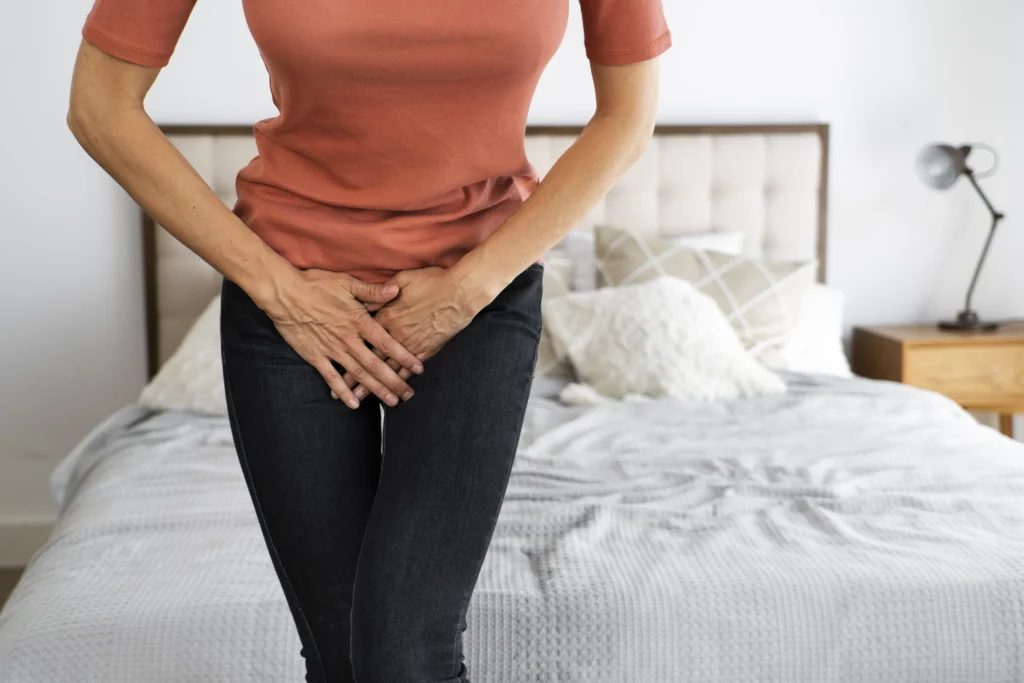
Several factors increase the likelihood of developing vaginal itching.
These include:
- Antibiotic use
- Diabetes mellitus
- Pregnancy
- Hormonal changes
- Menopause
- Weakened immune system
- Poorly controlled blood sugar
- Unprotected sexual activity
- Multiple sexual partners
- Frequent vaginal douching
- Wearing tight or non-breathable clothing
- Excessive moisture around the genital area
- Use of scented feminine hygiene products
- Previous vaginal infections
Although many cases are harmless, persistent itching should always be evaluated by a healthcare professional to identify the underlying cause and ensure appropriate treatment.
Symptoms of Vaginal Itching
The symptoms associated with vaginal itching vary depending on the underlying cause.
While some women experience only mild irritation, others may develop significant discomfort that affects their daily activities and quality of life.
Common symptoms include:
- Persistent itching around the vulva or inside the vagina
- Burning sensation
- Redness and swelling of the vulva
- Dry or irritated skin
- Abnormal vaginal discharge
- Pain during sexual intercourse
- Unpleasant vaginal odor
- Burning or pain while urinating
- Small cuts or cracks in the skin caused by scratching
- Rash or skin thickening in chronic cases
Some women notice that the itching becomes worse at night, after exercising, during menstruation, or after using certain soaps, sanitary products, or tight clothing.
How Is Vaginal Itching Diagnosed?
Because vaginal itching can have many different causes, an accurate diagnosis is important before starting treatment.
Medical History
Your healthcare provider may ask about:
- When the itching started
- Whether it is constant or intermittent
- Presence of vaginal discharge
- Recent antibiotic use
- Menstrual and pregnancy history
- Sexual history
- Use of new soaps, detergents, or hygiene products
- Previous vaginal infections or skin conditions
Physical Examination
A pelvic examination helps identify visible signs of infection or skin disorders.
Your doctor may look for:
- Redness or swelling
- Skin irritation
- Vaginal discharge
- Skin lesions or ulcers
- Areas of thickened skin
- Signs of fungal or bacterial infection
Laboratory Tests
Depending on your symptoms, additional investigations may include:
- Vaginal swab
- Vaginal pH testing
- Microscopic examination of vaginal discharge
- Fungal culture
- Nucleic Acid Amplification Tests (NAATs) for sexually transmitted infections
- Urine tests if urinary symptoms are present
- Blood glucose testing when diabetes is suspected
- Skin biopsy in rare cases of chronic vulvar skin disease
Identifying the exact cause of vaginal itching is essential because treatments differ for fungal infections, bacterial infections, allergic reactions, hormonal changes, and skin disorders.
Vaginal Itching During Pregnancy
Vaginal itching is relatively common during pregnancy due to hormonal changes and alterations in the vaginal microbiome.
Possible causes include:
- Vaginal yeast infection
- Bacterial vaginosis
- Increased vaginal discharge
- Hormonal fluctuations
- Skin irritation caused by increased moisture
Pregnant women should avoid self-medicating with over-the-counter products without consulting their healthcare provider,
as some medications may not be appropriate during pregnancy.
Persistent itching, foul-smelling discharge, fever, or pelvic pain should be evaluated promptly to protect both maternal and fetal health.
Possible Complications
Vaginal itching itself is not usually dangerous, but untreated underlying conditions may lead to complications.
Possible complications include:
- Recurrent vaginal infections
- Skin damage from persistent scratching
- Secondary bacterial skin infections
- Chronic vulvar irritation
- Pain during sexual intercourse
- Increased risk of pelvic inflammatory disease in certain untreated infections
- Pregnancy-related complications associated with specific vaginal infections
- Reduced quality of life due to persistent discomfort
Early diagnosis and appropriate treatment usually prevent these complications. (Cleveland Clinic)
Physiotherapy Perspective
Physiotherapy does not directly treat the underlying cause of vaginal itching.
Medical treatment should always focus on addressing the condition responsible for the symptoms, such as:
an infection, allergy, hormonal imbalance, or skin disorder.
However, women who experience persistent itching, chronic vulvar discomfort, or pelvic pain may develop increased tension in their pelvic floor muscles.
This can contribute to pain during sexual intercourse, discomfort while sitting, and ongoing pelvic pain even after the original condition has resolved.
A women’s health physiotherapist may help by:
- Assessing pelvic floor muscle function
- Teaching pelvic floor relaxation techniques
- Managing chronic pelvic pain
- Improving pelvic floor muscle coordination
- Guiding breathing and relaxation exercises
- Providing education on healthy bladder and bowel habits
- Advising on lifestyle modifications to reduce pelvic discomfort
Physiotherapy is most beneficial after the underlying medical condition has been diagnosed and appropriately treated.
Treatment for Vaginal Itching
The treatment for vaginal itching depends entirely on its underlying cause.
Since itching is a symptom rather than a disease, identifying the reason behind it is essential for effective relief.
Medications
Your healthcare provider may recommend:
- Antifungal medications for vaginal yeast infections
- Antibiotics for bacterial vaginosis or bacterial infections
- Antiparasitic medications for trichomoniasis
- Topical corticosteroid creams for certain inflammatory skin conditions
- Antihistamines to relieve itching caused by allergic reactions
- Topical or vaginal estrogen therapy for vaginal dryness associated with menopause (when appropriate)
Avoid using over-the-counter creams or medications without a proper diagnosis, as incorrect treatment may worsen symptoms or delay recovery.
Home Care Tips
Along with medical treatment, these self-care measures may help reduce irritation and promote healing:
- Keep the genital area clean and dry.
- Wash with lukewarm water and avoid harsh soaps.
- Wear loose-fitting, breathable cotton underwear.
- Change out of wet clothing promptly after swimming or exercising.
- Avoid vaginal douching.
- Avoid scented sanitary pads, tampons, sprays, or intimate washes.
- Wipe from front to back after using the toilet.
- Stay well hydrated and maintain good personal hygiene.
- If you have diabetes, keep your blood sugar under good control.
Avoid scratching the affected area, as it can damage the skin and increase the risk of secondary infections.
Can Vaginal Itching Be Prevented?
Although not all causes are preventable, adopting healthy intimate care habits can significantly reduce the risk.
Prevention strategies include:
- Practice safer sex and use condoms when appropriate.
- Maintain good genital hygiene without excessive washing.
- Avoid scented feminine hygiene products.
- Wear breathable cotton underwear.
- Change sanitary products regularly during menstruation.
- Manage chronic medical conditions such as diabetes.
- Complete prescribed treatment for vaginal infections.
- Attend regular gynecological check-ups.
- Seek prompt medical care if symptoms recur.
Maintaining the natural balance of the vaginal environment is one of the most effective ways to prevent recurrent itching and infections. (Bardin et al. 2022)
Myth vs Fact
| Myth | Fact |
|---|---|
| Vaginal itching always means a yeast infection. | Vaginal itching has many possible causes, including bacterial infections, allergies, hormonal changes, skin conditions, and sexually transmitted infections. |
| Using more soap keeps the vagina healthier. | Excessive washing or scented products can irritate the vulva and disrupt the natural vaginal environment. |
| Vaginal itching will always go away on its own. | Persistent itching may indicate an underlying condition that requires medical treatment. |
| Only sexually active women experience vaginal itching. | Women of all ages, including children and postmenopausal women, can experience vaginal itching. |
| Scratching helps the skin heal. | Scratching may worsen irritation, damage the skin, and increase the risk of secondary infection. |
When Should You See a Doctor?
Consult a healthcare provider if you experience:
- Vaginal itching lasting more than a few days
- Severe itching that interferes with daily activities or sleep
- Abnormal vaginal discharge
- Foul vaginal odor
- Pain during urination
- Pain during sexual intercourse
- Vaginal sores, blisters, or ulcers
- Fever or pelvic pain
- Recurrent episodes of vaginal itching
- Itching during pregnancy
Seek immediate medical attention if vaginal itching is accompanied by severe pelvic pain, high fever, or heavy vaginal bleeding.
Final Thoughts
Vaginal itching is a common symptom that can result from infections, irritation, hormonal changes, allergies, or skin conditions. While many cases are easily treated, persistent or recurrent itching should never be ignored. A timely medical evaluation can identify the underlying cause, provide appropriate treatment, and help prevent complications. Combined with healthy intimate care habits and professional guidance, early management supports long-term vaginal and reproductive health.
Conclusion
Vaginal itching is a common symptom that can result from infections, allergies, hormonal changes, skin conditions, or irritation from everyday products.
Although many causes are mild and easily treated, persistent or recurrent itching should never be ignored, as it may indicate an underlying medical condition requiring professional care.
Early diagnosis allows targeted treatment, helping relieve discomfort and prevent complications.
Maintaining good intimate hygiene, avoiding unnecessary irritants, practicing safer sex, and seeking timely medical advice are important steps in protecting vaginal health.
Women who continue to experience chronic vulvar discomfort or pelvic floor muscle tension after treatment may also benefit from pelvic health physiotherapy as part of a comprehensive recovery plan. (Raef et al. 2021)
Frequently Asked Questions (FAQs)
1. What causes vaginal itching?
Vaginal itching may be caused by yeast infections, bacterial vaginosis, sexually transmitted infections, allergies, skin conditions, hormonal changes, or irritation from personal care products.
2. Can vaginal itching occur without discharge?
Yes. Allergies, skin disorders, hormonal changes, and vaginal dryness can cause itching without abnormal vaginal discharge.
3. Is vaginal itching a sign of an STI?
Sometimes. Certain sexually transmitted infections, such as trichomoniasis or genital herpes, can cause vaginal itching, but many non-STI conditions can also be responsible.
4. When should I see a doctor?
Consult a healthcare provider if itching persists for several days, recurs frequently, is accompanied by discharge, fever, pelvic pain, sores, or unusual bleeding.
5. Can poor hygiene cause vaginal itching?
Both poor hygiene and excessive washing with harsh or scented products can irritate the vulva and contribute to vaginal itching.
6. Can vaginal itching be prevented?
Maintaining good intimate hygiene, avoiding irritants, wearing breathable cotton underwear, and treating infections promptly can reduce the risk.
7. Is vaginal itching common during pregnancy?
Yes. Hormonal changes and an increased risk of vaginal infections make itching relatively common during pregnancy, but persistent symptoms should be assessed by a healthcare provider.
Stay tuned with us for more health related topics.
Follow us on LinkedIn and Instagram for more.
More Read


Medical Disclaimer!
This article has been reviewed and written under the guidance of our Head Physiotherapist, Dr. Kruti Raj (PT, MUHS,CPT,CMPT). The information shared is intended for educational purposes only and should not be considered a substitute for personalized medical advice, diagnosis, or treatment.
Please consult us or any other qualified healthcare professional before beginning any exercise program, especially if you are experiencing pain, recovering from injury, or managing a medical condition.


