Polycystic Ovary Syndrome (PCOS) is commonly associated with irregular menstrual cycles, infertility, acne, and excess facial hair.
However, its impact extends far beyond reproductive health.
PCOS is also linked to several metabolic conditions, including abnormal cholesterol levels, which can increase the risk of cardiovascular disease over time.
Quick Answer
Yes. Women with Polycystic Ovary Syndrome (PCOS) are more likely to develop abnormal cholesterol levels due to insulin resistance, hormonal imbalance, and chronic inflammation. High LDL cholesterol, low HDL cholesterol, and elevated triglycerides increase the risk of cardiovascular disease. Regular lipid profile testing, healthy eating, physiotherapy-guided exercise, and routine medical care can help improve cholesterol levels and protect long-term heart health.
Many women are surprised to learn that even if they feel healthy or are of normal weight, PCOS can still affect the way their body processes fats.
Women with PCOS often have higher levels of low-density lipoprotein (LDL) cholesterol, commonly known as “bad cholesterol,” elevated triglycerides, and lower levels of high-density lipoprotein (HDL) cholesterol, or “good cholesterol.”
These changes may occur due to insulin resistance, hormonal imbalance, chronic inflammation, and genetic factors.
High cholesterol usually develops silently, meaning most women experience no obvious symptoms until complications arise.
This makes regular health screening, healthy lifestyle habits, physiotherapy-guided exercise, and balanced nutrition essential components of PCOS management.
In this article,
we’ll explore how PCOS affects cholesterol levels, understand why this happens, identify who is at greater risk, and discuss practical ways to improve heart health while living with PCOS.
Key Takeaways
- PCOS is associated with an increased risk of abnormal cholesterol levels.
- Women with PCOS commonly have higher LDL cholesterol, lower HDL cholesterol, and elevated triglycerides.
- Insulin resistance and hormonal imbalance play major roles in cholesterol abnormalities.
- Women with Lean PCOS can also develop dyslipidemia.
- Regular lipid profile screening helps detect high cholesterol early.
- A heart-healthy diet, physiotherapy-guided exercise, adequate sleep, and stress management support healthy cholesterol levels.
- Early intervention reduces the long-term risk of cardiovascular disease.
What Is Cholesterol?
Cholesterol is a waxy, fat-like substance that plays an essential role in the body.
It is needed to produce hormones, vitamin D, and substances that help digest food.
Although cholesterol is necessary for normal body function, having too much of certain types can increase the risk of heart disease and stroke.
Cholesterol travels through the bloodstream attached to proteins called lipoproteins.
The two main types are:
Low-Density Lipoprotein (LDL)
LDL is often referred to as “bad cholesterol.”
High levels of LDL can cause cholesterol to build up inside the walls of arteries, leading to plaque formation.
Over time, this narrows the arteries and increases the risk of heart attack and stroke.
High-Density Lipoprotein (HDL)
HDL is known as “good cholesterol.”
It helps remove excess cholesterol from the bloodstream and transports it back to the liver, where it is processed and eliminated from the body.
Higher HDL levels are generally associated with better cardiovascular health.
Triglycerides
Triglycerides are another type of fat found in the blood.
After eating, the body converts unused calories into triglycerides for energy storage.
Persistently high triglyceride levels, particularly when combined with high LDL and low HDL, significantly increase the risk of cardiovascular disease.
Maintaining healthy cholesterol and triglyceride levels is an important part of preventing long-term health complications, especially for women with PCOS. (Alexander et al. 2009)
Is There a Connection Between PCOS and Cholesterol?
Yes. Research consistently shows that women with PCOS are more likely to develop abnormal cholesterol levels than women without the condition.
This abnormal pattern, known as dyslipidemia, is one of the most common metabolic complications associated with PCOS.
It may occur regardless of age and can affect women who are overweight as well as those with Lean PCOS.
Women with PCOS commonly experience:
- Increased LDL (“bad”) cholesterol
- Reduced HDL (“good”) cholesterol
- Elevated triglycerides
- Increased total cholesterol in some cases
These lipid abnormalities often develop alongside insulin resistance and chronic inflammation, increasing the risk of cardiovascular disease later in life.
Because high cholesterol rarely causes symptoms, many women remain unaware that their lipid levels are abnormal until routine blood tests are performed.
This is why healthcare providers recommend regular lipid profile screening as part of comprehensive PCOS management. (Kim et al. 2013)
Why Does PCOS Affect Cholesterol Levels?
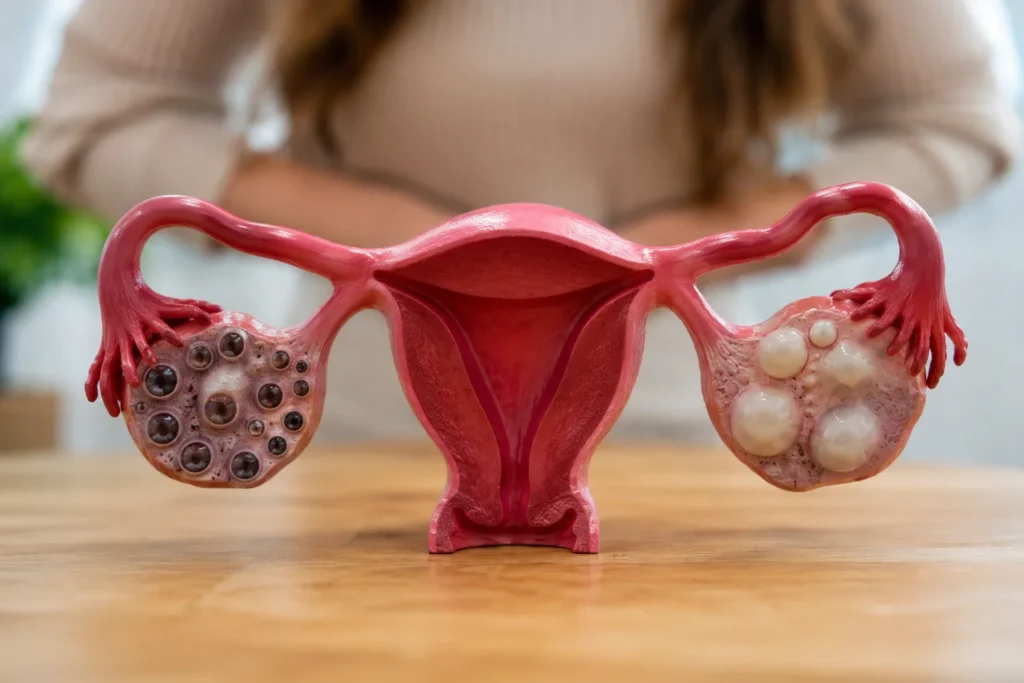
Several hormonal and metabolic mechanisms contribute to abnormal cholesterol levels in women with PCOS.
Insulin Resistance
Insulin resistance is one of the strongest links between PCOS and abnormal cholesterol.
When the body’s cells become less responsive to insulin, the pancreas produces more insulin to compensate.
Persistently high insulin levels can alter the way the liver produces and processes fats.
This often results in:
- Increased LDL cholesterol
- Higher triglycerides
- Reduced HDL cholesterol
Insulin resistance also promotes fat accumulation around the abdomen, further increasing cardiovascular risk.
Hormonal Imbalance
Women with PCOS often have elevated androgen levels.
Excess androgens may influence fat metabolism by affecting how cholesterol is produced, transported, and broken down within the body.
Hormonal imbalance also contributes to insulin resistance, creating a cycle that worsens lipid abnormalities over time.
Chronic Low-Grade Inflammation
Many women with PCOS experience persistent low-grade inflammation.
Inflammatory substances released into the bloodstream may:
- Damage blood vessels
- Increase LDL oxidation
- Promote plaque formation
- Reduce healthy blood vessel function
This chronic inflammation is one reason why cardiovascular disease risk may increase even in younger women with PCOS.
Excess Abdominal Fat
Abdominal or visceral fat is metabolically active and releases substances that interfere with normal cholesterol metabolism.
Women with central obesity often have:
- Higher LDL cholesterol
- Higher triglycerides
- Lower HDL cholesterol
Even modest reductions in abdominal fat can improve lipid levels and overall metabolic health.
Genetic Factors
Family history also plays an important role.
Women with relatives who have high cholesterol, cardiovascular disease, type 2 diabetes, or PCOS may have a greater likelihood of developing dyslipidemia themselves.
Genes influence both hormone regulation and lipid metabolism, making some individuals more susceptible than others.
Who Is More Likely to Develop High Cholesterol with PCOS?
Although every woman with PCOS should monitor her cholesterol levels, some individuals have a greater risk than others.
Risk factors include:
- Overweight or obesity
- Central (abdominal) obesity
- Insulin resistance
- Family history of high cholesterol
- Family history of heart disease
- Type 2 diabetes or prediabetes
- Sedentary lifestyle
- Diet high in saturated and trans fats
- Smoking
- High blood pressure
- Increasing age
- Chronic stress
- Lean PCOS with metabolic abnormalities
Having these risk factors does not guarantee that high cholesterol will develop.
However, they highlight the importance of routine lipid profile testing, healthy eating habits, regular exercise, and ongoing medical follow-up.
How Is Cholesterol Assessed in Women with PCOS?
Since women with PCOS have a greater risk of developing abnormal cholesterol levels, regular lipid screening is an important part of long-term health care.
High cholesterol usually does not cause noticeable symptoms, making routine testing essential for early detection and prevention of cardiovascular disease.
Healthcare providers evaluate cholesterol levels through medical history, physical examination, laboratory tests, and assessment of overall cardiovascular risk.
Medical History
The evaluation begins with a detailed discussion about your overall health and lifestyle.
Your healthcare provider may ask about:
- History of PCOS symptoms
- Menstrual cycle regularity
- Family history of high cholesterol
- Family history of heart disease or stroke
- Previous diagnosis of diabetes or prediabetes
- Current medications
- Dietary habits
- Physical activity levels
- Smoking and alcohol consumption
- Previous cholesterol test results
Understanding these factors helps determine your individual cardiovascular risk and the frequency of future cholesterol monitoring.
Physical Examination
A physical examination provides valuable information about metabolic and cardiovascular health.
Your healthcare provider may assess:
- Height and weight
- Body Mass Index (BMI)
- Waist circumference
- Blood pressure
- Signs of insulin resistance, such as acanthosis nigricans
- Body fat distribution
- General cardiovascular health
Although high cholesterol cannot be diagnosed through a physical examination alone, these findings help identify women who may have an increased risk of dyslipidemia.
Lipid Profile
The most important investigation for evaluating cholesterol is a fasting lipid profile.
This blood test measures different types of fats circulating in the bloodstream.
A standard lipid profile includes:
Total Cholesterol
This measures the overall amount of cholesterol in the blood.
While useful as a general indicator, total cholesterol alone does not provide a complete picture of cardiovascular risk.
Low-Density Lipoprotein (LDL) Cholesterol
LDL is often referred to as “bad cholesterol.”
High LDL levels increase the risk of plaque buildup inside arteries, which may eventually lead to heart attack or stroke.
Women with PCOS frequently have higher LDL cholesterol than women without the condition.
High-Density Lipoprotein (HDL) Cholesterol
HDL is known as “good cholesterol.”
It helps remove excess cholesterol from the bloodstream and protects against cardiovascular disease.
Many women with PCOS have lower HDL levels, reducing this protective effect.
Triglycerides
Triglycerides are another important component of the lipid profile.
High triglyceride levels are commonly seen in women with insulin resistance and are associated with an increased risk of metabolic syndrome and cardiovascular disease.
Blood Sugar Assessment
Because cholesterol abnormalities and insulin resistance often occur together, healthcare providers may also recommend:
- Fasting Blood Sugar (FBS)
- HbA1c
- Oral Glucose Tolerance Test (OGTT), when indicated
These tests help evaluate metabolic health more comprehensively.
Blood Pressure Monitoring
Women with PCOS who have abnormal cholesterol levels may also develop hypertension.
Regular blood pressure monitoring is important because the combination of high cholesterol and high blood pressure significantly increases the risk of cardiovascular disease.
Regular Cholesterol Screening
International guidelines recommend periodic lipid profile testing for women diagnosed with PCOS, even if they are young or have a normal body weight. (Poromaa et al. 2016)
The frequency of testing depends on individual risk factors, including:
- Age
- Family history
- Body weight
- Diabetes status
- Blood pressure
- Smoking history
- Previous cholesterol levels
Regular screening allows healthcare providers to identify changes early and recommend timely lifestyle or medical interventions.
Are There Any Symptoms of High Cholesterol?
One of the biggest challenges with high cholesterol is that it usually develops without noticeable symptoms.
Most women with PCOS feel completely healthy until cholesterol has remained elevated for many years or complications begin to develop.
Because high cholesterol is often called a “silent condition,” routine blood testing is the only reliable way to detect it early.
If cholesterol remains uncontrolled for a prolonged period, it may contribute to complications such as:
- Coronary artery disease
- Heart attack
- Stroke
- Peripheral artery disease
This is why preventive screening is far more effective than waiting for symptoms to appear.
Can High Cholesterol Be Managed in Women with PCOS?
Yes.
In most cases, abnormal cholesterol levels can be effectively managed through healthy lifestyle changes, regular physical activity, and medical treatment when necessary.
The goal is not only to lower cholesterol but also to improve overall metabolic and cardiovascular health.
Eat a Heart-Healthy Diet
Nutrition plays a major role in cholesterol management.
Women with PCOS are encouraged to include:
- Fresh vegetables
- Fruits
- Whole grains
- Oats
- Legumes
- Beans
- Lean protein sources
- Fish rich in omega-3 fatty acids
- Nuts
- Seeds
- Olive oil and other healthy fats
It is equally important to reduce the intake of:
- Fried foods
- Processed foods
- Sugary beverages
- Refined carbohydrates
- Saturated fats
- Trans fats
A balanced diet can improve cholesterol levels while also supporting insulin sensitivity.
Exercise Regularly
Regular physical activity is one of the most effective ways to improve cholesterol.
Exercise helps:
- Increase HDL (“good”) cholesterol
- Reduce LDL (“bad”) cholesterol
- Lower triglycerides
- Improve insulin sensitivity
- Reduce abdominal fat
- Improve cardiovascular fitness
Most adults should aim for at least 150 minutes of moderate-intensity exercise each week, combined with muscle-strengthening activities on two or more days.
Physiotherapy-Guided Exercise
Physiotherapists play an important role in helping women with PCOS exercise safely and consistently.
A physiotherapist can develop an individualized program that combines:
- Aerobic exercise
- Resistance training
- Flexibility exercises
- Core strengthening
- Functional movement training
These programs improve metabolic health while reducing the risk of injury and supporting long-term adherence.
Maintain a Healthy Weight
For women with overweight or obesity-related PCOS, gradual weight loss can improve cholesterol levels and reduce cardiovascular risk.
Women with Lean PCOS generally do not need to lose weight but should focus on maintaining healthy body composition through balanced nutrition and regular exercise.
Prioritize Good Sleep
Poor sleep is associated with hormonal imbalance, insulin resistance, and unfavorable cholesterol levels.
Aim for 7-9 hours of quality sleep every night by:
- Maintaining a regular sleep schedule
- Limiting screen exposure before bedtime
- Reducing caffeine intake later in the day
- Creating a comfortable sleep environment
Calculate your ideal sleep timings here : “Sleep calculator“
Manage Stress
Chronic stress may contribute to hormonal imbalance and unhealthy lifestyle behaviors that negatively affect cholesterol.
Healthy stress-management strategies include:
- Meditation
- Deep breathing exercises
- Yoga
- Walking
- Mindfulness
- Relaxation techniques
- Spending time with family and friends
Medical Treatment
Some women may require medications if lifestyle modifications alone are not enough to improve cholesterol levels.
Depending on individual risk factors, healthcare providers may recommend:
- Cholesterol-lowering medications (such as statins, when appropriate)
- Medications to improve insulin sensitivity
- Treatment for high blood pressure or diabetes if present
Medication decisions should always be individualized and made under medical supervision, particularly for women planning pregnancy.
Can Women with PCOS Maintain Healthy Cholesterol Levels?
Yes.
Having PCOS does not mean you will inevitably develop high cholesterol or heart disease.
Although women with PCOS are more likely to experience abnormal cholesterol levels due to hormonal and metabolic changes,
many can maintain healthy lipid levels through early diagnosis, regular monitoring, and consistent lifestyle habits.
The key is to recognize that cholesterol management is a long-term commitment rather than a short-term fix.
Eating a balanced diet, staying physically active, maintaining a healthy body weight, getting adequate sleep, managing stress, and attending regular health check-ups can significantly improve cholesterol levels and reduce the risk of cardiovascular disease.
Even women who already have elevated cholesterol can often improve their lipid profile with appropriate medical guidance and sustainable lifestyle modifications. (Kim et al. 2013)
Lifestyle Tips to Improve Cholesterol Levels with PCOS
Healthy daily habits play an important role in managing cholesterol and protecting long-term heart health.
Choose Heart-Healthy Foods
A nutritious diet supports healthy cholesterol levels and improves overall metabolic health.
Include foods such as:
- Whole grains
- Oats and barley
- Fresh vegetables
- Fruits
- Legumes
- Beans
- Lean poultry
- Fish rich in omega-3 fatty acids
- Nuts and seeds
- Olive oil and other unsaturated fats
Try to limit:
- Fried foods
- Fast food
- Processed snacks
- Sugary beverages
- Refined carbohydrates
- Foods high in saturated and trans fats
A balanced diet can improve both cholesterol levels and insulin sensitivity.
Stay Physically Active
Regular physical activity is one of the most effective ways to improve cholesterol.
Exercise helps:
- Increase HDL (“good”) cholesterol
- Lower LDL (“bad”) cholesterol
- Reduce triglycerides
- Improve circulation
- Enhance heart health
- Improve insulin sensitivity
Aim for at least 150 minutes of moderate-intensity exercise each week, such as brisk walking, cycling, swimming, dancing, or jogging.
Include Strength Training
Strength training supports healthy cholesterol levels by increasing lean muscle mass and improving metabolism.
Examples include:
- Body-weight exercises
- Resistance bands
- Dumbbells
- Weight machines
- Pilates-based strengthening exercises
Performing strength-training exercises at least two days per week complements aerobic exercise and contributes to better cardiovascular health.
Maintain a Healthy Body Weight
Excess body fat, particularly around the abdomen, is associated with higher LDL cholesterol and triglycerides.
Women with overweight or obesity-related PCOS may benefit from gradual, sustainable weight loss.
Women with Lean PCOS should focus on maintaining a healthy weight while improving muscle strength and metabolic health rather than trying to lose weight unnecessarily.
Get Enough Sleep
Poor sleep can negatively affect hormone regulation, cholesterol metabolism, and insulin sensitivity.
Healthy sleep habits include:
- Sleeping 7-9 hours each night
- Following a regular sleep schedule
- Limiting screen time before bedtime
- Reducing caffeine intake later in the day
- Creating a comfortable sleeping environment
Good sleep supports both cardiovascular and hormonal health.
Calculate your ideal sleep timings here: “Sleep Calculator”
Manage Stress Effectively
Long-term stress may contribute to unhealthy eating habits, hormonal imbalance, and poor cardiovascular health.
Helpful stress-management strategies include:
- Yoga
- Meditation
- Mindfulness
- Deep breathing exercises
- Walking outdoors
- Reading
- Spending time with loved ones
Managing stress supports healthier lifestyle choices and overall well-being.
Schedule Regular Health Check-ups
Routine monitoring helps detect changes before serious complications develop.
Women with PCOS should discuss regular assessment of:
- Lipid profile
- Blood pressure
- Blood glucose
- HbA1c
- Body weight
- Waist circumference
Early intervention is one of the most effective ways to prevent cardiovascular disease.
When Should You See a Doctor?
High cholesterol usually causes no symptoms, so regular medical evaluation is important even if you feel healthy.
Consult your healthcare provider if you:
- Have PCOS and have never had a lipid profile
- Have a family history of high cholesterol or heart disease
- Have diabetes or prediabetes
- Have high blood pressure
- Are overweight or have excess abdominal fat
- Notice persistent fatigue or reduced exercise tolerance
- Are planning pregnancy and have concerns about cholesterol medications
- Have previously been told your cholesterol levels were elevated
Women with PCOS should also attend routine follow-up appointments to monitor both reproductive and metabolic health.
Physiotherapist’s Role in Improving Cholesterol Levels in PCOS
Physiotherapists play an important role in improving cardiovascular fitness and reducing metabolic risk through safe, evidence-based exercise programs.
Developing Personalized Exercise Programs
Each woman with PCOS has unique health needs and fitness goals.
A physiotherapist designs an individualized exercise plan based on:
- Age
- Current fitness level
- Body composition
- Medical history
- Joint health
- Lifestyle and personal goals
Personalized programs improve adherence and reduce the likelihood of injury.
Improving Cardiovascular Fitness
Aerobic exercise strengthens the heart and improves circulation.
Improved cardiovascular fitness helps:
- Raise HDL cholesterol
- Lower triglycerides
- Support healthy blood pressure
- Reduce overall cardiovascular risk
Building Lean Muscle
Resistance training increases muscle mass, improves metabolism, and enhances the body’s ability to use fats and glucose efficiently.
Greater muscle strength also supports healthy posture, mobility, and long-term physical function.
Supporting Healthy Weight Management
For women who need to lose weight, physiotherapists develop structured exercise plans that promote gradual fat loss while preserving muscle mass.
Women with Lean PCOS benefit from programs that focus on strength, endurance, flexibility, and metabolic health rather than weight reduction.
Encouraging Lifelong Healthy Habits
Beyond supervised exercise sessions, physiotherapists educate women about:
- Daily physical activity
- Correct exercise techniques
- Injury prevention
- Exercise progression
- Long-term adherence to healthy habits
These lifestyle changes contribute to improved cholesterol levels and better overall health.
PCOS and Cholesterol: Myth vs Fact
| Myth | Fact |
|---|---|
| Only overweight women with PCOS develop high cholesterol. | Women with Lean PCOS can also have abnormal cholesterol levels due to hormonal and metabolic changes. |
| High cholesterol always causes symptoms. | High cholesterol is usually symptom-free and is often detected only through blood tests. |
| Young women with PCOS don’t need cholesterol screening. | Lipid abnormalities can occur at any age in women with PCOS, making regular screening important. |
| Exercise only helps with weight loss. | Exercise improves HDL cholesterol, lowers LDL cholesterol and triglycerides, and supports heart health. |
| Medication is the only treatment for high cholesterol. | Healthy eating, physiotherapy-guided exercise, stress management, and medical care together provide the best long-term results. |
Common Myths About PCOS and Cholesterol
Myth: Only Overweight Women with PCOS Develop High Cholesterol
Fact: Women with Lean PCOS can also develop abnormal cholesterol levels because hormonal imbalance and insulin resistance can affect lipid metabolism regardless of body weight.
Myth: High Cholesterol Always Causes Symptoms
Fact: High cholesterol is often called a “silent condition” because it usually causes no noticeable symptoms until complications develop.
Myth: Young Women with PCOS Don’t Need Cholesterol Testing
Fact: Lipid abnormalities can occur at a young age in women with PCOS. Regular screening helps identify problems early and reduces long-term cardiovascular risk.
Myth: Exercise Only Helps You Lose Weight
Fact: Regular physical activity improves HDL cholesterol, lowers LDL cholesterol and triglycerides, enhances insulin sensitivity, and strengthens heart health, even if body weight changes very little.
Myth: Medication Is the Only Way to Control Cholesterol
Fact: Many women can improve cholesterol levels through healthy eating, regular exercise, physiotherapy-guided physical activity, stress management, and adequate sleep. Medications are recommended when lifestyle measures alone are insufficient or cardiovascular risk is high.
Final Thoughts
PCOS affects much more than reproductive health, it also influences cholesterol metabolism and long-term cardiovascular health. Although women with PCOS are at greater risk of developing abnormal cholesterol levels, this risk can be effectively managed through regular lipid profile screening, a heart-healthy diet, physiotherapy-guided exercise, adequate sleep, stress management, and timely medical care. Taking proactive steps today can help protect your heart and support lifelong metabolic health.
Conclusion
PCOS is not only a hormonal disorder but also a metabolic condition that can increase the risk of abnormal cholesterol levels and future cardiovascular disease.
The good news is that high cholesterol can often be prevented or effectively managed through regular health screenings, balanced nutrition, physiotherapy-guided exercise, healthy sleep habits, stress management, and appropriate medical care when needed.
Whether you have obesity-related PCOS or Lean PCOS, monitoring your cholesterol is an important part of protecting your long-term heart health.
Early intervention and consistent lifestyle choices can make a significant difference in reducing cardiovascular risk and improving overall well-being.
Frequently Asked Questions (FAQs)
1. Can PCOS cause high cholesterol?
Yes. Women with PCOS are more likely to develop abnormal cholesterol levels because of insulin resistance, hormonal imbalance, and chronic inflammation.
2. Can women with Lean PCOS have high cholesterol?
Yes. Even women with a normal Body Mass Index (BMI) can develop abnormal cholesterol levels due to metabolic changes associated with PCOS.
3. How often should women with PCOS check their cholesterol?
Your healthcare provider will recommend the appropriate screening interval based on your age, risk factors, and previous lipid profile results.
4. Can exercise improve cholesterol in PCOS?
Yes. Regular aerobic exercise and strength training can increase HDL cholesterol, lower LDL cholesterol, improve insulin sensitivity, and support cardiovascular health.
5. Can diet help reduce cholesterol levels in women with PCOS?
Yes. A balanced diet rich in vegetables, fruits, whole grains, lean proteins, and healthy fats can significantly improve cholesterol levels.
6. Can physiotherapy help manage cholesterol in PCOS?
Yes. Physiotherapists create personalized exercise programs that improve cardiovascular fitness, metabolic health, and long-term cholesterol management.
Stay tuned with us for more health related topics.
Follow us on LinkedIn and Instagram for more.
More Read





Medical Disclaimer!
This article has been reviewed and written under the guidance of our Head Physiotherapist, Dr. Kruti Raj (PT, MUHS,CPT,CMPT). The information shared is intended for educational purposes only and should not be considered a substitute for personalized medical advice, diagnosis, or treatment.
Please consult us or any other qualified healthcare professional before beginning any exercise program, especially if you are experiencing pain, recovering from injury, or managing a medical condition.