
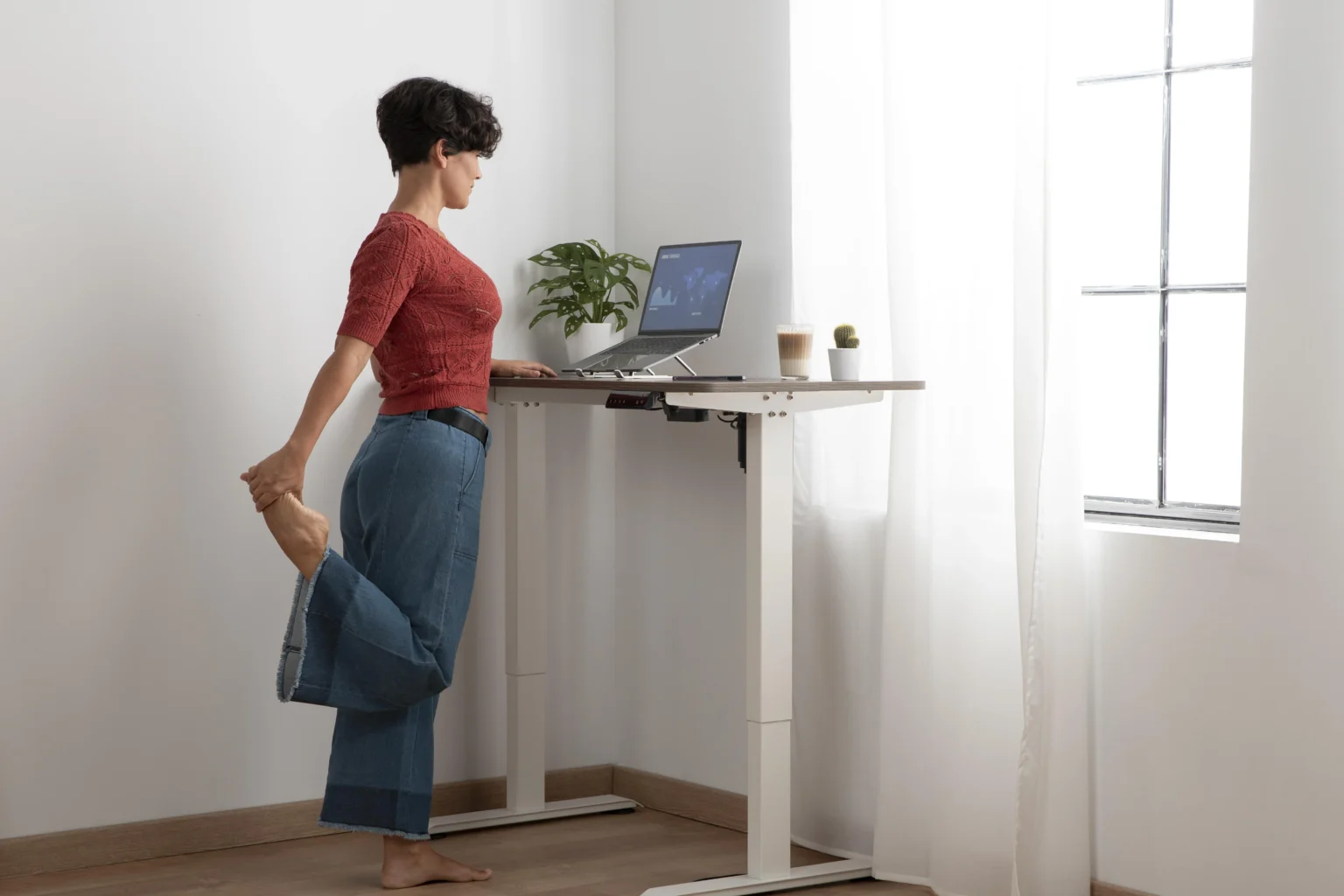

Standing desks have become a cornerstone of modern workplace wellness. From corporate offices to remote home setups, professionals are choosing standing workstations to combat the risks of prolonged sitting. Yet many discover a new problem. Instead of relief, they experience lower back tightness, neck stiffness, hip fatigue, and foot pain. Incorporating simple standing desk exercises can help reduce muscle strain, improve circulation, and prevent discomfort caused by prolonged standing.
The reason is simple. Standing is not the solution. Movement is. If you work more than six hours per day at a desk, this guide is for you.
Also Read: 10 Best Daily Stretches for Back Pain Relief at Home
Why Standing Alone Does Not Prevent Pain
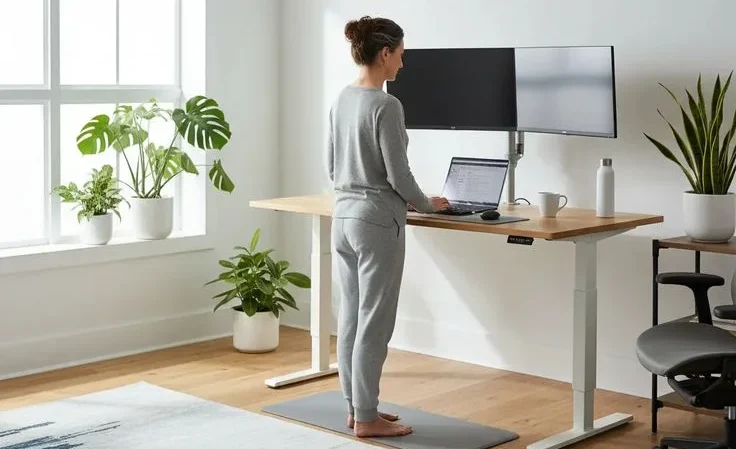
Replacing sitting with standing reduces sedentary time. However, static standing introduces continuous vertical loading on the spine, hips, knees, and feet.
Prolonged standing can cause:
- Lumbar compression
- Calf tightness
- Hip flexor shortening
- Plantar fascia strain
- Shoulder elevation fatigue
- Reduced circulation efficiency
The human body thrives on movement variability. Static load fatigues tissues. Dynamic load strengthens tissues.
The goal is not to stand more. The goal is to change position frequently.
Also Read: 15 Minute Full-Body Stretch To Relieve Your Stress- Proven Ways
Sedentary Behavior vs Prolonged Standing: What Research Actually Says
Modern research shows that both prolonged sitting and prolonged standing can increase musculoskeletal strain.
While sitting increases metabolic risk markers, static standing increases spinal compression and lower limb fatigue.
Recent occupational health studies indicate:
- Standing burns only slightly more calories than sitting
- Static standing increases lower back muscle fatigue after 60 minutes
- Alternating posture improves vascular function
- Movement frequency impacts spinal disc hydration
Lesser Known Fact
Spinal discs absorb nutrients through movement. When you shift posture, discs rehydrate more effectively. Static standing reduces this nutrient exchange.
This is why movement breaks are more important than simply replacing a chair with a standing desk.
Also Read: Knee-to-Chest Stretch for Bach Pain Relief and Spinal Flexibility- A Complete Guide
The Science of Static Load Versus Dynamic Load
Static posture means holding the same position without variation. Even perfect posture becomes harmful when held too long.
Dynamic posture involves:
- Shifting weight
- Alternating sitting and standing
- Performing micro mobility drills
- Engaging muscles periodically
Research in occupational health supports:
- Posture changes every 30 to 60 minutes
- Two to five minutes of movement per hour
- A sit to stand ratio of approximately 1:1 or 2:1
- Avoiding continuous standing beyond 90 minutes
Movement frequency matters more than duration.
Also Read: Cat Cow Stretch Benefits for Back Pain- A Complete Guide
Common Pain Patterns From Standing Desks
Lower Back Compression Pain
This occurs due to:
- Anterior pelvic tilt
- Weak deep core stabilizers
- Locked knees
- Poor glute activation
Overactive muscles:
- Erector spinae
Underactive muscles:
- Gluteus maximus
- Transverse abdominis
The Hidden Role of Glute Inhibition in Standing Desk Pain
Many standing desk users develop what is called “glute inhibition.”
When glute muscles do not activate properly:
- The lower back compensates
- Hip flexors tighten
- Pelvis shifts forward
- Lumbar spine overload increases
Standing does not automatically activate glutes. In fact, many people stand passively with minimal muscle engagement.
Lesser Known Fact
Electromyography studies show that glute activation during passive standing is significantly lower than during controlled micro squats or weight shifts.
This is why mini squats and glute squeezes are essential.
Hip Tightness and Pelvic Imbalance
Standing still limits full hip extension and reduces glute engagement.
Tight structures:
- Iliopsoas
- Rectus femoris
Weak structures:
- Gluteus medius
- Deep abdominals
Neck and Shoulder Strain
Forward head posture significantly increases cervical spine load.
Overactive:
- Upper trapezius
- Levator scapulae
Underactive:
- Deep neck flexors
- Lower trapezius
Foot and Heel Pain
Continuous weight bearing stresses:
- Plantar fascia
- Gastrocnemius
- Tibialis posterior
Without foot mobility, plantar fasciitis risk increases.
Also Read: Ultimate Guide to Home Physiotherapy for Back Pain
The Complete Standing Desk Exercises System
This system includes:
- Hourly micro mobility
- Targeted corrective drills
- Strength integration
- Weekly recovery
- Progressive adaptation
Also Read: Spinal Twists for Lower Back Pain Relief- A Complete Guide
Hourly Micro Mobility Routine
Perform every 45 minutes.
Calf Raises
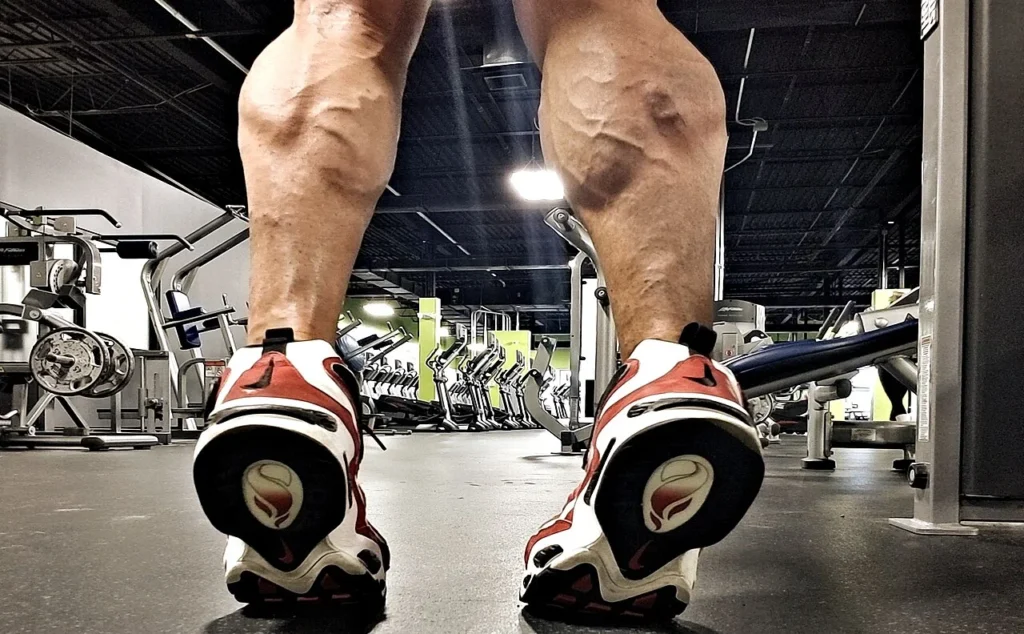
15 to 20 repetitions
Improves circulation and reduces ankle stiffness.
Mini Squats
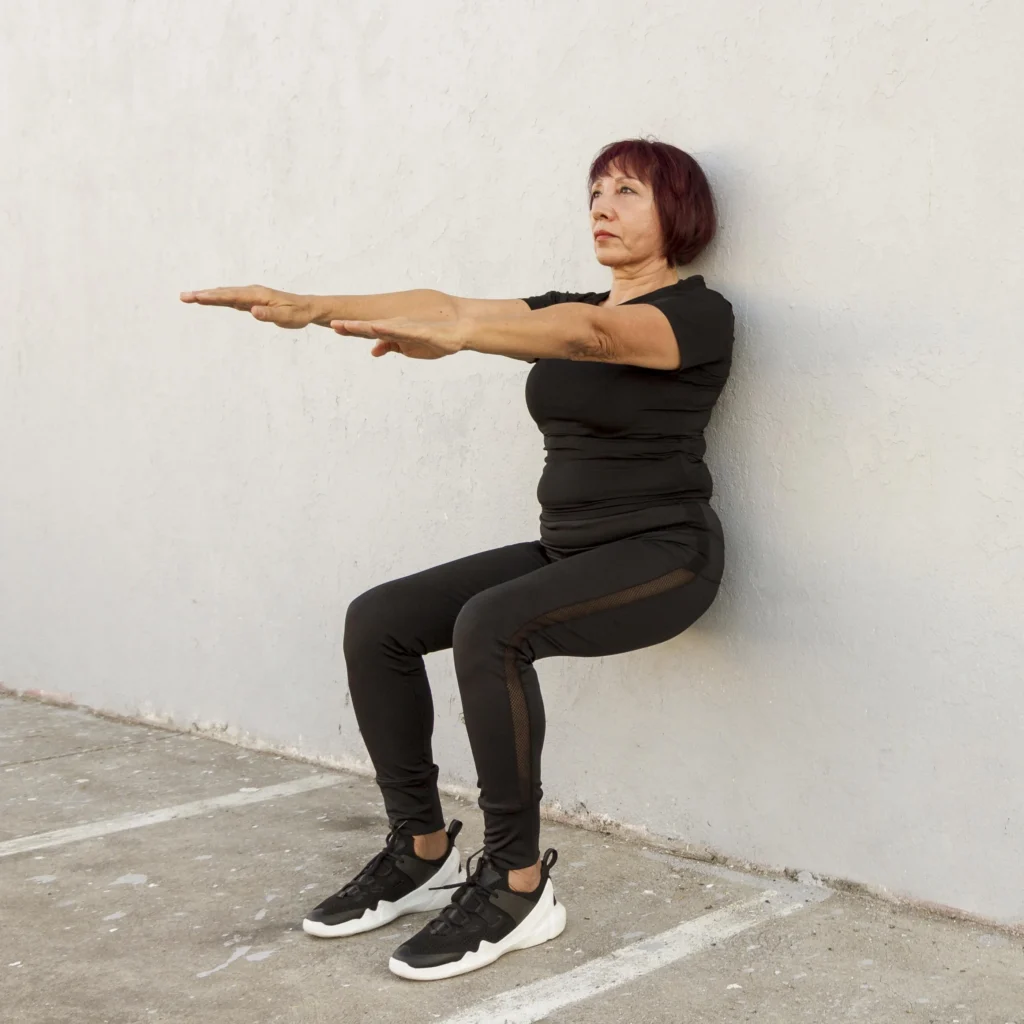
12 repetitions
Reactivates glutes and reduces lumbar compression.
Standing Thoracic Extension
5 repetitions
Counters forward rounding.
Chin Tucks
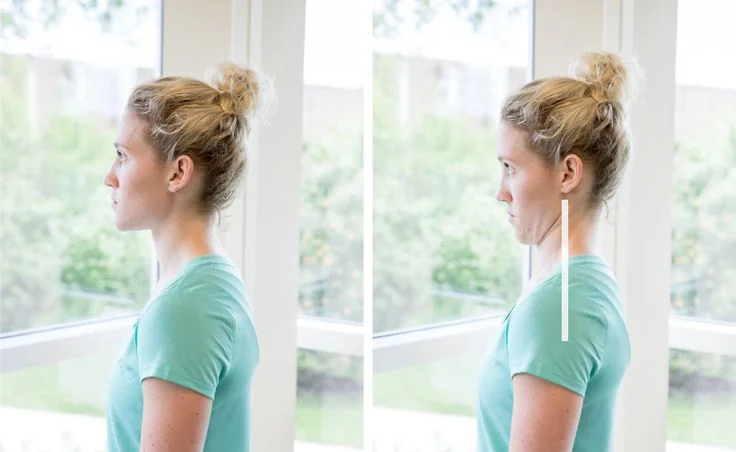
10 repetitions
Restores cervical alignment.
Weight Shifts
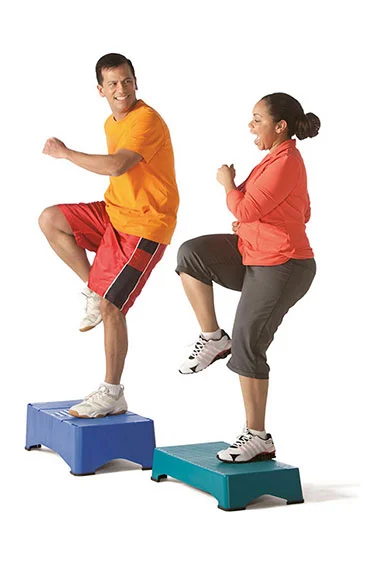
Alternate legs every 20 seconds
Prevents static joint overload.
Total time required is under three minutes.
Lower Back Protection Protocol
Perform twice daily.
Pelvic Control Drill
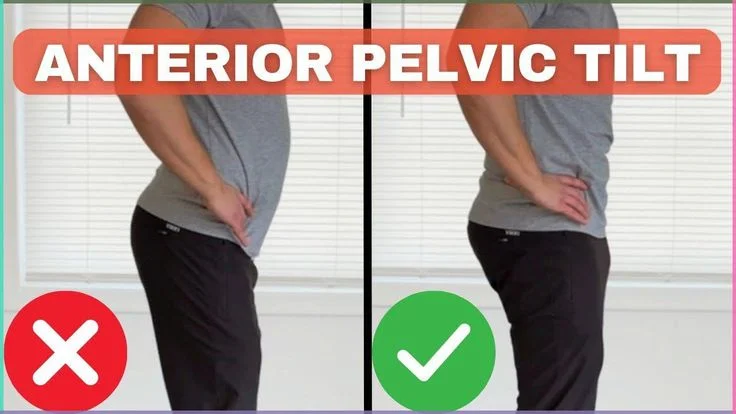
Anterior and posterior pelvic tilts
15 repetitions
Improves lumbar mobility and awareness.
Isometric Core Bracing
Hold abdominal contraction for 10 seconds
Repeat 5 times
Activates deep stabilizers.
Glute Activation Holds
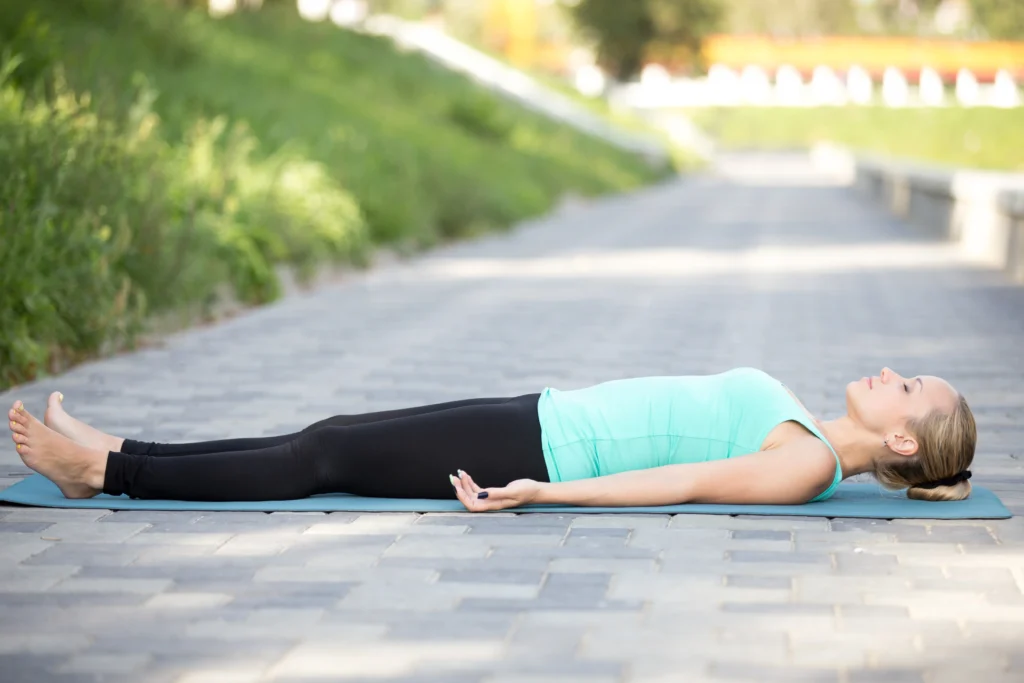
Squeeze glutes for 5 seconds
Repeat 10 times
Reduces lumbar strain.
Neck and Shoulder Restoration
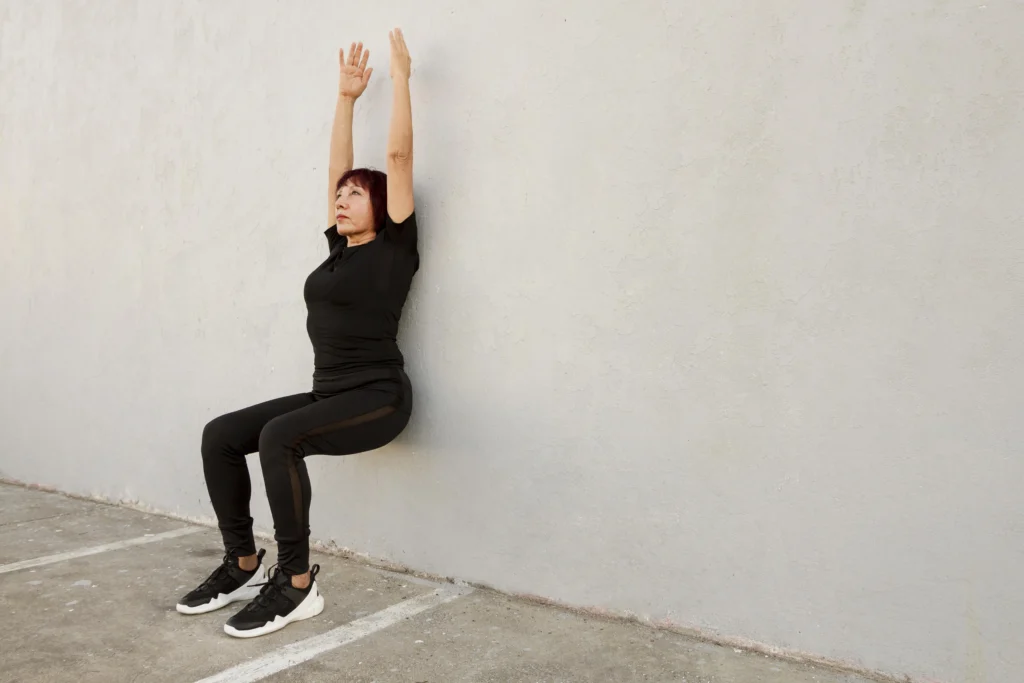
Wall Slides
10 repetitions
Improves scapular mobility.
Scapular Retraction Holds

Hold 5 seconds
Repeat 10 times
Strengthens postural support.
Upper Trapezius Stretch

Hold 20 seconds each side
Reduces accumulated tension.
Foot and Ankle Recovery Series
Toe Raises
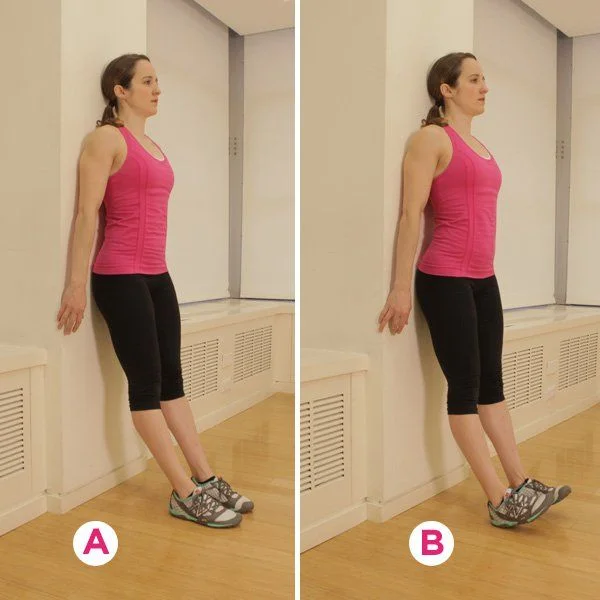
15 repetitions
Strengthens anterior shin muscles.
Plantar Fascia Rolling
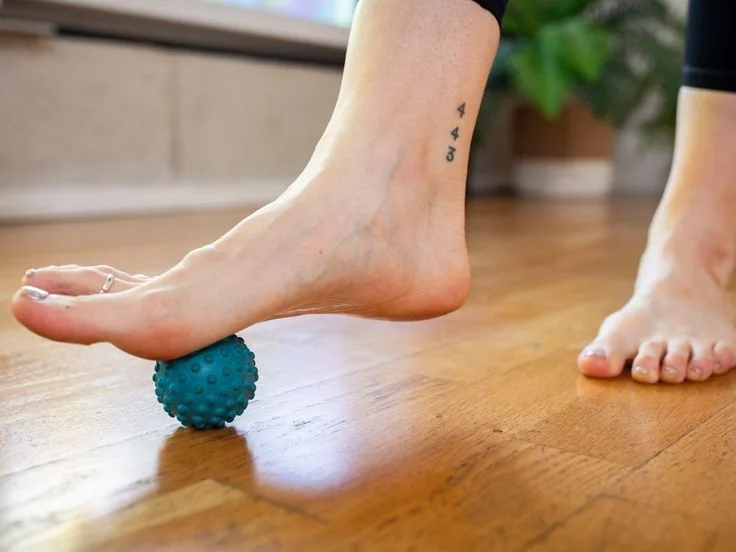
Massage ball under foot
1 minute per side
Reduces fascial tension.
Ankle Circles
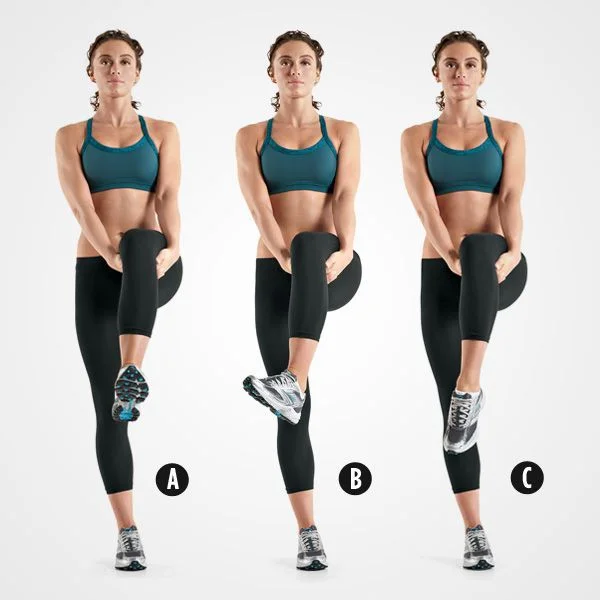
10 each direction
Improves joint mobility.
Also Read: Child’s Pose Exercise for Back Pain Relief- A Complete Guide
Core and Strength Integration for Long Term Relief
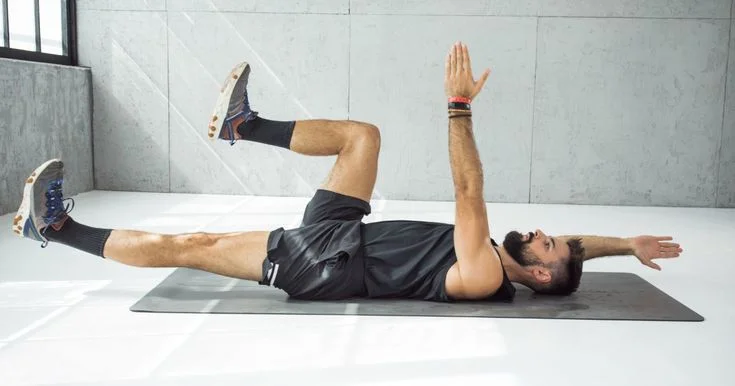
Mobility prevents stiffness. Strength prevents recurrence.
Add three sessions per week:
- Dead bugs
- Side planks
- Glute bridges
- Split squats
- Resistance band rows
Muscle endurance protects posture during prolonged standing tasks.
Also Read: Unlocking Knee Pain Relief: How Physiotherapy Can Change Your Life!
Ergonomic Optimization Checklist
Exercises cannot compensate for poor workstation setup.
Monitor Position
Top third of screen at eye level.
Keyboard Height
Elbows at approximately 90 degrees.
Wrist Position
Maintain neutral alignment.
Anti Fatigue Mat
Reduces plantar pressure and lower limb fatigue.
Footwear
Avoid flat, rigid soles.
Avoid Locked Knees
Maintain slight micro bend.
Read in detail: Best Desk Setup to Reduce Neck and Back Pain
How Anti Fatigue Mats Actually Work
Anti fatigue mats do more than provide cushioning.
They create subtle instability, which:
- Activates small stabilizer muscles
- Encourages micro movement
- Improves circulation
- Reduces static loading
Lesser Known Fact
Pressure mapping studies show that high quality anti fatigue mats reduce peak plantar pressure by distributing load across the entire foot.
This reduces heel pain risk significantly.
Learn About: The Ultimate Neck Stretch Routine for Desk Workers in 2026
Advanced Programming for Long Work Hours
For professionals working extended technical shifts:
Morning Activation:
- Glute bridges
- Core bracing
Midday Reset:
- Micro mobility routine
Evening Recovery:
- Hip flexor stretch
- Thoracic extension
- 20 minute walk
Consistency builds tissue resilience.
Also Read: Simple Thigh Stretching Exercises for Knee Pain Prevention
Mistakes That Reduce Standing Desk Exercises Benefits
- Standing all day without sitting
- Ignoring strength training
- Leaning onto one hip
- Wearing unsupportive footwear
- Not adjusting monitor height
- Skipping movement breaks
Also Read: Wall Slides for Knee Joint Strength- A Complete Guide
Red Flags That Require Medical Attention
Seek professional evaluation if you experience:
- Radiating leg pain
- Persistent numbness
- Progressive weakness
- Severe heel pain lasting weeks
- Night pain
Early intervention prevents chronic conditions.
Also Read: 10 Minute Gentle Shoulder Mobility Routine at Home for Stiff and Painful Shoulders
Workplace Implementation Strategy
Organizations can enhance employee wellness by:
- Installing movement reminder software
- Providing anti fatigue mats
- Conducting posture education sessions
- Encouraging standing meetings
- Promoting micro break culture
Workplace wellness in 2026 emphasizes dynamic movement intelligence.
Also Read: This 7 day knee strengthening exercise plan works like Miracle
Long Term Benefits of Structured Standing Desk Exercises
When implemented correctly, benefits include:
- Reduced chronic back pain
- Improved posture
- Higher energy levels
- Better circulation
- Reduced musculoskeletal disorder risk
- Improved productivity and focus
- Enhanced metabolic health
Also Read: These Are Simple Posture Correction Exercises for Forward Head Posture
Circulation, Brain Performance, and Productivity Benefits
Movement during work does more than reduce pain.
Short mobility breaks improve:
- Cerebral blood flow
- Reaction time
- Task switching ability
- Mental clarity
- Insulin sensitivity
Lesser Known Fact
Two minute movement breaks every hour have been shown to reduce perceived fatigue and improve attention span compared to continuous standing.
This means structured exercise at your desk directly improves work performance, not just posture.
Also Read: These Are the Best Home Exercises For Hip Pain Relief
Can Standing Desks Affect Hormones and Metabolism?
Alternating between sitting and standing has measurable metabolic effects.
Movement breaks can:
- Improve glucose regulation
- Reduce post meal blood sugar spikes
- Improve lipid metabolism
Lesser Known Fact
Standing alone has minimal metabolic impact. However, combining standing with light squats or calf raises significantly increases glucose uptake in muscle tissue.
This means active standing is metabolically superior to passive standing.
Also read: Bridge Exercise for Back Pain and Strengthening: A Complete Evidence-Based Guide
Frequently Asked Questions (FAQ)
1. How long should I stand per day?
Limit total standing to around four hours divided into intervals.
2. Is standing better than sitting?
Alternation between both is optimal.
3. Do balance boards help?
They promote micro movement but should complement structured exercise.
4. Can standing desks cause sciatica?
Yes, if lumbar compression and poor posture persist.
Also read: Wall Slides for Knee Joint Strength- A Complete Guide
Final Thoughts
Standing desks are powerful tools when used intelligently. Pain reduction does not come from replacing sitting with standing. It comes from proper standing desk exercises, structured, frequent, intentional movement combined with strength and proper ergonomic alignment.
Your body was designed for variability. Build movement into your workflow and pain reduction becomes sustainable.
Stay tuned with us for more health related topics.
Follow us on LinkedIn and Instagram for more.
More Read


Medical Disclaimer!
This article has been reviewed and written under the guidance of our Head Physiotherapist, Dr. Kruti Raj (PT, MUHS,CPT,CMPT). The information shared is intended for educational purposes only and should not be considered a substitute for personalized medical advice, diagnosis, or treatment.
Please consult us or any other qualified healthcare professional before beginning any exercise program, especially if you are experiencing pain, recovering from injury, or managing a medical condition.


