


Text Neck Syndrome is a modern musculoskeletal condition caused by prolonged forward bending of the neck while using smartphones, tablets, and laptops.
As a physiotherapist, I increasingly see young patients complaining of persistent neck stiffness, headaches, and upper back discomfort that began with excessive screen use.
This condition is essentially a repetitive stress injury of the cervical spine, caused by maintaining a sustained forward head posture while looking down at digital devices.
The human head weighs around 4.5–5.5 kg, but when the head bends forward, the effective load on the cervical spine increases dramatically.
At a 45° neck flexion angle, the cervical spine may experience up to 22 kg of pressure, placing enormous strain on muscles, ligaments, and intervertebral discs.
This biomechanical stress explains why frequent device users experience neck pain, muscle fatigue, and reduced mobility.
Recent research suggests that text neck prevalence ranges from 32% to 68% globally, especially among students and young adults who spend several hours daily on smartphones. (jneonatalsurg.com)
In physiotherapy clinics today, this condition is becoming one of the most common causes of non-traumatic neck pain.
Read our Complete Guide to Neck Pain: Causes, Symptoms, Exercises and Treatment
Why Text Neck Syndrome Is Increasing So Rapidly

The digital revolution has changed posture patterns dramatically.
Earlier generations spent most of their time with the head upright while walking, reading, or working. Today, many people spend 4–10 hours daily with the neck flexed forward while using devices.
A study involving medical students found that 61.9% experienced symptoms of text neck syndrome, and the risk increased significantly when smartphone usage exceeded five hours per day. (jrlmc.com.pk)
Another cross-sectional study among physiotherapy students reported that over 63% showed signs of text neck symptoms, highlighting how widespread this condition has become even among health professionals. (bryanhousepub.com)
Modern lifestyle factors contributing to this problem include:
Excessive smartphone usage
Many individuals check their phone hundreds of times a day.
Work-from-home and online learning
Laptop and tablet use increased dramatically after the pandemic.
Social media scrolling habits
Scrolling encourages sustained downward head posture.
Poor ergonomics
People frequently use devices while lying on beds or couches.
Reduced physical activity
Sedentary lifestyles weaken postural muscles.
Research also shows that sedentary screen use exceeding six hours per day can increase neck pain risk by up to 88%, making prolonged device use one of the biggest contributors to modern neck disorders. (The Washington Post)
Read about: What Is Cervical Myofascial Pain Syndrome And How To Relieve Trigger Points
The Biomechanics Behind Text Neck
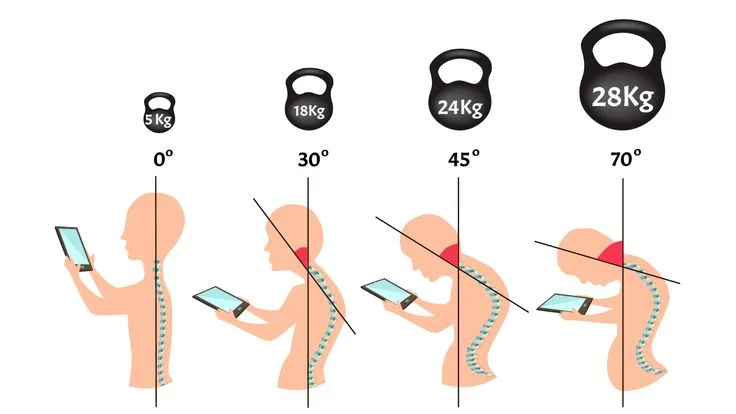
When the head moves forward:
- Cervical extensors become overactive
- Deep neck flexor muscles weaken
- Upper trapezius and levator scapulae tighten
- Shoulder blades move forward
- Thoracic kyphosis increases
Over time this creates postural imbalance and muscle fatigue.
Studies examining smartphone users show that neck flexion angle and forward head displacement significantly increase during device usage, which directly increases stress on cervical joints and ligaments. (Lippincott Journals)
This imbalance can eventually affect not only the neck but also the shoulders, upper back, and even breathing mechanics.
Common Symptoms of Text Neck Syndrome

Symptoms usually develop gradually and worsen over time.
Neck pain and stiffness
Often the earliest sign, especially after long phone use.
Learn : How to Relieve Neck Tightness Without Equipment
Headaches
Muscle tension around the upper neck can trigger cervicogenic headaches.
Shoulder tightness
Upper trapezius and levator scapulae muscles become chronically tight.
Reduced neck mobility
Patients may notice difficulty turning or tilting the neck.
Upper back pain
Thoracic spine strain commonly accompanies text neck.
Tingling or numbness
In severe cases, nerve irritation may produce arm symptoms.
Eye strain and fatigue
Excess screen exposure can worsen musculoskeletal discomfort.
Many patients initially ignore these symptoms until they become chronic.
Read about : What is Cervical Facet Joint Pain, how it causes cervicogenic headaches and how to correct it naturally
Lesser Known Effects of Text Neck Syndrome
While neck pain is the most obvious symptom, several lesser known consequences are often overlooked.
Reduced lung capacity
Forward head posture compresses the chest cavity and can reduce respiratory efficiency.
Studies show that poor posture can decrease lung function by up to 30% in some individuals.
Jaw dysfunction (TMJ pain)
Forward head posture changes jaw alignment, potentially leading to temporomandibular joint problems.
Early spinal degeneration
Read in detail about: Cervical Disc Degeneration: The Hidden Cause of your Neck Pain
Repeated cervical loading can accelerate:
Read about: Cervical Ligament Injury or Neck Ligament Tear
Nerve compression risk
Persistent cervical flexion may narrow nerve openings (foramina), increasing risk of cervical radiculopathy.
Read in detail about: Cervical Radiculopathy: Why Neck Nerve Pain Travels to the Arm
Mood and mental fatigue
Interestingly, posture also influences mood.
Research suggests that upright posture improves energy and reduces fatigue, while slouched posture may worsen mental exhaustion.
Who Is Most at Risk

Certain groups are more vulnerable to text neck syndrome.
Students and teenagers
They often spend 6–10 hours daily on phones and laptops.
Office workers
Laptop and computer use combined with poor ergonomics increases risk.
Gamers
Gaming involves sustained forward head posture.
Social media users
Frequent scrolling encourages prolonged device use.
People with weak postural muscles
Sedentary lifestyle contributes to poor posture control.
Early intervention is particularly important for adolescents because their musculoskeletal systems are still developing.
How Physiotherapists Diagnose Text Neck Syndrome

Diagnosis is primarily clinical and involves posture analysis and movement assessment.
Physiotherapists commonly evaluate:
Craniovertebral angle
This measurement assesses forward head posture severity.
A smaller craniovertebral angle indicates greater forward head posture.
Neck disability index (NDI)
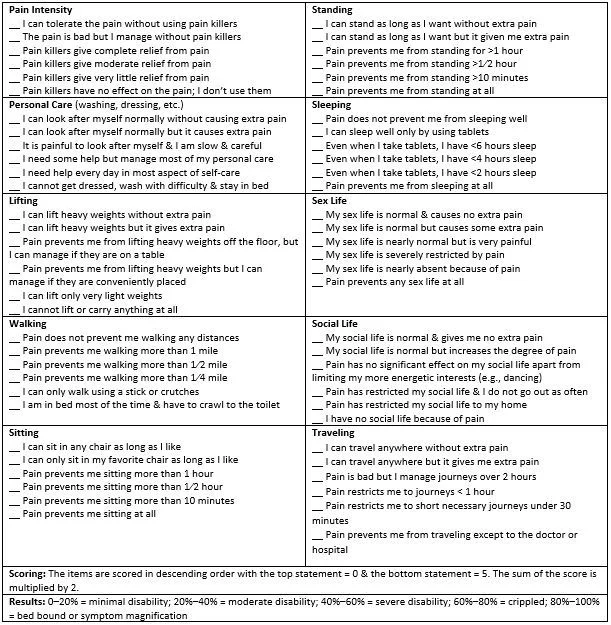
A validated questionnaire used to assess the functional impact of neck pain.
Muscle strength testing
Particularly the deep neck flexors and scapular stabilizers.
Cervical range of motion
Restricted movement may indicate muscle tightness or joint dysfunction.
Postural observation
Including shoulder position, thoracic kyphosis, and head alignment.
Physiotherapy Treatment for Text Neck Syndrome
The good news is that text neck syndrome responds very well to physiotherapy when addressed early.
Postural correction training
Patients are taught how to maintain a neutral spine while using devices.
Learn how posture affects neck pain and correction exercises in our article on Simple Posture Correction Exercises for Forward Head Posture
Cervical stabilization exercises
Research shows that cervical stabilization programs significantly improve posture and reduce symptoms in individuals with text neck syndrome. (jneonatalsurg.com)
Strengthening weak muscles
Key muscles include:
- Deep neck flexors
- Lower trapezius
- Rhomboids
- Serratus anterior
Stretching tight muscles
Common tight muscles include:
- Upper trapezius
- Levator scapulae
- Pectoralis minor
- Sternocleidomastoid
Manual therapy
Techniques may include:
- Soft tissue release
- Joint mobilization
- Myofascial release
Ergonomic correction
Small lifestyle changes can significantly reduce symptoms.
Evidence-Based Exercises for Text Neck Syndrome
Modern physiotherapy research shows that the most effective rehabilitation for text neck syndrome combines deep neck flexor strengthening, scapular stabilization, thoracic mobility exercises, and stretching of tight muscles.
These interventions help restore muscle balance around the cervical spine and shoulder girdle. (mdpi.com)
Studies also show that targeted cervical stabilization programs can improve the craniovertebral angle by 6-10° and significantly reduce neck pain within 4-8 weeks when performed consistently. (jneonatalsurg.com)
Below are some clinically recommended physiotherapy exercises widely used in rehabilitation programs.
Cranio-Cervical Flexion Exercise
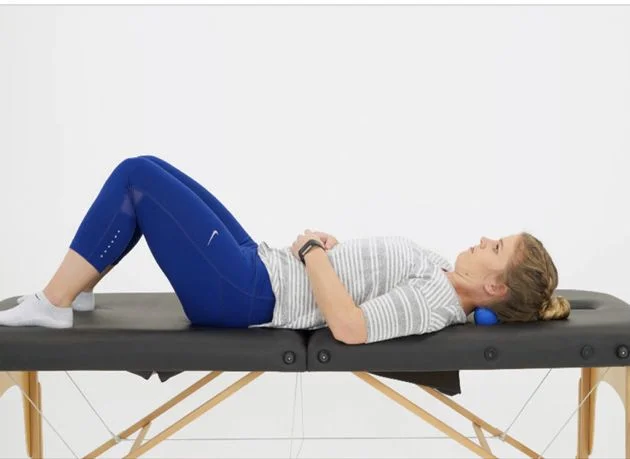
Deep Neck Flexor Activation
This exercise is considered the gold standard physiotherapy exercise for correcting forward head posture.
Deep cervical flexor muscles such as longus colli and longus capitis provide stability to the cervical spine. Weakness in these muscles is strongly associated with text neck and mechanical neck pain. (MDPI)
How to perform
- Lie on your back with knees bent.
- Place a small towel under your neck.
- Gently nod your head as if saying “yes.”
- Do not lift the head off the surface.
- Hold for 5–10 seconds.
- Repeat 10–12 repetitions.
Clinical tip
Focus on gentle activation rather than strong contraction. The movement should be subtle.
Research insight
Training deep cervical flexors significantly improves posture and reduces pain compared with conventional exercise programs alone. (PubMed)
Deep Neck Flexor Endurance Hold
This exercise improves the endurance capacity of cervical stabilizing muscles, which is often reduced in people with prolonged smartphone use.
How to perform
- Lie on your back.
- Perform a chin tuck.
- Slightly lift your head about 2–3 cm from the surface.
- Maintain the chin tuck while holding the position.
Hold time
Start with 5 seconds and gradually progress to 20–30 seconds.
Clinical benefit
Randomized trials show that deep neck flexor strengthening improves cervical muscle strength, reduces pain intensity, and increases neck mobility. (jptcp.com)
Shoulder Blade Squeeze

Scapular Retraction Exercise
Forward head posture is usually accompanied by rounded shoulders and weak scapular stabilizers.
Strengthening the rhomboids and middle trapezius helps restore shoulder alignment and reduces neck strain. (MDPI)
How to perform
- Sit or stand upright.
- Pull your shoulder blades together.
- Keep your shoulders relaxed and avoid shrugging.
- Hold for 5 seconds.
Repetitions
10–15 repetitions for 2–3 sets daily.
Physiotherapy insight
Scapular stabilization exercises help redistribute loads from the cervical spine to the thoracic region.
Wall Angel Exercise

Wall angels are excellent for correcting rounded shoulders and thoracic stiffness, which contribute to text neck posture.
How to perform
- Stand with your back against a wall.
- Keep your head, shoulders, and hips touching the wall.
- Raise your arms in a “goalpost” position.
- Slowly slide your arms upward along the wall.
- Return to the starting position.
Repetitions
10 repetitions × 2 sets.
Clinical benefit
This exercise activates lower trapezius and serratus anterior, improving postural alignment.
Thoracic Extension Over Foam Roller

The thoracic spine often becomes stiff due to prolonged sitting and screen use.
Physiotherapy research highlights that thoracic mobility exercises improve cervical spine function and reduce neck pain. (MDPI)
How to perform
- Place a foam roller horizontally under your upper back.
- Support your head with your hands.
- Slowly extend your upper back over the roller.
- Return to neutral.
Repetitions
8–10 repetitions.
Clinical insight
Improving thoracic extension reduces compensatory strain on the cervical spine.
Levator Scapulae Stretch
The levator scapulae muscle becomes tight in individuals with text neck posture.
How to perform
- Sit upright.
- Turn your head about 45 degrees away from the affected side.
- Gently pull the head downward toward the chest.
Hold
20–30 seconds.
Repetitions
3 times each side.
Upper Trapezius Stretch

Upper trapezius overactivity is a common feature of forward head posture.
How to perform
- Sit upright.
- Tilt your head sideways.
- Use your hand to gently increase the stretch.
Hold
20–30 seconds.
Repetitions
3–4 times each side.
Pectoralis Minor Doorway Stretch

Tight chest muscles contribute to rounded shoulders and forward head posture.
How to perform
- Stand in a doorway.
- Place forearms on the frame.
- Step forward slowly until you feel a chest stretch.
Hold
30 seconds.
Repetitions
3 repetitions.
McKenzie Cervical Retraction Exercise
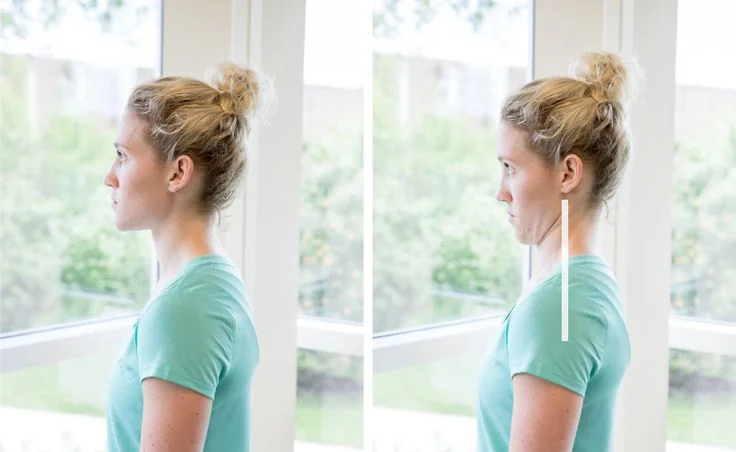
The McKenzie method is widely used in physiotherapy for cervical spine disorders.
Clinical trials show that McKenzie exercises combined with deep neck flexor training improve pain, mobility, and functional disability in neck pain patients. (PubMed)
How to perform
- Sit upright.
- Pull your head backward without tilting it.
- Keep your chin parallel to the floor.
- Hold for 3–5 seconds.
Repetitions
10–15 repetitions.
Proprioceptive Neuromuscular Facilitation (PNF)

PNF techniques are advanced physiotherapy techniques used to improve neuromuscular control and muscle endurance.
Studies show PNF exercises significantly improve neck range of motion, muscle endurance, and posture in individuals with text neck syndrome. (journals.lww.com)
Example PNF pattern
- Sit upright.
- Rotate the head diagonally upward.
- Slowly move it diagonally downward toward the opposite side.
- Perform controlled movement patterns.
Repetitions
8–10 repetitions.
Sample Physiotherapy Exercise Routine (Daily Plan)
A practical home program may include:
| Exercise | Repetitions |
|---|---|
| Chin tuck | 10 reps |
| Deep neck flexor hold | 5–10 holds |
| Scapular retraction | 15 reps |
| Wall angels | 10 reps |
| Thoracic extension | 10 reps |
| Upper trapezius stretch | 3 reps |
| Levator scapulae stretch | 3 reps |
Perform this routine once or twice daily for best results.
Most patients notice improvement within 4–6 weeks of consistent physiotherapy.
Learn How to do Chin Tucks for Neck Pain Relief and Posture Correction
Clinical Physiotherapy Insight
Evidence suggests that combined rehabilitation programs work better than isolated exercises. Effective programs include:
- Deep neck flexor strengthening
- Scapular stabilization exercises
- Thoracic mobility drills
- Stretching of tight muscles
This comprehensive approach restores postural balance, muscle coordination, and cervical stability, leading to long-term symptom relief. (MDPI)
Learn About: The Ultimate Neck Stretch Routine for Desk Workers in 2026
Simple Ergonomic Tips to Prevent Text Neck Syndrome
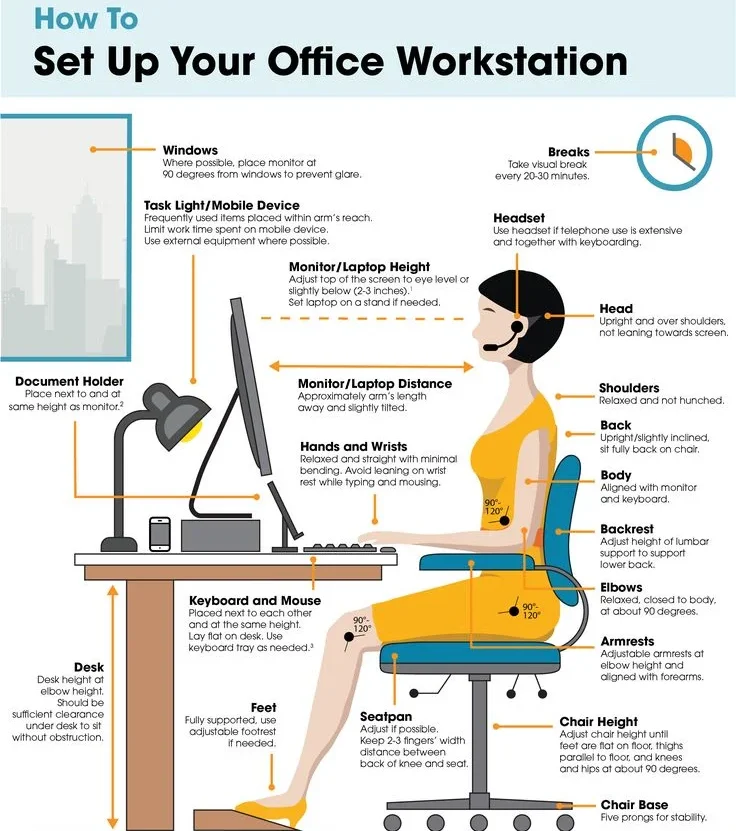
Prevention is far easier than treatment.
Raise your phone to eye level
Avoid bending the neck downward.
Follow the 20-20-20 rule
Every 20 minutes:
- Look away for 20 seconds
- Stretch your neck
Use supportive seating
Maintain a neutral spine while working.
Avoid using devices while lying down
This position increases cervical stress.
Strengthen postural muscles regularly
Regular exercise prevents recurrence.
Read in detail: Best Desk Setup to Reduce Neck and Back Pain
When Should You See a Physiotherapist
You should seek professional help if you experience:
- Persistent neck pain lasting more than two weeks
- Headaches related to neck movement
- Numbness or tingling in arms
- Severe stiffness
- Reduced neck movement
Early physiotherapy treatment can prevent chronic problems.
Read about : 15 Common Causes of Neck Pain You Should Know
My Clinical Insight
As a physiotherapist, I have noticed a significant rise in young patients with postural neck pain over the last decade.
Many assume their neck pain is due to stress or sleeping posture, but detailed assessment often reveals prolonged device use and poor posture as the underlying cause.
What makes text neck particularly concerning is that it begins silently.
At first, it causes mild stiffness. But if ignored, it can gradually progress to chronic neck pain, headaches, and even nerve irritation.
Fortunately, the body responds very well to corrective exercises and posture training.
Physio Prescription
If you want to protect your neck health, follow these daily habits:
- Perform chin tuck exercises twice daily
- Stretch neck and chest muscles regularly
- Limit continuous screen time to 30 minutes
- Keep screens at eye level
- Strengthen upper back muscles
These small changes can dramatically reduce neck strain.
Read About: Managing Neck Pain in Women: Home Exercises and Advice
Red Flags
Contact a healthcare professional if you notice:
- Severe neck pain after injury
- Persistent arm numbness
- Weakness in hands
- Loss of balance
- Severe headaches with neck stiffness
These symptoms may indicate more serious cervical spine conditions.
Read in detail about: How to Fix Upper Crossed Syndrome Naturally
Myth vs Fact
Myth
Text neck only affects teenagers.
Fact
Adults and office workers are equally vulnerable due to prolonged device use.
Myth
Neck pain from phones is temporary.
Fact
Long-term poor posture can lead to chronic spinal issues if untreated.
Read in detail: Physiotherapy for Cervical Disc Degeneration: What Actually Works
Frequently Asked Questions
1. What is text neck syndrome?
Text neck syndrome is a repetitive strain injury caused by prolonged forward bending of the neck while using smartphones, tablets, or computers. It commonly results in neck pain, stiffness, and poor posture.
2. What are the symptoms of text neck?
Common symptoms include neck pain, stiffness, headaches, shoulder tightness, reduced neck mobility, and sometimes tingling in the arms.
3. How can I fix text neck?
Text neck can be improved with physiotherapy exercises, posture correction, ergonomic adjustments, and limiting prolonged smartphone use.
4. Are exercises effective for text neck syndrome?
Yes, strengthening deep neck flexors and stretching tight neck and shoulder muscles can significantly reduce symptoms and improve posture.
5. How can text neck be prevented?
Prevention includes holding devices at eye level, taking frequent posture breaks, strengthening postural muscles, and maintaining good ergonomic habits.
Final Word
Text neck syndrome is one of the most common digital-age musculoskeletal problems. However, it is also one of the most preventable.
By combining awareness, proper ergonomics, and targeted physiotherapy exercises, most people can significantly reduce neck pain and improve posture.
Your spine was designed for movement, not prolonged bending.
Taking small posture breaks today may protect your neck for decades.
Stay tuned with us for more health related topics.
Follow us on LinkedIn and Instagram for more.
More Read


Medical Disclaimer!
This article has been reviewed and written under the guidance of our Head Physiotherapist, Dr. Kruti Raj (PT, MUHS,CPT,CMPT). The information shared is intended for educational purposes only and should not be considered a substitute for personalized medical advice, diagnosis, or treatment.
Please consult us or any other qualified healthcare professional before beginning any exercise program, especially if you are experiencing pain, recovering from injury, or managing a medical condition.


