


Waking up with a stiff neck is something many people experience at some point in their lives. For some, it is a mild inconvenience that resolves after a few minutes of stretching, while for others it can become a persistent and uncomfortable problem affecting daily activities.
From a physiotherapist’s perspective, morning neck stiffness often indicates that the cervical spine structures including muscles, joints, and ligaments have been under stress during sleep or throughout the previous day.
The cervical spine is designed to provide both stability and mobility to support the head, which weighs around 4-5 kg.
When posture, sleep position, muscle balance, or ergonomics are compromised, these structures can become strained, leading to stiffness and reduced mobility upon waking.
Research shows that waking neck pain and stiffness are common symptoms related to sleep posture and spinal alignment. (Gordon & Grimmer-Somers, 2011)
Studies examining sleeping positions found that individuals who experience neck symptoms often spend more time in provocative sleep postures compared with people without symptoms.
Understanding the causes, symptoms, and effective treatment options for morning neck stiffness can help individuals manage this condition and prevent long-term cervical problems.
Read about our Complete Neck Pain Guide : Causes, Symptoms, Exercises and Treatment
A Quick Answer
Morning neck stiffness is commonly caused by poor sleeping posture, muscle strain, cervical joint irritation, or sleeping on an unsupportive pillow.
It may lead to reduced neck mobility, tight muscles, and mild pain when turning the head. In most cases, gentle neck movement, stretching, proper pillow support, and maintaining good posture during the day can help relieve symptoms and prevent recurrence.
Also read: How to Relieve Neck Tightness Without Equipment
Key Takeaways
- Morning neck stiffness is often linked to poor sleeping posture or an unsupportive pillow.
- Muscle strain or irritation of cervical joints can cause tightness after waking.
- Common symptoms include reduced neck mobility and discomfort while turning the head.
- Gentle neck movements and stretching help restore flexibility.
- Using a supportive pillow and maintaining good posture during the day can prevent recurrence.
Understanding Morning Neck Stiffness
Morning neck stiffness refers to tightness or restricted movement in the cervical spine immediately after waking. The stiffness typically improves gradually as the muscles warm up and the joints begin to move.
The neck consists of seven vertebrae supported by intervertebral discs, ligaments, and muscles that work together to allow smooth motion. During sleep, the body remains relatively immobile for several hours. This prolonged immobility may temporarily reduce joint lubrication and increase muscle stiffness.
A study examining sleep posture and neck muscle activity found that different sleeping positions can significantly alter muscle activation in the neck and shoulders, which may contribute to discomfort or stiffness after waking. (Cary et al., 2019)
While occasional stiffness is usually harmless, frequent episodes may signal issues related to sleep ergonomics, muscle imbalance, or cervical joint dysfunction.
Read about : 15 Common Causes of Neck Pain You Should Know
Common Causes of Morning Neck Stiffness
Poor Sleeping Posture

Sleeping posture is one of the most common reasons people wake up with neck stiffness.
If the neck remains twisted or unsupported for several hours during sleep, the surrounding muscles and ligaments may become strained. Over time, repeated poor sleeping posture can lead to chronic neck discomfort.
Research analyzing sleep posture patterns found that waking spinal pain and stiffness were frequently associated with certain sleep positions, while side-lying positions appeared to be relatively protective against spinal symptoms. (Gordon & Grimmer-Somers, 2011)
Sleeping positions that may increase neck strain include:
- Sleeping on the stomach with the head turned to one side
- Using multiple pillows that push the neck forward
- Allowing the head to drop backward without support
- Sleeping with the shoulder rolled forward
Maintaining a neutral spine during sleep is essential for preventing stiffness.
Read About: Best Sleeping Position for Neck Pain: A Physiotherapist’s Complete Guide
Incorrect Pillow Height or Type

The pillow used during sleep plays a critical role in maintaining cervical alignment.
If a pillow is too high or too firm, it may keep the neck flexed for several hours, leading to stiffness or pain in the morning.
Scientific studies examining pillow ergonomics show that inadequate neck and shoulder support can alter cervical alignment and contribute to waking neck pain and stiffness. (Harvard Health Publishing, 2022)
More recent research also indicates that adjusting pillow height properly can significantly improve neck pain and related symptoms. (Chen et al., 2023)
According to Sciencedirect, Pillow features that influence cervical support include:
- Height
- Firmness
- Shape
- Material
When the pillow supports the natural curve of the neck, muscles can relax during sleep, reducing the likelihood of morning stiffness.
Read About: How to Choose the Right and Best Pillow for Neck Pain
Poor Daytime Posture
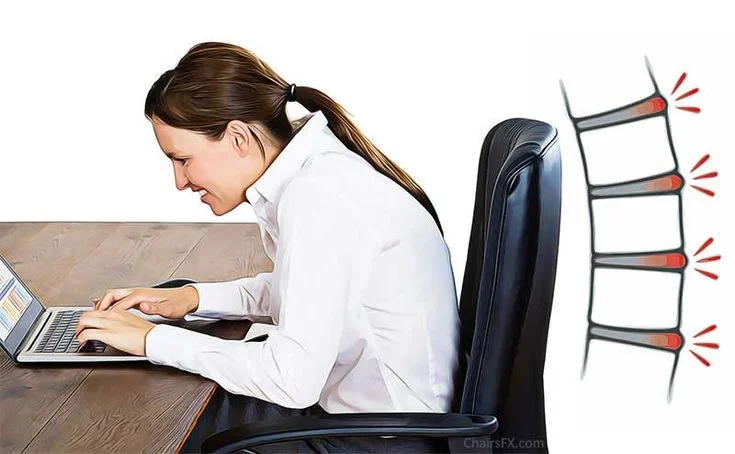
Morning neck stiffness often begins with habits during the day.
Modern lifestyles involve prolonged sitting, smartphone use, and computer work. These activities frequently cause forward head posture, where the head shifts forward relative to the shoulders.
Forward head posture significantly increases mechanical stress on the cervical spine and neck muscles.
Learn how posture affects neck pain and correction exercises in our article on Simple Posture Correction Exercises for Forward Head Posture
Recent reports also highlight how excessive screen time and prolonged downward neck posture often referred to as “text neck” can contribute to neck stiffness and musculoskeletal strain.
Read in detail: Neck Pain from Phone Use? Here’s How to Treat Text Neck Syndrome
Over time, poor posture leads to muscle imbalance and fatigue, making the neck more vulnerable to stiffness during sleep.
Read about: Which Is The Best Sitting Posture To Avoid Neck Pain And How To Achieve It
Stress and Muscle Tension

Many people underestimate the effect of emotional stress on physical health.
Stress and anxiety can cause persistent tightening of neck and shoulder muscles. This tension may continue unconsciously during sleep, reducing blood flow and causing stiffness by morning.
Chronic stress is known to increase muscle tension in the trapezius and cervical muscles, which may contribute to neck pain and stiffness.
Read in detail about: What is Cervical Spondylosis? The Truth Behind Chronic Neck Pain
Cervical Joint Dysfunction

The cervical spine contains small joints called facet joints that allow smooth movement between vertebrae.
When these joints become irritated or inflamed, they may produce stiffness after periods of inactivity such as sleep. Conditions that may affect these joints include:
Medical experts note that neck stiffness can occur when the neck is overused or held in unusual positions during sleep. (Cleveland Clinic, 2023)
Read in detail about: Cervical Disc Degeneration: The Hidden Cause of your Neck Pain
Symptoms Associated With Morning Neck Stiffness
Morning neck stiffness may present with several symptoms that vary depending on the underlying cause.
Common symptoms include:
- Difficulty turning the head after waking
- Tightness or soreness in neck muscles
- Reduced range of motion
- Pain at the base of the skull
- Shoulder or upper back discomfort
In most cases, symptoms improve within 15-60 minutes once movement resumes.
However, additional symptoms such as numbness, tingling, or weakness in the arms may indicate nerve involvement and require medical attention.
Read in detail about: Cervical Radiculopathy: Why Neck Nerve Pain Travels to the Arm
Lesser-Known Physiological Reasons for Morning Neck Stiffness
Several physiological mechanisms can contribute to neck stiffness upon waking.
Reduced Joint Lubrication During Sleep
Synovial joints rely on movement to circulate lubricating fluid.
Because the body moves less during sleep, joint lubrication may temporarily decrease, leading to stiffness when movement begins in the morning.
Overnight Muscle Shortening
Certain sleep positions may keep muscles in shortened or stretched positions for prolonged periods. This can lead to temporary muscle tightness.
Sleep Quality and Cervical Pain
Research suggests that individuals experiencing cervical pain and stiffness often report poorer sleep quality compared to asymptomatic individuals.
Read about: Effective Neck Pain Exercises At Home: A Complete Guide to Relief and Improved Mobility
Morning Neck Stiffness vs Cervical Spondylosis

Many people worry that waking up with neck stiffness may indicate a serious spinal condition.
In most cases, morning neck stiffness is temporary and related to muscle tightness, sleeping posture, or poor pillow support. However, persistent stiffness can sometimes be associated with cervical spondylosis.
Cervical spondylosis refers to age-related changes in the cervical spine, including degeneration of intervertebral discs, joints, and surrounding structures.
These changes may cause chronic neck pain, stiffness, and reduced range of motion.
The key difference between simple morning stiffness and cervical spondylosis lies in the duration and associated symptoms.
Morning stiffness related to posture or sleep ergonomics usually improves within thirty to sixty minutes after waking and moving the neck.
In contrast, stiffness caused by cervical spondylosis may persist throughout the day and may be accompanied by additional symptoms such as:
- Persistent neck pain
- Headaches originating from the neck
- Shoulder or arm pain
- Numbness or tingling in the arms or hands
- Reduced neck mobility
Medical literature notes that cervical spondylosis is a common age-related condition that may cause neck pain, stiffness, and neurological symptoms in some individuals (Cleveland Clinic, 2023).
Physiotherapy plays an important role in managing both conditions.
Targeted exercises, posture correction, and ergonomic adjustments can improve cervical mobility and reduce discomfort associated with cervical spine degeneration.
If neck stiffness occurs frequently, worsens over time, or is accompanied by neurological symptoms such as numbness or weakness, a medical evaluation is recommended to rule out underlying spinal conditions.
Physiotherapy Assessment of Morning Neck Stiffness
When morning stiffness becomes persistent, a physiotherapist typically performs a detailed evaluation to identify underlying factors.
Assessment may include:
- Cervical range of motion testing
- Muscle strength evaluation
- Postural analysis
- Sleep posture evaluation
- Ergonomic assessment of workplace habits
Identifying the root cause allows physiotherapists to develop a targeted rehabilitation plan.
Read more: Cervical Vertigo Explained: Why Neck Pain Make You Feel Dizzy
Physiotherapy Treatment for Morning Neck Stiffness
Therapeutic Exercises
Exercise therapy is one of the most effective treatments for cervical stiffness.
Chin Tuck Exercise
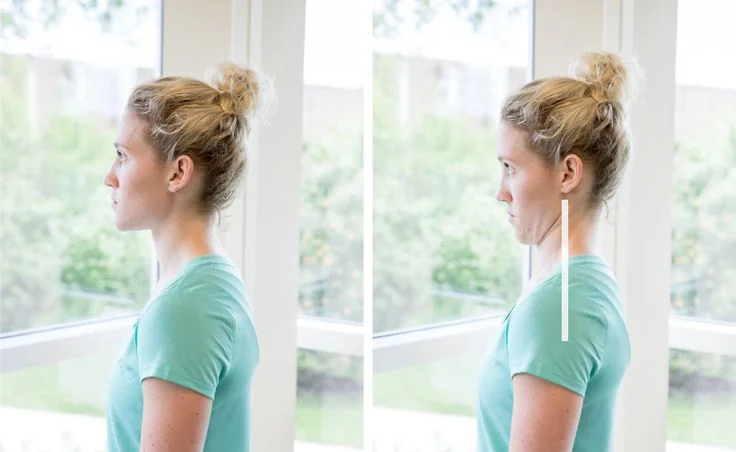
This exercise strengthens deep cervical flexor muscles and improves neck posture.
Clinical studies show that deep cervical flexion exercises can reduce neck pain and improve functional outcomes in individuals with postural neck problems. (Falla & Jull, 2021)
Gentle Range-of-Motion Exercises

Slow neck movements such as rotation, flexion, and side bending help restore joint mobility.
Scapular Stabilization Exercises

Strengthening the muscles around the shoulder blades improves spinal posture and reduces strain on the neck.
Learn: How to do Chin Tucks for Neck Pain Relief and Posture Correction
Manual Therapy
Physiotherapists may also use manual therapy techniques such as:
- Soft tissue release
- Trigger point therapy
- Cervical mobilization
These treatments help restore joint movement, improve circulation, and reduce muscle tension.
Learn About: The Ultimate Neck Stretch Routine for Desk Workers in 2026
Home Remedies for Morning Neck Stiffness
Several simple daily habits can help reduce morning neck stiffness and improve cervical spine health.
From a physiotherapy perspective, consistent self-care plays an important role in maintaining muscle flexibility, improving circulation, and preventing strain on the neck joints.
Gentle Morning Stretching

Performing gentle neck stretches after waking can help restore mobility and reduce stiffness. During sleep, neck muscles may remain relatively inactive for several hours.
Light stretching encourages blood flow to the muscles and helps the cervical joints regain normal movement.
Simple movements such as slow neck rotations, side bending, and chin tuck exercises can help relieve tightness.
These movements should be performed slowly and within a comfortable range to avoid additional strain.
Physiotherapy research has shown that strengthening and activating deep cervical muscles can improve neck stability and reduce pain in individuals with neck discomfort (Falla & Jull, 2021).
Warm Showers or Heat Therapy
Heat therapy is another effective method for relieving neck stiffness in the morning.
Warm showers or the use of a heating pad can help relax tight muscles and improve blood circulation in the neck region.
When heat is applied to muscles, it increases tissue elasticity and reduces muscle tension, making it easier to move the neck comfortably.
Applying heat for about 10 to 15 minutes can often provide noticeable relief from stiffness.
Heat therapy is commonly recommended in physiotherapy practice as a supportive treatment for muscle tightness and mild musculoskeletal pain.
Regular Physical Activity
Maintaining an active lifestyle helps strengthen the muscles that support the cervical spine.
Weak or fatigued neck and upper back muscles can increase the likelihood of stiffness and discomfort after sleep.
Regular activities such as walking, swimming, yoga, or resistance training help maintain muscle strength and improve overall spinal stability.
Exercise also improves blood circulation, which helps supply oxygen and nutrients to muscles and joints.
Clinical research has shown that structured strengthening programs can reduce neck pain intensity and improve muscle function in people with cervical discomfort (Andersen et al., 2024).
Maintain an Ergonomic Workstation
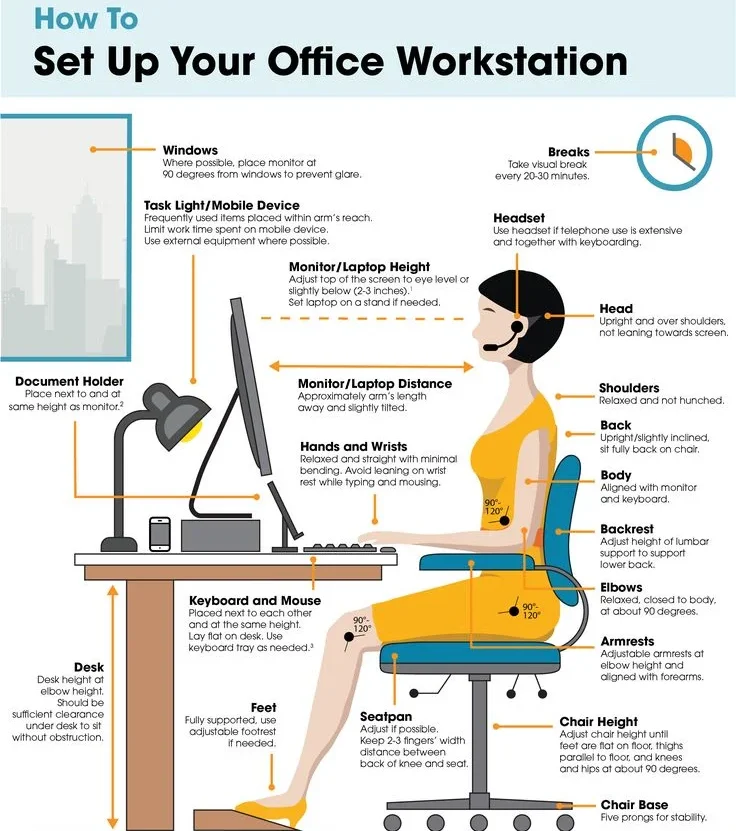
Poor workstation setup is a common contributor to neck stiffness.
Many people spend long hours using computers or mobile devices, often with their heads tilted downward or forward.
Maintaining an ergonomic workstation helps keep the neck in a neutral position and reduces stress on cervical muscles.
The computer screen should ideally be positioned at eye level so that the head remains upright while working.
Adjusting chair height, using a supportive chair, and keeping the keyboard and mouse within comfortable reach can also help prevent muscle strain.
Studies examining spinal biomechanics have shown that forward head posture increases pressure on cervical discs and neck muscles, which may contribute to long-term musculoskeletal strain (Sahrmann et al., 2017).
Improve Sleep Ergonomics

Optimizing sleep posture is another important step in preventing morning neck stiffness.
Using a pillow that supports the natural curve of the neck can help maintain proper spinal alignment during sleep.
Sleep experts recommend sleeping on the back or side with adequate neck support because these positions help maintain better cervical alignment and reduce strain on neck muscles (Sleep Foundation, 2024).
Avoiding stomach sleeping can also reduce unnecessary twisting of the neck during the night.
Take Breaks From Prolonged Screen Use
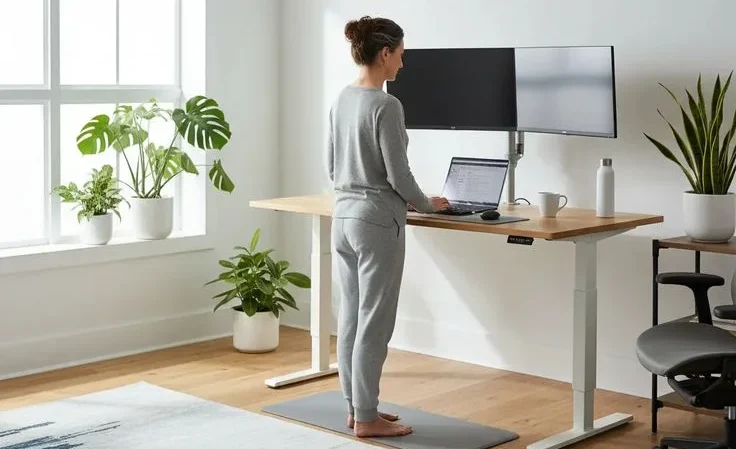
Prolonged screen use can contribute to muscle fatigue in the neck and shoulders.
Taking short breaks every 30 to 45 minutes allows muscles to relax and helps prevent stiffness.
During these breaks, gently stretching the neck and shoulders or walking for a few minutes can improve circulation and reduce muscle tension.
By incorporating these simple habits into daily routines, many individuals can significantly reduce the likelihood of waking up with neck stiffness.
Consistent attention to posture, sleep ergonomics, and muscle health can support long-term cervical spine comfort and mobility.
Read in detail: Best Desk Setup to Reduce Neck and Back Pain
When to Seek Medical Help
Although most cases of morning neck stiffness are harmless, medical evaluation is recommended if:
- Stiffness persists for several weeks
- Pain is severe or worsening
- Numbness or tingling occurs in the arms
- Neck pain follows an injury
Early treatment helps prevent long-term cervical problems.
Read in detail about: How to Fix Upper Crossed Syndrome Naturally
Prevention Tips for Long-Term Neck Health
Preventing morning neck stiffness involves maintaining healthy spinal habits.
Helpful strategies include:
- Maintaining good posture during daily activities
- Using an ergonomic pillow
- Performing regular neck strengthening exercises
- Taking breaks from prolonged screen use
- Managing stress through relaxation techniques
These lifestyle changes can significantly reduce the risk of chronic neck stiffness.
Read about: What Is Cervical Myofascial Pain Syndrome And How To Relieve Trigger Points
Frequently Asked Questions
1. Why is my neck stiff when I wake up in the morning?
Morning neck stiffness is often caused by poor sleeping posture, muscle tension, or using an unsupportive pillow. When the neck remains in an awkward position for several hours during sleep, the muscles and joints can become stiff and uncomfortable upon waking.
2. How long does morning neck stiffness usually last?
In most cases, morning neck stiffness improves within a few hours as the muscles warm up and normal movement returns. Gentle stretching and light activity often help reduce stiffness faster.
3. Can a bad pillow cause neck stiffness?
Yes. A pillow that is too high, too flat, or lacks proper support can place strain on the cervical spine during sleep, leading to neck stiffness and discomfort in the morning.
4. What are the best ways to relieve morning neck stiffness?
Gentle neck stretches, maintaining good posture during the day, using an ergonomic pillow, and applying a warm compress can help relieve morning neck stiffness.
5. When should I see a doctor for neck stiffness?
You should seek medical advice if neck stiffness lasts more than a few days, becomes severe, occurs after an injury, or is accompanied by symptoms such as numbness, tingling, weakness, or severe headache.
Read about : What is Cervical Facet Joint Pain, how it causes cervicogenic headaches and how to correct it naturally
Conclusion
Morning neck stiffness is a common musculoskeletal issue often caused by poor sleeping posture, incorrect pillow support, muscle fatigue, or cervical joint dysfunction.
While occasional stiffness is usually harmless, recurring symptoms may indicate underlying biomechanical or postural problems.
From a physiotherapy perspective, addressing posture, sleep ergonomics, muscle strength, and daily habits plays a crucial role in both treatment and prevention.
With appropriate exercises, ergonomic adjustments, and healthy sleep habits, most people can significantly reduce morning neck stiffness and maintain long-term cervical spine health.
Key Takeaways
Morning neck stiffness is often linked to poor sleeping posture or inadequate pillow support.
Muscle tightness and joint stiffness can develop when the neck remains in one position overnight.
Common symptoms include neck pain, reduced range of motion, and difficulty turning the head after waking up.
Gentle stretching, posture correction, and ergonomic sleep support can help relieve stiffness.
Persistent or severe symptoms may require physiotherapy evaluation to identify underlying cervical issues.
Stay tuned with us for more health related topics.
Follow us on LinkedIn and Instagram for more.
More Read


Medical Disclaimer!
This article has been reviewed and written under the guidance of our Head Physiotherapist, Dr. Kruti Raj (PT, MUHS,CPT,CMPT). The information shared is intended for educational purposes only and should not be considered a substitute for personalized medical advice, diagnosis, or treatment.
Please consult us or any other qualified healthcare professional before beginning any exercise program, especially if you are experiencing pain, recovering from injury, or managing a medical condition.


