


Safe exercise during IVF pregnancy can support fitness, circulation, and well-being.
A positive pregnancy test after IVF brings happiness, relief, disbelief, and for many women, a surprising amount of fear.
Suddenly, simple things feel risky.
Walking too fast feels risky.
Bending feels risky.
Climbing stairs feels risky.
Even coughing too hard can make some women anxious after years of fertility treatment.
As a physiotherapist, I see this often in clinic.
Many IVF mothers become extremely protective of their bodies after conception.
It is understandable.
When a pregnancy has come after injections, procedures, failed cycles, waiting, and emotional exhaustion, movement no longer feels casual.
But here is something important that many women are never properly told.
Quick Answer
In most uncomplicated IVF pregnancies, safe and gentle exercise is not harmful.
In fact, complete inactivity often creates more physical discomfort, more stiffness, poorer sleep, and higher stress levels over time.
The goal is not intense fitness during pregnancy.
The goal is to help your body feel supported, mobile, strong, and calm while reducing unnecessary strain and fear.
Current safe exercise guidelines during ivf pregnancy continue to support moderate physical activity during healthy pregnancies, including pregnancies conceived through assisted reproductive technologies. (ACOG 2024)
What matters most is choosing the right type of movement, at the right stage, with proper medical guidance.
Key Takeaways
Why IVF Pregnancies Feel Different Emotionally
The body becomes hyper-monitored
Women who conceive through IVF often become extremely aware of every body sensation.
A small abdominal pull suddenly feels alarming.
A mild cramp becomes frightening.
Even normal pregnancy fatigue can trigger anxiety.
This emotional hypervigilance changes how many women move.
Some begin walking slowly and cautiously all the time.
Others unconsciously tighten their abdominal muscles throughout the day because they are afraid to “disturb” the pregnancy.
Over time, this protective behavior can actually create:
- pelvic tension
- shallow breathing
- rib stiffness
- neck pain
- lower back discomfort
- constipation
- reduced stamina
One of the lesser-known realities of IVF pregnancies is that fear of movement sometimes causes more physical strain than movement itself.
Is Exercise Safe During Pregnancy After IVF?
In many cases, yes
For uncomplicated IVF pregnancies, moderate exercise is generally considered safe after medical clearance.
Research continues to show that appropriate, safe prenatal exercise during IVF pregnancy may help reduce (Mottola et al. 2018):
- gestational diabetes risk
- excessive weight gain
- pregnancy-related back pain
- sleep disturbances
- anxiety levels
It may also improve circulation, mobility, and overall wellbeing during pregnancy. (Davenport et al. 2018)
That said, IVF pregnancies are not all identical.
Some women may have:
- recurrent miscarriage history
- twin pregnancies
- endometriosis
- cervical concerns
- placental complications
- ovarian hyperstimulation syndrome
- advanced maternal age
- hypertension risk
This is why exercise after IVF should always be individualized.
Why Complete Bed Rest Is Usually Not Helpful
Rest and inactivity are not the same thing
Many IVF mothers are advised by relatives or social media to avoid almost all movement after conception.
Some women spend weeks barely walking around the house because they fear miscarriage.
But prolonged inactivity can create its own problems.
Too much rest may contribute to:
- muscle weakness
- reduced circulation
- constipation
- pelvic stiffness
- poor sleep
- increased anxiety
- loss of physical confidence
Interestingly, several fertility specialists now move away from strict prolonged bed rest unless there is a specific medical reason.
Exercise during pregnancy is no longer viewed the way it was twenty years ago.
The First Trimester After IVF
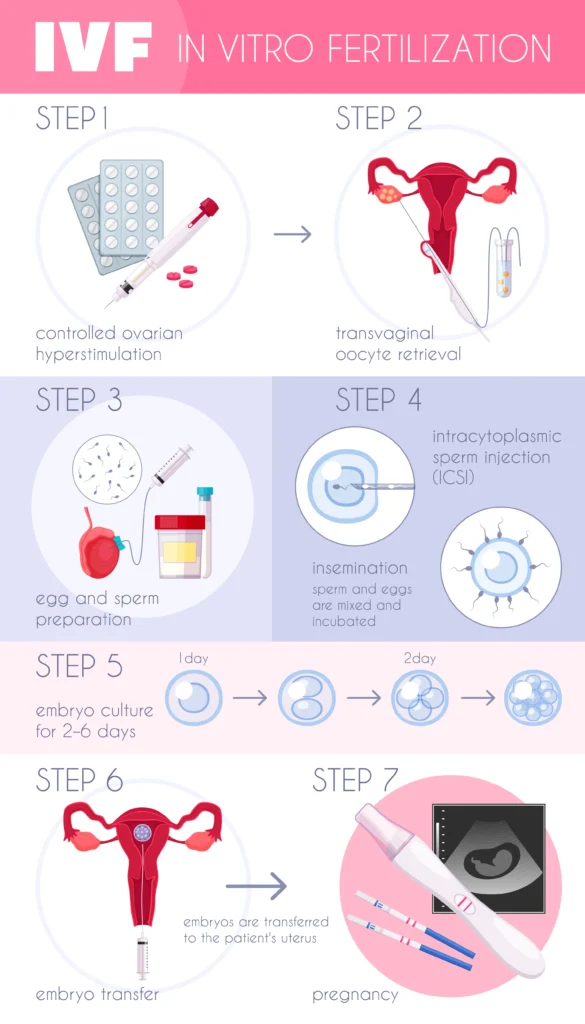
The emotional tension is usually highest here
The first trimester after IVF often feels emotionally fragile.
Most women spend these weeks waiting for scans, monitoring symptoms, and worrying constantly.
This is also the phase where movement becomes overly restricted out of fear.
From a physiotherapy perspective, the first trimester should focus less on “workouts” and more on maintaining healthy movement.
Simple activities are often enough:
- slow walking
- gentle stretching
- breathing exercises
- posture awareness
- pelvic floor relaxation
- mobility exercises
Many women are surprised to learn that walking itself is usually encouraged unless their doctor has advised otherwise.
One thing many women notice but rarely discuss
After IVF, some women unconsciously hold tension in their stomach and pelvic floor muscles throughout the day.
It becomes a protective habit.
They brace while getting out of bed.
They brace while coughing.
They brace while turning.
Over time, this constant guarding can create:
- pelvic heaviness
- tailbone pain
- abdominal tightness
- hip stiffness
- pain with movement
This is one reason physiotherapists focus heavily on breathing mechanics during pregnancy.
Breathing Matters More Than Most Women Realize
IVF stress changes breathing patterns
One of the biggest hidden issues I notice clinically is shallow chest breathing.
Women going through fertility treatment often stay in a constant stress state for months or years.
The body adapts by breathing faster and higher into the chest instead of using the diaphragm efficiently.
During pregnancy, this may worsen because progesterone naturally changes breathing patterns as well.
Some women then experience:
- rib tightness
- upper back pain
- neck tension
- pelvic floor overactivity
- feelings of breathlessness
Gentle diaphragmatic breathing work can help improve movement quality and reduce tension.
A physiotherapist will often prioritize breathing coordination before prescribing strengthening exercises.
Exercise Is Not Just About Fitness During IVF Pregnancy
The real goal is movement confidence
Many women think prenatal exercise means staying “fit.”
That is not actually the main goal after IVF.
The real goals are:
- maintaining circulation
- reducing stiffness
- improving body confidence
- supporting pelvic health
- reducing stress hormones
- improving sleep
- preparing for labor physically
Sometimes a simple daily walk is more beneficial than an intense exercise routine.
Walking After IVF Pregnancy
One of the safest forms of movement
Walking remains one of the safest and most practical forms of exercise during pregnancy after IVF.
It improves:
- circulation
- stamina
- digestion
- mood
- joint mobility
Walking also helps women reconnect with movement naturally again after months of fear and caution.
Some days energy levels may feel low.
That is normal.
The goal is consistency, not perfection.
Pelvic Floor Exercises After IVF
Not every pelvic floor is weak
This is an important topic that many articles oversimplify.
Women are often told to perform endless Kegel exercises during pregnancy.
But some IVF mothers already have overly tight pelvic floor muscles because of chronic stress, anxiety, or years of protective muscle tension.
In these women, excessive tightening exercises may actually worsen:
- pelvic pain
- constipation
- urinary urgency
- tailbone discomfort
- discomfort during intimacy
This is why proper pelvic floor assessment matters.
Sometimes relaxation and breathing coordination are more important than strengthening.
The Second Trimester Usually Feels More Comfortable
Energy levels often improve
For many women, the second trimester feels emotionally lighter.
The nausea often settles. Walking becomes easier. Energy slowly improves.
This is usually the best phase for structured prenatal exercise if medically cleared.
Safe options may include:
- walking
- prenatal yoga
- light resistance exercises
- posture exercises
- glute strengthening
- mobility work
- pelvic stability exercises
Hip strength matters more than many women realize
Weak hip muscles during pregnancy can increase stress on:
- the pelvis
- lower back
- knees
- sacroiliac joints
This is why physiotherapists often include glute and hip stability work during pregnancy care.
Strong hips help support changing posture as the belly grows.
Common Pains Women Experience After IVF Pregnancy
Some discomforts are surprisingly common
Many women panic when they experience pulling sensations during movement.
But mild muscular stretching sensations can happen as pregnancy progresses.
Common complaints include:
- pelvic heaviness
- lower back pain
- groin pulling
- rib discomfort
- hip stiffness
- tailbone pain
Hormonal changes increase ligament laxity, meaning joints become slightly more mobile during pregnancy.
Combined with posture changes and muscle tension, this can create discomfort even in healthy pregnancies.
What Exercises Should Usually Be Avoided?
Some activities place unnecessary strain on the body
Most physiotherapists and obstetricians advise avoiding:
- contact sports
- heavy jumping
- exercises with falling risk
- very heavy lifting
- hot yoga
- intense abdominal workouts
- high-impact training
- exercises causing breath holding
Overheating is another important consideration during pregnancy.
Hydration and temperature control matter more than many people realize.
Can Exercise Cause Miscarriage After IVF?
This fear is extremely common
Many women quietly ask this question but feel guilty even bringing it up.
Current evidence does not show that medically approved moderate exercise causes miscarriage in uncomplicated pregnancies.
Most miscarriages are linked to chromosomal or medical factors rather than normal physical activity.
This is important because fear often causes women to stop moving entirely, which may negatively affect physical and emotional wellbeing. (ACOG 2024)
The Nervous System Plays a Bigger Role Than People Think
IVF journeys affect the body emotionally too
After repeated fertility treatments, many women develop a heightened awareness of physical sensations.
This is not “overreacting.”
The nervous system genuinely becomes more alert after prolonged stress.
Some women become fearful of:
- stretching
- twisting
- lifting
- walking faster
- sleeping in certain positions
A calm and gradual return to movement often helps rebuild confidence.
This is another reason physiotherapy can be valuable during pregnancy after IVF.
The Third Trimester Is About Comfort and Preparation
Exercise goals change again
By the third trimester, the focus shifts toward:
- circulation
- comfort
- mobility
- labor preparation
- breathing control
- pelvic floor coordination
Women often tolerate:
- gentle walks
- supported mobility exercises
- stretching
- breathing work
- circulation exercises
better than structured workouts late in pregnancy.
Swelling and heaviness become more noticeable
Long sitting periods may worsen:
- ankle swelling
- pelvic pressure
- lower back pain
Gentle movement throughout the day often feels better than staying in one position for too long.
Warning Signs That Mean You Should Stop Exercising
Always contact your healthcare provider if you experience:
- vaginal bleeding
- chest pain
- dizziness
- painful contractions
- severe pelvic pain
- shortness of breath at rest
- fluid leakage
- reduced fetal movements
- severe headache
Exercise should never feel aggressive or forceful during pregnancy.
Final Thoughts
Pregnancy after IVF can make women feel emotionally protective of their bodies in ways that others may not fully understand.
That fear is real.
But the body is not automatically fragile simply because conception happened through IVF.
In many uncomplicated pregnancies, gentle movement is healthy, supportive, and beneficial.
A good physiotherapy approach during pregnancy is not about pushing harder.
It is about helping women:
- move confidently
- breathe properly
- reduce unnecessary tension
- support pelvic health
- improve posture
- and trust their bodies again
Sometimes the most important thing exercise gives an IVF mother is not fitness.
It is reassurance.
FAQ for Readers
Stay tuned with us for more health related topics.
Follow us on LinkedIn and Instagram for more.
More Read


Medical Disclaimer!
This article has been reviewed and written under the guidance of our Head Physiotherapist, Dr. Kruti Raj (PT, MUHS,CPT,CMPT). The information shared is intended for educational purposes only and should not be considered a substitute for personalized medical advice, diagnosis, or treatment.
Please consult us or any other qualified healthcare professional before beginning any exercise program, especially if you are experiencing pain, recovering from injury, or managing a medical condition.


