Endometriosis is a chronic condition in which tissue similar to the lining of the uterus grows outside the uterus, commonly affecting areas such as the ovaries, pelvic lining and other structures within the pelvis.
Quick Answer
Yes, endometriosis can affect sexual health, particularly when pelvic pain or pain during intercourse is present. Some women may experience painful penetration, reduced sexual desire, difficulty with arousal or orgasm, vaginal dryness, or changes in sexual satisfaction. However, endometriosis does not affect every woman in the same way, and persistent sexual pain should not simply be accepted as something you have to live with.
For some women, endometriosis can affect more than menstrual cycles and fertility.
Pain, inflammation and other symptoms may also interfere with sexual comfort, desire, arousal and intimacy.
A meta-analysis found that women with endometriosis had poorer scores across several areas of sexual function, including desire, arousal, lubrication, orgasm, satisfaction and pain. (Shi et al. 2022)
Key Takeaways
- Endometriosis can affect sexual health, but not every woman experiences sexual difficulties.
- Pain during or after sex is one of the most important sexual concerns associated with endometriosis.
- Deep penetration may be uncomfortable for some women with pelvic endometriosis.
- Sexual desire, arousal, lubrication, orgasm and sexual satisfaction may also be affected.
- Fear of experiencing pain can sometimes make intimacy more difficult.
- Changing sexual positions, reducing penetration depth and using adequate lubrication may improve comfort for some women.
- Pelvic-floor dysfunction can contribute to sexual pain and may benefit from assessment by a pelvic-health physiotherapist.
- Endometriosis does not mean that you have to avoid sex or give up on intimacy.
- Non-penetrative intimacy can be an important option when penetration is painful.
- Persistent or severe pain during sex should be evaluated by a healthcare professional.
Can Endometriosis Affect Your Sex Life?
Yes, endometriosis can affect sexual health, particularly when pelvic pain or pain during intercourse is present.
However, not every woman with endometriosis will experience sexual difficulties.
Sexual health is influenced by physical symptoms as well as emotional well-being, relationship factors, medications, fertility concerns and individual preferences.
Why Can Endometriosis Make Sex Painful?
Pain during sex is one of the most recognized sexual-health concerns associated with endometriosis.
The pain may occur because endometriosis-related inflammation, lesions and changes within the pelvis can make certain movements or deeper penetration uncomfortable.
But the relationship is not purely physical.
Pelvic-floor muscle dysfunction, nervous-system changes, psychological distress and anticipation of pain can also contribute to the experience of sexual pain. (Aerts et al. 2019)
What Is Dyspareunia?
Dyspareunia is the medical term for persistent or recurrent pain associated with sexual activity.
With endometriosis, pain may occur:
- During penetration
- With deeper penetration
- In certain sexual positions
- During orgasm
- Immediately after sex
- As pelvic pain that continues beyond sexual activity
The location and timing of pain can provide useful information to a healthcare professional.
What Is Deep Dyspareunia?
Deep dyspareunia refers to pain felt deeper inside the pelvis, particularly during deeper penetration.
It is commonly associated with endometriosis and may be more noticeable in certain positions.
Importantly, deep pain is not the only type of sexual pain associated with endometriosis.
Women may also experience pain closer to the vaginal entrance or combinations of different pain patterns.
Can Endometriosis Cause Pain After Sex?
Yes.
Some women experience pelvic discomfort that continues after intercourse rather than stopping immediately when sexual activity ends.
This may be related to the underlying pelvic pain associated with endometriosis and the way pelvic muscles and the nervous system respond to painful stimulation.
A systematic review of women’s experiences found that endometriosis-related dyspareunia can occur in different forms, including deep, superficial and positional pain, as well as pain during or after intercourse. (Facchin et al. 2021)
Can Endometriosis Affect Sexual Desire?
It can, although the effect varies between women.
Living with recurring pelvic pain can make intimacy feel stressful or physically demanding.
A woman may also begin to anticipate pain before sex, which can reduce interest in sexual activity over time.
Other factors such as fatigue, mood, relationship concerns and fertility-related stress can also influence desire.
Research has found lower sexual-desire scores among women with endometriosis, but sexual desire should always be considered within the individual’s broader physical and emotional circumstances. (Zhu et al. 2023)
Can Endometriosis Affect Sexual Arousal?
Some women may experience difficulty becoming or remaining sexually aroused.
Pain can make it harder to relax and focus on pleasurable sensations.
When a person expects intercourse to hurt, the body may respond with increased muscle tension and reduced comfort, creating a cycle in which fear of pain and actual pain reinforce each other.
Endometriosis research has identified differences in sexual arousal as well as other areas of sexual function, although individual experiences vary considerably.
Can Endometriosis Affect Lubrication?
It can.
Sexual lubrication is influenced by arousal, hormones, medications, stress and other physical and psychological factors.
Women with endometriosis may experience reduced lubrication as part of broader sexual-function difficulties, but dryness should not automatically be attributed to endometriosis.
If inadequate lubrication contributes to friction or discomfort, addressing lubrication can be one part of making sexual activity more comfortable.
Can Endometriosis Affect Orgasm?
Some women with endometriosis report difficulty reaching orgasm.
Pain, pelvic-floor tension, anxiety about discomfort and reduced arousal may all interfere with sexual pleasure.
Research examining sexual function in women with endometriosis has found lower orgasm scores compared with women without the condition.
However, endometriosis does not mean that a woman cannot experience orgasm.
Can Endometriosis Affect Sexual Satisfaction?
Yes.
When sex repeatedly involves pain, anxiety or physical limitations, it can become more difficult to feel relaxed and satisfied.
Sexual satisfaction may also be affected when couples change their sexual activities to avoid painful positions or when intimacy becomes associated primarily with symptoms rather than pleasure.
Research reviews have identified effects of endometriosis on sexual satisfaction as well as broader relationship and quality-of-life outcomes. (Rossi et al. 2021)
Does Every Woman With Endometriosis Experience Pain During Sex?
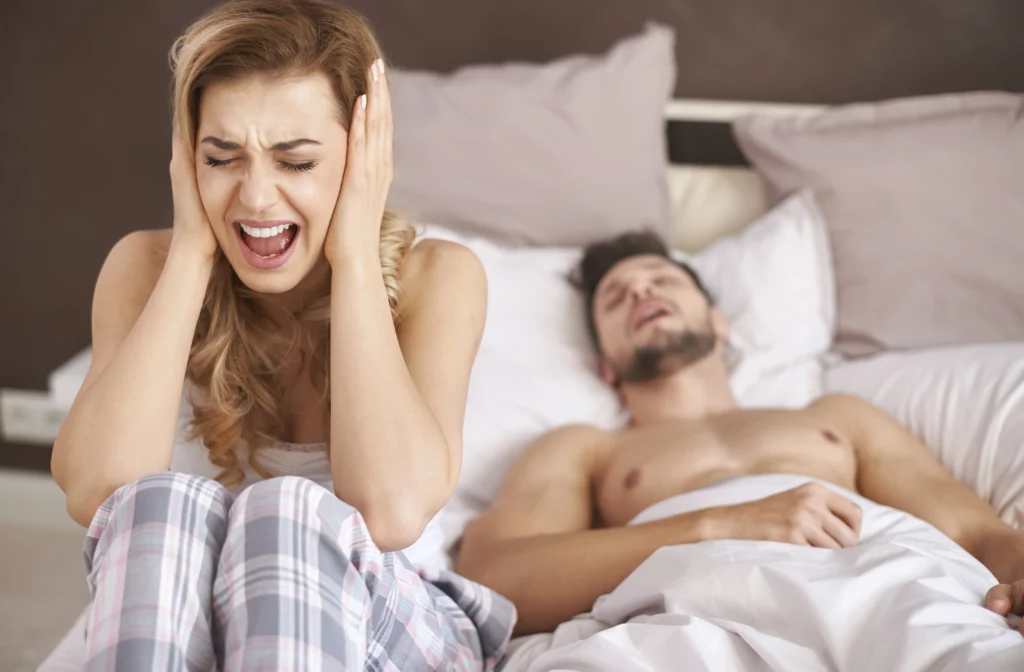
No.
This is important because endometriosis affects women differently.
Some women experience severe pain during intercourse, while others have mild symptoms or no sexual pain at all.
The severity of endometriosis seen on imaging or during surgery does not necessarily predict exactly how a woman will experience sex.
Sexual pain is influenced by multiple physical, psychological and relationship factors, so symptoms need to be evaluated individually.
Can Sex Make Endometriosis Worse?
Sex does not cause endometriosis to spread or create new endometriosis lesions.
However, sexual activity can temporarily worsen pain or pelvic discomfort in women who already have endometriosis-related pain.
If intercourse consistently causes significant pain, continuing through the pain is not necessary.
Instead, the cause of the discomfort should be assessed and sexual activity adapted to what feels comfortable.
Is Sex Safe With Endometriosis?
For most women, having endometriosis does not automatically mean that sex is unsafe.
The main issue is often comfort rather than safety.
If sex causes severe or persistent pain, bleeding, significant pelvic discomfort or other concerning symptoms, medical evaluation is appropriate.
Endometriosis itself can also coexist with other gynecological conditions, so persistent symptoms should not automatically be attributed to endometriosis.
Can Endometriosis Affect Intimacy With a Partner?
Yes.
The effects of endometriosis can extend beyond physical pain.
When intercourse repeatedly causes discomfort, couples may avoid sex, change sexual routines or experience anxiety around intimacy.
A review of endometriosis-associated pain found that the condition can affect sexual health and relationship quality, with the illness burden potentially affecting both partners.
This does not mean that endometriosis inevitably damages relationships.
Open communication and adapting intimacy around pain and comfort can help couples maintain closeness.
Can You Make Sex More Comfortable With Endometriosis?
Yes.
The approach depends on what is causing the discomfort.
If deep penetration is painful, changing positions, reducing depth and communicating openly with your partner may help.
If vaginal dryness is contributing to discomfort, adequate arousal and a suitable lubricant can reduce friction.
When pain is persistent, however, lifestyle adjustments alone may not be enough.
The underlying endometriosis and associated pelvic pain may need medical management.
Can Changing Sexual Positions Help?
It can.
Positions that allow the woman to control depth and speed of penetration may be more comfortable when deep penetration triggers pelvic pain.
Some women may prefer positions where they can control movement themselves, while others may find shallow penetration more comfortable.
There is no universally “best” position for endometriosis.
The right option is the one that minimizes pain and allows both partners to feel comfortable.
Can Lubricant Help With Sex-Related Pain?
Yes, particularly when friction or insufficient lubrication is contributing to discomfort.
A water-based or silicone-based lubricant can make penetration more comfortable.
However, lubricant cannot treat endometriosis itself.
If pain continues despite adequate lubrication, the problem may involve deeper pelvic pain, pelvic-floor muscle tension or another underlying condition.
Can Pelvic-Floor Problems Contribute to Pain During Sex?
Yes.
Repeated or anticipated pain can cause the pelvic-floor muscles to become tense or overactive.
This can create another source of discomfort during penetration and potentially contribute to a cycle of pain → muscle tension → more pain.
A pelvic-health physiotherapist can assess pelvic-floor function and determine whether muscle relaxation, manual therapy, movement strategies or other rehabilitation approaches are appropriate.
Recent evidence suggests that physical-therapy approaches can reduce endometriosis-associated pelvic pain and dyspareunia, although the specific intervention should be individualized. (Mena-González et al. 2026)
Can Pelvic-Floor Physiotherapy Help?
It may be useful for women whose pain involves pelvic-floor dysfunction.
Pelvic-floor physiotherapy is not simply about strengthening the pelvic muscles.
Depending on the assessment, treatment may involve relaxation, breathing techniques, manual therapy, movement education and strategies to reduce excessive muscle tension.
The goal is not to prescribe the same exercise to every woman.
A professional assessment is particularly important when penetration is painful because strengthening already overactive muscles may not be appropriate.
Can Endometriosis Treatment Improve Sex?
It can.
Treating the underlying disease and reducing pelvic pain may improve sexual comfort for some women.
Treatment can involve hormonal medication, pain management or surgery depending on symptoms, fertility goals and individual circumstances.
However, reducing endometriosis lesions or pelvic pain does not guarantee that every aspect of sexual function will return to normal.
The European Society of Human Reproduction and Embryology (ESHRE) guideline emphasizes that endometriosis-associated pain can include dyspareunia and chronic pelvic pain, and that treatment needs to be individualized according to symptoms and patient priorities. (ESHRE)
Can Hormonal Treatment Affect Your Sex Life?
It can, although the effect varies between individuals.
Hormonal treatments are commonly used to control endometriosis-associated pain and suppress disease activity.
Some women may experience improved sexual comfort because their pelvic pain decreases.
Others may notice side effects that affect sexual desire, lubrication, mood or general well-being.
This is why treatment decisions should consider both pain control and quality of life, rather than focusing on one symptom alone.
Can Surgery Improve Sex With Endometriosis?
For some women, surgery may improve pain during intercourse, particularly when endometriosis lesions or adhesions are contributing to deep pelvic pain.
However, surgery is not a guaranteed solution for sexual dysfunction.
Sexual health is influenced by physical pain, pelvic-floor function, emotional well-being and relationship factors, so persistent sexual difficulties may require additional support even after surgery.
Evidence reviewing treatments for endometriosis-related sexual dysfunction suggests that surgical and medical treatments can improve sexual functioning for some women, but improvement is not necessarily complete or permanent. (Barbara et al. 2017)
What If You Are Afraid Sex Will Hurt?
Fear of pain can itself become part of the problem.
If previous sexual experiences were painful, you may begin anticipating discomfort before intercourse starts.
That anticipation can make it difficult to relax and may increase pelvic-floor muscle tension.
It is therefore completely reasonable to stop or change sexual activity when something hurts rather than forcing yourself to continue.
Sex should not be something you have to endure.
Can You Have Intimacy Without Penetration?
Absolutely.
Intimacy does not have to involve vaginal penetration.
Couples can explore other forms of sexual and physical intimacy that do not cause pain.
This can include kissing, touching, massage, mutual stimulation or simply spending intimate time together.
For couples dealing with painful intercourse, expanding the definition of intimacy can reduce pressure and help maintain closeness while the underlying pain is being addressed.
Can Endometriosis Affect Your Relationship?
It can, particularly when pain is frequent or unpredictable.
A couple may begin avoiding sex because one partner is worried about causing pain or the other is worried about experiencing it.
Over time, this can create frustration, guilt or emotional distance.
Research examining endometriosis and couple relationships suggests that the condition can affect sexuality, intimacy and relationship quality, making partner communication and psychosocial support relevant parts of care. (Norinho et al. 2020)
How Can Couples Talk About Sex When Endometriosis Causes Pain?
Honest communication can make a significant difference.
Instead of waiting until intercourse becomes painful, partners can discuss:
- Which activities feel comfortable
- Which positions cause pain
- How deep penetration can be
- When to stop
- Whether non-penetrative intimacy feels better
- When pain tends to occur
- What kind of support is needed
A simple statement such as “that position hurts, can we try something different?” can prevent discomfort from becoming an unspoken source of tension.
Should You Push Through Pain During Sex?
No.
Pain is a signal that something needs attention.
Repeatedly pushing through painful intercourse can increase anxiety around sex and may contribute to pelvic-floor muscle guarding.
Instead, stop or modify the activity when pain occurs and discuss persistent symptoms with a healthcare professional.
When Should You See a Doctor?
Consider seeking medical advice if you experience:
- Persistent pain during penetration
- Severe deep pelvic pain during sex
- Pain that continues for hours after intercourse
- Vaginal bleeding associated with sex
- New or worsening pelvic pain
- Pain that prevents intimacy
- Significant anxiety surrounding sex
- Symptoms that continue despite treatment
Persistent sexual pain deserves assessment rather than being dismissed as something you simply have to live with.
Who Can Help With Endometriosis-Related Sexual Problems?
Depending on the symptoms, care may involve several professionals.
A gynecologist can assess endometriosis and treat pelvic pain.
A pelvic-health physiotherapist can assess pelvic-floor dysfunction and movement-related contributors to pain.
A sexual-health professional or sex therapist can help with fear of pain, sexual confidence and changes in intimacy.
A psychologist or counsellor may be helpful when chronic pain, anxiety, depression or relationship stress is affecting sexual well-being.
A multidisciplinary approach can be particularly useful when physical pain and emotional or relationship difficulties occur together.
Can You Still Have a Satisfying Sex Life With Endometriosis?
Yes.
Endometriosis can make sex more challenging for some women, but it does not mean that satisfying intimacy is impossible.
The key is to move away from the idea that intercourse must follow a particular pattern.
Comfort, communication and flexibility can allow couples to maintain intimacy while appropriate treatment addresses the underlying symptoms.
Can Treatment for Endometriosis Improve Sexual Health?
Treating endometriosis-related pain may make sexual activity more comfortable for some women, but improvement is not always immediate or complete.
Sexual difficulties can involve several factors at once, including pelvic pain, pelvic-floor tension, anxiety, relationship concerns and fear of experiencing pain again.
This means treatment may need to address both the underlying condition and the specific sexual-health concern.
Can Pain Management Help With Sex?
Yes.
When pelvic pain is better controlled, some women may find sexual activity easier and less stressful.
Pain management can be individualized and may involve medication, hormonal treatment, physical therapy or other approaches depending on the symptoms.
It is important to discuss persistent pain with a healthcare professional rather than repeatedly tolerating painful intercourse.
Can Pelvic-Floor Relaxation Help?
For women with pelvic-floor overactivity or muscle tension, relaxation-based approaches may be useful.
The goal is not necessarily to strengthen the pelvic floor.
Instead, a pelvic-health physiotherapist may focus on helping the muscles relax and coordinate appropriately, particularly when pain has caused involuntary tightening.
What If Sex Still Hurts After Endometriosis Treatment?
Persistent pain does not necessarily mean that treatment has failed.
Endometriosis-associated sexual pain can have multiple contributors.
For example, the endometriosis itself may be controlled while pelvic-floor tension, central pain sensitization, vaginal dryness or anxiety continues to contribute to discomfort.
A reassessment can help identify what is still causing the pain.
Can Endometriosis Affect Sex During Different Times of the Menstrual Cycle?
Yes, some women notice that sexual pain changes during their cycle.
Endometriosis symptoms can fluctuate with hormonal changes, and some women may notice greater pelvic discomfort around menstruation or at other points in the cycle.
However, there is no single cycle day when sex is guaranteed to be painful or comfortable for everyone with endometriosis.
Tracking symptoms may help identify individual patterns.
Can Endometriosis Affect Sexual Health Even Without Severe Pelvic Pain?
Yes.
Pain is an important factor, but it is not the only one.
A woman may experience sexual difficulties because of fatigue, anxiety, body-image concerns, fertility-related stress, relationship changes or fear of pain even when her current pelvic pain is relatively mild.
This is why sexual health should be discussed separately rather than assuming that disease-related pain severity explains everything.
Can Endometriosis Affect Fertility and Intimacy at the Same Time?
It can.
For some couples, difficulty conceiving can add another layer of emotional pressure to an already challenging sexual experience.
Sex may begin to feel connected primarily with ovulation timing, fertility testing or the goal of pregnancy.
This can reduce spontaneity and make intimacy feel more stressful.
Separating fertility-focused sex from other forms of intimacy can sometimes help couples maintain emotional and physical closeness.
Can You Have Sex During an Endometriosis Flare?
There is no universal rule.
If sexual activity does not cause discomfort, there is generally no reason to avoid intimacy simply because symptoms are flaring.
However, if penetration or certain movements increase pain, it is reasonable to stop, modify the activity or choose non-penetrative intimacy.
Your comfort should be the deciding factor.
What If You Experience Bleeding After Sex?
Bleeding after sex should not automatically be attributed to endometriosis.
Although pelvic conditions can sometimes contribute to bleeding or discomfort, post-coital bleeding has several possible causes.
If bleeding is recurrent, unexplained or accompanied by pain, unusual discharge or other symptoms, seek medical evaluation.
Can Sex Cause an Endometriosis Flare?
Sex does not cause endometriosis itself.
However, sexual activity can temporarily aggravate pelvic pain in someone who already has endometriosis.
If you consistently notice worsening pain after intercourse, keep track of when the symptoms occur and discuss them with your gynecologist.
Is It Normal to Feel Frustrated About Sex With Endometriosis?
Yes.
Chronic pain can affect confidence, mood and relationships.
You may feel frustrated if your body does not respond the way you expect, particularly when symptoms repeatedly interrupt intimacy.
These feelings do not mean that you are failing as a partner or that your relationship is unhealthy.
How Can Partners Support Someone With Endometriosis?
A supportive partner can:
- Listen without minimizing the pain
- Avoid pressuring their partner to continue
- Ask what feels comfortable
- Be willing to change sexual activities
- Understand that pain is not rejection
- Support medical appointments when appropriate
- Maintain non-sexual affection and intimacy
- Discuss fertility concerns openly
A relationship does not have to revolve around intercourse.
What If You Avoid Sex Because You Are Afraid of Pain?
Avoiding sex because of previous painful experiences is understandable.
However, if fear of pain is becoming persistent and affecting your relationship or quality of life, professional support may help.
A combination of medical care, pelvic-health physiotherapy and psychological or sexual-health support may be appropriate depending on the underlying factors.
Did You Know?
Endometriosis-related sexual pain is not always directly proportional to the amount of endometriosis present. Two women can have apparently similar disease findings but experience very different levels of pain during sex because pelvic-floor function, nervous-system sensitivity, previous pain experiences and emotional factors can also influence how pain is experienced.
Lesser-Known Fact About Endometriosis and Sex
The Severity of Endometriosis Does Not Always Predict How Painful Sex Will Be
This is an important but often overlooked point.
The amount or location of endometriosis visible during medical evaluation does not necessarily tell you exactly how much pain a woman will experience during sex.
Two women with apparently similar endometriosis findings may have very different levels of sexual pain.
This is partly because pain is influenced by more than the lesions themselves.
Pelvic-floor function, inflammation, nervous-system sensitivity, previous pain experiences, psychological factors and relationship circumstances can all contribute.
Therefore, your symptoms deserve to be taken seriously even if the visible extent of endometriosis appears limited.
Can Endometriosis Stop You From Having a Normal Sex Life?
No.
Endometriosis can create challenges, particularly when pain is frequent or severe, but it does not determine your ability to experience intimacy.
Some women may need to modify sexual activities, seek treatment for pain or explore other forms of intimacy.
With appropriate support, many couples can find ways to maintain a satisfying sexual relationship.
Sex With Endometriosis: Myth vs Fact
| Myth | Fact |
|---|---|
| Every woman with endometriosis has painful sex. | Sexual pain is common in endometriosis, but not every woman experiences it. |
| Pain during sex is something you have to accept if you have endometriosis. | Persistent sexual pain deserves assessment and appropriate management. |
| Endometriosis always causes low sex drive. | Some women experience reduced desire, while others do not. Pain, mood, stress and relationship factors can also influence libido. |
| Sex makes endometriosis spread. | Sex does not cause endometriosis or make the disease spread, although sexual activity may temporarily aggravate existing pelvic pain. |
| There is one best sex position for endometriosis. | Comfort varies between women. Positions that allow control over depth and movement may be more comfortable for some. |
| Pain during sex always means the endometriosis is getting worse. | Sexual pain can have several contributing factors, including pelvic-floor tension and nervous-system sensitivity. |
| You must have penetration to maintain intimacy. | Intimacy can include many forms of physical and sexual connection that do not involve penetration. |
| If surgery treats endometriosis, all sexual problems will disappear. | Treatment may improve pain and sexual comfort, but sexual difficulties can have multiple contributing factors. |
| Avoiding sex is the only solution when intercourse hurts. | Couples can explore comfortable sexual activities while the underlying cause of pain is being assessed and treated. |
When Should You Seek Medical Help for Pain During Sex?
Speak with a healthcare professional if:
- Pain during sex is persistent
- Pain is becoming worse
- Deep penetration consistently causes pain
- Pain continues for a long time after intercourse
- You experience unexplained bleeding
- You have unusual vaginal discharge
- Pelvic pain is interfering with daily activities
- You are avoiding intimacy because of pain
- Sexual difficulties are causing significant emotional distress
You do not need to wait until symptoms become severe before seeking help.
Final Thoughts
Endometriosis can affect sexual health through pelvic pain, painful penetration, fear of pain, pelvic-floor tension, fertility concerns and emotional stress. However, having endometriosis does not mean that a satisfying sex life is impossible.
If sex hurts, you do not have to simply tolerate the discomfort. Changes in sexual activity, appropriate lubrication, pelvic-health physiotherapy and medical treatment may help depending on the underlying cause.
Your comfort matters. Persistent or severe sexual pain deserves proper evaluation, and there are ways to maintain intimacy while working toward better symptom control.
Final Thoughts
Endometriosis can affect sexual health in ways that go far beyond painful periods.
Pelvic pain, painful penetration, fear of pain, pelvic-floor tension, fertility concerns and emotional stress can all influence intimacy.
But painful sex is not something you simply have to accept because you have endometriosis.
If sex hurts, the most important step is to identify why.
Treatment can then be tailored to the underlying cause, whether that involves endometriosis management, pelvic-floor physiotherapy, lubrication, psychological support or changes to sexual activity.
A satisfying sex life may require some adaptation, but endometriosis does not have to define your intimate relationship.
Frequently Asked Questions About Sex With Endometriosis
1. Can you have sex if you have endometriosis?
Yes. Endometriosis does not automatically make sex unsafe. However, some women may experience pain or discomfort during sexual activity.
2. Can endometriosis cause painful sex?
Yes. Pain during or after sex is a common sexual-health concern associated with endometriosis, particularly when deeper penetration causes pelvic discomfort.
3. Why does sex hurt with endometriosis?
Pain may be related to endometriosis lesions, pelvic inflammation, pelvic-floor muscle tension or other factors that influence how pain is experienced.
4. Can endometriosis cause pain after sex?
Yes. Some women experience pelvic pain or discomfort that continues after intercourse. Persistent or severe pain should be discussed with a healthcare professional.
5. Can endometriosis affect sex drive?
It can. Pain, fear of pain, fatigue, emotional stress and fertility concerns may all affect sexual desire.
6. Can changing sex positions help with endometriosis pain?
Changing positions may help some women, especially positions that allow greater control over penetration depth and movement.
7. Can lubricant help with sex when you have endometriosis?
Lubricant may help when friction or insufficient lubrication contributes to discomfort, although it does not treat endometriosis itself.
8. Can pelvic-floor physiotherapy help with endometriosis-related sexual pain?
It may help women whose pain is associated with pelvic-floor dysfunction or muscle tension. Assessment by a pelvic-health physiotherapist can help determine an appropriate approach.
9. Can you have intimacy without penetration?
Absolutely. Kissing, touching, massage, mutual stimulation and other forms of intimacy can help couples maintain closeness when penetration is uncomfortable.
10. When should I see a doctor about painful sex?
Seek medical advice if pain is persistent, severe, worsening or associated with bleeding, unusual discharge, significant pelvic pain or emotional distress.
Stay tuned with us for more health related topics.
Follow us on LinkedIn and Instagram for more.
More Read





Medical Disclaimer!
This article has been reviewed and written under the guidance of our Head Physiotherapist, Dr. Kruti Raj (PT, MUHS,CPT,CMPT). The information shared is intended for educational purposes only and should not be considered a substitute for personalized medical advice, diagnosis, or treatment.
Please consult us or any other qualified healthcare professional before beginning any exercise program, especially if you are experiencing pain, recovering from injury, or managing a medical condition.