


Sleep apnea is often dismissed as simple snoring, but it involves repeated airway collapse during sleep, causing breathing pauses and leading to a sleep apnea morning headache.
These pauses can last from a few seconds to over a minute and may occur 30-100 times per night in severe cases.
Each pause triggers a mini survival response in your body, your brain briefly wakes you up to restart breathing.
While you may not remember these awakenings, your nervous system certainly does.
Research shows that these repeated interruptions lead to:
- Chronic sleep deprivation
- Oxygen desaturation (hypoxia)
- Increased sympathetic nervous system activity
These physiological disturbances are key drivers behind sleep apnea-related headaches, especially those experienced in the morning.
Quick Answer
Sleep apnea can cause headaches due to low oxygen levels, poor sleep quality, and increased neck muscle tension. These headaches are usually felt in the morning and improve during the day. Physiotherapy, breathing exercises, and proper sleep positioning can help reduce symptoms.
Key Takeaways
- Sleep apnea causes repeated breathing pauses that reduce oxygen levels.
- Up to 33% of patients experience headaches, especially in the morning.
- Posture, breathing dysfunction, and neck tension play a major role.
- Physiotherapy can significantly reduce symptoms through exercises and posture correction.
- Morning headaches should never be ignored—they may signal sleep apnea.
Why Sleep Apnea Causes Headaches
From a physiotherapy and neurophysiology perspective, sleep apnea headaches are not random, they follow a clear biological pattern.
1. Intermittent Hypoxia and Cerebral Blood Flow Changes
When oxygen levels drop during apnea episodes, the brain compensates by dilating blood vessels to increase blood flow.
This vascular dilation increases intracranial pressure, which can trigger:
- Dull, pressing headaches
- Bilateral head pain
Studies have shown that repeated hypoxia leads to endothelial dysfunction, further amplifying headache susceptibility.
2. Carbon Dioxide Retention (Hypercapnia)
During apnea, CO₂ levels rise in the bloodstream.
This causes:
- Acid-base imbalance
- Increased cerebral vasodilation
- Activation of pain-sensitive structures
This is why many patients describe a “heavy head” feeling rather than sharp pain.
3. Sleep Fragmentation and Pain Sensitization
Sleep is when your brain resets pain pathways.
Interrupted sleep leads to:
- Reduced pain threshold
- Increased central sensitization
This means even mild muscle tension can feel like a significant headache.
4. Upper Cervical Spine Dysfunction
Here’s a lesser-known but critical physiotherapy insight:
Sleep apnea patients often develop:
- Forward head posture
- Jaw clenching (bruxism)
- Increased tone in suboccipital muscles
These lead to:
- Compression of upper cervical joints
- Irritation of occipital nerves
Result: A combined sleep apnea + cervicogenic headache pattern.
What Research Reveals
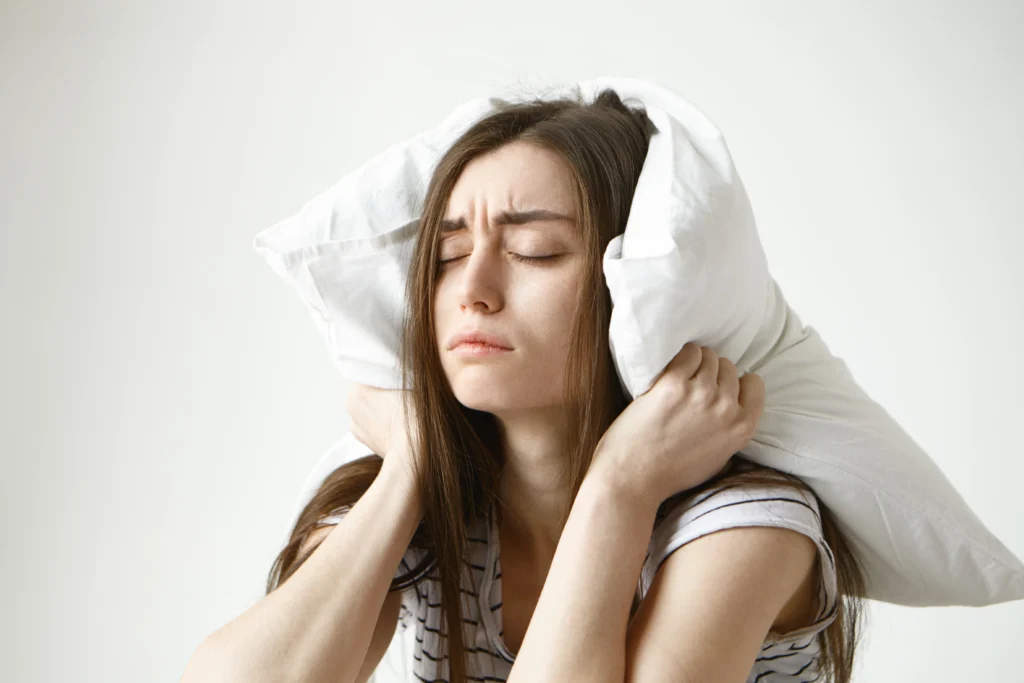
- A large-scale clinical review found morning headaches in nearly one-third of obstructive sleep apnea patients, strongly linked to oxygen desaturation levels. (Science Direct)
- Neuroimaging studies suggest repeated apnea episodes alter pain modulation pathways in the brain, increasing headache frequency. (PMC)
- Patients treated with CPAP therapy showed significant reduction in headache intensity within weeks, confirming a causal relationship. (Nature)
Clinically important takeaway:
Headaches are not just associated with sleep apnea, they are often a direct consequence of it.
How to Identify a Sleep Apnea Headache
Unlike migraines or sinus headaches, sleep apnea headaches have a unique pattern:
Typical Features
- Present immediately upon waking
- Bilateral (both sides of the head)
- Pressing or tightening sensation
- No nausea or light sensitivity (in most cases)
- Improves within 30 minutes to a few hours
Hidden Signs Most People Miss
Many patients focus only on headaches and miss these subtle indicators:
- Teeth grinding at night
- Waking up with jaw stiffness
- Frequent night-time urination
- Night sweats
- Brain fog in the morning
- Shoulder or neck tightness
These are early warning signs of sleep-related breathing dysfunction.
Lesser-Known Clinical Fact
Sleep apnea headaches are classified under “secondary headaches due to homeostatic disturbances” in headache medicine.
This means:
The headache is not the primary problem, it is a symptom of disrupted physiology.
Physiotherapy Perspective: Why Medication Alone Fails
Painkillers may temporarily reduce headache intensity, but they do NOT address:
- Airway collapse
- Breathing inefficiency
- Postural dysfunction
- Muscle imbalance
This is why many patients say:
“My headache keeps coming back every morning.”
Because the root cause is still active during sleep.
Advanced Physiotherapy Management Approach
Physiotherapy for sleep apnea headaches goes beyond simple exercises.
It targets airway mechanics, neuromuscular control, and posture simultaneously. (MSJ Online)
1. Postural Re-education (Airway Opening Strategy)
Forward head posture reduces airway diameter significantly.
Correction leads to:
- Improved airflow
- Reduced apnea episodes
- Less neck strain
Advanced Tip :
Training posture during the day directly influences airway behavior at night.
2. Diaphragmatic Breathing Repatterning
Most sleep apnea patients are chest breathers.
Retraining the diaphragm:
- Improves oxygen exchange
- Reduces accessory muscle overuse
- Calms the nervous system
3. Orofacial Myofunctional Therapy
This includes strengthening:
- Tongue muscles
- Soft palate
- Lips
Research shows this can reduce apnea severity by up to 50% in mild cases.
4. Suboccipital Release Techniques
Tight suboccipital muscles are a major contributor to headaches. Suboccipital release techniques helps relieve the strain.
Manual therapy or self-release:
- Reduces nerve irritation
- Improves blood flow
- Relieves pressure-type headaches
5. Inspiratory Muscle Training (IMT)
Using resistance breathing devices:
- Strengthens respiratory muscles
- Improves airway stability
6. Sleep Position Training (Positional Therapy)
Sleeping on your back worsens apnea.
Lesser-known tip:
Even a 10–15° head elevation can significantly reduce airway collapse.
Condition-Specific Lesser-Known Tips
These are not generic tips, you won’t commonly find them online:
1. Tongue Posture Awareness During the Day
Your tongue should rest on the roof of your mouth, not the floor.
This improves airway tone even during sleep.
2. Nasal Breathing Training
Mouth breathing worsens apnea.
Practice:
- Slow nasal inhalation
- Prolonged exhalation
3. Warm Shower Before Bed (Counterintuitive Benefit)
It promotes:
- Muscle relaxation
- Improved circulation
This may reduce nocturnal muscle tension contributing to headaches.
4. Avoid Late Night Neck Flexion
Looking down at your phone before sleep:
- Tightens cervical muscles
- Narrows airway
This directly worsens morning headaches.
5. Hydration Timing Matters
Dehydration thickens airway secretions.
Tip:
- Hydrate during the day
- Avoid excess fluids right before bed
6. Use of Cervical Support Pillow
A poorly supported neck using wrong pillows:
- Increases airway collapse
- Triggers cervicogenic headaches
7. Jaw Relaxation Training Before Sleep
Clenching increases head and neck tension.
Practice:
- Slightly open jaw
- Relax tongue
8. Humming Before Bed
Humming increases nitric oxide production in nasal passages.
This improves airway patency and oxygenation.
Lifestyle Modifications That Directly Impact Headaches
Weight Reduction
Even small reductions improve airway space.
Avoid Alcohol & Sedatives
They relax throat muscles excessively.
Regular Sleep Timing
Stabilizes circadian rhythm and reduces apnea severity.
Calculate your ideal sleep here: “Sleep Calculator“
When You Need Medical Support
Physiotherapy is powerful, but some cases require combined care:
- Moderate to severe sleep apnea
- Persistent symptoms despite lifestyle changes
Medical Options
- CPAP therapy
- Oral appliances
- Surgical correction
Best results occur when physiotherapy + medical treatment are combined.
My Clinical Insight
One of the most overlooked patterns I see:
Patients come for:
- Neck pain
- Chronic headaches
But on deeper assessment:
- Poor breathing patterns
- Sleep disturbances
- Postural dysfunction
Once sleep apnea is addressed, headaches often reduce without increasing medication.
Physio Prescription
- Chin tucks- 10 reps
- Diaphragmatic breathing- 5 minutes
- Tongue posture training- throughout the day
- Neck stretches before bed
- Side sleeping with pillow support
Red Flags You Should Never Ignore
- Daily morning headaches
- Loud snoring with pauses
- Waking up gasping
- Severe sleepiness in daytime
- Memory or concentration issues
These require immediate evaluation.
Myth vs Reality
Myth: Headaches are just due to stress
Reality: Sleep disorders are a major hidden cause
Myth: Snoring is harmless
Reality: It can indicate airway obstruction
Final Word
Sleep apnea headaches are not random, they are your body’s signal that your brain is struggling for oxygen during sleep.
Treating only the headache is like silencing an alarm without fixing the fire.
As a physiotherapist, my approach is simple:
- Restore breathing
- Correct posture
- Improve sleep mechanics
Because when you fix sleep, headaches often disappear naturally.
Frequently Asked Questions
Yes, sleep apnea commonly causes morning headaches due to low oxygen levels and poor sleep quality during the night.
It is usually a dull, pressing pain on both sides of the head that is present upon waking and improves within a few hours.
These headaches typically last 30 minutes to a few hours after waking, but may persist longer in untreated cases.
They occur due to reduced oxygen levels, increased carbon dioxide, and disrupted sleep cycles during the night.
Yes, physiotherapy improves posture, breathing patterns, and neck muscle function, which can significantly reduce headache frequency.
Yes, poor posture and muscle tension in the neck can contribute to headaches in sleep apnea patients.
Sleeping on your side with proper neck support is recommended, as lying on the back can worsen airway obstruction.
Yes, even modest weight loss can improve airway function and reduce both sleep apnea severity and associated headaches.
While not usually dangerous on their own, they may indicate untreated sleep apnea, which can increase the risk of serious health issues.
You should seek medical advice if headaches are frequent, severe, or associated with snoring, choking during sleep, or excessive daytime fatigue.
Stay tuned with us for more health related topics.
Follow us on LinkedIn and Instagram for more.
More Read


Medical Disclaimer!
This article has been reviewed and written under the guidance of our Head Physiotherapist, Dr. Kruti Raj (PT, MUHS,CPT,CMPT). The information shared is intended for educational purposes only and should not be considered a substitute for personalized medical advice, diagnosis, or treatment.
Please consult us or any other qualified healthcare professional before beginning any exercise program, especially if you are experiencing pain, recovering from injury, or managing a medical condition.


